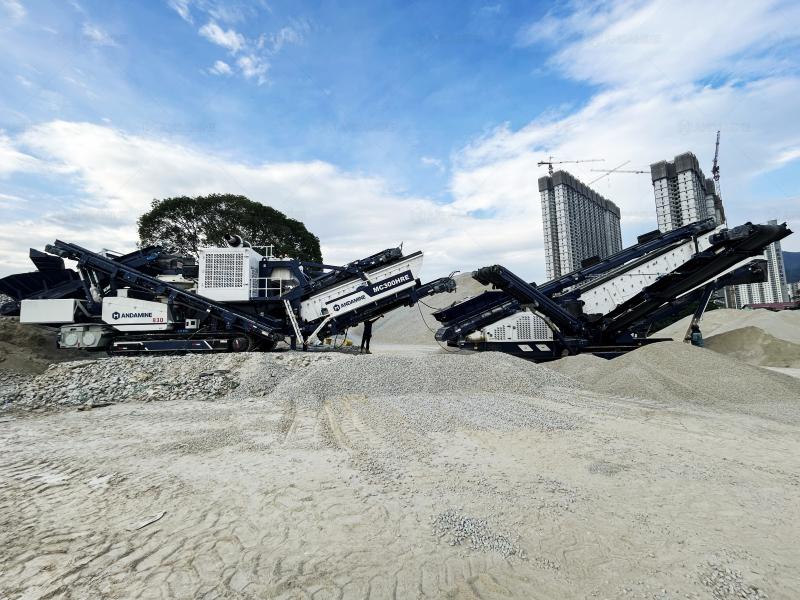
A limestone crusher solves one of the biggest challenges in industrial limestone use: transforming large, irregular rocks into consistent, high-quality materials. Without proper crushing equipment, projects face uneven gradation, excessive dust, and increased equipment wear. By choosing the right crusher type and optimizing operations, companies, project planners, and operators can achieve smoother production, higher efficiency, and lower operational costs.
Understanding Limestone Material and Its Industrial Significance
What is Limestone and Its Physical Characteristics
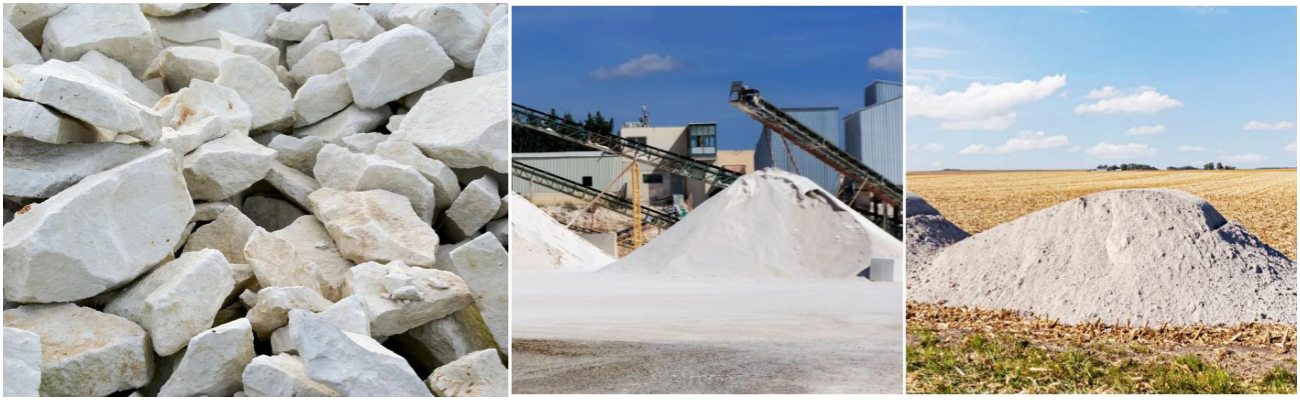
Limestone is a sedimentary rock mainly composed of calcium carbonate (CaCO₃), widely used in construction and industrial production due to its abundance and versatility. Its physical properties strongly influence crushing efficiency and equipment selection.
Key characteristics:
- Hardness: Mohs 3–4 → relatively easy to crush.
- Compressive strength: 80–140 MPa → can withstand pressure but breaks efficiently under crushing.
- Brittle structure: Promotes fragmentation but can produce excessive fines if not managed.
- Impurities (e.g., silica): Increase wear on equipment.
Understanding these properties allows businesses to select the right crusher, reduce maintenance costs, and avoid over-crushing.
What is Crushed Limestone and Its Industrial Applications
Crushed limestone is produced by mechanically reducing raw limestone into controlled sizes for specific applications. Unlike raw limestone, it is easier to handle, transport, and apply in projects.
Applications include:
- Construction: Road base, foundation layers, structural support.
- Concrete & asphalt production: Provides aggregate for strength and durability.
- Cement manufacturing: Essential raw material for clinker.
- Industrial fillers: Used in paints, plastics, and agriculture.
Properly crushed limestone ensures project quality and efficiency. Selecting the correct product type prevents poor compaction, instability, or wasted material.
Specifications and Types of Crushed Limestone
Crushed limestone varies in particle size, shape, and gradation, which are critical for different industrial and construction applications.
Key specification considerations:
- Gradation: Well-graded limestone mixes particle sizes to improve compaction and stability.
- Particle shape: Angular particles improve interlocking in construction; irregular shapes may reduce performance.
- Consistency: Uniform sizing ensures predictable outcomes and material quality.
Crushed limestone size and usage guide:
| Size Range | Typical Application | Key Requirement |
|---|---|---|
| 0–5 mm | Fillers, paving | Fine consistency, low dust |
| 5–10 mm | Asphalt | Uniform size, good bonding |
| 10–20 mm | Concrete | Strength and durability |
| 20–40 mm | Road base | Load-bearing capacity |
| 40 mm+ | Sub-base | Stability and drainage |
Matching crusher output to project requirements ensures the final product meets specifications and maximizes material value.
Global Limestone Reserves and Market Insights
Distribution of Limestone Reserves Worldwide
Limestone is one of the most abundant sedimentary rocks on Earth, but its commercially significant deposits are concentrated in specific regions that support major industrial demand.
Key global reserve areas include:
- China: Among the largest limestone producers, supporting massive cement, construction, and aggregate markets.
- India: Extensive limestone belts in Rajasthan, Madhya Pradesh, and Andhra Pradesh fuel cement and mineral industries.
- United States: Major reserves in states such as Missouri, Kentucky, and Indiana — widely used for construction and economic minerals.
- Europe: Significant deposits in France, Germany, and the UK supply both domestic use and export markets.
Knowing where quality limestone is concentrated helps companies and businesses plan sourcing, logistics, and long‑term supply strategies.
Market Size and Growth Trends
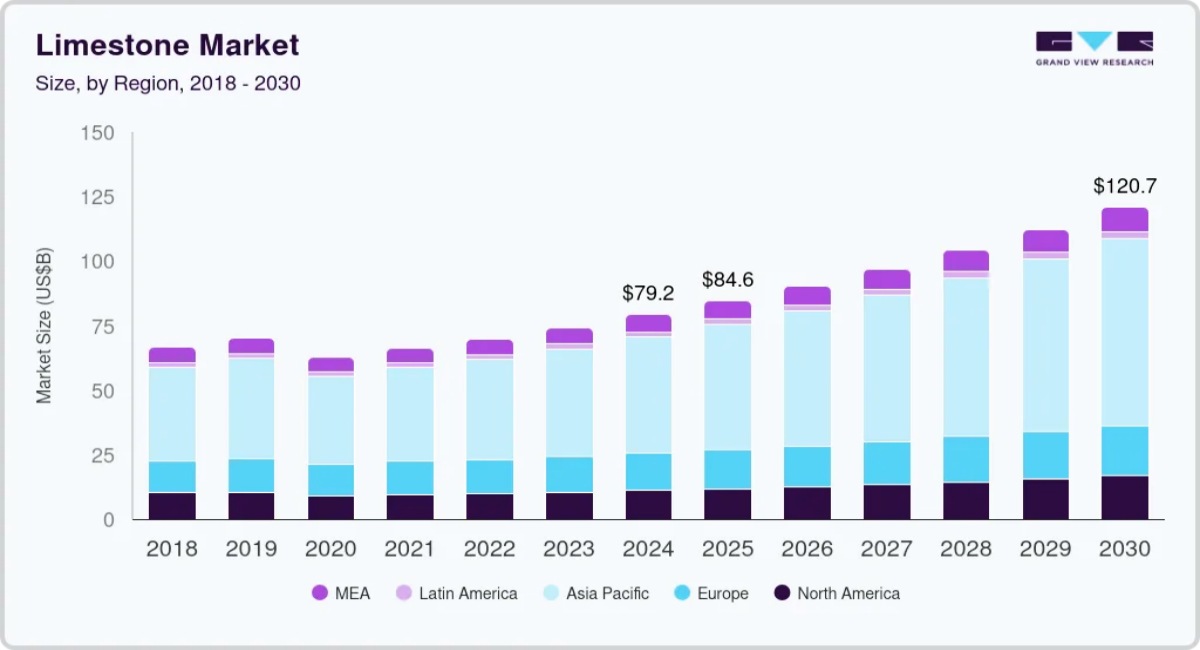
The global limestone market continues to grow steadily, driven by infrastructure, urbanization, and industrial applications. According to Grand View Research, the global limestone market size was valued at approximately USD 79.18 billion in 2024 and is projected to grow significantly through 2030.
| Year | Market Value (USD Billion) | CAGR Forecast |
|---|---|---|
| 2023 | ~79.18 | — |
| 2024 | ~81.50 | ~5.4 % |
| 2025 | ~85.70 | ~5–6 % |
| 2030 | ~120.70 | ~7.4 % |
Understanding market growth and forecast data helps planners and buyers assess long‑term demand and investment timing.
Regional Demand Drivers
Regional demand for limestone varies based on economic development, construction activity, and industrial output:
- Asia‑Pacific: Rapid urbanization, infrastructure expansion, and cement production drive the highest regional demand globally.
- North America & Europe: Steady construction investment and industrial use sustain consistent limestone consumption.
- Latin America & Africa: Infrastructure projects and emerging industrial sectors are expanding demand.
Regional insights help businesses evaluate growth opportunities and tailor supply strategies to key markets.
Industrial Importance Beyond Cement
While cement production is a major user of limestone, its industrial significance extends far beyond:
- Steel industry: Limestone acts as a flux to remove impurities during iron and steel processing.
- Agriculture: Ground limestone is used to adjust soil pH and improve crop productivity.
- Chemical fillers: Fine limestone is used as filler in plastics, paints, adhesives, and rubber.
- Environmental use: Limestone neutralizes acidic wastewater and acts in filtration systems.
Recognizing the diverse uses of limestone enables companies to explore broader market opportunities and optimize utilization across industries.
Why This Matters to You
For anyone planning to invest in limestone crushing, quarry operations, or material supply chains, understanding reserves and market trends is essential. It helps you:
- Anticipate long‑term material availability and price pressure
- Identify high‑demand regions and applications
- Make informed decisions on equipment investment and production capacity
Limestone Crushing Challenges and Material Behavior
Limestone is often perceived as easy to crush due to its relatively low hardness. However, its physical and chemical characteristics present unique operational challenges. Understanding these factors is essential for selecting the right crusher, optimizing output, and controlling operational costs.
Brittleness and Fragmentation Behavior
- Limestone’s brittle structure causes it to break easily along natural fractures.
- With a low Mohs hardness of 3–4, crushing is energy-efficient, but resulting fragments are often irregular and angular.
- Irregular breakage can impact product uniformity, especially for applications requiring consistent aggregate sizes.
Particle Size Control Challenges
- Over-crushing is common because of limestone’s brittleness, producing excessive dust and fine particles.
- Excessive fines can disrupt gradation, reducing suitability for concrete, asphalt, or road base applications.
- Maintaining consistent particle size requires careful adjustment of crusher settings, feed rate, and screening procedures.
Moisture, Adhesion, and Screening Considerations
- Limestone with high moisture content tends to adhere to crusher surfaces and screens.
- Adhesion can cause clogging, reduce throughput, and increase uneven wear on equipment.
- Screening efficiency may decline, potentially mixing fines with coarser fractions and affecting product consistency.
Abrasion from Impurities and Wear Management
- Limestone often contains hard inclusions, such as quartz or silica, which accelerate wear on crusher components.
- Uneven wear increases maintenance frequency and reduces equipment lifespan if not properly monitored.
- Selecting appropriate materials for wear parts (e.g., manganese steel, chromium alloy) helps balance durability and operational efficiency.
Implications for Crusher Selection
Different crushers handle limestone challenges differently:
Jaw crushersEfficient for primary crushing, tolerate irregular feed, moderate dust generation.
Impact crushersProduce more fines but deliver better particle shape.
Cone crushersSuitable for secondary or tertiary stages with controlled gradation.
Adjusting crusher speed, feed size, and reduction ratio allows operators to balance efficiency, output quality, and wear.
Different Types of Crushers For Limestone Processing
Selecting the right limestone crusher is crucial for maximizing efficiency, controlling particle size, and reducing operational costs. Each crusher type has unique advantages, suitable feed ranges, and operational considerations.
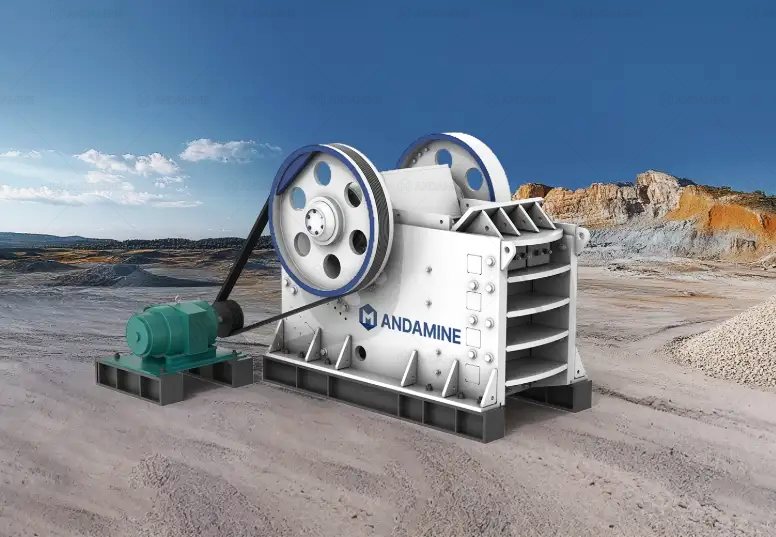
Jaw Limestone Crusher — For Primary Crushing Workhorse
- Purpose: Reduce large limestone blocks to sizes suitable for secondary crushers.
- Working principle: Compresses material between a moving jaw and a fixed jaw.
- Typical feed size: <680 mm
- Typical output capacity: 20–800 t/h
- Finished Product: 15-300mm
- Strengths: High capacity, robust design, reliable for primary reduction.
- Limitations: Limited fine output; particle shape is less uniform.
- Practical advice: Use jaw crushers for initial feed reduction to ensure consistent sizing for downstream crushing and prevent overloading secondary equipment.
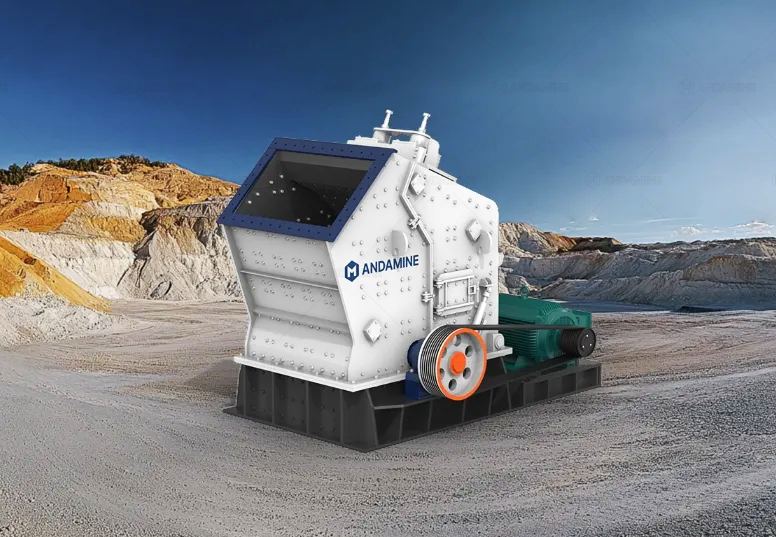
Impact Limestone Crusher — For Shaping and Medium Crushing
- Purpose: Produce well-shaped limestone aggregates for construction and industrial use.
- Working principle: High-speed rotor throws material against impact plates, breaking it along natural fractures.
- Typical feed size: <700 mm
- Typical output capacity: 20–550 t/h
- Finished Product: 5-200mm
- Strengths: Produces cubical aggregates; improves particle shape; suitable for concrete, asphalt, and road base.
- Limitations: Higher wear rates; less suitable for very hard limestone.
- Practical advice: Pair impact crushers with jaw crushers to optimize particle shape and control dust generation while maintaining throughput.
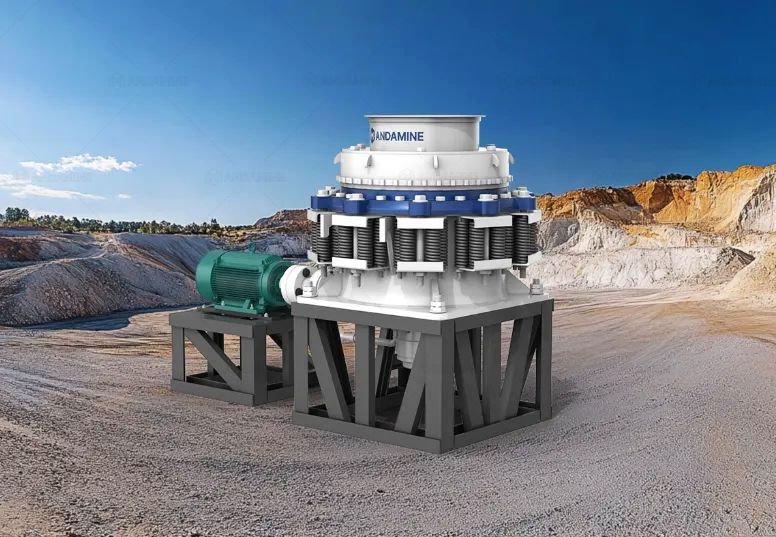
Cone Limestone Crusher — For Secondary and Fine Crushing
- Purpose: Achieve fine, uniform limestone for cement, concrete, and industrial use.
- Working principle: Material is crushed between a rotating cone and fixed concave surface.
- Typical feed size: <350 mm
- Typical output capacity: 50–1200 t/h
- Finished Product: 3-60mm
- Strengths: Excellent for hard limestone, final particle size control, high uniformity.
- Limitations: Higher cost and energy consumption than jaw or impact crushers.
- Practical advice: Use cone crushers for secondary or tertiary crushing where precise particle size or uniformity is required.
Mobile Limestone Crushers — Flexible and Rapid Deployment
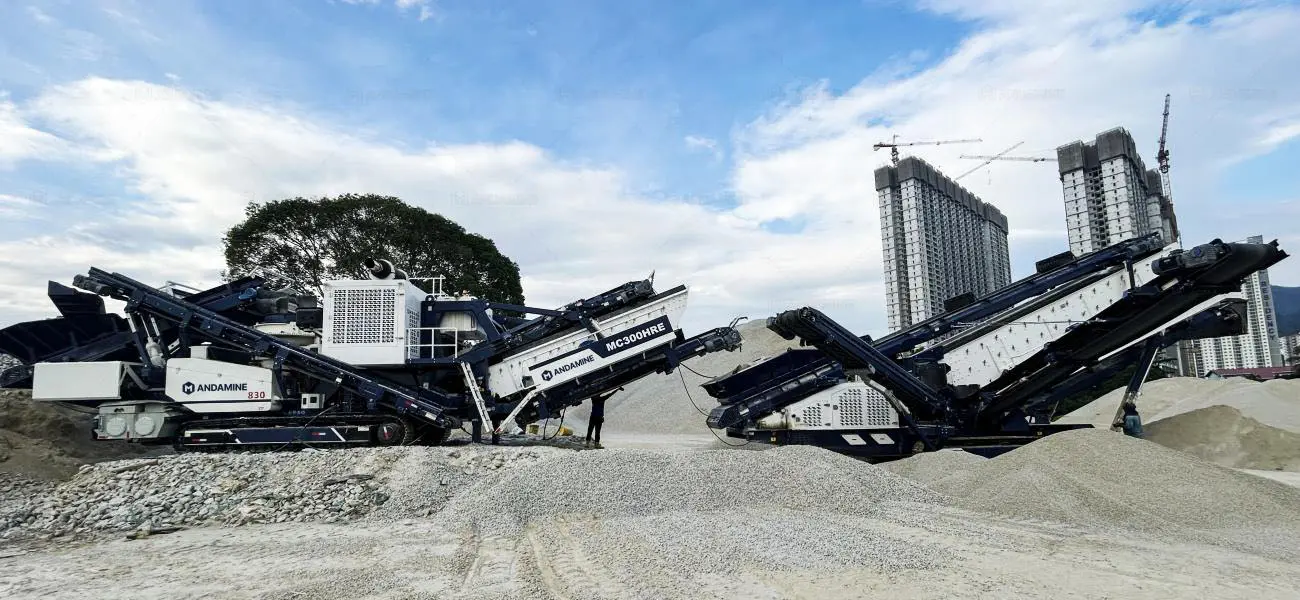
Andamine offers both tire-mounted and track-mounted mobile crushing plants for limestone processing. The tire-mounted mobile crushing plant features a wheeled chassis for flexible relocation between sites, reducing the need for concrete foundations and saving 30–60 days compared to fixed crushing plants.
The track-mounted crushing plant features a rigid, multi-track chassis for excellent stability and off-road performance on various terrains. Equipped with reliable, fuel-efficient diesel engines and an advanced hydraulic system with imported components, it ensures stable, long-term operation with low maintenance.
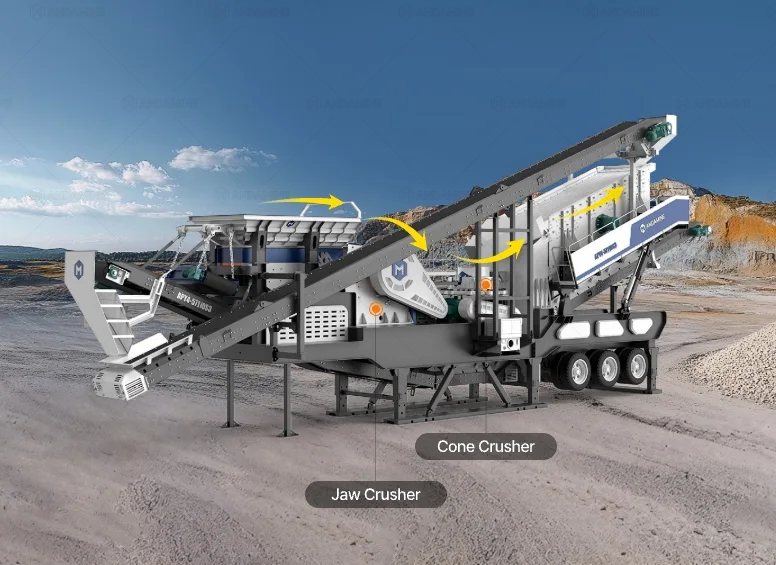
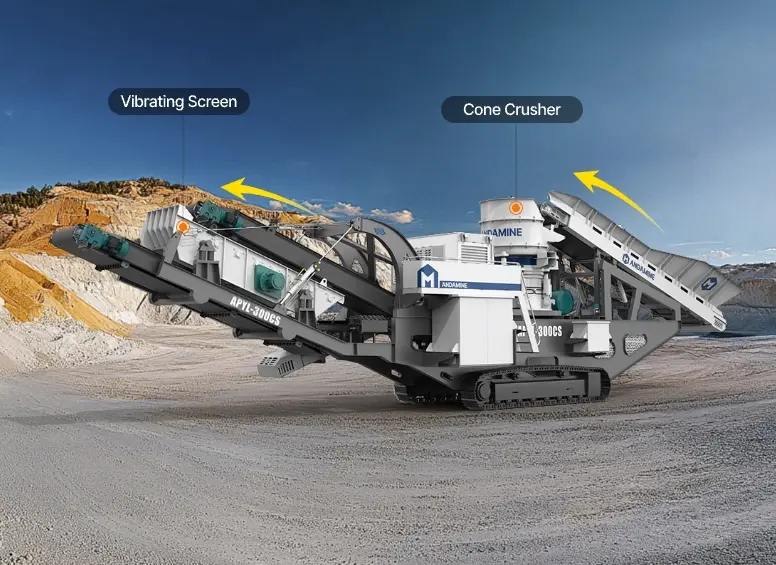
Smart Features:
Limestone Crushing Process and Production Workflow
A well-structured limestone crushing workflow is essential for companies, project managers, and engineers to plan operations efficiently, maintain product quality, and control operational costs. Understanding each stage helps optimize production, minimize downtime, and meet project specifications.
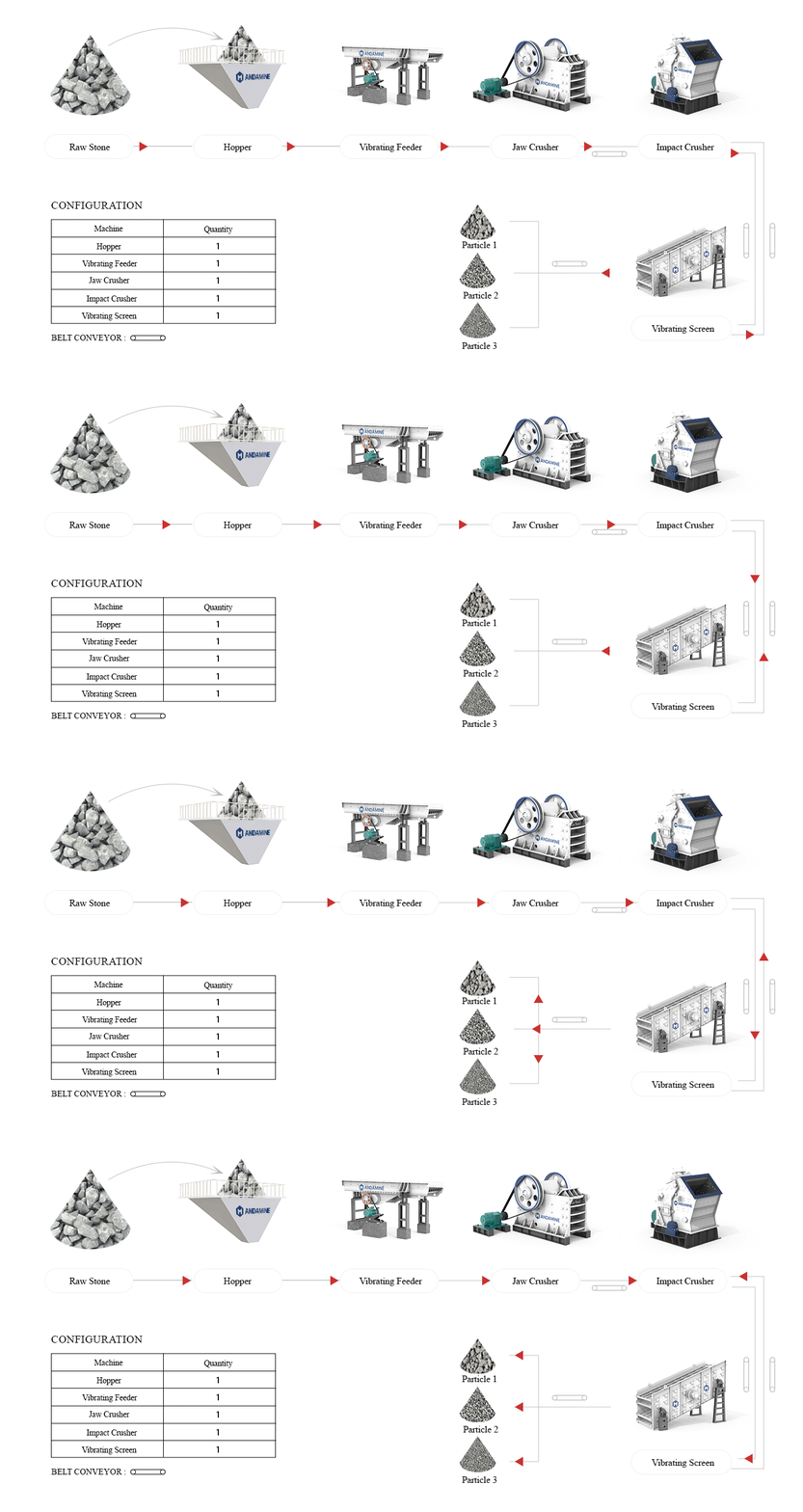
Typical Crushing Line
- Primary crushing: Large limestone blocks are fed into a jaw crusher to reduce oversized material for subsequent processing. Remove irregular or oversized rocks to prevent crusher overload.
- Secondary crushing: Impact or cone crushers further refine particle size and improve aggregate shape. Adjust settings to balance throughput and achieve consistent particle uniformity.
- Screening: Vibrating screens separate fine, medium, and coarse fractions. Select appropriate mesh sizes according to target gradation, and ensure screens are cleaned and maintained regularly.
- Final grading and blending: Combine fractions as needed to meet product specifications. Monitor moisture content to prevent clumping or dust generation.
Proper sequencing and coordination of crushing stages prevent over-crushing, maintain uniform particle size, and ensure smooth production flow.
Particle Size Management
- Adjust crusher settings and feed rate to avoid over-crushing while maintaining desired gradation.
- Monitor feed consistency, as oversized or irregular rocks can cause jams and uneven output.
- Use screening and blending strategically to fine-tune particle distribution and reduce excessive fines.
Maintaining consistent particle size improves concrete or asphalt performance, reduces wear on downstream equipment, and ensures product reliability.
Quality Assurance and Output Consistency
- Regularly sample and measure output to verify particle size and gradation.
- Calibrate crushers and screens to ensure stable feed and output over time.
- Monitor moisture content; excessive water can impact screening efficiency and final particle quality.
Consistent limestone output directly affects product quality, project profitability, and customer satisfaction.
Operational Layout Considerations
- Optimize the placement of crushers, conveyors, and screens to reduce transport distances and prevent bottlenecks.
- Implement basic dust control measures, such as water sprays, dust collectors, or enclosed conveyors.
- Minimize noise impact using enclosures, sound barriers, or scheduling operational hours.
Thoughtful site layout ensures smooth daily operations, increases efficiency, and reduces downtime risks.
How to Choose the Right Limestone Crusher for Maximum Efficiency
Selecting an appropriate limestone crusher is essential for achieving high throughput, consistent product quality, and cost-effective operations. Choosing the wrong equipment can lead to frequent maintenance, inconsistent particle gradation, and unnecessary energy consumption.
Define Your Production Goals
- Daily throughput (TPH): Determine the amount of limestone required per day to meet project demands and deadlines.
- Project scale: Small-scale road or construction projects may require lower-capacity crushers for limestone, whereas large cement plants or aggregate operations need high-capacity machines.
- Future expansion: Consider long-term growth. Slightly oversizing the crusher can prevent early replacement and accommodate peak demand periods.
Accurately quantify both immediate and projected production needs to ensure the selected limestone crushing machine can handle peak loads efficiently without causing downtime.
Consider Material Characteristics
- Hardness: Softer limestone is suitable for impact crushers, while harder or abrasive limestone requires jaw or cone crushers for durability.
- Moisture content: High-moisture material can stick to crusher components, leading to clogging. Machines with anti-clogging designs or water-resistant features are preferred.
- Feed size and uniformity: The crusher’s maximum feed size must accommodate raw blocks. Oversized or irregular rocks can overload smaller crushers and cause operational interruptions.
Conduct material testing or laboratory analysis of limestone batches before purchase to match crusher machine type to actual material properties.
Choose Between Fixed and Mobile Solutions
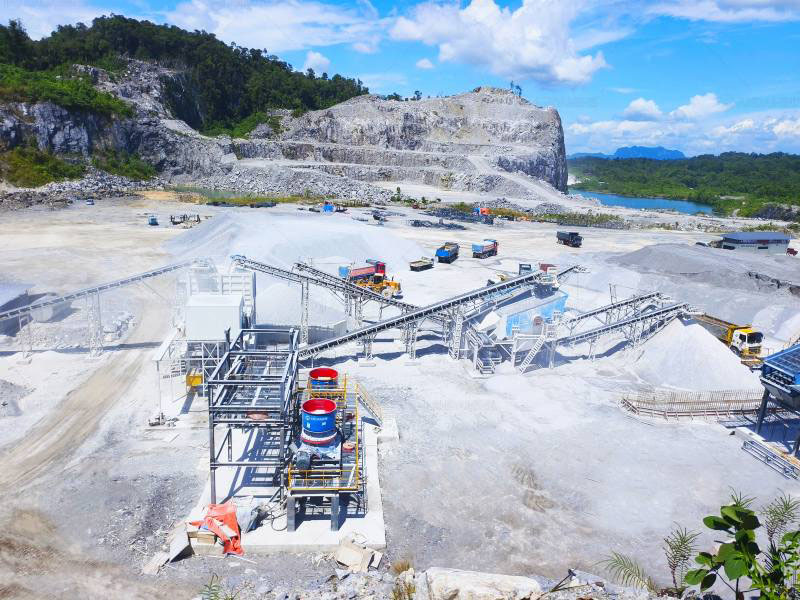
- Fixed crushing lines: Ideal for large, long-term projects. Pros: higher throughput, lower per-ton operational cost. Cons: limited flexibility, requires permanent infrastructure.
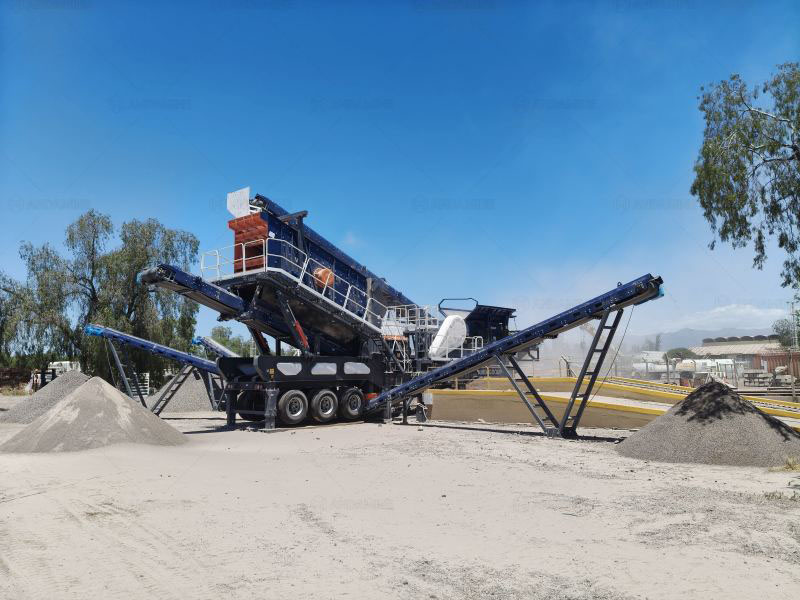
- Mobile limestone crushers: Suitable for projects with multiple sites or shorter durations. Pros: flexible deployment, faster setup. Cons: lower absolute capacity, higher per-ton costs.
- Budget and operational considerations: Evaluate both upfront investment and long-term efficiency when choosing between fixed and mobile crushing solutions.
Align crusher mobility and site layout with project duration, accessibility, and production goals to maximize operational efficiency.
Evaluate Key Purchase Metrics
- Throughput: Ensure the machine can consistently meet the required TPH without overloading.
- Energy efficiency: Crushers with optimized design or variable-speed drives reduce electricity consumption per ton.
- Maintenance requirements: Assess part replacement frequency, availability of local service, and ease of maintenance.
- Total cost of ownership: Factor in installation, operation, maintenance, spare parts, and expected lifespan.
Prioritize long-term efficiency over initial purchase cost of limestone crusher plant. A higher-quality investment can reduce downtime, energy use, and wear costs over time.
Workflow and Site Integration
- Ensure the crusher fits seamlessly into the production line layout to minimize transport distances.
- Verify compatibility with existing conveyors, screens, or storage bins.
- Incorporate dust control, noise reduction, and environmental compliance measures.
Proper integration with the workflow ensures smooth operations, reduces interruptions, and maximizes overall efficiency.
On-Site Limestone Crushing Projects: Proven Solutions Across Multiple Applications
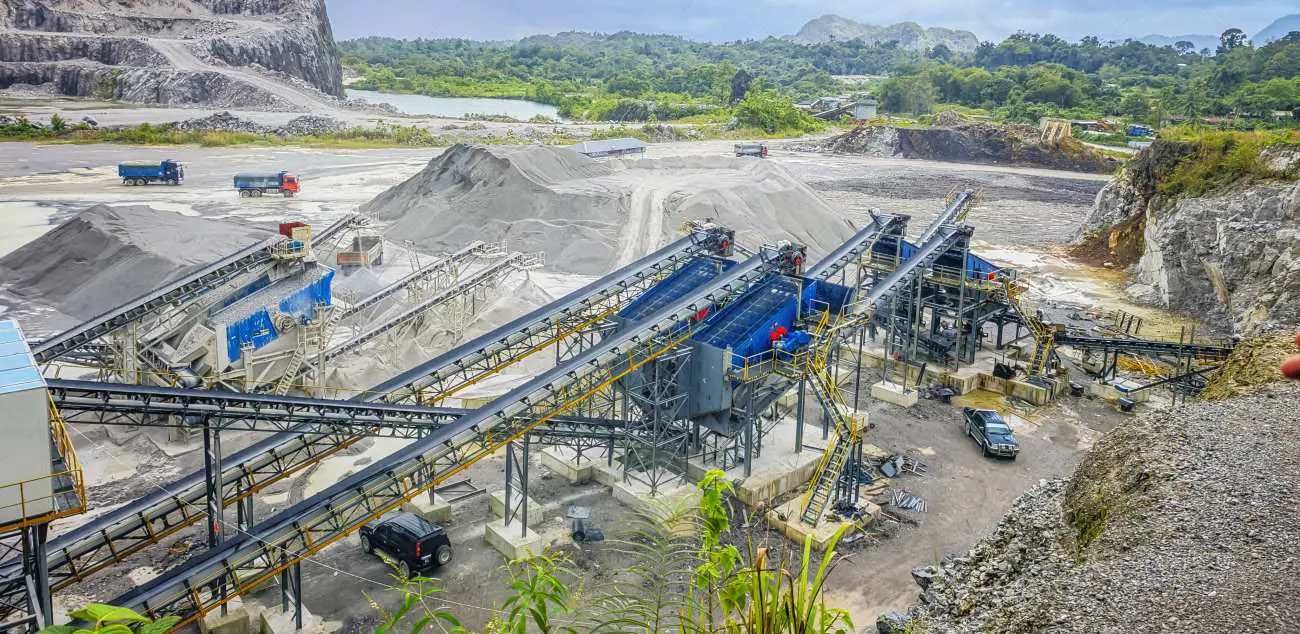
Customized 600T/H Limestone Crushing Solution for Malaysian Client
In January 2025, a 600t/h stationary limestone crushing plant began operation in East Malaysia, supplying aggregates for road construction. The plant has since operated smoothly, delivering consistent output and stable profits.
Customer Concerns:
- Achieving a good cost-performance ratio.
- Ensuring timely local after-sales service.
Our Solution:
- Local Service Guarantee: Branch office in Malaysia for prompt support.
- Professional On-site Support: Engineers assisted with installation, commissioning, and operational guidance.
- Reliable Operations: Spare parts supply and technical support minimize downtime.
Plant Configuration:
Jaw Crusher → Cone Crusher → Vibrating Screen → Transfer Silo → Centralized Control Room.
Key Advantages:
- Durable Design: Steel structures for stability.
- Weather Adaptable: Rust-proof for humid, rainy climate.
- Smart Operation: Real-time monitoring ensures efficient, uninterrupted production.
- Consistent Output: 600t/h with uniform particle size for construction aggregates.
Results:
- Target throughput consistently achieved.
- ROI improved through high efficiency and low downtime.
- Local support minimized operational interruptions.
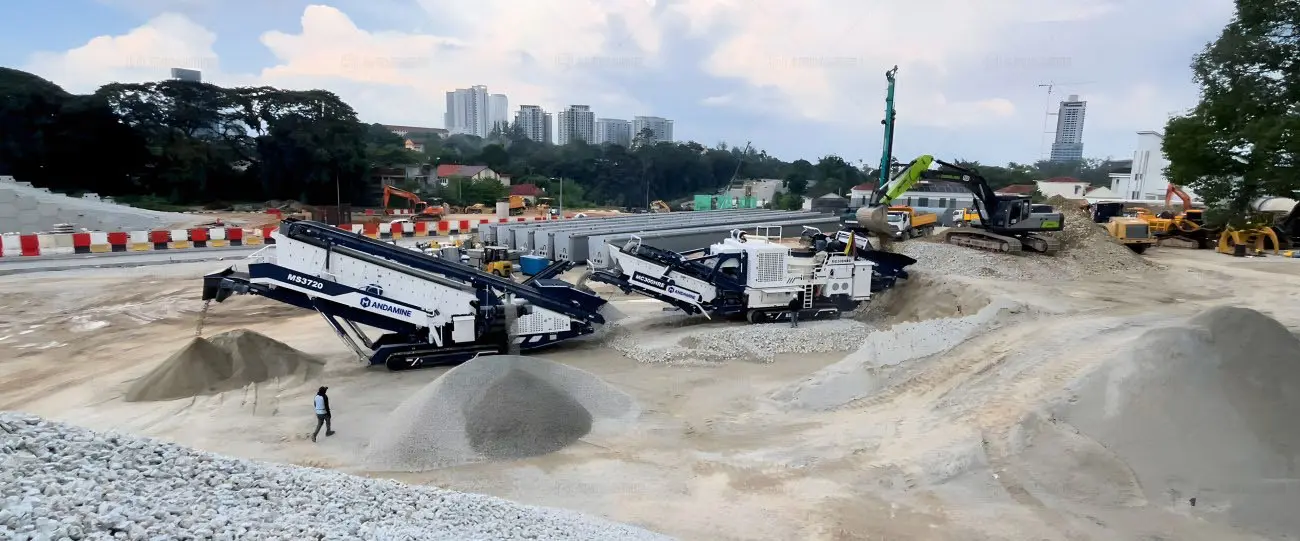
100–200T/H Crawler-Type Mobile Limestone Crusher for Sale in Malaysia
In March 2025, a 100–200T/H crawler-type mobile limestone crusher plant was delivered to Malaysia for commercial aggregate production. The plant produces finished aggregates of 5–10 mm, 10–20 mm, and 20–40 mm, turning oversized quarry stones into valuable materials for sale.
Key Configuration:
- Tracked Mobile Chassis: ensures stable movement across rough terrain and direct deployment at the quarry site.
- Cone Crusher: efficiently crushes hard limestone into controlled particle sizes.
- Screening Plant: separates aggregates into desired size fractions.
- Integrated Conveying System: smooth material transfer between crushers and screens.
Operational Highlights:
- High Flexibility: Mobility allows operation directly at the raw material site, minimizing transport costs.
- Efficient Production: Delivers 100–200T/H with consistent quality for commercial sale.
- User-Friendly: Easy operation with minimal setup, suitable for challenging quarry conditions.
Customer Feedback:
“We used the tracked mobile cone crusher and screening plant to crush oversized stones from our quarry. Now we turn them into smaller, valuable materials for sale. The equipment is easy to operate and works well on tough rocks.”
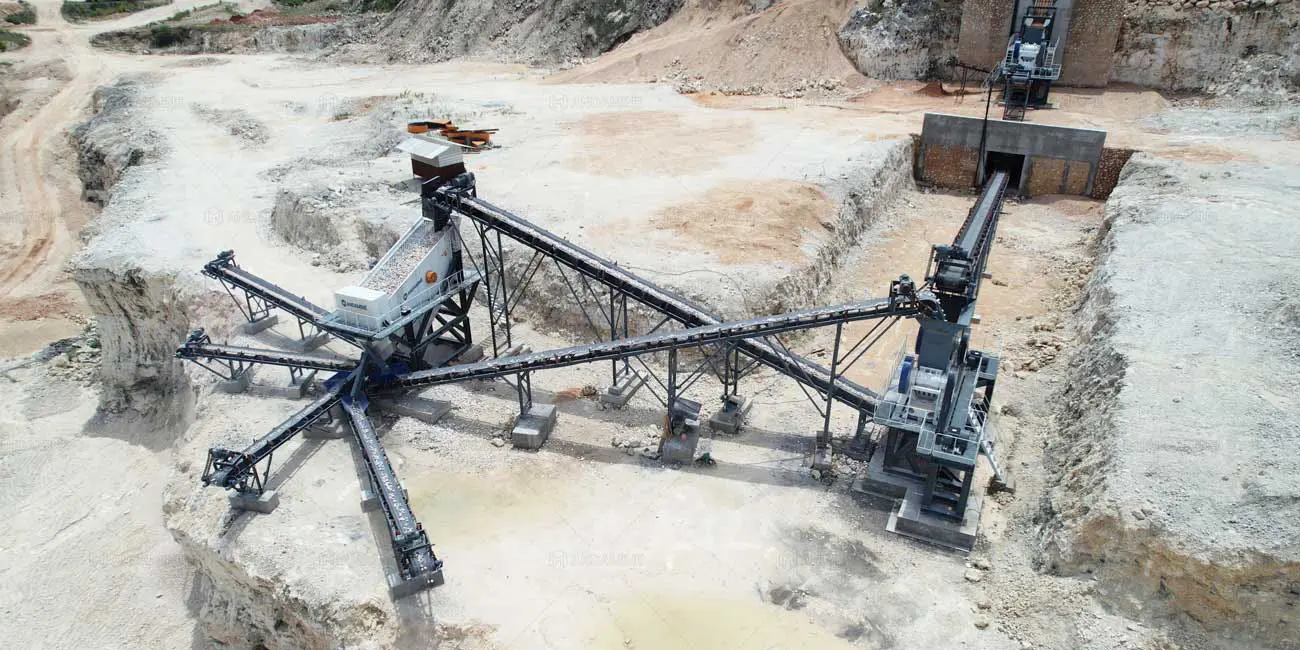
200T/H Stationary Limestone Crushing Plant in Indonesia for Construction Aggregates Production
A 200T/H stationary limestone crushing plant was installed in Indonesia to produce construction aggregates with finished sizes of 0–5 mm-12 mm-19 mm. The plant is designed to deliver consistent output while meeting the specific production requirements of local construction projects.
Configuration:
Vibration feeder, jaw crushers, conveying belts, vibrating screen, etc.
Operational Highlights:
- Customized Production: Tailored configuration meets specific aggregate size and output needs.
- High Efficiency: Stable 200T/H output with precise grading.
- Ease of Operation: Remote control improves workflow efficiency and reduces manual intervention.
Customer Feedback:
“Andamine stationary crusher plant provides a limestone crushing solution perfectly suited to our production needs. The equipment’s remote control feature allows us to regulate dosing speed easily, making operation very convenient.”
Limestone Crusher Machine Price and Buying Guide
Understanding the price of a limestone crusher machine goes beyond the sticker price. Buyers need to see how costs break down, which factors account for the largest share, and how these influence ROI. Here’s a practical guide to help make informed purchasing decisions.
Typical Cost Breakdown of a Limestone Crusher
| Cost Component | Approx. % of Total Price | Notes |
|---|---|---|
| Main Machine (crusher unit) | 45–55% | Jaw, cone, or impact crusher; capacity determines base price. |
| Auxiliary Equipment | 20–25% | Feeders, conveyors, screens, silos, control systems. |
| Installation & Commissioning | 10–15% | On-site setup, electrical connections, civil works. |
| Optional Features & Automation | 5–10% | Dust suppression, wear-resistant parts, PLC control panels. |
| Shipping & Taxes | 5–10% | Depending on domestic or imported equipment. |
Note: These percentages are based on industry averages from global crushing equipment reports (e.g., Global Crushing Equipment Market, 2025).
How Supplier Selection Affects Total Cost
- Warranty and After-Sales Service: A 1–3% premium on purchase price can reduce long-term maintenance costs by 20–30%.
- Spare Parts Availability: Quick access to wear parts prevents downtime that can cost thousands or more per day for high-capacity plants.
- Local vs Imported Suppliers: Domestic suppliers may offer 10–20% lower upfront cost but imported machines often reduce energy and maintenance expenses by 5–15% annually.
ROI and Operational Cost Considerations
| Metric | Typical Range / Impact | How It Matters |
|---|---|---|
| Daily Throughput (TPH) | 50–600 TPH | Determines how quickly investment is recouped. |
| Energy Consumption | 0.8–1.5 kWh per ton of limestone | Directly affects operational costs. |
| Maintenance Cost | 5–10% of annual operational budget | High-quality crushers reduce downtime and parts replacement. |
| Payback Period | 1–3 years (for medium-to-large capacity plants) | Quick ROI is critical for project planners. |
Requesting Accurate Quotes – Data You Need to Provide
- Material characteristics: hardness, moisture, abrasiveness.
- Feed size and target particle size.
- Expected production capacity (TPH/day).
- Site conditions: indoor/outdoor, humidity, temperature.
- Optional features desired: automation, dust suppression, remote control.
Providing this information ensures limestone crusher manufacturers can give a realistic, all-inclusive quote and helps you compare machines on total cost of ownership, not just initial price.
Maintenance and Operation Best Practices
Proper maintenance and operation are crucial for ensuring the long-term reliability, efficiency, and safety of a limestone crusher machine. Neglecting maintenance can lead to unexpected downtime, higher repair costs, and reduced product quality. The following best practices help plant owners maximize output and extend equipment life.
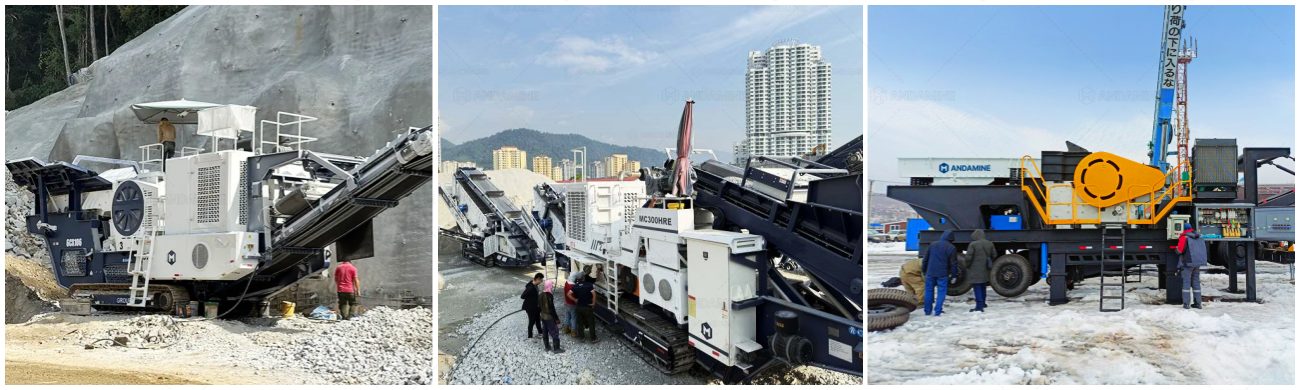
Daily and Scheduled Maintenance Routines
- Lubrication: Check and refill bearings, gears, and moving parts daily or per manufacturer guidelines. Use the recommended type of lubricant to prevent premature wear.
- Wear Part Inspection: Regularly inspect jaw plates, cone liners, impact hammers, and screens. Replace worn components before they compromise crushing efficiency or produce inconsistent material size.
- Structural Checks: Inspect bolts, frame welds, and conveyors for loose parts or signs of fatigue. Ensure dust hoods, guards, and covers are intact.
- Scheduled Overhauls: Perform comprehensive maintenance every 3–6 months, including belt alignment, motor checks, and hydraulic system inspection.
Common Problems and Troubleshooting
- Vibration or Unusual Noise: Often caused by misalignment, worn bearings, or loose bolts. Early detection prevents major damage.
- Material Jamming: Check feed consistency, remove oversized blocks, and ensure the limestone crusher is not overloaded.
- Spalling or Cracking of Crusher Parts: Caused by abrasive materials or sudden impacts; replace affected parts promptly and check feed size control.
- Electrical or Hydraulic Failures: Monitor motor load, control panels, and hydraulic pressure; follow crusher plant manufacturer troubleshooting procedures.
Extending Crusher Life Through Best Practices
- Feed Control: Maintain consistent feed size and avoid sudden surges that can stress the machine.
- Optimal Operating Settings: Adjust crusher speed, gap, and crushing force according to material type.
- Avoid Overloading: Exceeding capacity leads to accelerated wear, downtime, and increased energy consumption.
- Environmental Protection: Keep the crushing area free of excessive dust and moisture, which can cause corrosion and component degradation.
Safety Considerations
- Safe Start-Up and Shut-Down Procedures: Follow step-by-step start-up and shutdown sequences to prevent mechanical shock or electrical hazards.
- Lock-Out / Tag-Out (LOTO): Ensure power sources are isolated during maintenance to prevent accidental startup.
- Operator Training: Train personnel in emergency procedures, correct handling of materials, and daily safety checks.
- Personal Protective Equipment (PPE): Hard hats, gloves, safety glasses, hearing protection, and steel-toed boots are essential for on-site safety.
Future Trends in Limestone Crushing Technology
The limestone crushing industry is rapidly evolving. Businesses and companies need to stay informed about automation, energy efficiency, and regulatory compliance to improve productivity, reduce costs, and plan future upgrades.
Intelligent Crushers and Automation
- Modern crushers integrate remote monitoring, automatic feed adjustment, and predictive maintenance, reducing downtime and operator intervention.
- Automation helps maintain consistent particle size and throughput, even under varying material conditions.
- Market insight: The global smart crushing equipment market is projected to grow at a CAGR of 8.2% through 2030 (According to MarketsandMarkets, 2025).
Energy-Saving and Eco-Friendly Solutions
- Energy-efficient crushers consume 10–25% less electricity than conventional models (Insights from IEA, 2024).
- Innovations include optimized rotor design, high-efficiency motors, and wear-resistant components, which reduce both costs and carbon footprint.
- Dust suppression and noise reduction systems also help meet environmental regulations.
Environmental & Regulatory Compliance
- Stricter global standards require crushers to control dust emissions, noise, and site impact.
- Enclosed crushing chambers, wet dust suppression, and controlled conveyors are now common solutions.
- Compliance reduces fines, production interruptions, and community complaints.
Smart Production Lines and Digital Integration
- IoT sensors and integrated management software allow operators to track equipment health, optimize throughput, and forecast maintenance.
- Data-driven adjustments improve efficiency, reduce wear, and maintain consistent product quality.
- Operational efficiency improvements of 15–20% are reported for crushing plants adopting Industry 4.0 solutions.
Conclusion & Next Steps
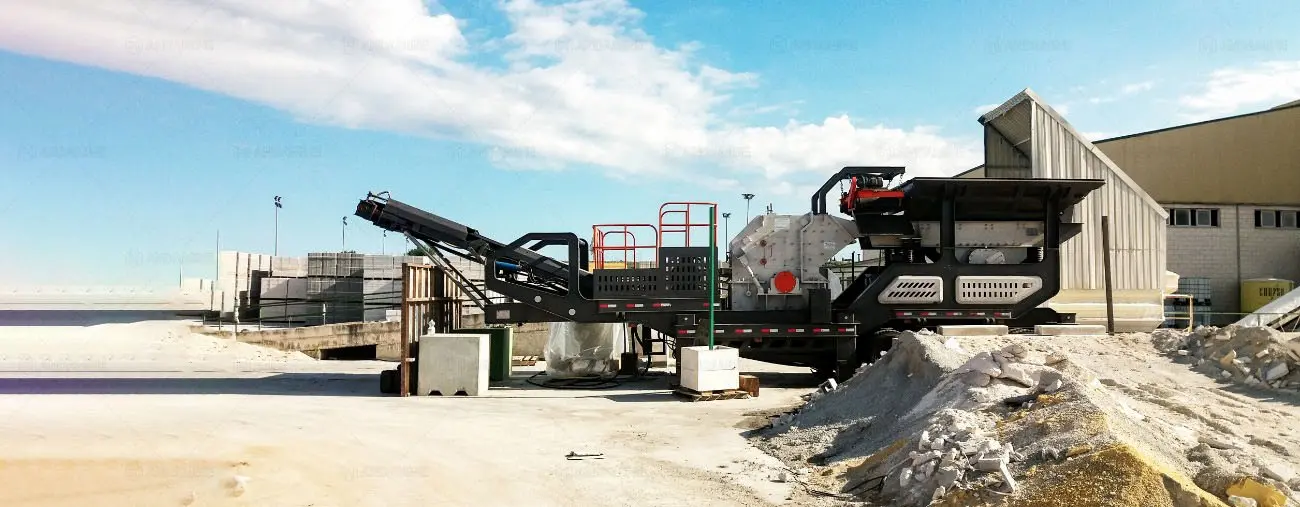
Choosing the right limestone crusher requires considering material characteristics, crusher type, workflow, and maintenance to ensure consistent output, efficiency, and long-term cost savings.
For businesses planning a limestone crushing project, contact us today for expert guidance, tailored configurations, and detailed quotes. Our team can help you select the most suitable solution to maximize performance, reduce operational risks, and achieve the best return on investment.