In the fields of mining exploitation, construction aggregate processing and solid‑waste recycling, crushing equipment is known as the “heart” of mining engineering. Nevertheless, in practical production, many mining enterprises frequently encounter challenges including below‑expectation equipment capacity, rapid liner wear, excessive over‑crushing and frequent jamming. Fundamentally, these problems mostly stem from insufficient matching between crushing‑equipment design and the physico‑mechanical properties of the processed rock.
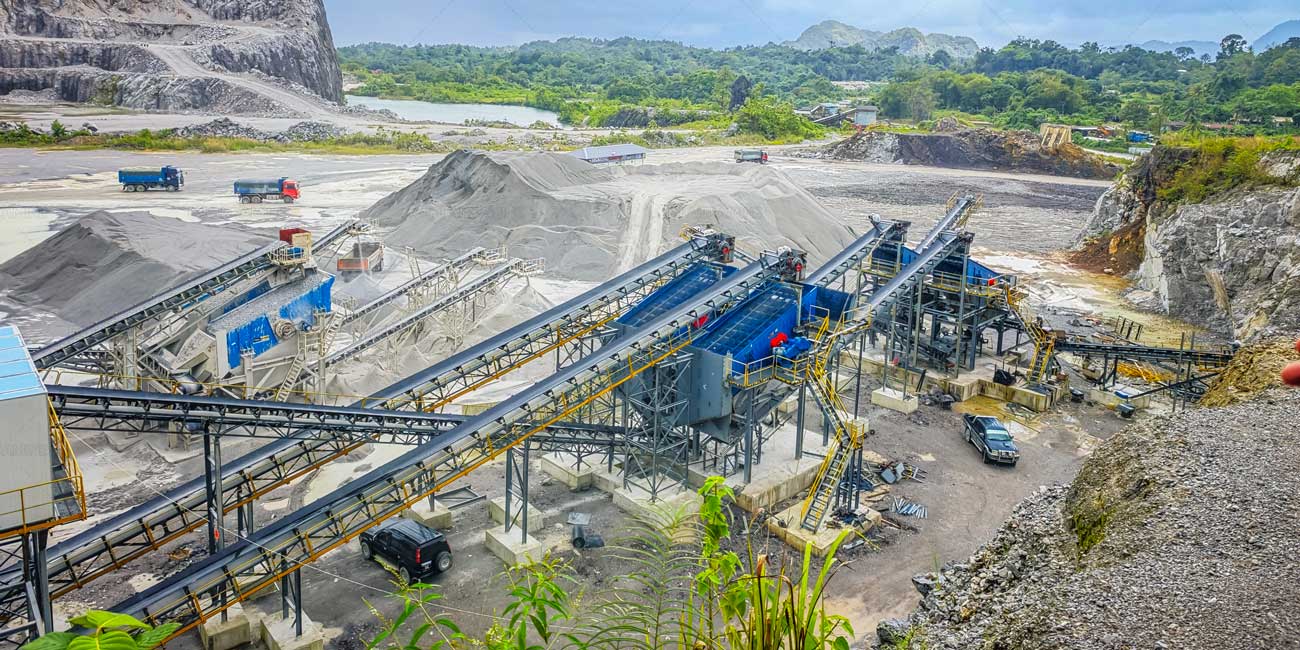
Rocks differ greatly in compressive strength, abrasiveness, moisture content, stickiness and joint development. Accurate structural design of crushing equipment, matching of process parameters and material selection for various rock types hold the key to improving mining production efficiency and cutting comprehensive ton‑ore costs. This article explores in‑depth how to design crushing equipment tailored for different rock types from perspectives including rock‑property diagnosis, equipment‑selection mapping, core‑component optimization and material engineering.
Analysis of Physical Properties of Rock
Prior to any engineering design or system selection of crushing equipment, thorough physico‑mechanical property tests must be carried out on target rock. Rock properties directly determine required impact energy, structural strength, crushing‑chamber profile and wear‑part material for crushers.
Rock Hardness and Uniaxial Compressive Strength (UCS)
Uniaxial Compressive Strength (UCS) and Mohs Hardness serve as core indicators defining crusher structural rigidity and driving power:
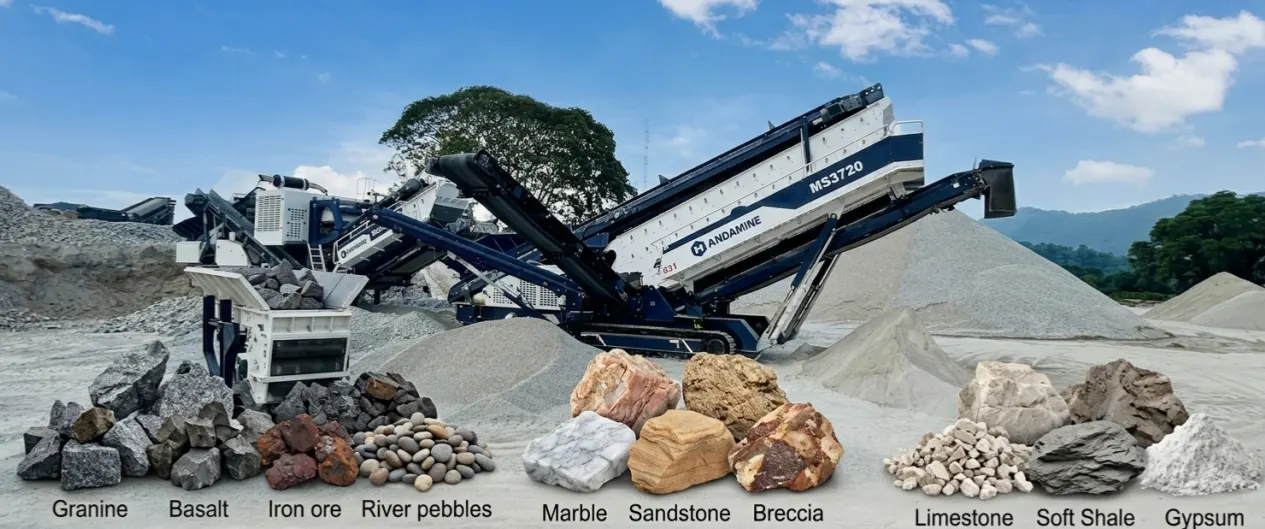
- Extra‑hard rock (UCS > 200 MPa, Mohs Hardness > 6.5): granite, basalt, diabase, river pebbles, iron ore. Crushing such rock demands equipment with extremely high structural stress resistance and large instantaneous squeezing force.
- Medium‑hard rock(100 MPa ≤ UCS ≤ 200 MPa, Mohs Hardness 4‑6.5): marble, sandstone, breccia. Equipment design shall balance crushing ratio and energy consumption.
- Soft rock(UCS < 100 MPa, Mohs Hardness < 4): limestone, dolomite, shale, gypsum, coal. Design priorities focus on high throughput, low energy consumption and over‑crushing prevention.
Rock Abrasiveness Index (Ai)
Rocks with high silica content (> 60 %), e.g. quartzite and high‑silica granite, feature strong abrasiveness. Impact‑type crushing will trigger rapid failure of wear‑resistant components. In design, impact crushing shall be strictly limited, and compression‑crushing principles shall be prioritized.
Rock Moisture, Stickiness and Joint Structure
- Moisture and mud content: when ore moisture exceeds 5‑8 % with substantial clay content, materials tend to adhere and accumulate inside crushing chambers, causing discharge‑aperture blockage known as “chamber pasting”.
- Joint development: bedded and joint‑rich rocks tend to split along weak planes under force. This feature may be utilized in design to optimize crushing cutting angles and reduce energy consumption.
Crushing Principles and Equipment Matching for Various Rock Types
After clarifying rock physico‑mechanical properties, the core of designing an efficient crushing system lies in selecting combinations of primary, secondary and tertiary crushers suited to rock conditions. According to rock‑fracture mechanisms, crushing forces fall into four categories: compression, impact, shear and attrition.
Below is the complete matching logic for crushing‑equipment selection against different rock properties.
Crushing‑scheme Design for Extra‑hard and Highly Abrasive Rock
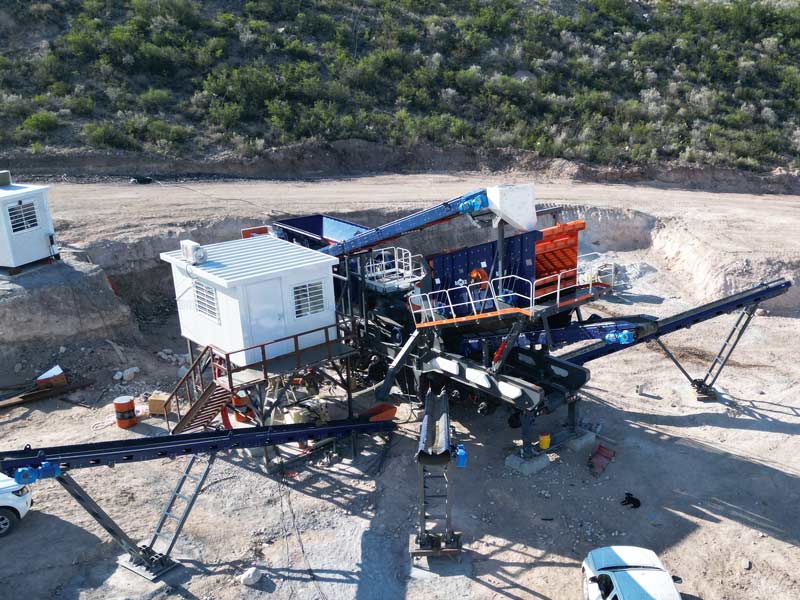
For extremely difficult‑to‑break materials such as granite and basalt, equipment design shall follow the principle of “replace impact with compression; more crushing, less grinding”.
- Primary crushing: heavy‑duty deep‑chamber jaw crusher. Optimize nip angle (generally 18°‑22°) to prevent bouncing or slipping of large hard rock lumps during feeding.
- Secondary & tertiary crushing: hydraulic cone crusher. High‑frequency squeezing and inter‑particle laminar crushing fracture rocks along grain boundaries. It drastically reduces wear‑part consumption and improves cubicity of finished products.
- Shaping stage: Vertical Shaft Impact crusher (VSI) equipped with rock‑on‑rock rotor centrifugal crusher cascading‑feed structure. High‑velocity rock‑to‑rock collision realizes self‑crushing and shaping while protecting rotor liners.
Crushing‑scheme Design for Medium‑hard to Soft Rock with Medium‑to‑low Abrasiveness
For limestone, dolomite and similar rock with moderate compressive strength and low abrasiveness, design targets focus on large crushing ratio, low energy consumption and one‑step forming.
- Recommended solution: heavy‑duty horizontal shaft impact crusher.
- Working mechanism: high‑speed rotating rotor drives blow bars to deliver high‑energy impact on incoming rock; materials are hurled onto impact plates for secondary collision and fragmentation. Impact crushers achieve a crushing ratio of 10‑20, greatly simplifying production‑line workflows and lowering capital investment.
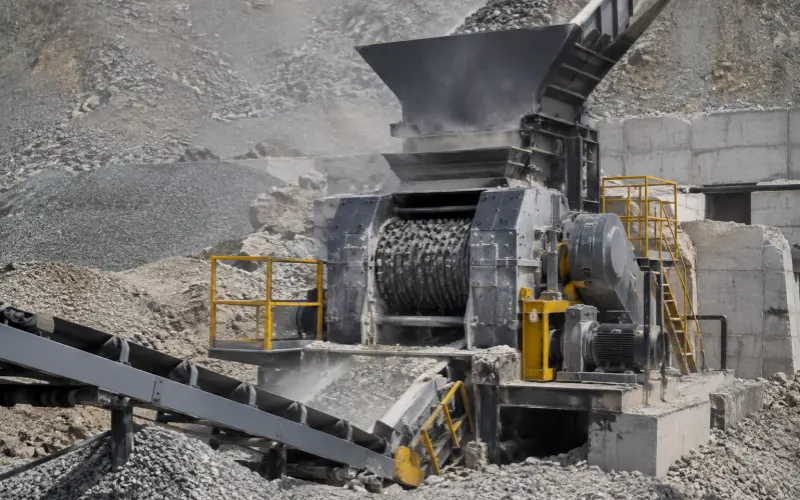
Anti‑clogging Crushing‑scheme Design for High‑moisture and Highly Sticky Rock
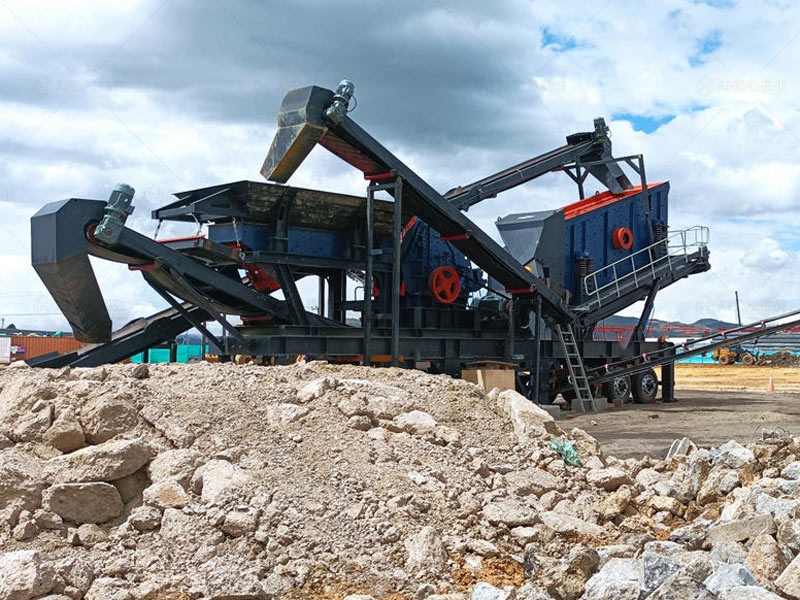
When processing clay‑rich soft ores such as wet limestone, lignite or clay‑bearing gold ore, conventional jaw and cone crushers are highly vulnerable to “chamber pasting”.
- Recommended solution: double‑roll crusher or heavy‑duty toothed‑roll crusher.
- Structural advantages: counter‑rotating rolls generate shear and tensile forces to nip and fracture feed material. Roll teeth feature self‑cleaning performance with comb‑type scraper assemblies, effectively preventing accumulation of sticky wet material in tooth gaps.
Core‑equipment Structure and Parameter Optimization for Different Rock Properties
Once equipment types are determined, in‑depth equipment design requires precise matching of core structural components and kinetic parameters.
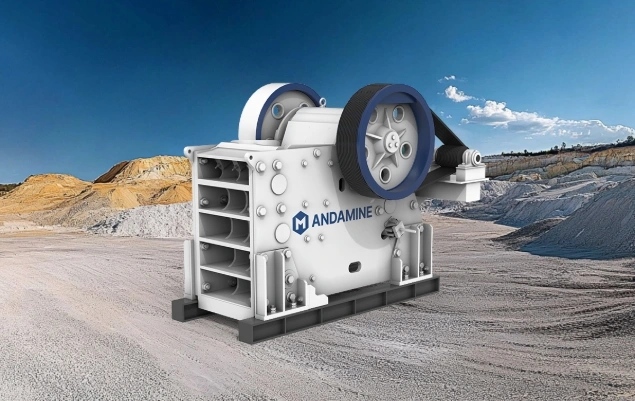
Jaw Crusher: Differentiated Chamber Design for Hard Rock and Soft Rock
- Hard‑rock configuration: Symmetrical V‑shaped deep crushing chamber, matched with small eccentric‑shaft stroke and comparatively high rotating speed. A reduced nip angle stops hard rock from bouncing upward under compression. Meanwhile, frame, connecting rod and bearing assemblies are structurally reinforced to enhance load‑bearing rigidity for heavy‑duty hard‑rock crushing.
- Soft‑rock / high‑throughput configuration: Curved stepped jaw‑plate chamber profile. Larger lower‑stroke close to discharge opening speeds up material evacuation. This chamber geometry cuts material retention time inside the cavity, delivering substantially higher processing capacity for soft ores and bulk feed.
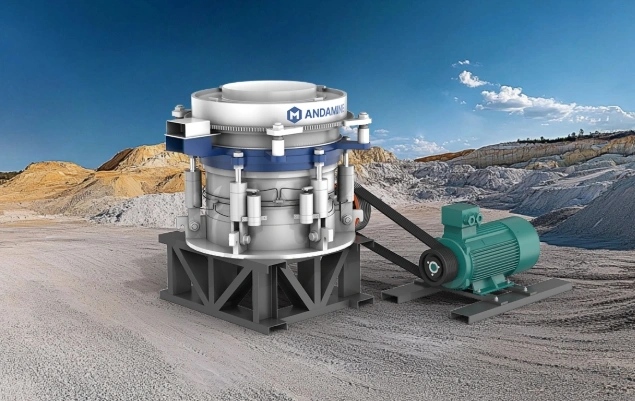
Cone Crusher: Laminar Crushing and Chamber‑profile Optimization
For secondary‑tertiary crushing of hard rock, cone‑crusher design prioritizes maximizing laminar‑crushing performance.
- Eccentric throw and stroke: For extra‑hard rock, small eccentric throw plus high rotating speed raises compression cycles within crushing chamber. For medium‑hard rock, larger eccentric throw and stroke are adopted to lift hourly material throughput.
- Parallel‑zone design: Parallel‑zone length near discharge aperture governs final product‑size distribution. When producing high‑standard aggregate with strict limits on flaky & elongated particles, extend the parallel zone appropriately, so every particle gets at least one compressive shaping cycle before discharge.
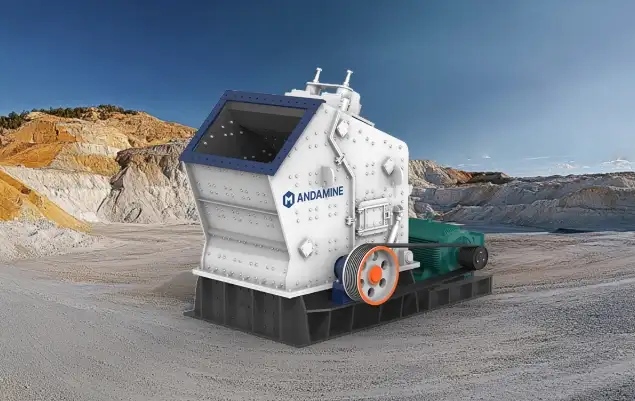
Impact Crusher: Rotor Inertia and Progressive‑chamber Design
- Rotor design: Rotor delivers kinetic energy for impact crushing. For fairly hard limestone, heavy integral cast‑steel rotor with high moment of inertia achieves high‑energy one‑shot fragmentation. For soft rock applications, lightweight welded box‑type rotors are available to cut total equipment weight and operating energy consumption.
- Impact‑plate chamber layout: Three‑stage progressive impact crushing chamber. The first chamber completes primary impact splitting; the second executes further fracture breaking; the third calibrates final particle shape. Gradual chamber‑volume shrinkage supports stable, step‑by‑step material comminution for qualified cubical end products.
Intelligent Dynamic‑parameter Adaptation Design
Conventional crushers with fixed parameters cannot cope with on‑site fluctuations of rock hardness and moisture. Built‑in intelligent dynamic‑adjustment systems on the basis of standardized structural design represent a key upgrade solution for high‑efficiency, low‑consumption and stable production across variable working conditions.
Intelligent Adjustment for Hard‑rock Working Conditions
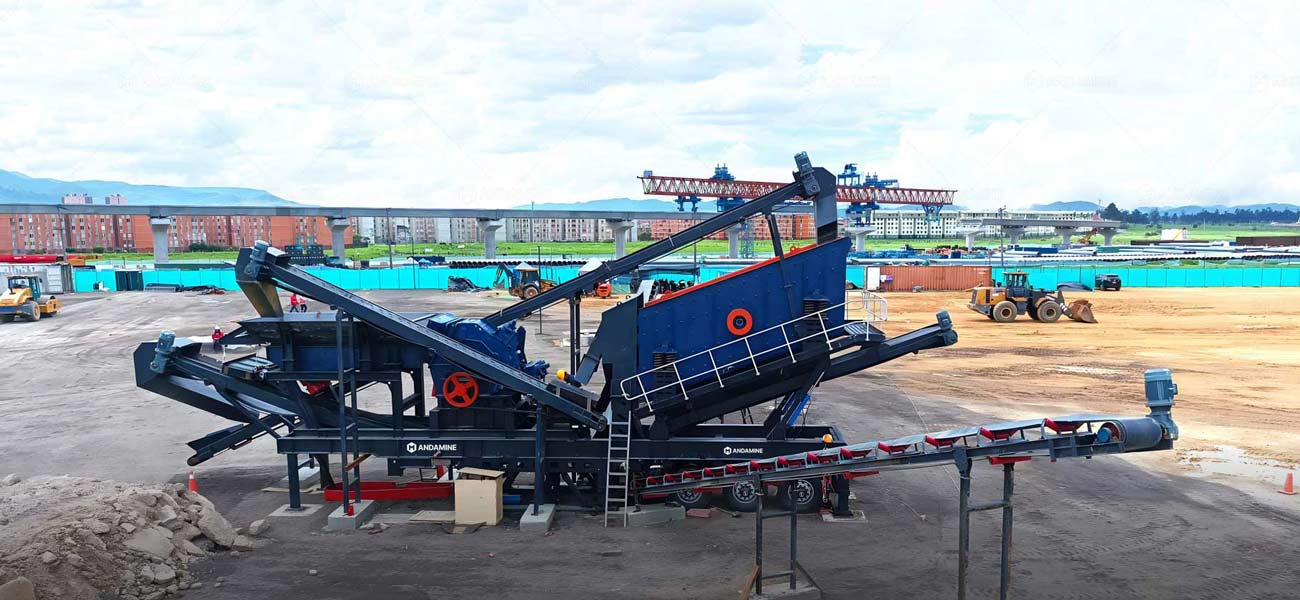
For high‑hardness ore with variable feed properties, ANDAMINE intelligent crushing equipment is fitted with high‑precision material‑identification sensors and load‑monitoring systems. It monitors real‑time chamber pressure and motor load, and dynamically adjusts spindle speed, feed rate and discharge‑aperture clearance.
When extra‑hard rock lumps are detected, the system automatically reduces feeding speed and raises compression frequency to avoid overload jamming and frame deformation. Under regular hard‑rock conditions, stable output is maintained while balancing crushing efficiency and equipment wear.
Intelligent Anti‑over‑crushing Control for Soft‑rock Working Conditions
Tailored for soft‑rock characteristics, the ANDAMINE intelligent control system optimizes crushing frequency and impact intensity. By monitoring finished‑product granularity in real‑time, it widens discharge clearance and lowers rotor impact frequency. Under sufficient fragmentation, useless grinding is minimized, over‑crushing is strictly controlled, and qualification rate and gradation accuracy of final aggregate are significantly improved.
Intelligent Anti‑clogging Early Warning for Wet‑sticky Rock
For high‑moisture, sticky feeds, temperature, humidity and material‑accumulation sensors are deployed. Real‑time monitoring covers material build‑up inside crushing chambers and on screening decks. Upon detecting early signs of adhesive blockage, self‑cleaning devices activate automatically, equipment speed is adjusted and warning alerts are triggered. This eliminates chamber pasting and unplanned downtime at source and secures continuous production with wet feeds.
Common Industry Design Pitfalls and Optimization Solutions
Most operational pain points in mining derive from mismatches between equipment design and rock properties. Summarizing typical pitfalls and corresponding optimization measures greatly enhances production‑line stability and cost‑effectiveness.
Pitfall 1: Universal Equipment for All Rock Categories
Many operators deploy standard universal crushers expecting them to handle hard rock, soft rock and sticky wet feeds simultaneously. Consequences include fast wear on hard‑rock applications, severe over‑crushing for soft rock and frequent blockages with wet materials.
Optimization: adhere to the “one‑rock‑one‑solution” principle. ANDAMINE customizes crushing‑chamber profiles, wear‑resistant materials, power parameters and intelligent logic according to hardness, abrasiveness and moisture of the primary processed rock. Secondary‑variant feeds are handled by auxiliary modules, eliminating production risks caused by compromised universal‑purpose design.
Pitfall 2: Over‑emphasis on Nominal Parameters While Neglecting Material Matching
Blind pursuit of high capacity and high‑power units ignores compatibility between wear‑part materials and rock abrasiveness. Subsequent operation‑and‑maintenance costs surge and far exceed original equipment‑price differentials.
Optimization: material selection is embedded as a core step within ANDAMINE solution design. Alloy‑reinforced wear components are supplied for highly abrasive rock; cost‑effective standard materials are adopted for low‑abrasion rock. Equipment performance, component service life and operating costs are precisely balanced to deliver optimal configurations for each working condition.
Pitfall 3: Upgrading Main Units Only Without Upgrading Supporting Systems
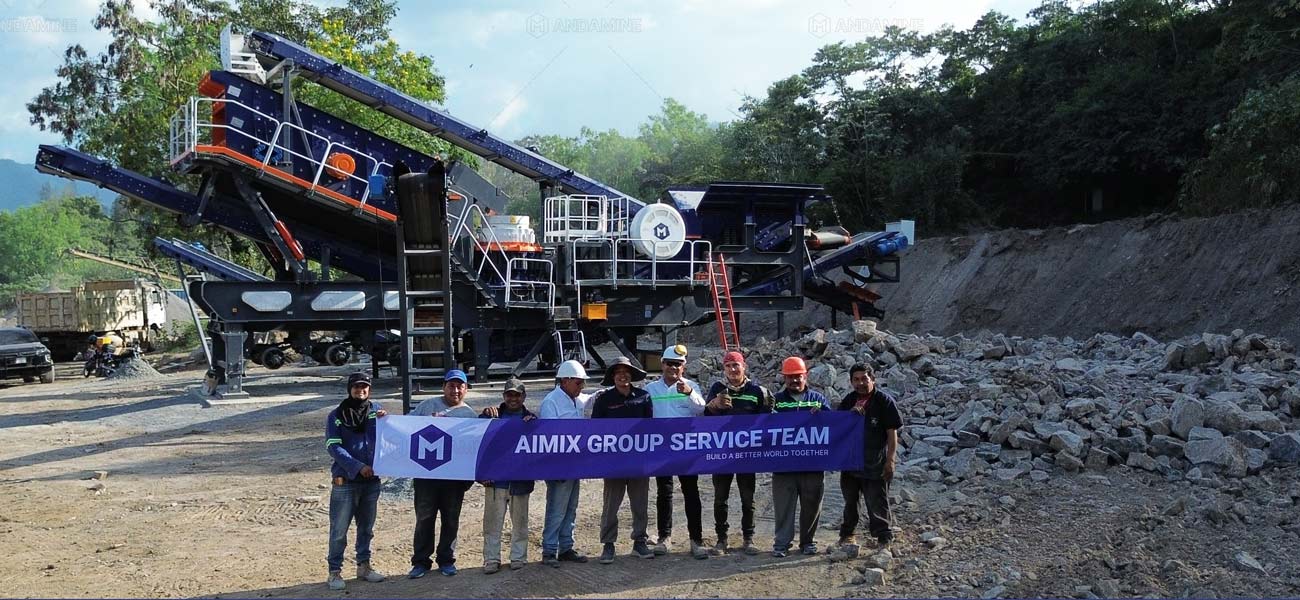
We offer integrated mobile crushing plants with capacities ranging from 50 t/h (for small-scale urban construction waste recycling) to 600 t/h (for large-scale open-cast mining projects), combining feeding, crushing and screening processes to comprehensively reduce your operating costs per tonne.
What are the costs involved in setting up a crushing plant?
Optimization: ANDAMINE implements integrated “main unit + auxiliary equipment + intelligent system” design. When main crushers are upgraded, feeding, screening, dust‑collection and conveyor subsystems are custom‑adapted synchronously. End‑to‑end process matching thoroughly solves bottlenecks, blockages and dust problems arising from system misalignment.
Customized crushing‑equipment design is a systematic engineering discipline centred on rock characteristics, built upon process adaptation and supported by material optimization, intelligent regulation and complete auxiliary‑system matching, rather than simple stacking of equipment parameters. This constitutes the long‑standing core philosophy guiding ANDAMINE equipment R&D and solution engineering.
From preliminary precise testing of rock hardness, abrasiveness, moisture and geological structures, through intermediate‑stage crushing‑mechanism matching, chamber‑profile & kinetic‑parameter tuning and custom wear‑part specification, to later‑phase intelligent dynamic adjustment, full‑process production‑line adaptation and special‑material targeted design: thorough adaptation at every link is critical for resolving industry‑wide pain points such as machine jamming, rapid wear, insufficient throughput and unqualified finished aggregate.
Against industry trends of fine‑grained aggregate production and solid‑waste resource utilization, moving away from generalized, crude equipment concepts and adopting ANDAMINE differentiated, custom‑built, rock‑oriented intelligent crushing solutions improves production‑line stability, cuts ton‑ore operational expenses and elevates finished‑aggregate quality. It maximizes project returns for mining exploitation, building‑material processing and solid‑waste recycling, and facilitates efficient, green and intelligent advancement of global mining and aggregate sectors.