Against the backdrop of the global mining industry’s continued growth, the volume of tailings and waste rock is increasing at a rate of over 10 billion tonnes per year. Traditional methods of stockpiling and landfill disposal not only consume vast amounts of land but also pose a range of environmental and safety risks, including dam failure, water and soil pollution, and ecological damage. Driven by the dual imperatives of green mine development and the tightening supply of natural sand and gravel resources, the high-value reuse of tailings and waste rock has evolved from an optional environmental measure into an inevitable industry trend.
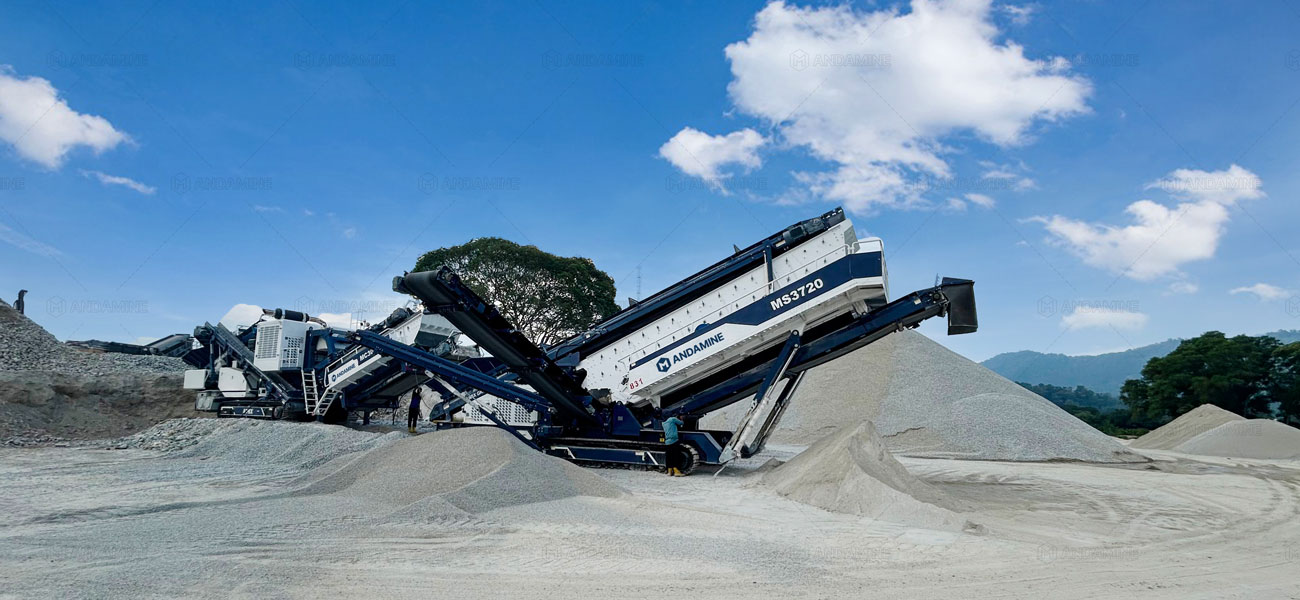
The key to transforming tailings and waste rock from a “burden of solid waste” into a “resource asset” lies in mature technical approaches, suitable processing methods and reliable equipment support. This article will systematically break down the end-to-end logic of high-value utilisation of tailings and waste rock, providing practical project solutions.
Industry Dilemmas and the Inevitability of Transformation for Global Tailings and Waste Rock Disposal
Tailings are fine-grained residues discharged after ore beneficiation, while waste rock refers to surrounding rock and low-grade rock stripped during mining. Together, they represent the two largest categories of solid waste in the mining industry. The decades-long dominant practice of stockpiling can no longer meet the development requirements of the industry.
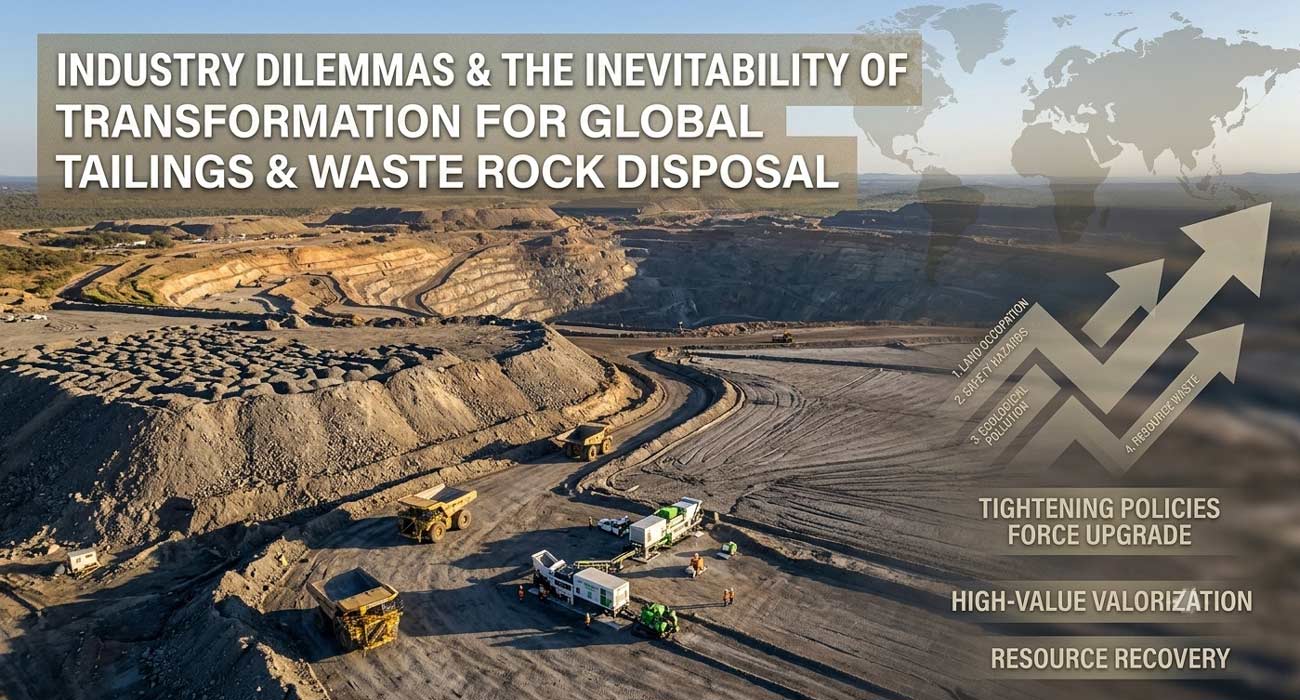
Growing Stockpiles and Multiple Environmental & Safety Risks
According to the International Council on Mining and Metals (ICMM), over 12 billion tons of mine solid waste are generated globally each year, with the cumulative stockpile exceeding one trillion tons, bringing risks:
- Land occupation: Large areas of arable land and forest are occupied by tailings ponds and waste dumps, and stockpiling sites are shrinking.
- Safety hazards: Tailings dam failures and waste dump landslides are major safety hazards, and have caused casualties and property losses in history.
- Ecological pollution: Heavy metals and sulfides in tailings can easily seep into soil and water, while dust from waste rock continuously pollutes the surrounding atmosphere and ecosystem.
- Resource waste: Utilizable sand, gravel minerals and valuable components in the materials are left idle, resulting in resource loss.
Tightening Policies Force Disposal Mode Upgrade
In recent years, major mining countries worldwide have upgraded their solid waste control regulations:
- China has included solid waste resource recovery as a core assessment indicator for green mine certification.
- The EU has revised its Mine Waste Management Directive, mandating enterprises to formulate recycling plans and tightening environmental access requirements for tailings ponds.
- Major mining countries such as Indonesia, Chile and South Africa have raised environmental taxes and safety access thresholds for waste stockpiling.
- The global popularization of the ESG (Environmental, Social, Governance) evaluation system means that solid waste disposal capacity directly affects enterprises’ financing eligibility and market valuation.
Core Values of High-Value Valorization
High-value valorization is not simply about consuming solid waste, but about converting it into marketable products. Its core values are reflected in four dimensions:
- Economic value: Generates revenue directly from products such as sand, gravel and building materials, while cutting costs for stockpiling operation and purchased aggregate.
- Compliance value: Meets solid waste reduction requirements, avoids environmental penalties, and enjoys tax reductions and special policy subsidies.
- Brand value: Helps enterprises build a green and sustainable image, improve ESG ratings and enhance industry influence.
- Resource value: Revitalizes stockpiled solid waste resources and eases the supply pressure from tightening natural sand and gravel resources.
After clarifying the value positioning, identifying suitable technical pathways and application scenarios is the primary prerequisite for all mining enterprises and resource recovery investors to advance projects.
Core Technical Pathways and Application Scenarios
Tailings and waste rock vary widely in composition, particle size and hardness, corresponding to different valorization pathways. Currently, there are four mainstream pathways in the industry, among which building material utilization has the largest consumption volume and the most mature technology, making it the first choice for most projects.
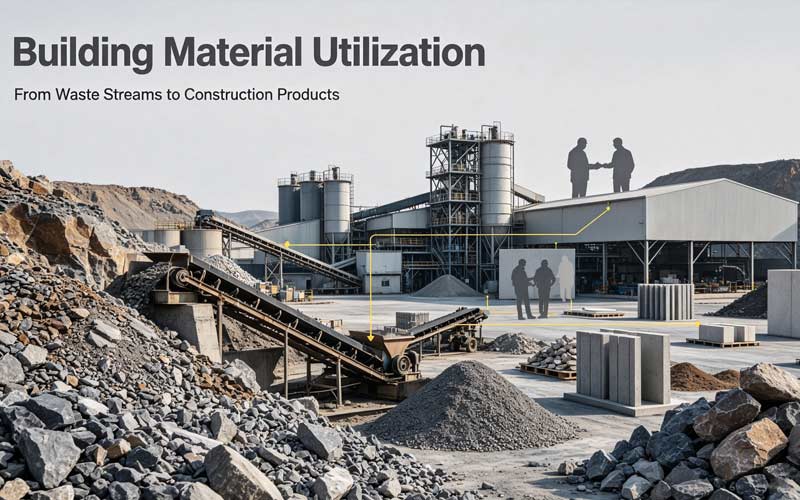
Building Material Utilization:
Building material utilization directly serves the infrastructure and real estate markets, with stable demand and mature technology. Its core directions fall into four categories:
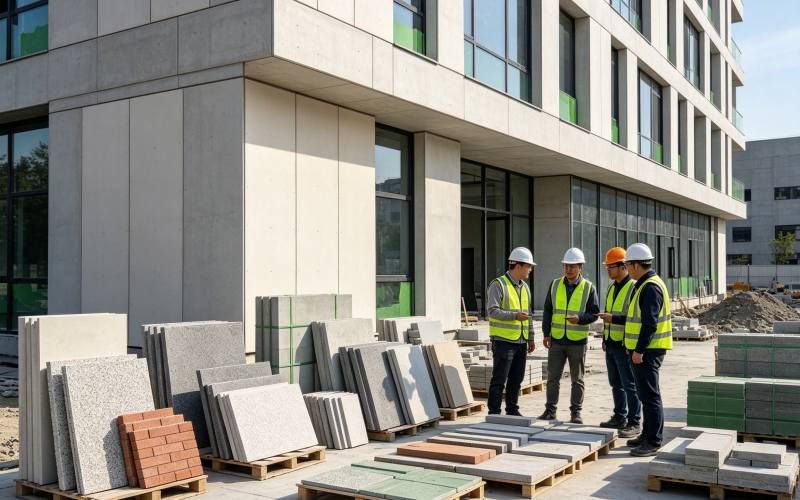
- Construction sand and gravel aggregate: Medium-hard and harder waste rock and coarse-grained tailings are processed into crushed stone and manufactured sand, replacing natural sand and gravel for various engineering projects.
- Wall and pavement materials: Fine-grained tailings can be processed into autoclaved bricks, permeable bricks, aerated blocks and other products, with higher added value than ordinary sand and gravel.
- Cement and concrete admixtures: Activated tailings, after grinding, can replace fly ash and slag powder, enabling large-scale consumption of fine tailings.
- High-value building material products: Can be used to produce glass-ceramics, ceramic raw materials and other products to further improve project profitability.
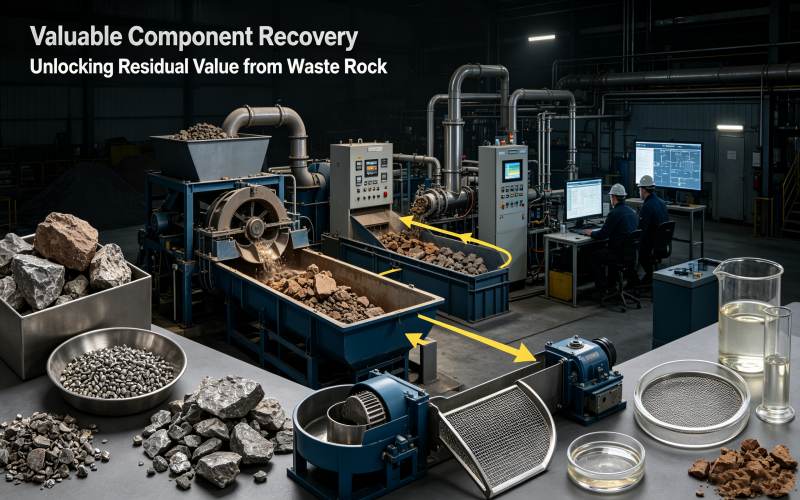
Valuable Component Recovery: Unlocking Residual Resource Value
Old tailings and low-grade waste rock still contain incompletely extracted resources, which can be recovered through two pathways:
- Metal mineral reprocessing: Combined processes such as gravity separation, flotation and magnetic separation are used to recover valuable metals including gold, copper, iron and rare earths, which not only generates high returns but also reduces heavy metal content in tailings.
- Non-metallic mineral purification: Non-metallic minerals such as quartz, feldspar, fluorite and kaolin are extracted and purified; some strategic minerals deliver far higher economic returns than ordinary building material products.
Mine Backfilling and Ecological Restoration
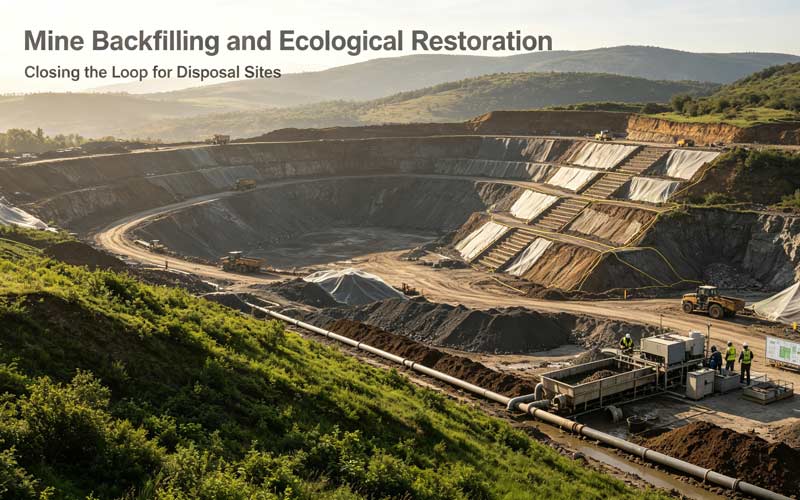
This is the core mode for closed-loop disposal of mine solid waste:
- Mine backfilling: Cemented backfilling mixes waste rock aggregate with tailings and cement to produce slurry, which is then backfilled into underground goafs, suitable for deep mining; dry backfilling directly fills crushed waste rock into pits, with low cost and large consumption volume, suitable for open-pit backfilling and terrain reshaping.
- Ecological restoration: Harmlessly treated tailings and waste rock can be used as filling materials for ecological restoration and land reclamation, solving the problem of earthwork sources after mine closure and reducing reclamation costs.
Emerging High-Value Application Directions
With technological iteration, application scenarios continue to expand into high-value fields:
- Production of environmental functional materials such as water treatment filter media and soil conditioners.
- Extraction of new energy minerals such as lithium and cobalt from selected tailings to serve the power battery industry chain.
- Production of new building material products such as 3D printing construction aggregates and low-carbon cementitious materials.
The diverse application scenarios correspond to strict quality standards. To stably produce products that meet market requirements, a scientific and adapted processing system is an indispensable core support.
Mainstream Processing Systems and Quality Control
Tailings and waste rock feature complex composition, uneven particle size and high abrasiveness, so their processing technology differs significantly from ordinary raw ore crushing. A complete high-value crushing plant processing process usually includes four core procedures, which can be flexibly combined according to product direction.
Core Process System
Pretreatment procedure:
Separates fine materials and soil through vibrating feeding and pre-screening, combined with iron removal and desliming washing, to stabilize feed properties and protect downstream equipment. It is an essential step for materials with complex composition.
Crushing and screening:
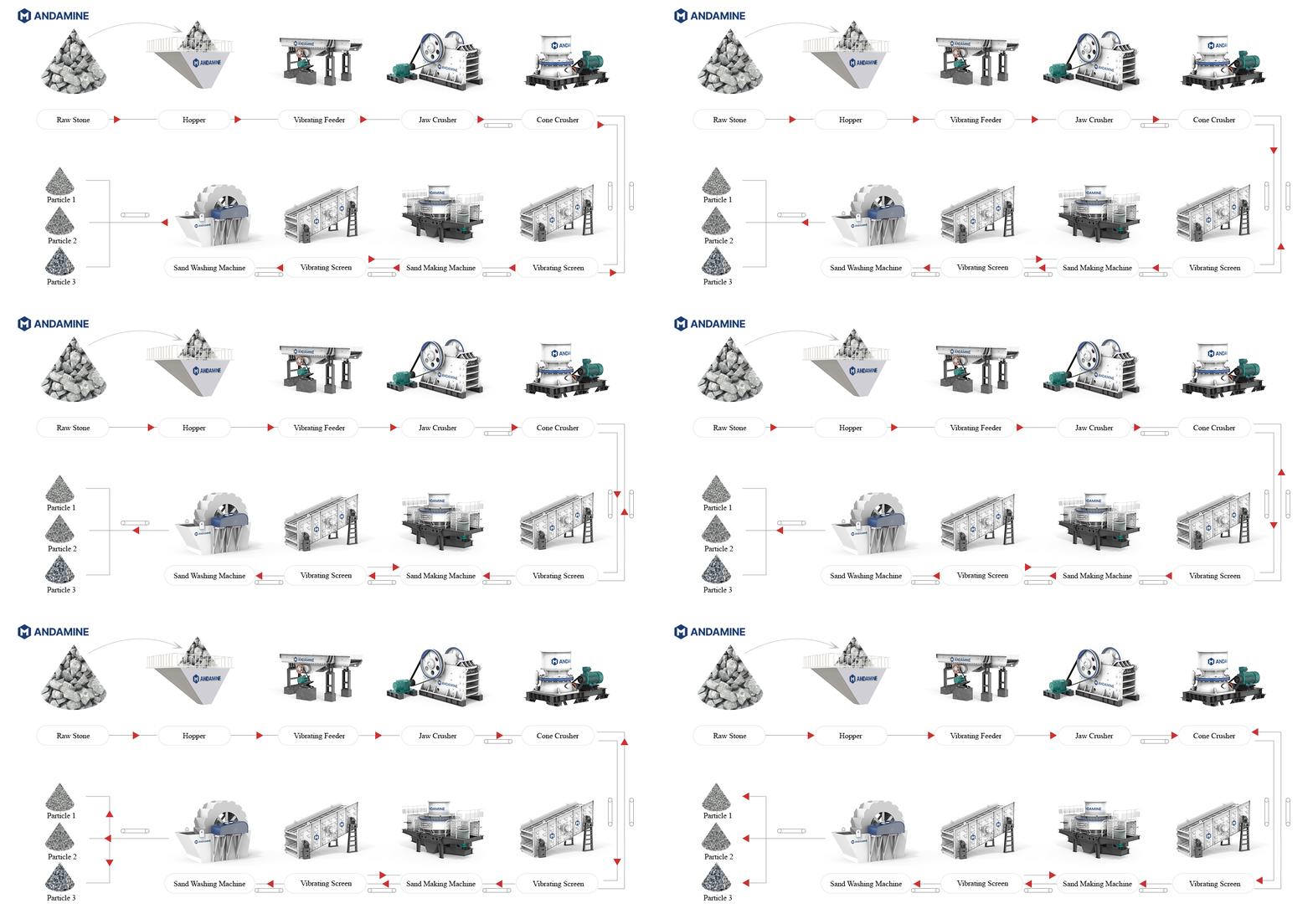
Adopts 3-stage crushing – jaw crushing for coarse crushing, cone crushing for intermediate and fine crushing, and vertical shaft impact crushing for sand making – combined with multi-stage screening and closed-circuit circulation to precisely control finished product particle size and shape.
Grinding and classification:
For scenarios such as building material admixtures and ore dressing purification, dry or wet grinding combined with classification equipment is used to process materials to the target fineness.
Deep purification and modification:
Removes harmful impurities through processes such as magnetic separation, flotation and acid pickling, or performs surface modification, to meet the requirements of high value-added products.
Core Quality Control Indicators for Finished Products
Different application scenarios have clear quality standards, which are the core basis for process and equipment selection.
Core Indicators for Construction Sand and Gravel Aggregate
- Particle gradation: Complies with corresponding national standards to ensure the compactness and workability of aggregate in concrete.
- Flaky and elongated particle content: Controlled within 15% for high-quality aggregate to avoid affecting concrete strength and fluidity.
- Clay content and stone powder content: Strictly controlled within standard ranges to prevent deterioration of concrete durability.
- Crushing value: Reflects the mechanical strength of aggregate; the crushing value of hard rock aggregate is usually ≤20%.
Core Indicators for Backfilling Aggregate
Rapid infrastructure expansion shapes equipment demand across Southeast Asia.
- Particle gradation: Reasonable combination of coarse and fine particles to improve backfill compactness and reduce cementitious material consumption.
- Harmful impurity content: Clay powder and sulfide content are controlled to avoid affecting cementitious material hydration and pipeline corrosion.
- Stability: Stable physical and chemical properties, no adverse reaction with cementitious materials.
Behind these strict quality standards lie three inherent physical barriers brought by the properties of tailings and waste rock themselves, which are also the core reasons why conventional crushing solutions fail to support project profitability.
Physical Barriers to High-Value Valorization of Tailings and Waste Rock: Process Challenges from Waste to Commodity
Turning waste rock and tailings into marketable high-quality manufactured sand is not simply a matter of “breaking it down”. To meet the concrete standards for nuclear power, high-speed rail and high-rise buildings, process design must break through three major physical barriers.
Strict Restrictions on Particle Shape and Gradation
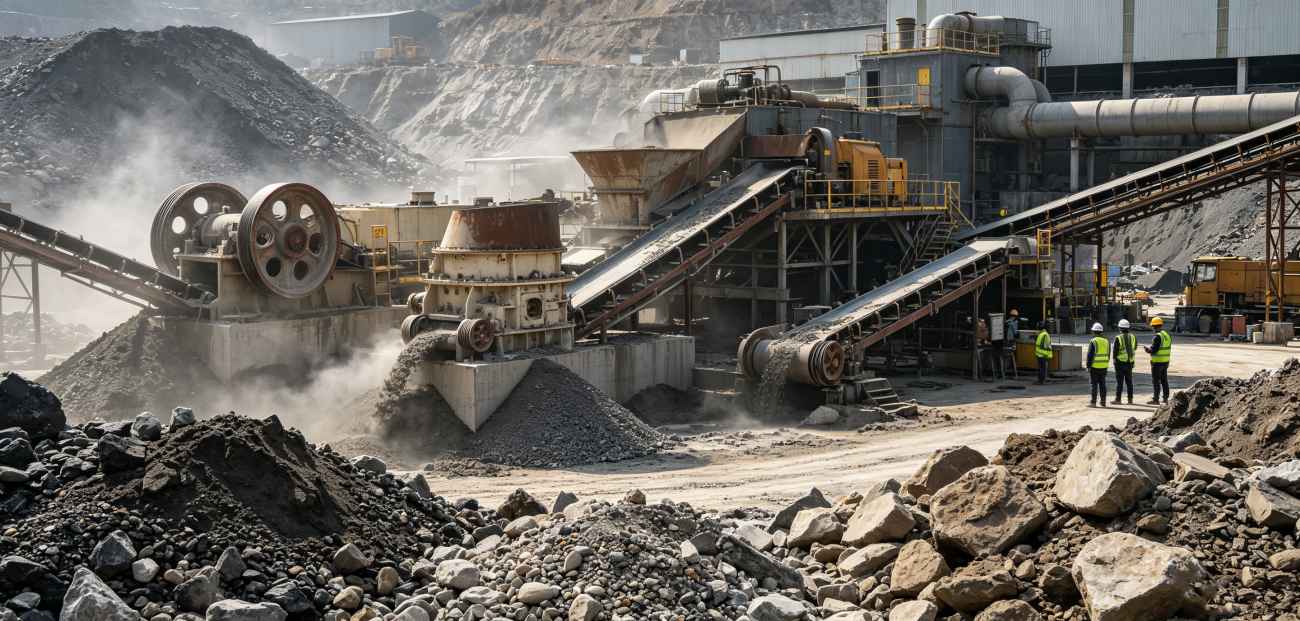
High-grade concrete imposes extremely strict requirements on the physical indicators of aggregate, especially the content of flaky and elongated particles and the fineness modulus. Conventional crushing methods have obvious shortcomings:
- Improper crushing methods produce a large number of flaky and elongated particles, which not only deteriorate the crushing value of aggregate but also form stress concentration points inside concrete.
- Excessive flaky and elongated particles directly lead to reduced concrete fluidity and significantly lower compressive strength.
- Traditional crushing equipment generally lacks shaping functions, making it difficult to produce high-quality aggregate with approximate cubic shape.
Classification Challenges from Harmful Impurities and High Clay Content
The impurity properties of tailings and waste rock place high demands on classification and purification:
- Stripped waste rock is often mixed with clay, weathered rock and organic matter. Old tailings retain residual beneficiation reagents and ultra-fine dust.
- Without fine classification and dust removal processes, the methylene blue (MB) value of manufactured sand will exceed the standard, causing water absorption and cracking during concrete mixing and failing quality inspection.
- Must equipping with efficient dry sand washing and air classification functions to ensure the cleanliness of finished products meets standards.
Wear Challenges from High Hardness and High Abrasiveness
Processing hard materials brings extremely high operation and maintenance cost pressure:
- Hard materials such as granite, basalt, quartzite and iron ore waste rock typically have a Bond Work Index of 16~22 kWh/t.
- The intense friction and heat generation during crushing rapidly wear out core wear parts such as concave rings, liners and blow bars.
- If the equipment lacks sufficient overload protection and wear-resistant material performance, high maintenance costs will directly erode all project profits.
Faced with these physical barriers, conventional low-end crushing equipment cannot support long-term profitable operation. With decades of accumulated experience in mining machinery manufacturing, Andamine has developed a full range of high-strength, long-life and intelligent crusher equipment portfolios to specifically address these process challenges.
Andamine Customised Solutions and Technical Advantages for Crushing and Screening Equipment
Andamine has specialised in the field of mining crushing and screening, developing a comprehensive product portfolio covering primary crushing, secondary and tertiary crushing, sand production and shaping, mobile processing, and screening and washing. The equipment has been specifically optimised for the material characteristics of tailings and waste rock, making it suitable for solid waste recycling projects of various scales and in different scenarios.
Jaw Crushers: Core Equipment for High-Load Primary Crushing
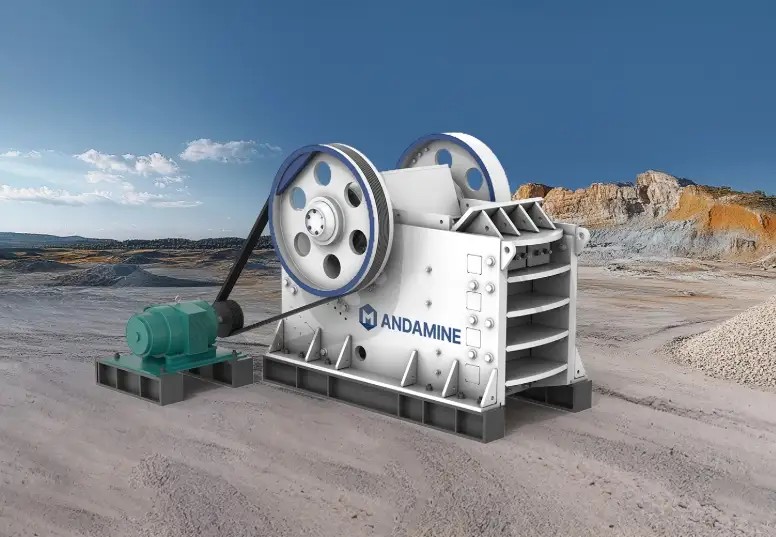
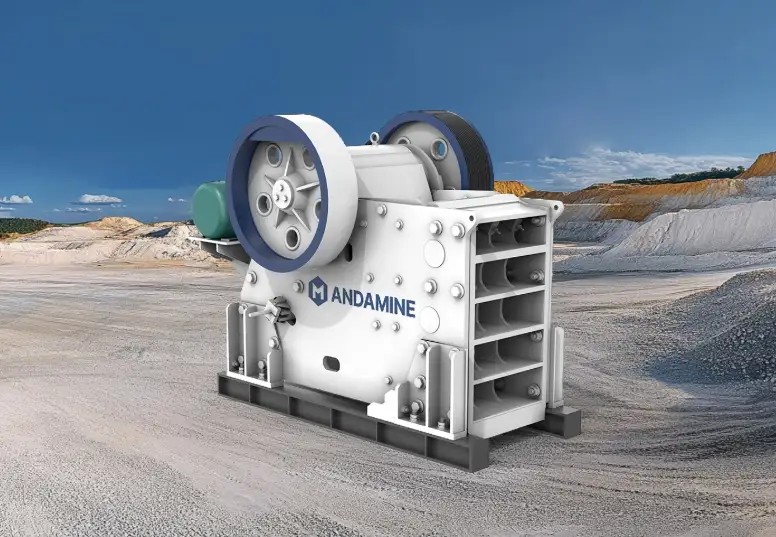
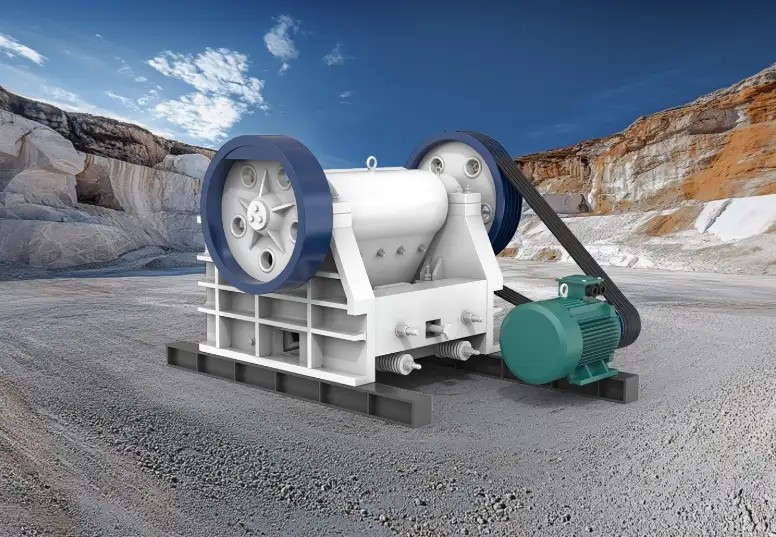
As the standard choice for the primary crushing of waste rock, Andamine jaw crushers have been comprehensively optimised to handle the characteristics of large, high-hardness waste rock subject to strong impacts:
- Structural Design: Featuring a deep-chamber, dead-zone-free design, they can process waste rock pieces up to 1200mm in size without the need for secondary blasting to break them down.
- Load-bearing Performance: The eccentric shaft is forged from a single piece of alloy steel and, combined with a heavy-duty frame, offers excellent impact resistance.
- Wear-resistant Materials: The jaw plates are made of alloy high-manganese steel with excellent work-hardening properties, extending service life by over 30% compared to standard jaw plates.
- Intelligent Configuration: Equipped with a hydraulic adjustment and overload protection system, allowing flexible adjustment of discharge particle size; automatically releases when encountering uncrushable objects to protect core components.
- Suitable Applications: Processing capacity ranges from 50 to 800 t/h; features a reliable structure and convenient operation and maintenance, making it suitable for harsh mining environments.
Full Range of Cone Crushers: Optimised Particle Shape and High-Efficiency Production
Andamine manufactures three main series of cone crushers—spring-type, single-cylinder hydraulic and multi-cylinder hydraulic—which utilise the layer-crushing principle and are perfectly suited to the medium and fine crushing of hard rock and waste rock.
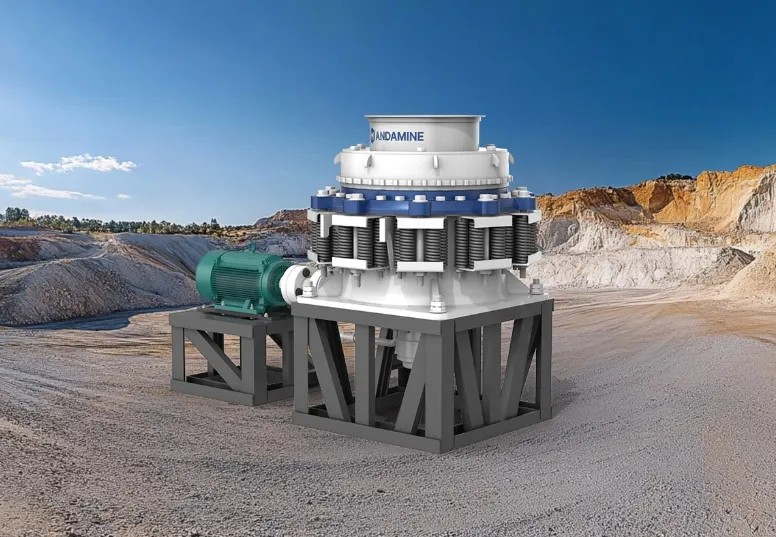
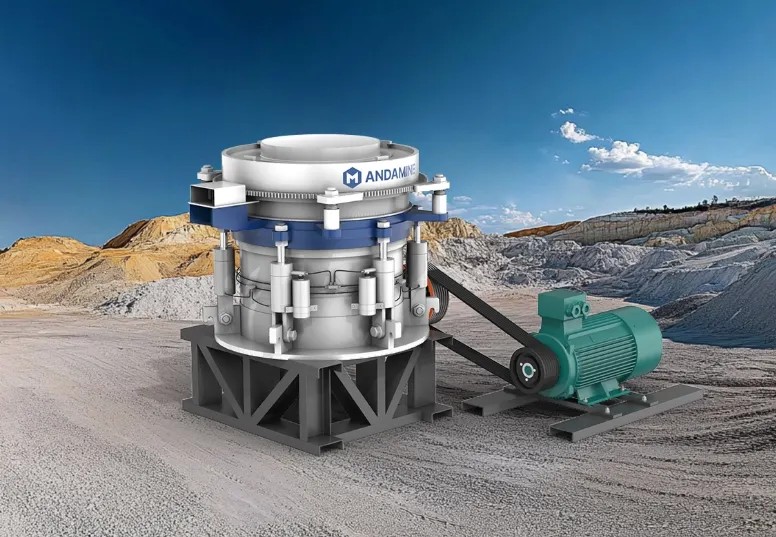
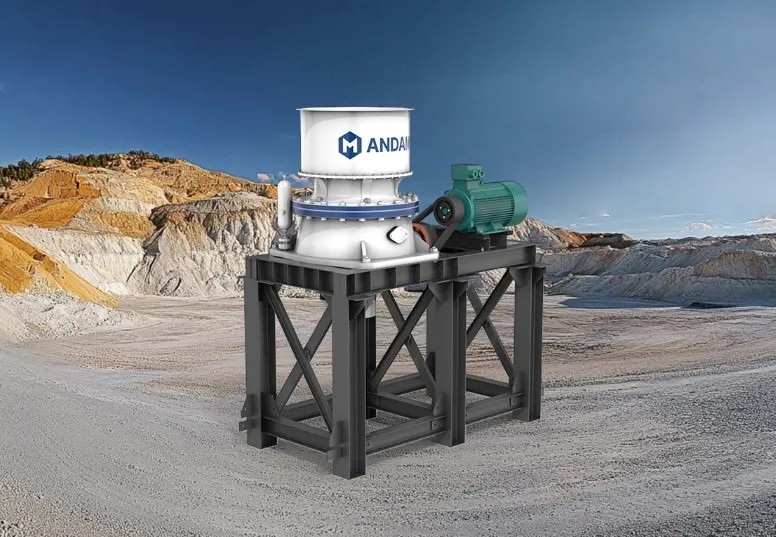
- Layer-crushing chamber: The proportion of cubic particles in the final product exceeds 90 per cent, with a low content of needle- and flake-shaped particles, meeting standard aggregate specifications without the need for additional shaping.
- Multiple chamber configurations: Equipped with coarse, medium and fine chambers that can be flexibly switched to accommodate different feed sizes.
- Highly wear-resistant components: The concave and crushing walls are made of high-chromium cast iron, offering a service life over 50% longer than standard manganese steel when processing hard rock.
- Intelligent metal detection protection: Automatically discharges metallic contaminants to prevent damage to core components, making it suitable for waste rock with complex compositions.
Vertical Shaft Impact Sand Maker: Premium Sand Production and Aggregate Shaping
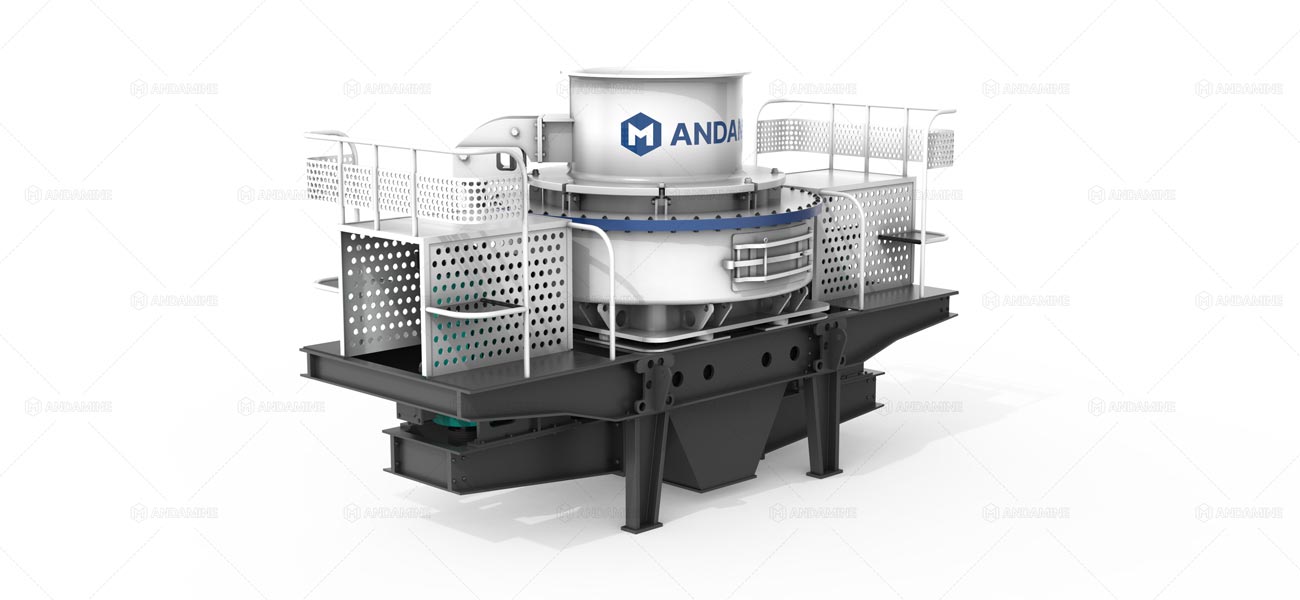
Designed to meet the demand for premium manufactured sand and aggregate shaping, the Vertical Shaft Impact Sand Maker combines dual functions of sand production and shaping:
- Dual Crushing Modes: Supports switching between “stone-on-stone” and “stone-on-iron”modes; the former is suitable for hard rock sand production with low wear part consumption, whilst the latter offers high crushing efficiency and superior product particle shape.
- Product Quality: The finished sand has a reasonable gradation and an adjustable fineness modulus, consistently meeting Class II sand standards or higher; stone powder content is controllable and, when combined with dust removal and sand washing equipment, can satisfy various engineering requirements.
- Impact crushing ensures consistent gradation and excellent particle shape, producing high-quality aggregates.
Supporting Equipment and Intelligent Systems
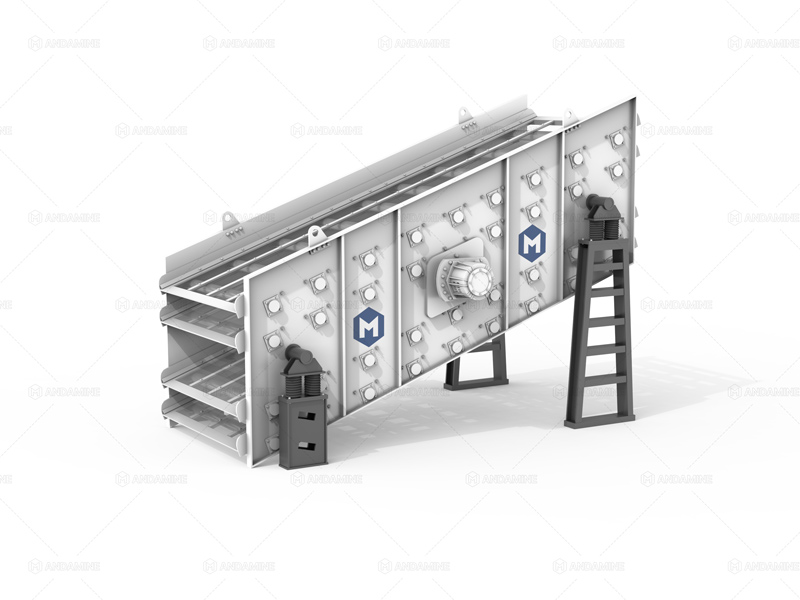
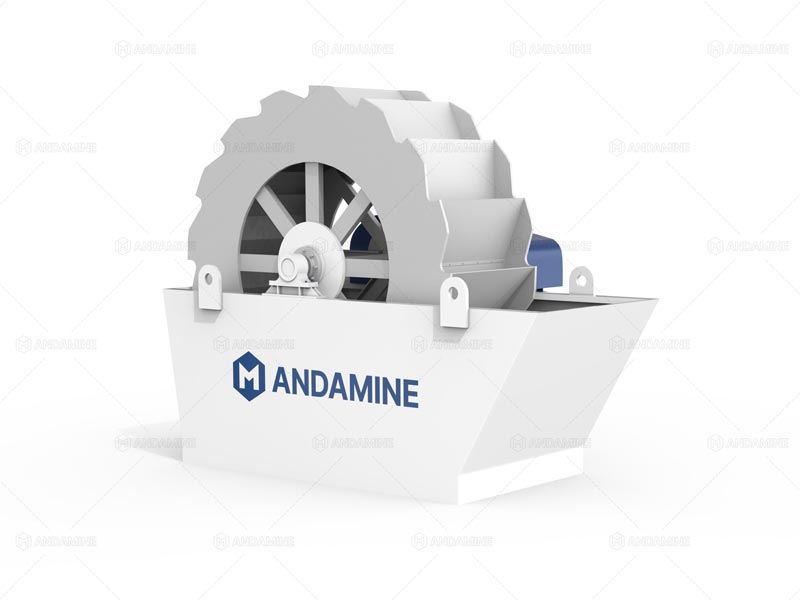
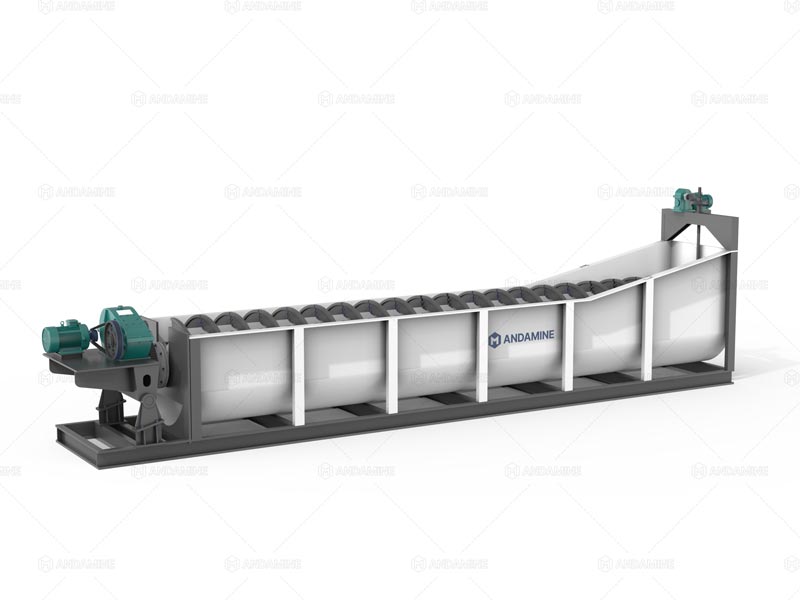
In addition to the core machine, Andamine provides comprehensive support throughout the entire process:
- Screening equipment: Circular and linear vibrating screens utilise wear-resistant polyurethane screens and anti-clogging designs, suitable for damp materials containing clay.
- Washing and sorting equipment: Wheel-bucket and spiral sand washers, combined with fine sand recovery units, ensure the cleanliness of the finished product and the recovery rate of fine particles.
- Intelligent system for the entire production line: Enables real-time monitoring of equipment status, automatic adjustment of production capacity, remote fault diagnosis and production data analysis, significantly enhancing operational efficiency.
The performance advantages of individual equipment can only be fully realised through a scientifically optimised production line configuration. Below, we present our customised crushing solutions for various scenarios.
Andamine Production Line Configuration Solutions for Typical Scenarios
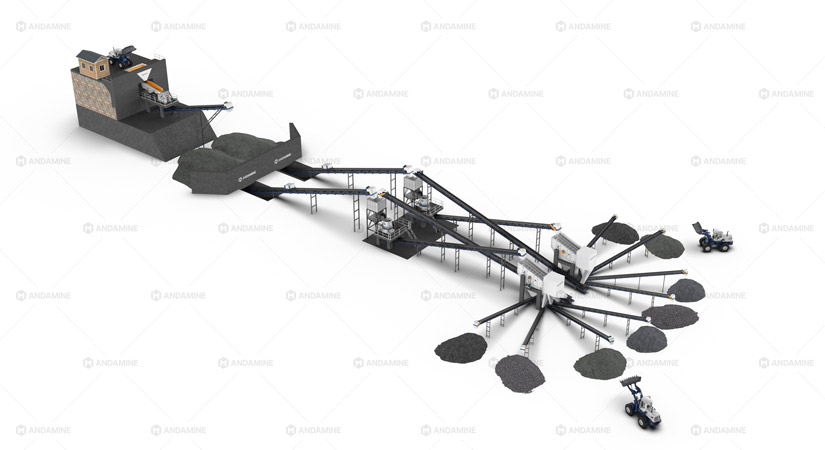
High-Quality Construction Aggregates from Waste Rock
- Production Capacity Range: 200–300 t/h.
- Applications: Widely applicable to medium- to high-hardness materials such as non-metallic and non-ferrous metal ores, granite, andesite, basalt, quartzite, sand and river pebbles.
- Key advantage: Dual-line configuration for aggregate production lines can balance peak-period production capacity requirements with operational costs during periods of lower demand, whilst significantly enhancing the reliability and flexibility of the entire system.
- Configuration: APJ-9012E jaw crusher + APC-440D single-cylinder cone crusher + APS-2160Y4 vibrating screen.
Tailings-Based Manufactured Sand Crushing Line
- Production capacity range: 50–100 tonnes per hour.
- Applications: Suitable for requiring high sand output from construction aggregates such as granite, andesite, basalt, quartzite, sand and river pebbles.
- Advantage: The aggregate production line utilises a finished product silo combined with a sand-making process, offering flexible production plans tailored to market demand for manufactured sand to achieve customised production.
- Configuration: APJ-6090E jaw crusher + APC-132C composite cone crusher + APS-2160Y3 vibrating screen + APW-2810D wheeled sand washer + APV-9832 VSI sand maker.
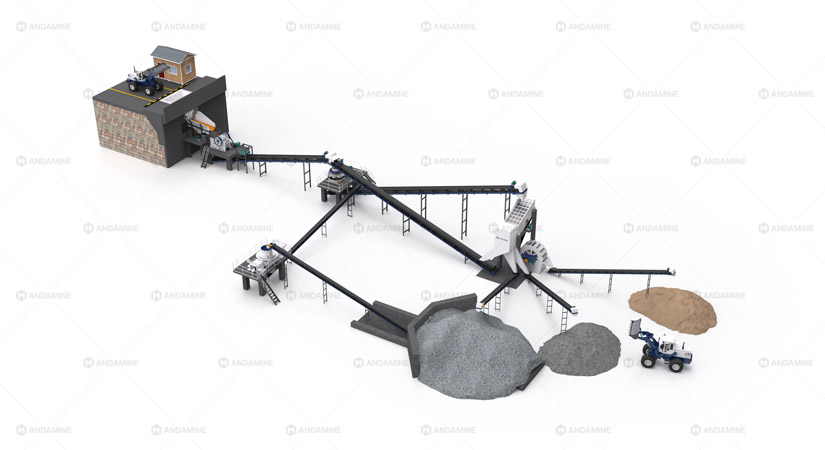
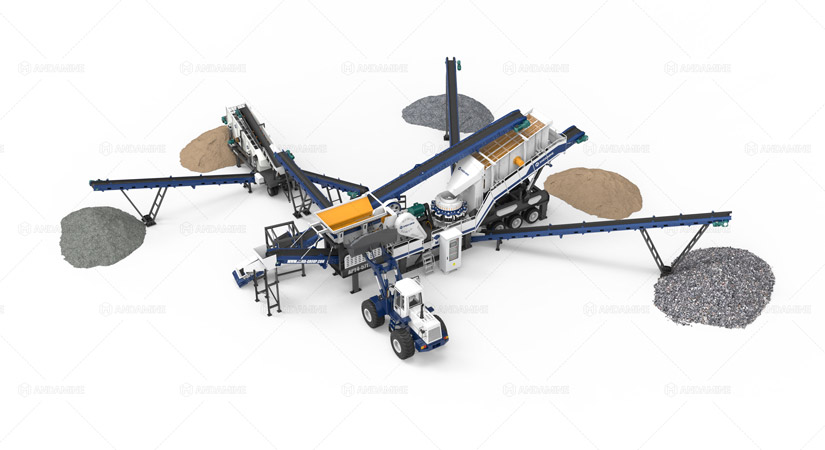
Mobile Sand and Gravel Crushing and Screening Line
- Production Capacity Range: 60–100 t/h.
- Applications: For materials with a high proportion of fine particles, such as sandstone and river pebbles.
- Advantage: The aggregate production line adopts a tyre-mounted mobile crusher plant design, separating natural sand from manufactured sand to enhance production efficiency.
- Configuration: APG-3090Z vibrating feeder + APJ-5075E jaw crusher + APC-110C cone crusher + APS-1848Y3 vibrating screen.
The implementation of processes and equipment ultimately comes down to economic benefits; reasonable cost estimation and risk management are the core safeguards for the long-term sustainable operation of the project.
Assessment of Project Economic Benefits and Risk Management
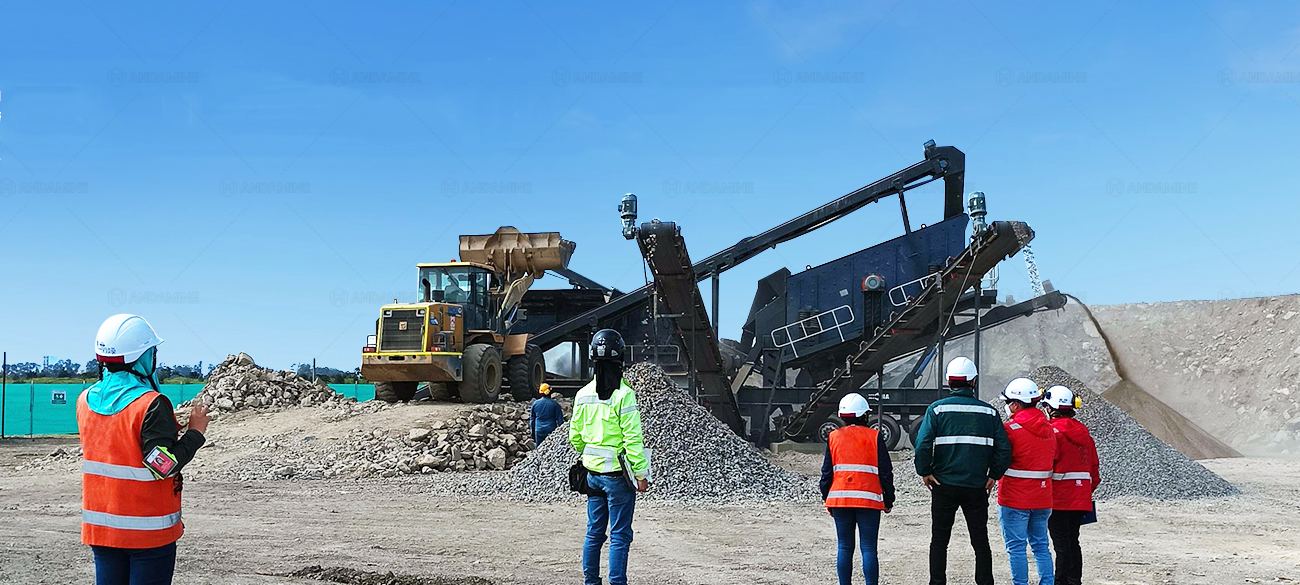
Cost and Revenue Composition
Core Project Costs
Project costs are divided into two categories: fixed capital expenditure and operating costs:
- Fixed capital expenditure: Primarily comprising equipment procurement, accounting for 60–70 per cent; the remainder includes infrastructure, administrative procedures, design and installation costs, etc. Mobile production lines can significantly reduce infrastructure costs.
- Operating Costs: These include energy consumption, wear-and-tear consumables, labour, maintenance, transport and environmental protection operational costs, with energy consumption and consumables accounting for the largest share.
Diversified Sources of Revenue
- Direct Revenue: Sales revenue from sand and gravel aggregates, building materials, and the recovery of valuable metals.
- Implicit revenue: Cost savings from stockpiling and operational maintenance, the purchase of external aggregates, and ecological restoration; for some projects, implicit revenue may account for over 30 per cent of total revenue.
- Regulatory benefits: Policy incentives such as tax relief and specialised subsidies.
Return on Investment and Risk Management
Reference Payback Periods
Based on industry averages, the static payback periods vary depending on project scale:
- Large-scale fixed production lines (hourly output of 300 tonnes or more): static payback period of 3–5 years.
- Medium-scale fixed production lines (hourly output of 100–200 tonnes): static payback period of 2–4 years.
- Mobile production lines: static payback period of 2–3 years. Projects characterised by high aggregate prices and a high proportion of material used for internal purposes will see a significantly shorter payback period.
Key Risks and Mitigation Measures
- Risk of fluctuations in material properties: Conduct multi-point testing and crushing trials at an early stage; implement pre-treatment processes to stabilise feed properties; select equipment with redundant wear resistance.
- Risk of market price fluctuations: Diversify product ranges and sales channels; enter into long-term supply agreements with major clients to lock in revenue.
- Environmental compliance risks: Install comprehensive dust extraction, noise reduction and wastewater recycling systems.
- Equipment operation and maintenance risks: Select reliable suppliers and equipment with redundant wear-resistant components; establish standardised maintenance procedures; and implement intelligent early-warning systems.
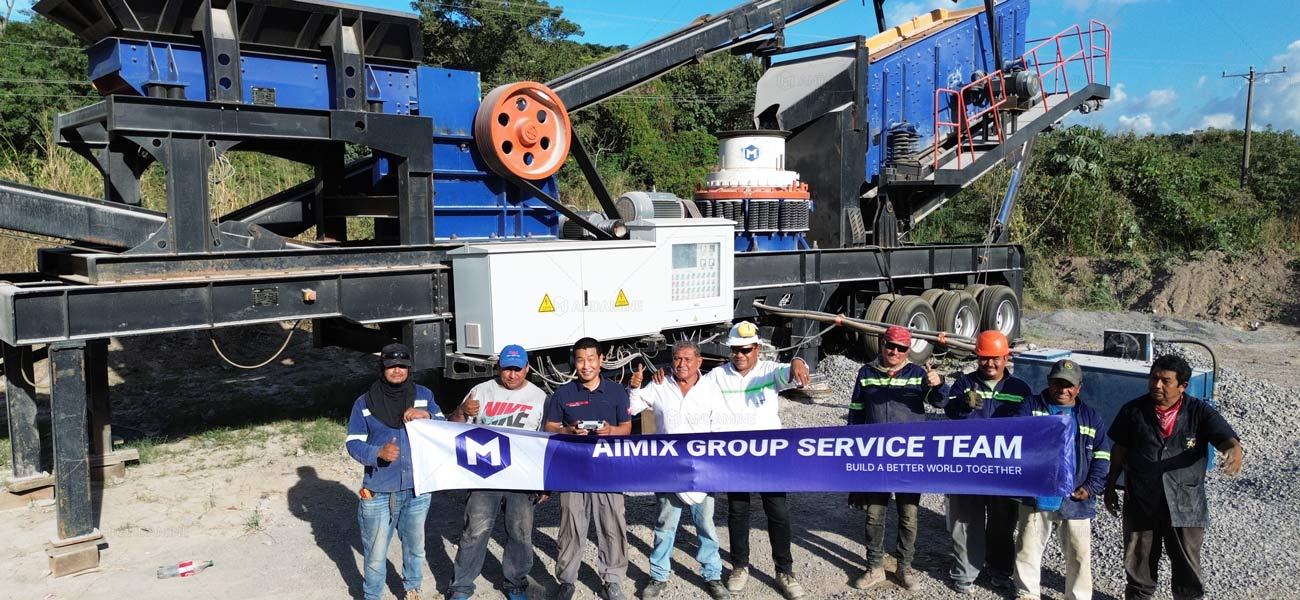
Given the significant variations in ore hardness, abrasiveness and clay content across different mining regions worldwide, the Andamine team tailors the most economically optimal crushing solutions for clients based on local geological conditions.
The high-value reuse of tailings and waste rock is an essential path for the global mining industry to achieve green and sustainable development, and is also a vital component of the circular economy. Andamine has consistently focused on the field of mining crushing and screening, specialising in the resource recovery of solid waste. We continuously optimise our equipment and process solutions in line with the characteristics of tailings and waste rock. From fixed production lines to mobile solutions, and from individual machines to integrated intelligent systems, Andamine is committed to providing global clients with end-to-end, bespoke equipment support. We work hand in hand with industry partners to drive the green transition of the crushing industry and unlock the diverse value of solid waste resources.