
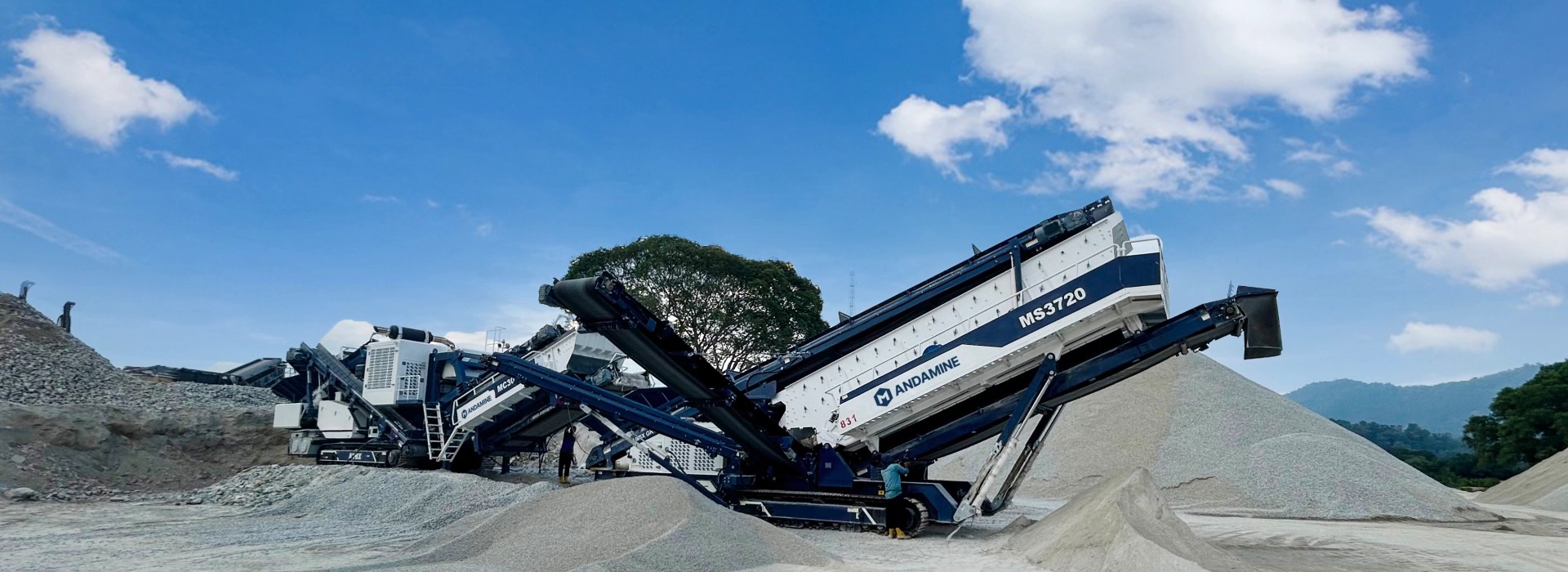

Stone crusher plant is an integrated equipment system that specializes in crushing large stones, ores and other raw materials into various specifications of aggregates, serving as the core of crusher plant and crushing plant operations. It integrates crushing, screening and conveying functions to efficiently convert bulk raw materials into usable finished products, solving the core demand of raw material processing in various engineering projects. In industries such as mining, road construction and building construction, mining crusher plant and stationary crushing plant play irreplaceable roles—providing high-quality aggregates for highway pavements, building foundations and mining exploitation. To choose the most suitable equipment for your project, it’s essential to first understand its two main categories: mobile and stationary types.
Mobile or Stationary? 2 Core Types of Crusher Plant
When selecting a stone plant crusher, the first decision you need to make is choosing between mobile and stationary types. Each type has unique advantages tailored to different project scenarios, and understanding their characteristics will help you match the right equipment to your needs.
Mobile Stone Crusher Plant: Flexible & Efficient for Variable Sites
- Chassis types & adaptability:
- Tire-type:Suitable for flat, easily accessible sites.
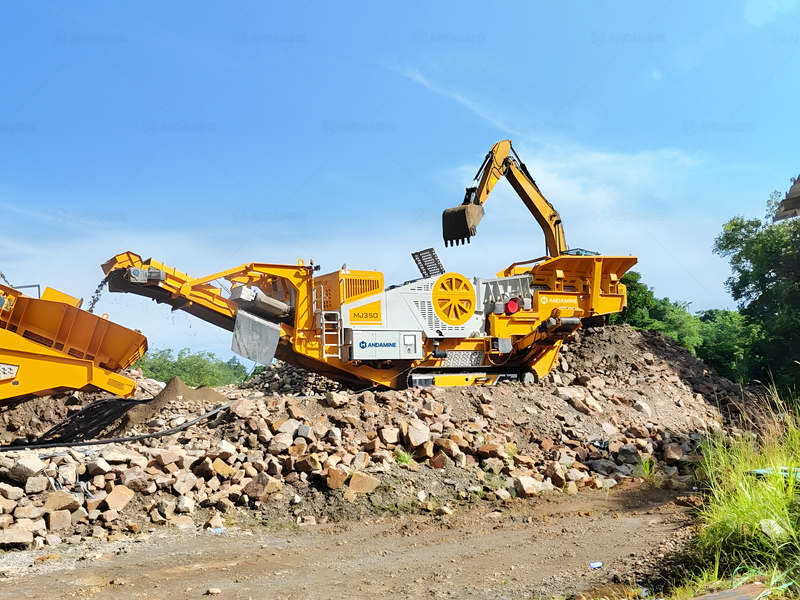
- Crawler-type: Traverses mountainous, muddy terrains; mostly single crusher machine plant like jaw crushers.
- Core advantages: Strong mobility, quick site transition, no complex foundation construction, adaptable to scattered raw material sources
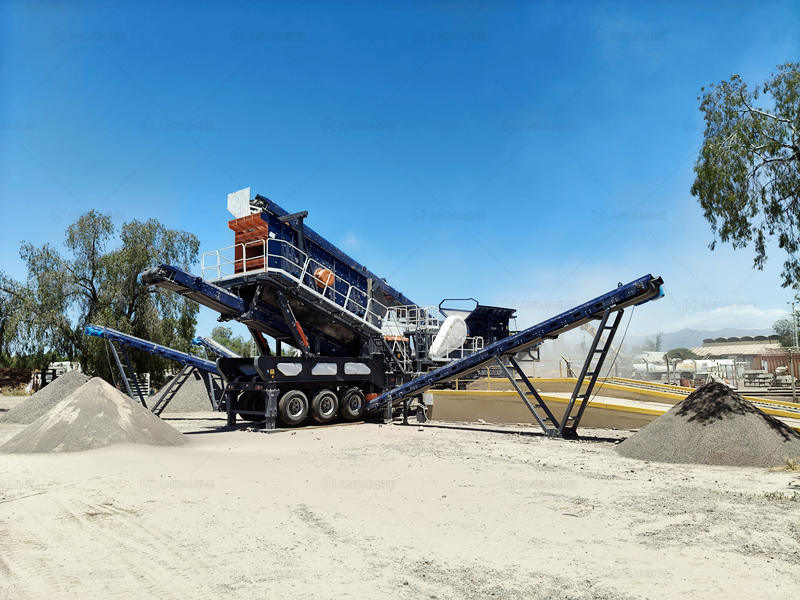
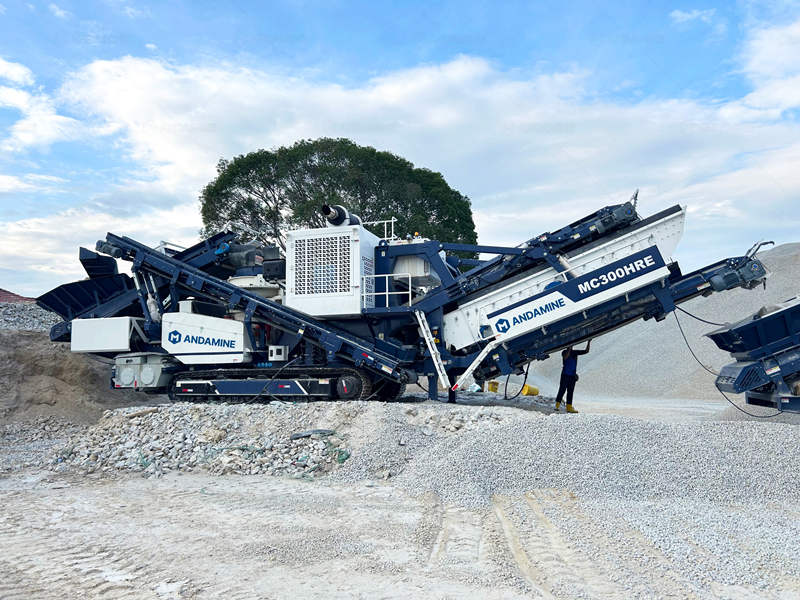
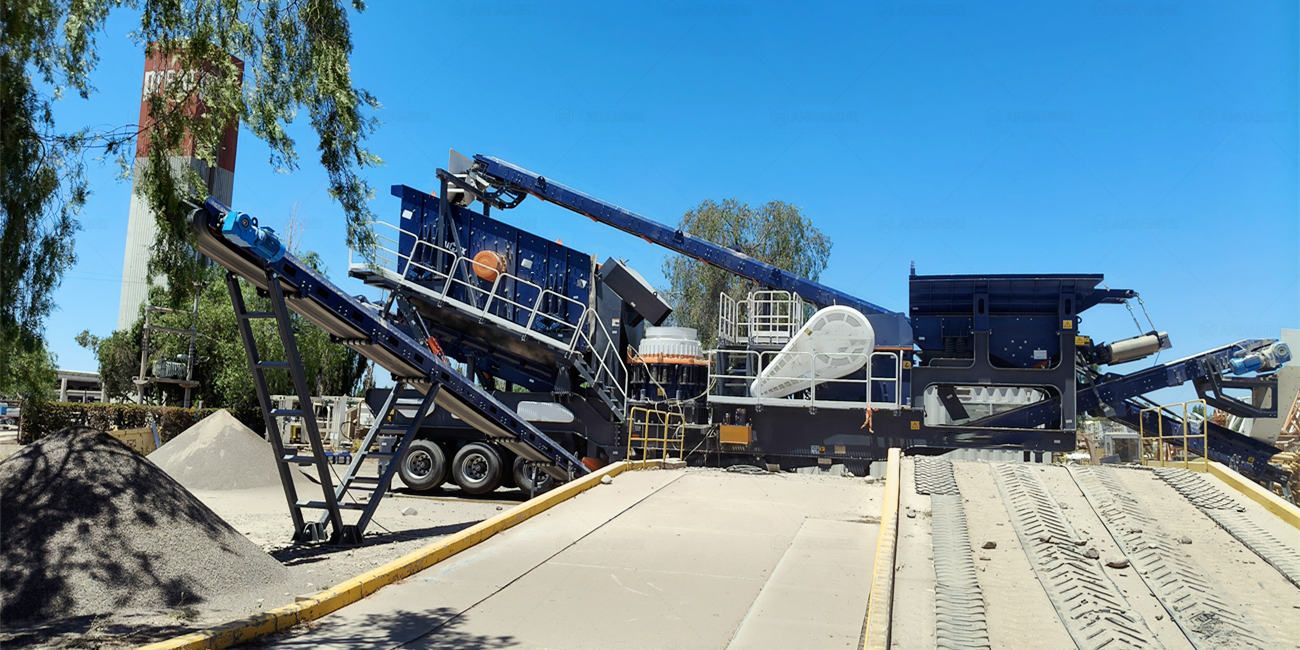
Our star tire-type mobile crusher plant models (four-in-one & three-in-one) are popular for intelligent and efficient operation:
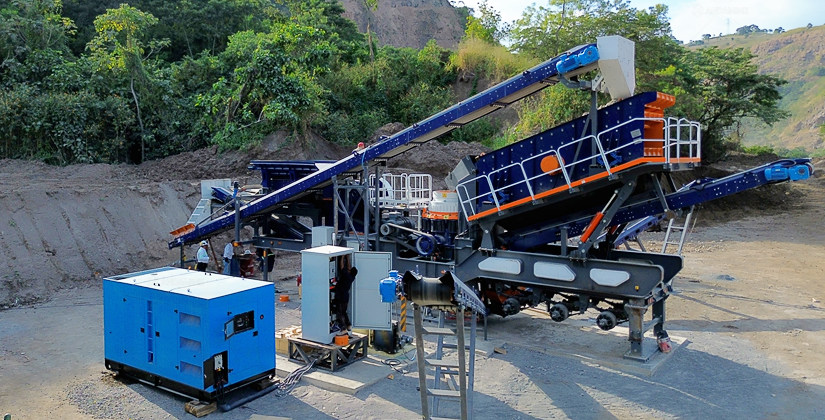
Tire Four-in-One Mobile Stone Crusher Plant
- Intelligent control: One-click start via PLC touchscreen/button; IOT remote monitoring for real-time status tracking and automatic maintenance alerts
- Smart feeding: Remote-controlled feeder with adjustable dosing speed for continuous production
- Integrated design: Combines feeding, crushing, screening in one unit; tri-axle chassis + ski plate support for quick relocation and stable operation
- Flexible configuration: Optional crusher combinations (fine jaw crusher, impact crusher) for diverse working conditions
Tire Three-in-One Mobile Stone Crusher Plant
- Shared intelligent features: Same integrated control, IOT monitoring and smart feeding as the four-in-one model; integrated design reduces operational costs
- Unique advantages: Optimized heavy-duty impact crusher (high crushing ratio, excellent product granulation); dual-seal system at inlet/outlet minimizes dust
- Environmental & energy-saving: 30% lower energy consumption via efficient motor; full-set dust control (mist cannons, telescopic dust hoods, negative pressure extraction)
- Durable design: Discharge drum protects conveyor belt; buffer bed on feed belt enhances impact resistance and sealing
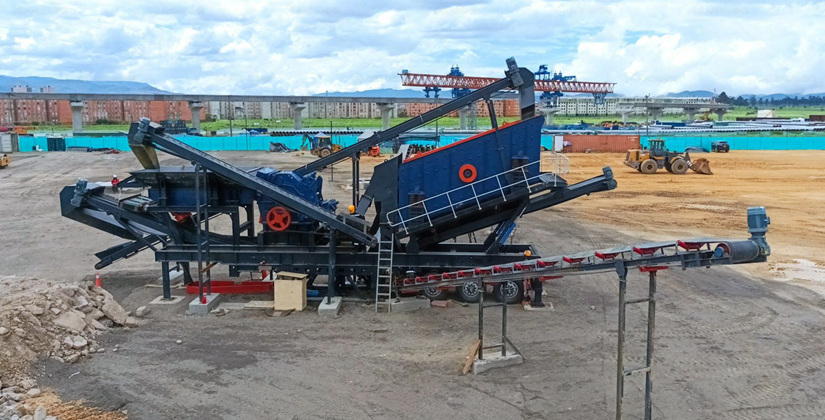
Stationary Crushing Plant: Customizable & Stable for Large-Scale Projects
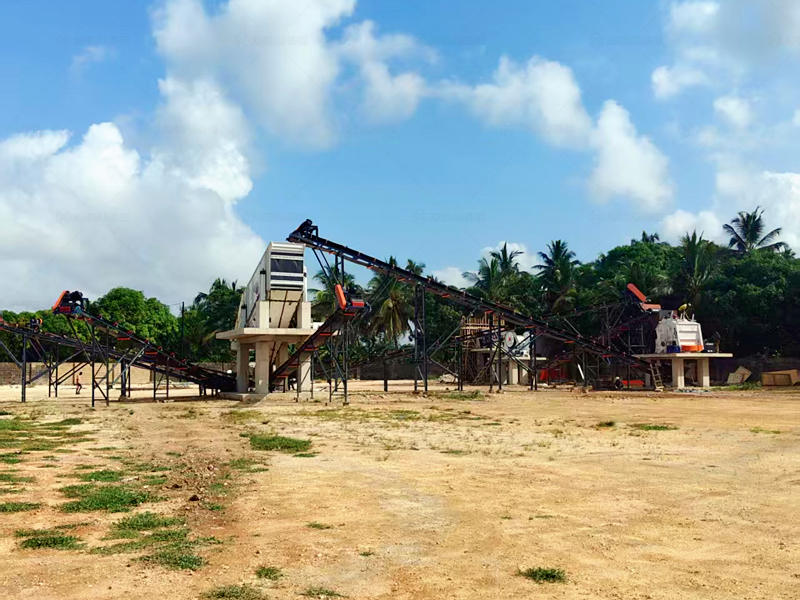

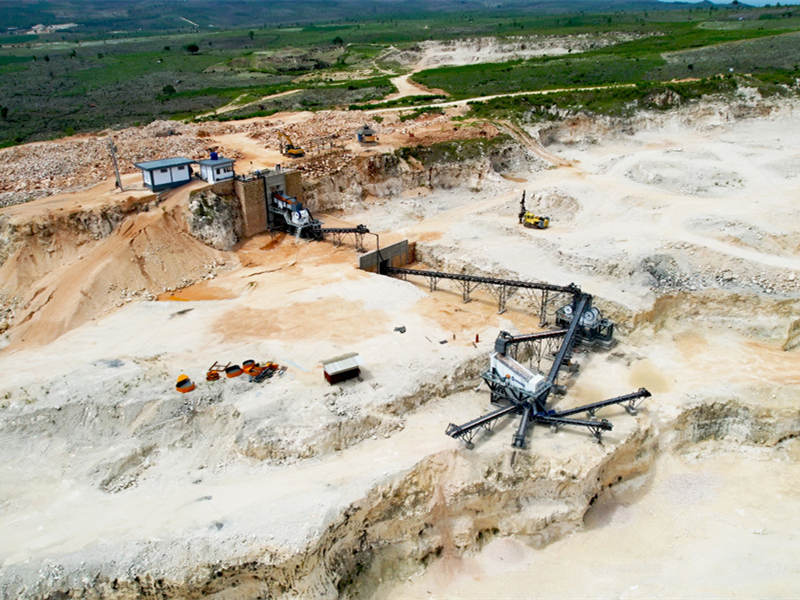
- Core advantages: High customization. It can be tailored to capacity, raw material type, finished product specs; stable production and high processing efficiency
- Applicable scenarios: Large mines, fixed aggregate processing factories, long-term projects requiring continuous large-volume production
- Key highlights: Supports multi-stage crushing (coarse to fine) for uniform finished product quality; suitable for high-output demands (200 tph, 300 tph, 500 tph, etc.)
- Operational benefit: Fixed installation facilitates daily maintenance and overhaul, reducing operation difficulty and ensuring long-term stable operation
After understanding the core differences between mobile and stationary stone crusher plants, real-world application cases can enable you to more intuitively determine which equipment is better suited to your own project. The actual performance under different industries and operating conditions is far more valuable for reference than parameters.
Real-world Scenarios Customer Cases
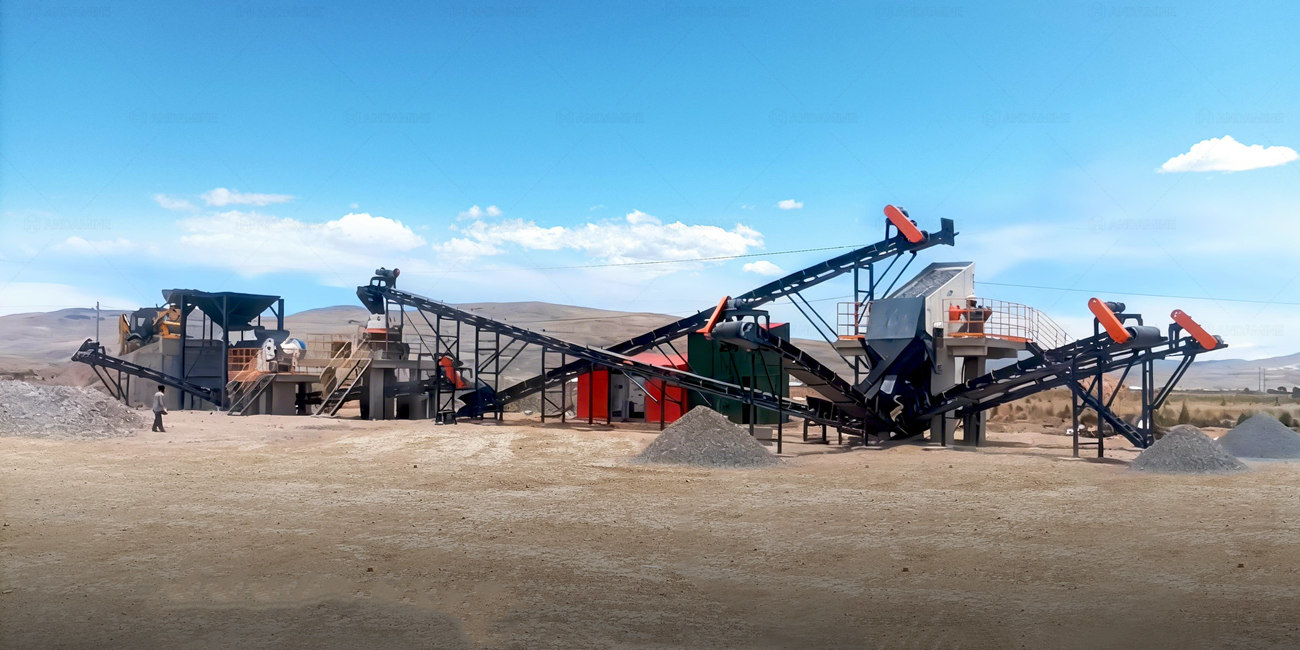
Stationary Crusher for River Stone
- Production capacity: 70 tons per hour
- Location: Peru, 4000 meters highland
- Solution: Use jaw crusher plant machine and cone crusher along with screen crusher plant for aggregate production.
- Customer feedback: The stationary crushing plant equipment has been installed. We overcame many difficulties by working with ANDAMINE during the installation process. We are grateful for the support provided by Engineer Liu throughout the process. We are very satisfied with this stone crusher plant investment.
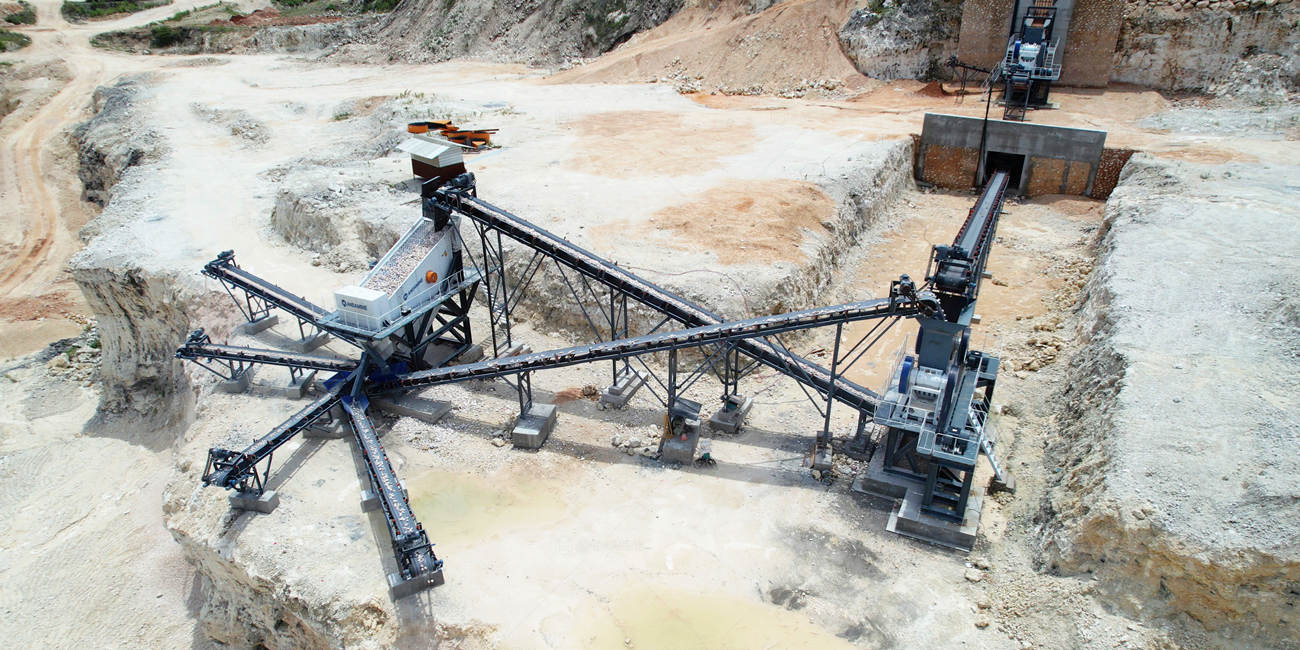
Stationary Crusher Plant For Andesite
- Production capacity: 200 tons per hour
- Location: Indonesia
- Finished product size: 0-5-12-19 mm
- Solution: Crushing high hardness materials with multi-cylinder hydraulic cone crusher.
- Customer feedback: Andamine stationary crushed stone plant can be used to create a solution exactly according to our production needs. Moreover, this crushing plant is equipped with a remote control, which can regulate the dosing speed and is very convenient to operate.

3-in-1 Mobile Crusher and Screening Plant For Urban Debris
- Production capacity: 150 tons per hour
- Location: Colombia
- Raw material: Various types of debris, including concrete, asphalt, and bricks.
- Finished product: High quality aggregate
- Finished product size: 0-40 mm
- Solution: APY3-F impact type mobile stone crushing plant has diesel-electric hybrid power system to ensure fuel efficiency.
- Customer feedback: This product achieved 95% material reuse rate for our business. Your team’s swift response solved our urgent issues within just six hours!
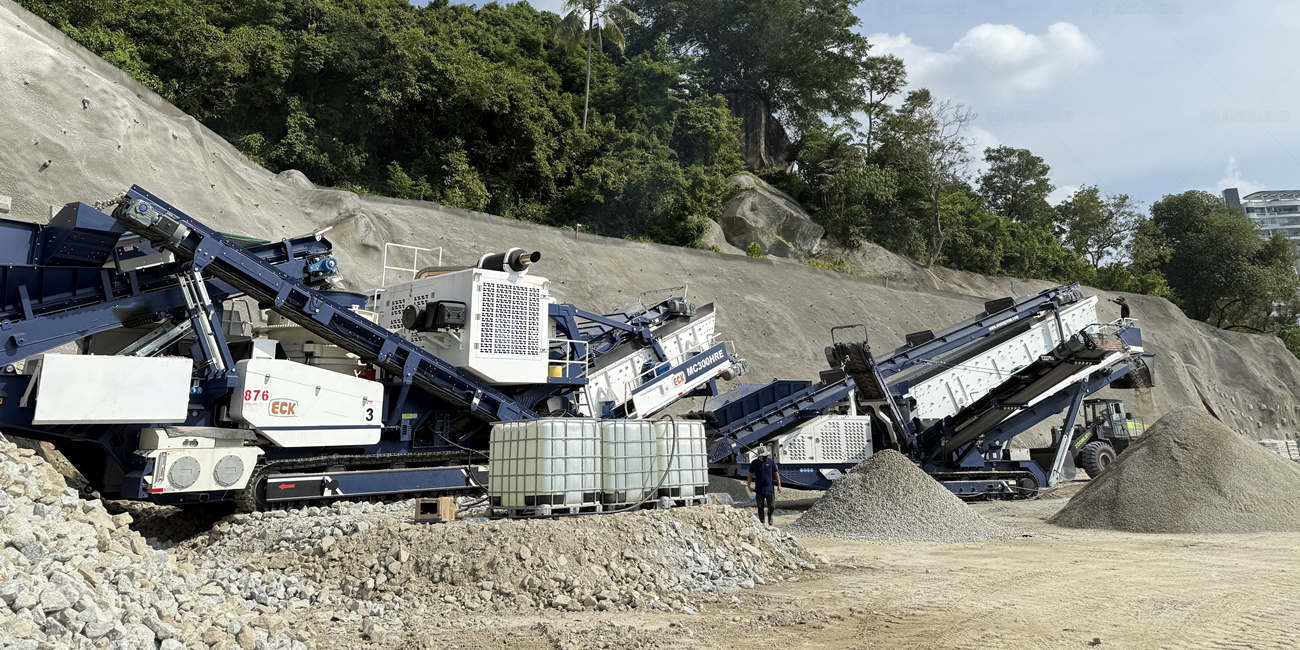
Crawler Portable Crushing and Screening Plants for Aggregate
- Production capacity: 200 tons per hour
- Location: Malaysia
- Solution: 5 crawler chassis portable stone crushing plants including 6CX106 jaw crusher, MS3720 screening station, and MC300HRE cone crusher support aggregate for mountain road construction
- Customer feedback: You solve the problem quickly. The repair can be finished within 3 days.
Stone Crusher Plant: Core Components & How It Works
Understanding the key components and workflow of a stone crusher machine plant helps you better maintain equipment, optimize production efficiency, and even troubleshoot small issues. Below is a straightforward breakdown—no complicated jargon, just the essential info you need.
Core Components: Key Crushers & Auxiliary Equipment
A complete stone crusher plant machine relies on coordinated work between crushing equipment (the “heart”) and auxiliary devices. Here are the most critical parts, especially the crushers for different stages:
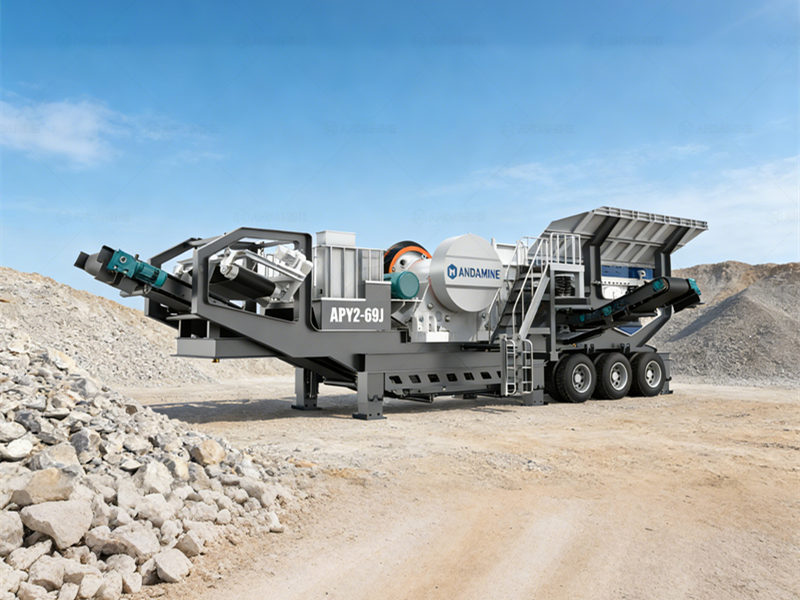
Primary Crushing Stage: Jaw Crusher (the “First Breaker”)
It’s the first stop for big stones! This jaw crusher handles large, hard raw materials (up to several meters in diameter) and breaks them down into smaller chunks. It’s sturdy, reliable, and perfect for initial rough crushing—ideal for mining crusher plant and large stone crusher plant machinery.

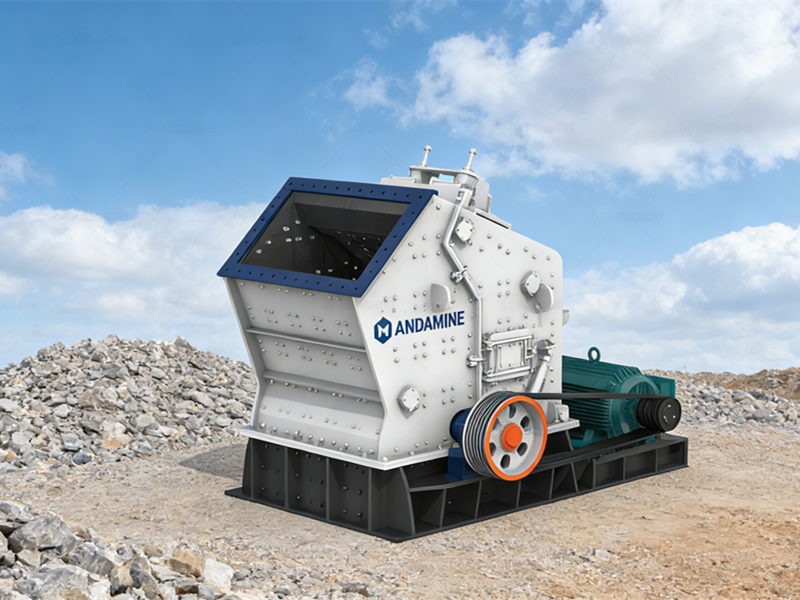
Secondary Crushing Stage: Impact Crusher / Cone Crusher
After primary crushing, these crushers refine the stone chunks into more uniform sizes. Impact crushers are great for medium-hard materials (like limestone) and produce well-shaped aggregates; cone crushers excel at hard rocks (like granite) and are common in high-capacity stationary crushing plant.

Auxiliary Equipment (Equally Important!)
- Feeder: Controls the speed of raw material input to avoid overloading the crusher (matches the smart feeding function in our mobile models).
- Screen: Separates aggregates into different specifications (critical for meeting project quality requirements).
- Conveyor Belt: Transports materials between crushers, screens, and finished product piles.
- Dust Control System: Reduces dust emissions (as seen in our three-in-one mobile stone crusher plant), ensuring environmental compliance.

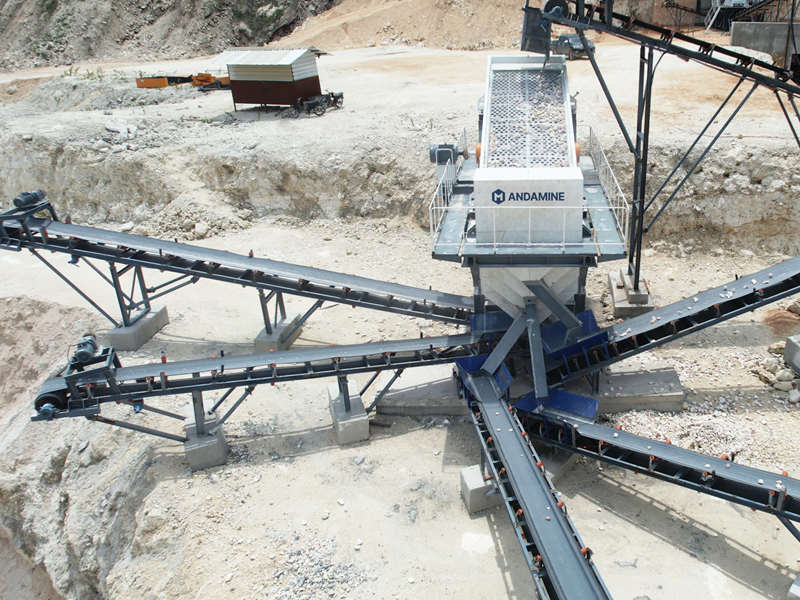
Simple Workflow: From Raw Stone to Finished Aggregate
- Feeding: Steady Input, No Overload Raw stones are loaded into the feeder, which adjusts the feeding speed (remotely controllable in smart models) to send materials evenly into the primary crusher.
- Primary Crushing: Break Big Stones Down The jaw crusher crushes large raw stones into smaller pieces (usually 10-30cm), laying the foundation for subsequent refining.
- Secondary Crushing & Screening: Refine & Classify The pre-crushed stones go to the impact/cone crusher for further crushing. Then the screen separates them by size—oversized stones are sent back for re-crushing, while qualified ones move to the next step.
- Conveying & Storage: Finished Aggregates Ready for Use Qualified aggregates are transported by conveyor belts to storage piles. Now they’re ready for road construction, building foundations, or other project needs!
This streamlined workflow ensures efficient, continuous production—whether it’s a mobile stone crusher plant (with integrated components) or a stationary crushing plant (customized layout). If you’re curious about optimizing the stone crusher plant layout for your specific site, feel free to reach out for personalized advice.

Understanding the components and workflow lays the foundation for choosing the right equipment, but the actual stone crusher plant selection process is full of potential pitfalls. Many investors or project managers end up with inefficient production, cost overruns, or even unusable equipment just because they overlooked a few key details. Next, we’ll share a practical selection guide that focuses on avoiding pitfalls, combining over 10 years of industry experience to help you steer clear of common traps and make wise decisions.
Stone Crusher Plant Selection Pitfall Avoidance Guide
Selecting a stone crusher plant isn’t just about matching parameters—it’s about avoiding hidden traps that could ruin your project’s profitability. Below are the most common pitfalls in the selection process, along with professional avoidance strategies, all based on real industry cases and practical experience:

Pitfall 1: Blindly Chasing Capacity, Ignoring Raw Material Hardness Matching
Common trap: Many buyers only focus on the capacity number (e.g., 200 tph crusher plant, 300 tph crusher plant) and rush to choose high-capacity equipment, ignoring the hardness and particle size of their actual raw materials. For example, using a general-purpose crusher designed for limestone (medium hardness) to process granite (high hardness) will lead to frequent equipment failures, reduced service life, and even failure to reach the expected capacity.
How to avoid: First, conduct a professional test on the raw materials (e.g., hardness, moisture content, particle size distribution). If you’re dealing with hard ores for mining projects, prioritize a mining crusher plant equipped with a heavy-duty cone crusher; if processing medium-hard stones for road construction, an impact crusher with matching capacity is more suitable. Remember: The “best capacity” is the one that matches your raw materials, not the highest number on the parameter sheet.
Pitfall 2: Overlooking Site & Installation Conditions, Leading to Cost Overruns
Common trap: Neglecting on-site terrain, space, transportation access, and installation conditions when selecting equipment. For instance, buying a large stationary crushing plant without checking if the site has enough space for stone crusher plant layout; or choosing a mobile stone crusher plant with a tire chassis for a mountainous mine with steep slopes (where a crawler-type is more suitable). This often results in additional costs for site modification, equipment secondary processing, or even inability to install and use.
How to avoid: Before selection, conduct an on-site survey (or provide detailed site data to the supplier) including: available space, terrain slope, transportation routes, power supply conditions, and local environmental requirements. For limited space or scattered raw material sites, a portable crushing and screening plant or mini crusher plant is more flexible; for large fixed sites with long-term production needs, a stationary crushing plant with customized layout is more cost-effective. Additionally, confirm whether the supplier provides professional installation guidance to avoid installation errors affecting production.
Pitfall 3: Obsessing Over Low Prices, Ignoring After-Sales Service & Equipment Quality
Common trap: Many buyers fall for “low-price temptation” when comparing suppliers, choosing equipment with significantly lower crusher plant prices than the market average. However, these low-cost products often cut corners on core components (e.g., using inferior steel for crusher rotors) and lack after-sales support. Once the equipment breaks down during production, there’s no timely maintenance, leading to long downtime and huge economic losses.
How to avoid: Don’t take price as the sole decision criterion—focus on “cost-performance ratio” and supplier credibility. When communicating with suppliers, clearly ask about: Quality of core components (e.g., crusher bearings, motors); After-sales service scope (e.g., on-site maintenance, spare parts supply, technical training); Warranty period (at least 1 year for key components is reasonable). It’s better to pay a little more for a reliable supplier than to save money and face “no one to help” when problems arise. You can also check the supplier’s real project cases or customer reviews to verify their after-sales capabilities.
Pitfall 4: Ignoring Budget Allocation, Leading to “Incomplete Production Line”
Common trap: Only budgeting for the main crusher equipment, ignoring auxiliary facilities (e.g., dust control system, conveyor belts, transformers) and later operation costs (e.g., energy consumption, labor, maintenance). This leads to buying the main machine but being unable to form a complete production line, or insufficient funds for daily operation.
How to avoid: Make a comprehensive budget that includes Main equipment cost; Auxiliary equipment cost (especially environmental protection equipment, which is mandatory in most regions); Installation and debugging cost; 6-12 months of operation funds (energy, labor, spare parts). When communicating with suppliers, ask for a detailed quotation list of the whole production line to avoid missing items. For investors with limited budgets, you can choose modular crushing and screening plants, which allow phased investment and expansion according to production needs.
The above selection pitfall avoidance guide provides you with professional theoretical support for choosing a stone crusher plant. However, relying solely on text descriptions, it may still be difficult to intuitively feel the actual operation status, production efficiency and on-site layout of the equipment. That’s why we’ve prepared a special stone crusher plant video showcase—through real on-site videos, you can directly observe the working process of different types of stone crusher plants, the effect of aggregate production, and the details of equipment operation.
Witness the Power! Stone Crusher Plant Video: Real Operation Scenes
The real operation scenes in the videos show you the strength of our stone crusher plant. Behind these reliable equipments and efficient production is ANDAMINE GROUP’s unremitting pursuit of quality and service. Next, we will introduce our core advantages that can truly safeguard your project success.
Our Core Advantages for Your Stone Crusher Plant Project
Adhering to a customer-first philosophy, Andamine integrate rich industry experience and advanced technology to provide comprehensive solutions, helping you achieve efficient, cost-effective and sustainable production.

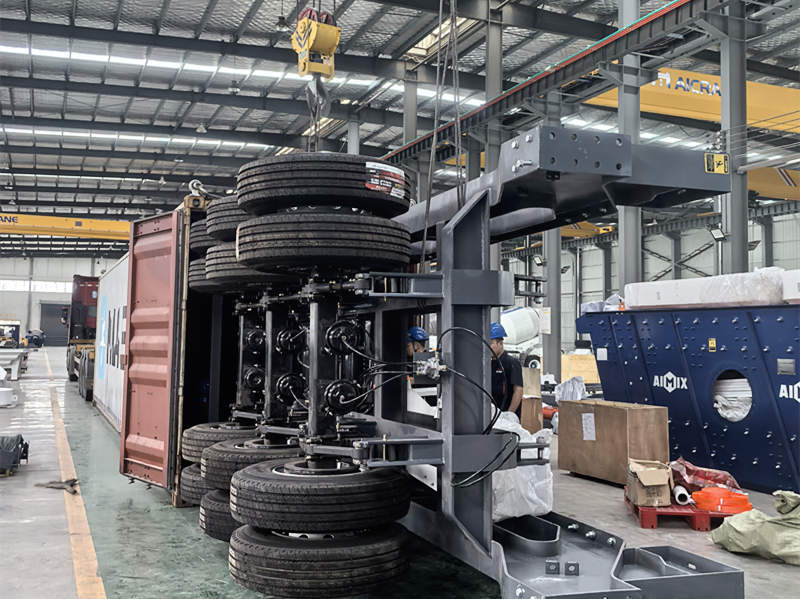

Strict Quality Control: The Foundation of Reliable Production
Quality is the cornerstone of reliable production. We strictly control every link—from core component selection (e.g., crusher bearings, motors) to full-process production supervision. All stone crusher plants (mobile or stationary) undergo rigorous pre-delivery inspections to withstand long-term high-intensity operations, helping you reduce equipment failures, lower maintenance costs and ensure stable efficiency.
Professional Customization Service: Tailored to Your Unique Needs
We offer personalized customization tailored to your raw material, capacity and site needs. Senior consultants respond within 2 hours to understand your requirements, and technical managers design 2-3 targeted solutions (with parameters, 3D drawings, etc.). Whether it’s a mini stone crusher plant for rural projects or a 300 tph mining crusher plant, we deliver the best fit.
Comprehensive Installation Support: Smooth Start of Production Guaranteed
Our professional stone crusher plant installation team provides on-site installation, commissioning and operator training. With warehouses in Indonesia, Malaysia, Pakistan and other countries, we ensure timely equipment/parts supply. We also offer one-stop customs clearance services for import-newcomer customers, guaranteeing a smooth start-up.
All-Round After-Sales Service: No Worries About Subsequent Operation
Our service extends beyond delivery. With dedicated staff in 100+ countries, we offer quick responses for failures, spare parts and technical consultation. Turnkey service is available—we handle everything from transportation and customs clearance to installation, letting you start production without worries.
Understanding reliable equipment and service support lays a solid foundation for smooth project operation. Looking ahead, the stone crusher plant industry is evolving rapidly driven by technology and policies—and grasping these changes isn’t just about knowing industry trends, but more about finding opportunities to enhance project efficiency, reduce costs, and avoid potential risks. Next, we’ll interpret the core development trends of the industry, focusing on how these changes can bring practical value to your projects.
Industry Outlook: Future Development Trends of Stone Crusher Plant
Driven by global infrastructure upgrading, environmental protection policies and technological progress, the stone crusher plant industry is moving towards a more intelligent, green and flexible direction. These trends are not distant industry concepts, but practical changes that directly affect project profitability and long-term operation. Below are the core trends and their practical value for you:
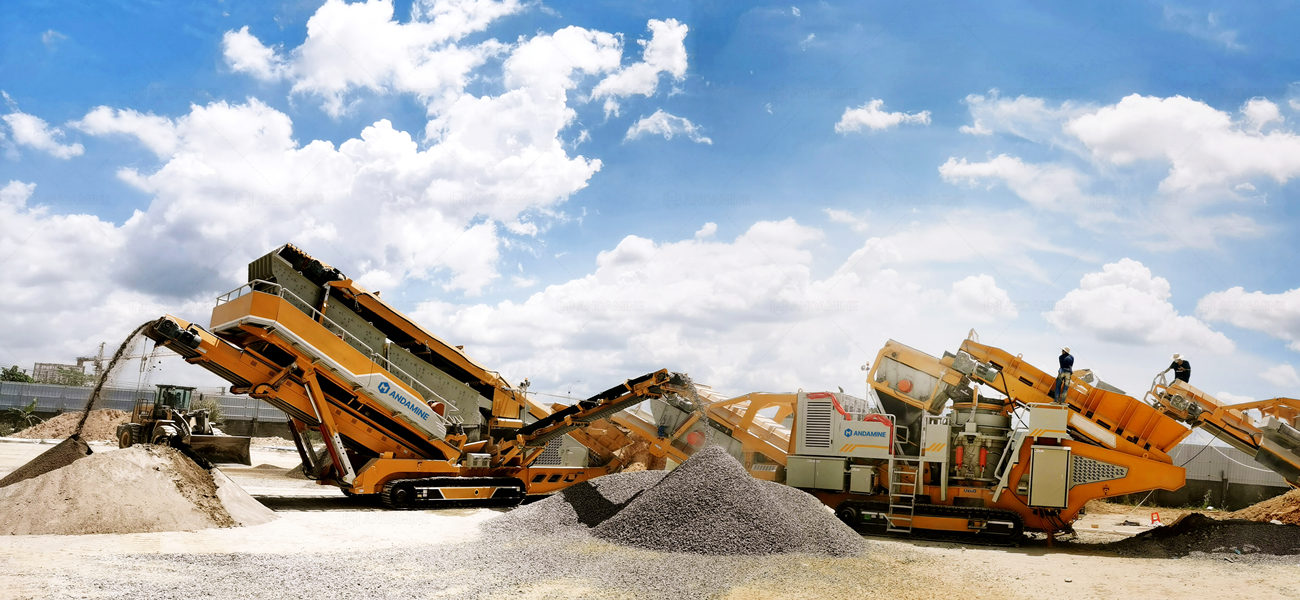
Intelligent Control: Digital Technology Reduces Costs and Improves Efficiency
Intelligent upgrading has become a key way to enhance project competitiveness. The future stone crusher plant will deeply integrate 5G, Internet of Things and artificial intelligence technologies—for example, advanced equipment already adopts integrated frequency conversion and remote control systems. This means you can real-time monitor equipment status, receive automatic fault warnings, and intelligently optimize production parameters without on-site supervision. The direct benefits include reduced manual operation costs, fewer unexpected downtime losses, and more stable production efficiency, helping to achieve refined management of production lines and improve overall profitability.
Environmental Upgrade: Compliance Operation Avoids Risks and Enhances Sustainability
With the deepening of global “net zero emission” goals and green mine construction policies, environmental protection has become a rigid threshold for project operation. Future equipment will focus on energy conservation and emission reduction: on one hand, new energy-powered models will gradually replace traditional fuel equipment; on the other hand, dust control systems will be optimized, and low-energy-consuming core components will be widely used. For you, this means avoiding policy fines due to non-compliance, reducing environmental treatment costs, and making projects more sustainable—whether for long-term operation or brand image, it will bring positive value. Many enterprises have begun to increase investment in such environmental protection technologies, such as energy-saving tires and supporting photovoltaic power generation systems.
Modular Design: Flexible Configuration Adapts to Diverse Needs and Saves Investment
Modular design will become the mainstream to adapt to diverse project scenarios. Integrated modular equipment can be quickly assembled and disassembled, and the combination of crusher screening plant modules can be flexibly adjusted according to raw material types and output requirements. What does this mean for you? It can significantly shorten the installation cycle and reduce initial construction costs; at the same time, it supports phased investment and expansion—you can start with basic modules according to current needs and add functions later as the project scales up. This is especially friendly for projects with limited initial funds or scattered raw material sites.
Mobileization & Scene Adaptation: On-Site Operation Improves Resource Utilization
Mobile stone crusher plant will be more widely used, especially in small mines and urban construction sites. Future mobile equipment will have stronger adaptability to complex terrains—for example, crawler-type models with better off-road performance can easily enter mountainous or muddy areas. More importantly, customized mobile solutions for specific scenarios (such as highway construction, urban demolition waste recycling) will continue to emerge, enabling “on-site crushing and on-site utilization”. This can greatly reduce the transportation cost of raw materials and finished products, improve resource utilization efficiency, and make project layout more flexible.
From understanding stone crusher plant basics to avoiding selection traps, and from grasping practical equipment advantages to seizing future industry opportunities, this guide covers all core needs for your project success. With professional customization and full-process support, we’re here to turn these insights into tangible project value. Contact us today to get a personalized solution tailored to your needs and start your efficient, sustainable production journey.