
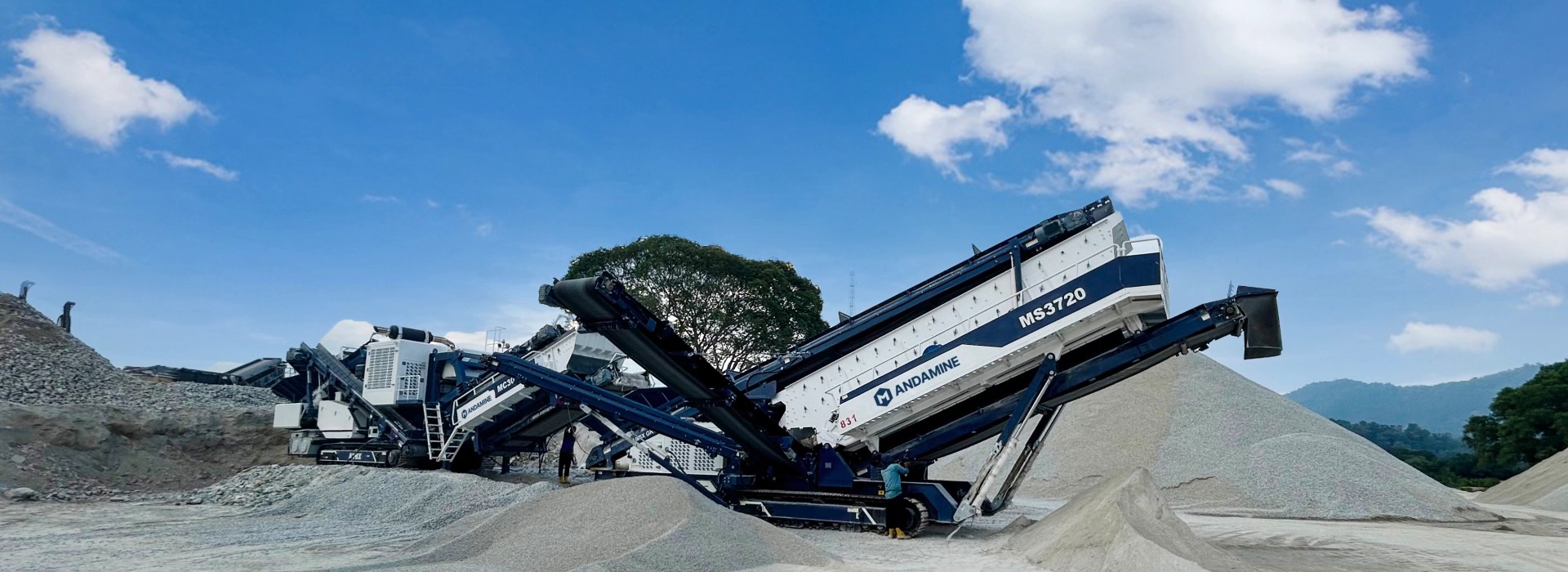
A sand making machine offers high efficiency, stable output, and advanced crushing technology, making it a smart choice for modern construction and industrial projects. As demand for quality sand and aggregates grows, these machines provide reliable production, lower operating costs, and long-term returns. Investing in a dependable sand making machine helps projects stay on schedule while ensuring consistent material quality and profitability.

Efficient Sand Making Production Line for High-Quality Output
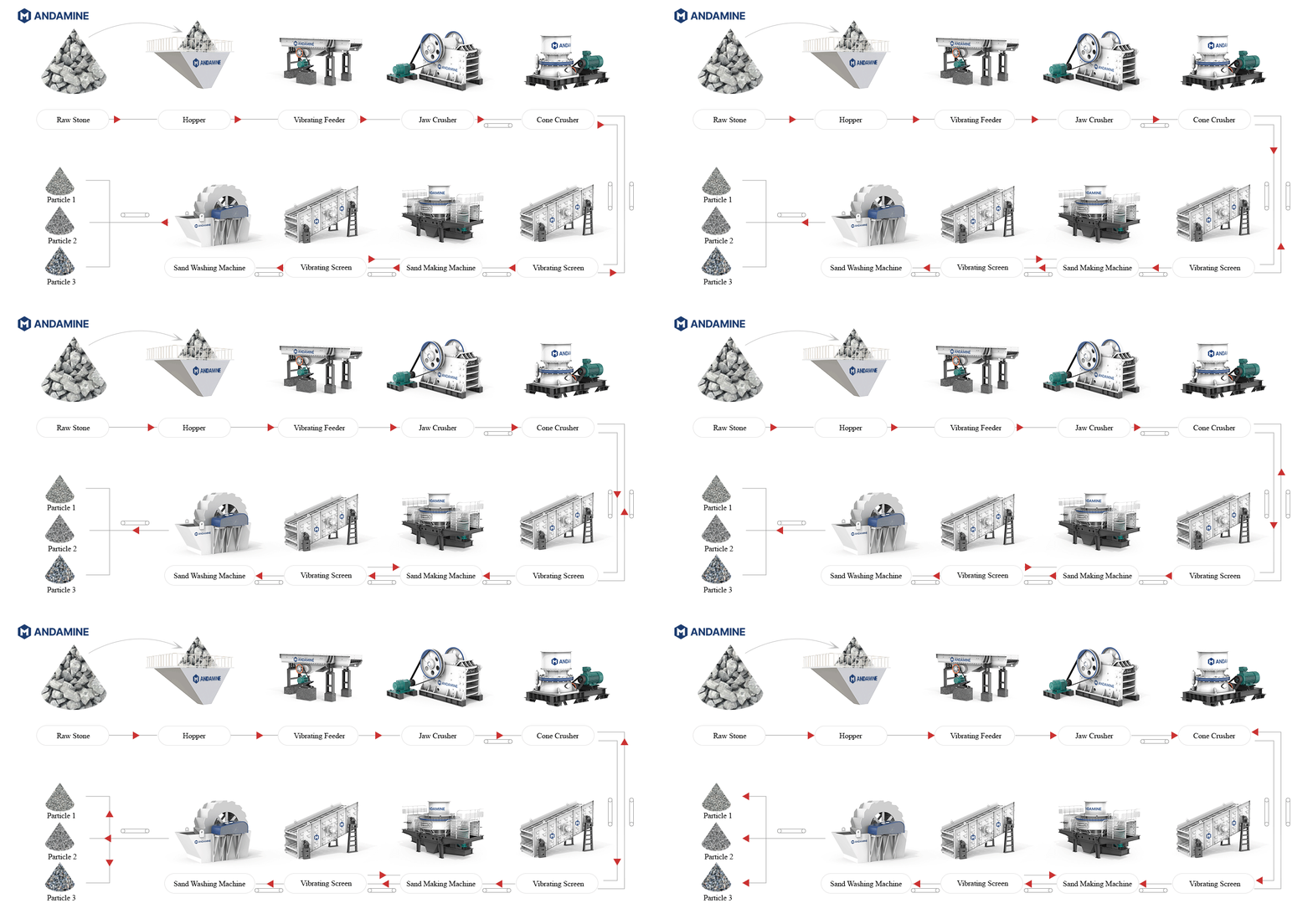
A sand making production line efficiently transforms raw materials into high-quality sand and aggregates through an integrated system. By combining multiple machines and processes, it ensures consistent production, cost-effectiveness, and adaptability to different project requirements.
Feeding and Pre-Crushing
The first stage involves preparing raw materials for primary crushing. Feeders regulate the flow of rocks, gravel, or recycled materials, ensuring a uniform and controlled input. Proper pre-crushing reduces wear on downstream equipment, improves overall efficiency, and maintains consistent output quality.


Primary and Secondary Crushing
After pre-crushing, raw materials pass through primary and secondary crushers to produce sand-sized particles efficiently. Primary crushing typically uses jaw crushers, capable of handling large rocks and reducing them into manageable sizes for further processing.
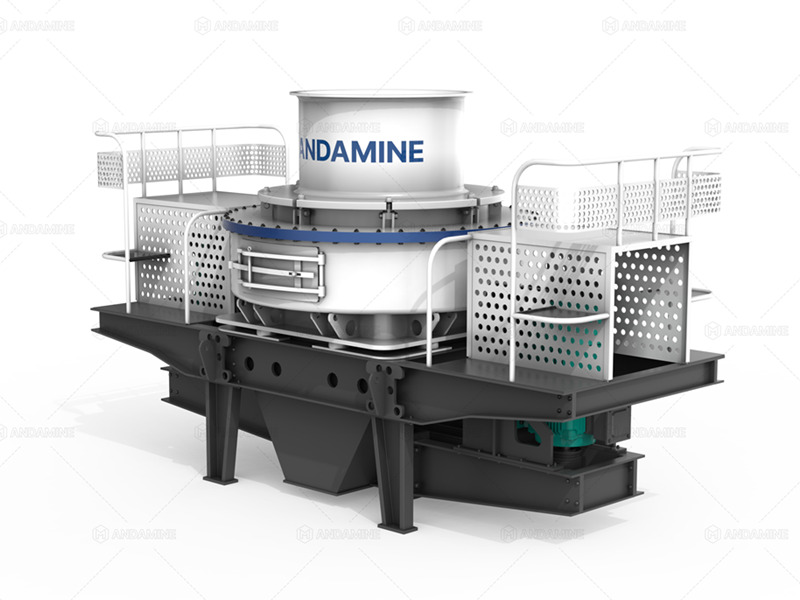
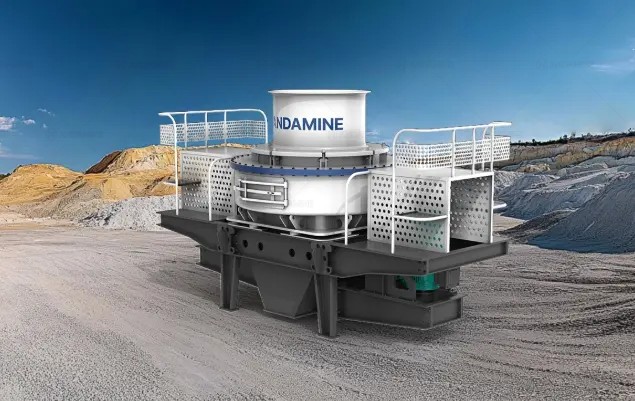
Secondary crushing employs cone crushers, impact crushers, or VSI sand making machines to refine materials into finer, uniform particles. VSI crusher machines are particularly valued for producing well-shaped, cubic sand ideal for high-quality concrete, mortar, and asphalt applications.
APJ-V European Jaw Crusher

- Capacity: 65-800t/h
- Max Feeding Size: 420mm-1000mm
- Motor Power: 75-250 kw
- Features:This European type jaw crusher machine include a V-shaped deep crushing chamber for improved efficiency, a larger feed opening for handling bigger materials, and adjustable discharge settings to meet diverse application requirements.
APC-C Compound Cone Crusher

- Capacity: 18-655 t/h
- Inlet Size(mm): 267
- Min. Output Size(mm): 6-64
- Features: Equipped with both springs and hydraulic cylinders, this compound type cone crushing machine offers excellent particle size distribution, easy maintenance, and is commonly used for medium and fine crushing applications.
APF Impact Crusher Machine
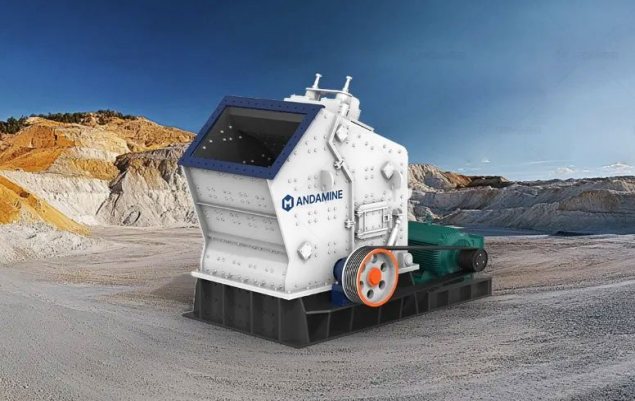
- Capacity: 50-550 t/h
- Inlet Size(mm): ≤900 mm
- Finished Products Size: 5~200 mm
- Features: Widely used for medium-sized crushing in mining, metallurgy, construction, and related industries, this impactor crusher features a modular design for easy wear part replacement and delivers well-shaped end products.
VSI Sand Making Crusher Machine
Screening and Washing
The crushed material is then screened and washed to remove impurities, oversized particles, and dust. Screening ensures that only properly graded sand reaches the final stage, while washing improves sand cleanliness, quality, and workability. For investors, this ensures that the sand produced meets strict industry standards and project requirements.


Conveying and Stockpiling
Finished sand is transported via conveyors to silos or stockpiles, streamlining logistics and enabling continuous production. Automated systems reduce manual labor, minimize material loss, and support large-scale operations efficiently.

Modern sand production lines often include automation, real-time monitoring, and smart control systems, allowing operators to track machine performance, energy consumption, and material flow. This integrated approach ensures high throughput, consistent sand quality, and optimized production, making the sand making production line a valuable asset for construction and industrial projects.
Project Case: 200T Stationary Sand Making Plant Working Efficiently In Uzbekistan

- Output: 200-250 t/h
- Raw materials: river pebbles
- Finished products sizes: 0-5mm, 5-20mm, 20-40mm, and 40-70mm.
- Configurations: APG-4911W (vibrating feeder) + APJ-7510E (jaw crusher) + APC-300M (cone crusher) + APV-1145 (vsi crusher) + APW-3019D (sand washing machine).
- Customer feedback: “It’s been a pleasure working with Andamine, a truly professional manufacturer. Having a local office makes communication easier and builds trust. From delivery to installation, they provided attentive support, sending engineers to assist on-site. The sand-making production line has been running smoothly for a long time, and I’m very satisfied. I would gladly recommend Andamine’s crushing plants to others.”
Performance and Advantages of Sand Making Machine
Modern sand making machines provide many benefits, making them essential for construction, infrastructure, and industrial projects. Their smart design ensures high efficiency, consistent sand quality, and flexible operation, giving clear value to investors.

High Production Efficiency and Output
Sand making machines are engineered to process large volumes of material quickly. Advanced rotor designs, optimized crushing chambers, and high-capacity feeding systems enable maximum throughput, allowing projects to meet deadlines and maintain a continuous supply of sand. For large-scale construction and infrastructure projects, this translates into faster project completion and improved productivity.
Superior Particle Shape and Uniform Gradation
One of the key advantages of modern machines is their ability to produce well-shaped, cubic sand particles with consistent gradation. Uniform sand improves concrete strength, workability, and overall structural performance. Investors benefit from reduced material waste, fewer quality issues, and better adherence to engineering specifications.
Energy Efficiency and Environmental Friendliness
Designed with sustainability in mind, modern sand making machines feature low energy consumption, dust suppression systems, and material recycling capabilities. By minimizing power usage, controlling dust emissions, and enabling the reuse of materials, these machines help businesses meet environmental regulations and reduce operational costs while supporting green construction initiatives.
Mobility and Modular Design
Many sand maker machines are mobile or modular, allowing them to be deployed directly on-site or reconfigured according to project requirements. This flexibility reduces transportation costs, adapts to varying project scales, and enables operators to maintain production in multiple locations. It also allows rapid installation and relocation, enhancing operational efficiency.
Key Applications of Sand Making Machines Across Industries
Sand making machines are essential across multiple industries, providing high-quality, consistent sand for construction, infrastructure, industrial production, and recycling. Their versatility helps businesses meet material demands efficiently while supporting sustainability and regulatory compliance. Understanding these applications helps buyers choose the right machine for productivity and long-term benefits.
Construction Industry: Application in Building Materials
In construction, sand is vital for producing concrete, mortar, and asphalt. Rock sand making machines provide manufactured sand with uniform particle size and optimized gradation, ensuring stronger concrete and better bonding in mortar mixes. Unlike natural river sand, machine-made sand offers consistent quality, essential for high-rise buildings, residential complexes, and commercial projects.
For example, ready-mix concrete producers can rely on machine-made sand to reduce material variability. This ensures each batch meets engineering specifications, improves structural integrity, minimizes waste, and lowers the risk of project delays.
Infrastructure Projects: Sand Applications for Roads, Bridges, and Airports
Infrastructure projects require large volumes of durable, well-graded sand. Sand making machines produce crushed sand suitable for highways, bridges, tunnels, and airports. Mobile or modular setups allow on-site production, reducing transportation costs and accelerating project timelines.
For instance, highway construction often demands thousands of tons of sand for sub-base and asphalt layers. A portable sand making plant on-site delivers consistent material directly to mixing units, ensuring uniform quality and reducing delays caused by long-distance transport.
Mining and Industrial Uses: Specialty Applications in Manufacturing
Beyond construction, sand making machinery serves industrial and mining operations. They produce sand for glass production, ceramics, foundry casting, and other mineral-based industries. Precise control over particle size and purity ensures materials meet specific industry standards.
For example, a glass plant requires fine, contaminant-free sand. Using sand from specialized machines helps maintain consistent quality, reduce material rejection, and optimize production efficiency.
Recycling and Sustainability: Application in Waste-to-Sand Conversion
Sustainability is increasingly important in construction and industry. Sand manufacturing machines can recycle construction and demolition waste, such as concrete, bricks, and rubble, into high-quality sand. This reduces landfill waste and reliance on natural river sand.
For example, a demolition project in an urban area can process debris on-site with a mobile sand making machine, converting waste into reusable material for new construction. This approach lowers costs, supports green building standards, and enhances environmental compliance.
Sand Making Plant: Investment Costs, ROI, and Project Strategies
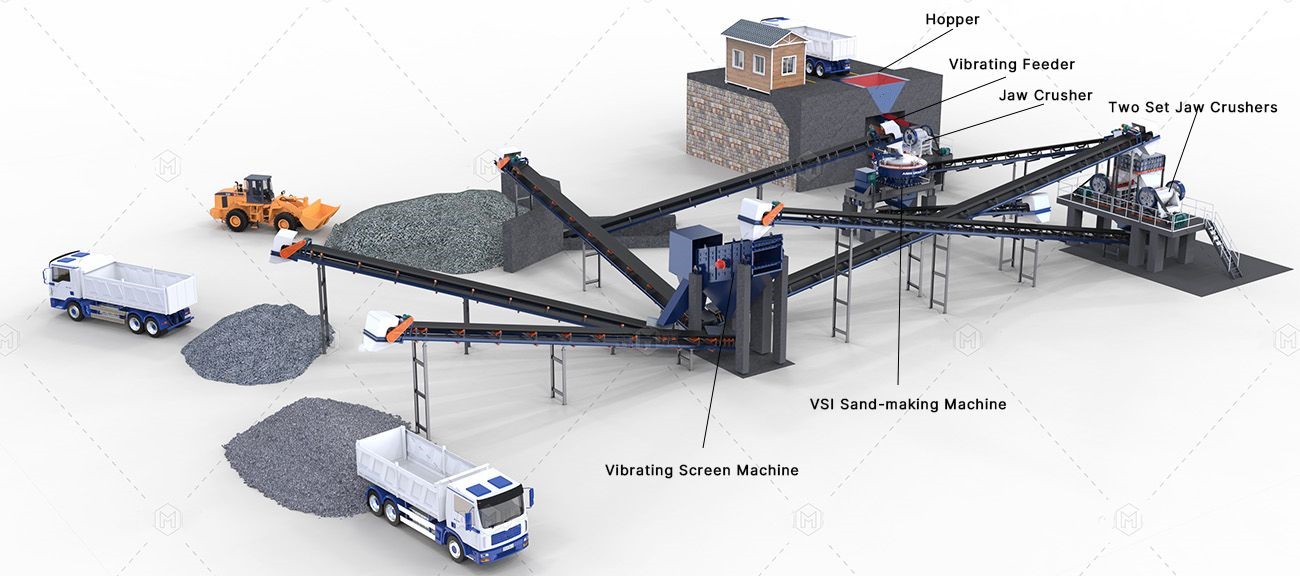
As demand for high-quality manufactured sand grows in construction and real estate, sand making plants are now more than just machines—they are strategic investments that affect profits and competitiveness. Companies should carefully consider costs, return on investment (ROI), and the right equipment for the size of their projects.
Investment Cost Analysis
The total investment for a sand making machine project typically includes the sand making machine price, installation and commissioning, and ongoing operating costs. Understanding each component helps businesses plan effectively and achieve long-term profitability.
- Equipment Cost: Covers the sand making machine itself along with crushers, vibrating screens, conveyors, and electrical control systems. While advanced equipment requires higher upfront investment, it ensures better efficiency and long-term savings.
- Installation and Commissioning: Includes civil works, steel structures, logistics, assembly, and on-site adjustments. Fixed plants usually require larger investments, whereas mobile or modular plants reduce foundation and relocation costs.
- Operating Costs: Consist of power consumption, spare parts replacement, labor, and daily maintenance. Energy-efficient motors, frequency converters, and wear-resistant components can significantly reduce running costs.
By carefully balancing the initial sand making plant price with long-term operational savings, investors can achieve sustainable returns, faster ROI, and competitive advantages in the growing manufactured sand market.
ROI and Production Efficiency
The ROI of a sand making plant depends on production capacity, sand quality, market demand, and overall operating costs.
High-capacity machines require larger investments but enable faster output, higher sales, and quicker returns when sand prices are strong.
Better sand quality boosts market competitiveness, commands higher prices, builds customer loyalty, and shortens the payback period for investors.
Energy-efficient machines reduce electricity use, lower maintenance costs, and improve profit margins, helping companies recover investments more quickly.
On average, medium- to large-scale sand plants achieve ROI within 6 months to 2 years. Smaller or mobile sand making machines recover costs faster due to lower initial investment, making them ideal for small and medium-sized enterprises and short-term projects.
Selection Strategies for Different Project Scales
Equipment choice varies depending on project size, production goals, and local market demand, making proper selection critical for success.
- Large commercial concrete or mining enterprises: These businesses should prioritize high-capacity, fully automated sand making plants that not only deliver maximum output but also focus on energy efficiency, cost control, and compliance with strict environmental regulations.
- Medium-sized concrete producers or regional aggregate suppliers: Companies in this category benefit from mid-range capacity machines that strike a balance between reasonable investment, reliable performance, and operational flexibility to meet steady market demand.
- Project-based applications (road, water conservancy, port construction): For temporary or location-specific projects, modular or mobile sand making machines provide unmatched flexibility, fast installation, and lower infrastructure and relocation costs, making them ideal for short-term or scattered worksites.
By aligning equipment choices and investment strategies with specific project requirements, businesses can minimize operational risks, optimize returns, and maintain sustainable competitiveness in the growing aggregate and construction materials market.
Trusted Sand Making Machine Manufacturer – Andamine
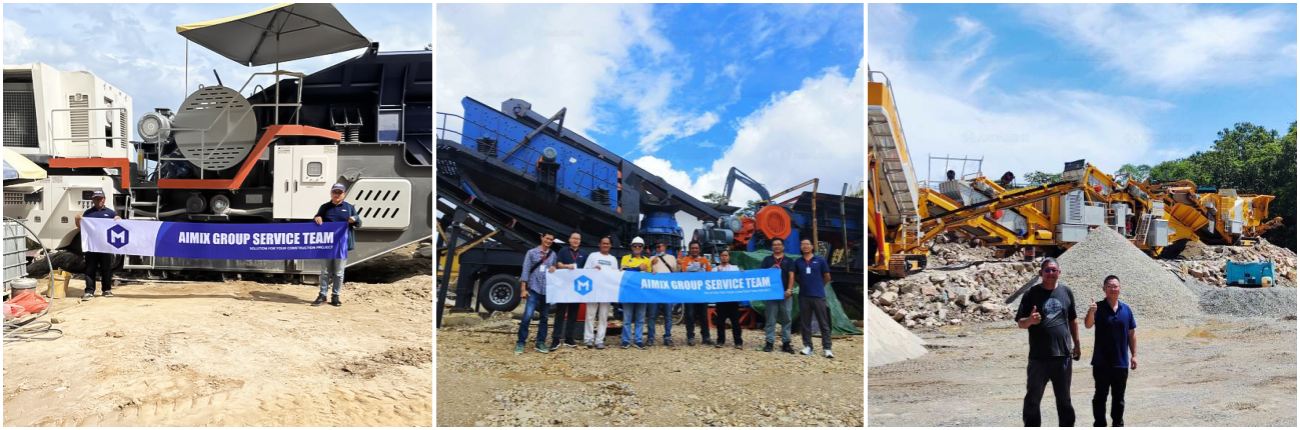
Trusted by clients worldwide, Andamine manufactures sand making machines that deliver high-quality sand, flexible operation, and comprehensive support, helping businesses optimize production and reduce costs. We’re here to provide customized solutions tailored to your unique needs—feel free to get in touch.
Advanced Technology and High Performance
Andamine is a reliable sand making machine manufacturer, renowned for combining advanced technology with decades of industry experience. Our machines are engineered for high efficiency, durability, and precise particle shaping, ensuring consistent sand quality for construction, infrastructure, and industrial projects.
Wide Range of Equipment
We offer stationary and mobile sand making machines, capable of handling diverse materials from natural aggregates to recycled construction waste. This variety allows clients to choose machines that best fit their project scale and material types.
Energy Efficiency and Sustainability
Andamine emphasizes energy-saving designs and environmental sustainability, integrating dust suppression, material recycling, and smart control systems into the sand production equipment to reduce operational costs and environmental impact.
Comprehensive Customer Support
Beyond equipment, our company provides full-service support, including project consultation, equipment selection, installation, commissioning, maintenance, training and more. This holistic approach helps clients optimize production and achieve long-term success.
Trusted Global Partner
With a proven track record and commitment to innovation, we have earned the trust of customers worldwide, establishing us as a reliable partner for high-quality sand production.
Maintenance and Operational Tips for Sand Making Machinery
Proper maintenance and good operating practices are key to keeping sand making machinery working well, reliably, and efficiently for a long time. By following these guidelines, you can reduce downtime, lower repair costs, and make the equipment last longer.
Regular Inspection of Rotors and Wear PartsThe rotor and wear parts of a sand making machine are critical components subjected to constant impact and friction. Frequent inspections allow operators to detect signs of wear, cracks, or damage early. Timely replacement or repair prevents unexpected breakdowns, maintains consistent sand quality, and ensures safe operation.
Proper Feeding and Avoiding OverloadFeeding materials uniformly and avoiding overloading are essential for optimal performance. Uneven or excessive material can strain the rotor and crushing chamber, leading to reduced efficiency, increased wear, and potential equipment failure. Proper training of operators and use of automated feeding systems can maintain steady throughput and consistent output quality.
Lubrication and Preventive MaintenanceConsistent lubrication of bearings, gears, and other moving parts reduces friction and wear, improving operational efficiency. In addition, preventive maintenance—such as checking belts, tightening bolts, and monitoring vibration and temperature—helps identify potential issues before they become major problems. This proactive approach reduces unplanned downtime and maintenance costs, ensuring the production line runs smoothly.
Environmental and Sustainable Considerations in Sand Making Plant
Modern sand making plants are now designed to be eco-friendly and meet environmental regulations. With stricter rules and more demand for green construction, these machines help reduce environmental impact while still producing sand efficiently.
Dust Control
Dust is a big concern in sand production because it can harm workers and the environment. Modern sand making machines use water sprays, dust collectors, and enclosed conveyors to control dust right where it is produced. This keeps workers safer and prevents dust from spreading into nearby areas, creating a cleaner workplace.
Water Recycling
Water is essential for dust suppression and sand washing, but excessive usage can strain local resources. Many modern plants incorporate closed-loop water recycling systems, which treat and reuse water continuously. This approach significantly reduces water consumption, lowers operational costs, and supports sustainable production practices, especially in water-scarce regions.
Noise Reduction
Operational noise from crushers, conveyors, and screens can affect both workers and nearby residents. To mitigate this, sand manufacturing machines often feature acoustic enclosures, vibration dampening systems, and optimized machinery layouts. These technologies reduce noise levels, helping plants comply with regulations while improving workplace comfort and community relations.
Use of Recycled Materials
Sustainable sand production also focuses on reusing materials. Modern machines can turn construction waste, industrial by-products, and low-quality aggregates into high-quality sand. This reduces the need for natural river sand and promotes a circular economy, helping businesses meet green building goals and enhance their reputation.
Future Trends in Sand Making Machines
As the construction and infrastructure sectors grow globally, sand making machines are evolving to meet higher efficiency, sustainability, and flexibility requirements.

Smart Automation and AI Integration
Automation and artificial intelligence are transforming sand production. Advanced control systems allow real-time monitoring, automated feed adjustment, and predictive maintenance. This trend reduces downtime, improves production efficiency, and minimizes human error, making operations more reliable and cost-effective.
Energy Efficiency and Low-Carbon Operation
With increasing emphasis on sustainability, sand making machinery is becoming more energy-efficient. High-efficiency motors, variable-frequency drives (VFDs), and hybrid power systems reduce electricity and fuel consumption. Some modern machines even integrate renewable energy solutions, lowering carbon emissions and operational costs.
Multi-Functional and Flexible Machines
Future sand making plants will combine crushing, shaping, screening, and washing in a single system. They can handle diverse materials, including natural stone, recycled concrete, and industrial by-products. Mobile and modular designs allow on-site production, reducing transport costs and improving project adaptability.
Environmental Sustainability and Recycling Integration
Sustainable production is a key trend. Machines are increasingly designed to minimize dust, noise, and water consumption. They also support recycling by processing construction and demolition waste into high-quality sand, reducing reliance on natural river sand and promoting green construction practices.