

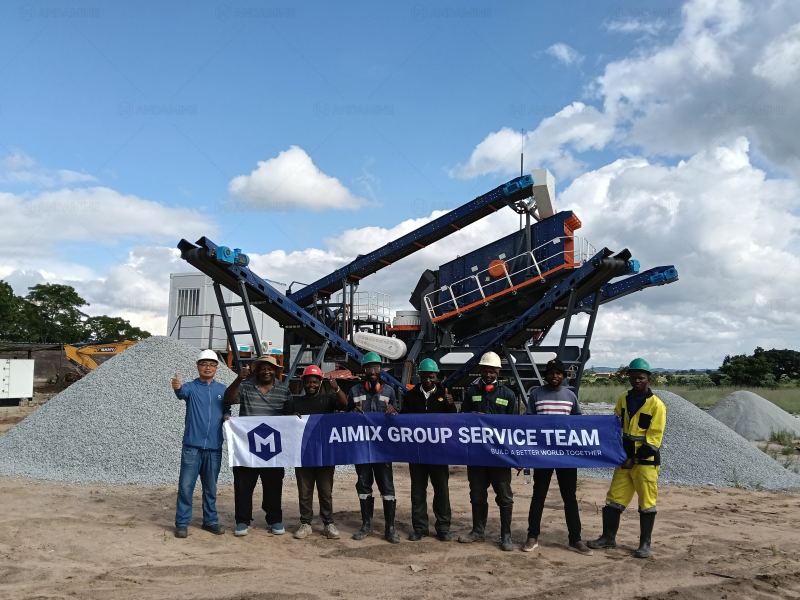
How to choose a rock crusher? With so many types, capacities, and configurations available, selecting the right machine can be confusing. Choosing the wrong rock crusher can result in increased costs, lower efficiency, and operational issues. This guide provides a clear, step-by-step approach to help you choose the right rock crusher based on your project needs, material characteristics, and production goals.
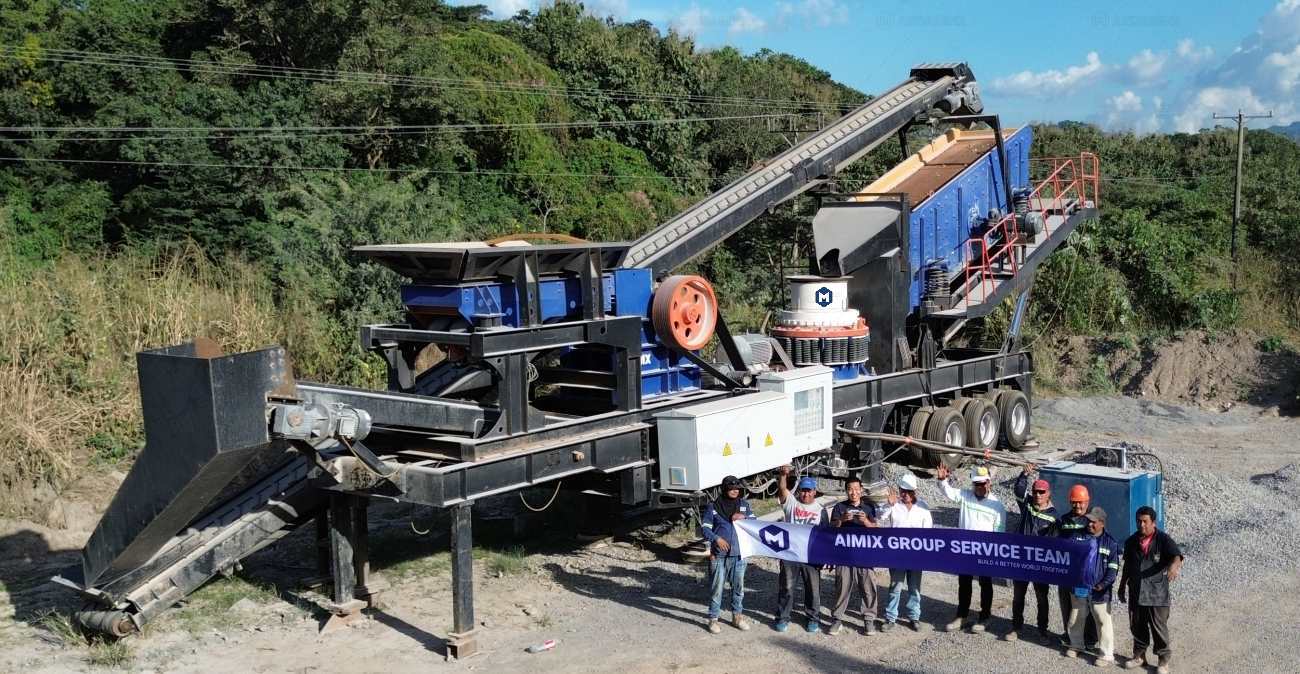
Step 1: Define Your Project Requirements
Before selecting a rock crusher, it is essential to define your project requirements clearly. Different projects have varying needs in terms of capacity, material types, and final product specifications. Setting these priorities early ensures you choose the right equipment, improve efficiency, and maximize ROI.
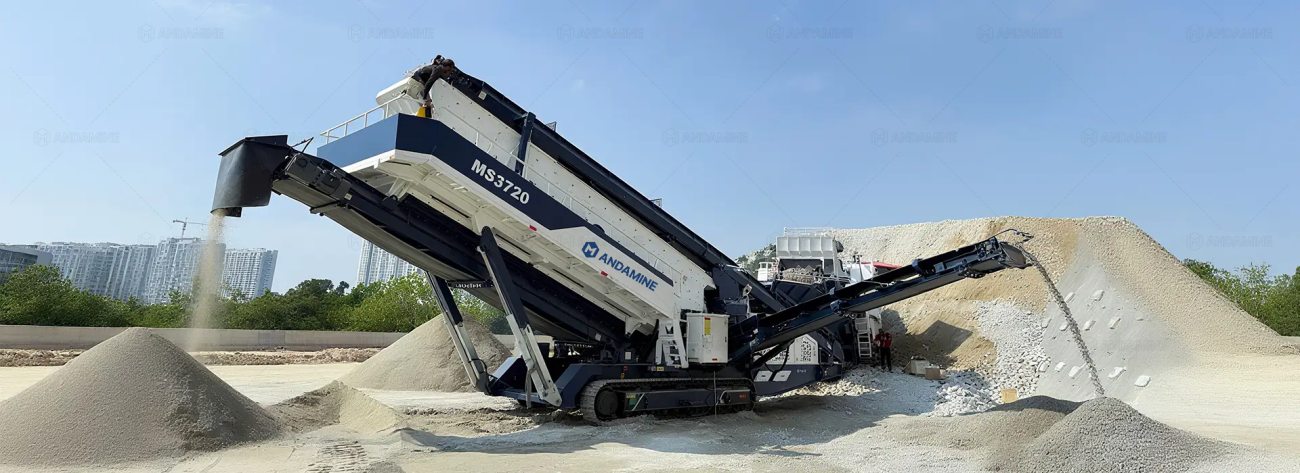
Identify Your Application
The type of application determines the core requirements of the crusher. Clarifying this early helps you focus on the important performance factors.
Main applications and key considerations:
Construction (roads, buildings, infrastructure)
- Focuses on stable production and consistent aggregate quality for construction projects.
- Typical materials: include concrete aggregate and road base, suitable for foundations and pavements.
Mining and quarrying
- Designed for hard rock and high-volume continuous production.
- Requires durable, high-strength equipment to maintain efficiency and reduce downtime.
Recycling (concrete, asphalt, demolition waste)
- Handles mixed or variable materials efficiently.
- Often includes steel or debris, producing reusable aggregates for new projects.
Quick guidance:
- Construction → prioritize particle shape and uniformity
- Mining → prioritize capacity and durability
- Recycling → prioritize flexibility and adaptability
Determine Required Capacity (TPH)
Capacity, measured in tons per hour (TPH), directly impacts project progress and operational efficiency. Choosing the right capacity avoids bottlenecks or wasted energy.
How to estimate required capacity:
- Calculate daily production. Example: 1,000 tons/day
- Divide by operational hours. Example: 1,000 ÷ 10 hours = 100 TPH
- Add a 10–20% buffer for material flow variations
Reference capacity ranges:
- Small projects: 50–100 TPH
- Medium projects: 100–200 TPH
- Large projects: 200+ TPH
Common mistakes:
- Choosing too small → production bottlenecks
- Choosing too large → higher energy consumption without efficiency gains
Understand Output Size and Shape Requirements
Defining the final product size and shape ensures that the crushed material meets engineering standards and avoids reprocessing.
Key factors to consider:
Particle size:
- Road base: 20–40 mm
- Concrete aggregates: 5–20 mm
- Fine materials: <5 mm
Particle shape:
- Cubical → improves concrete strength and compaction
- Irregular → acceptable for general fill or road sub-base
Match with downstream use:
- Material must meet requirements of the next stage (construction, mixing, or paving)
- Poorly defined output can lead to 5–15% material waste
Step 2: Analyze Material Characteristics
Understanding the characteristics of the material you need to crush is critical for selecting the right rock crusher. Material properties influence not only the type of crusher you choose but also its durability, efficiency, and maintenance requirements.
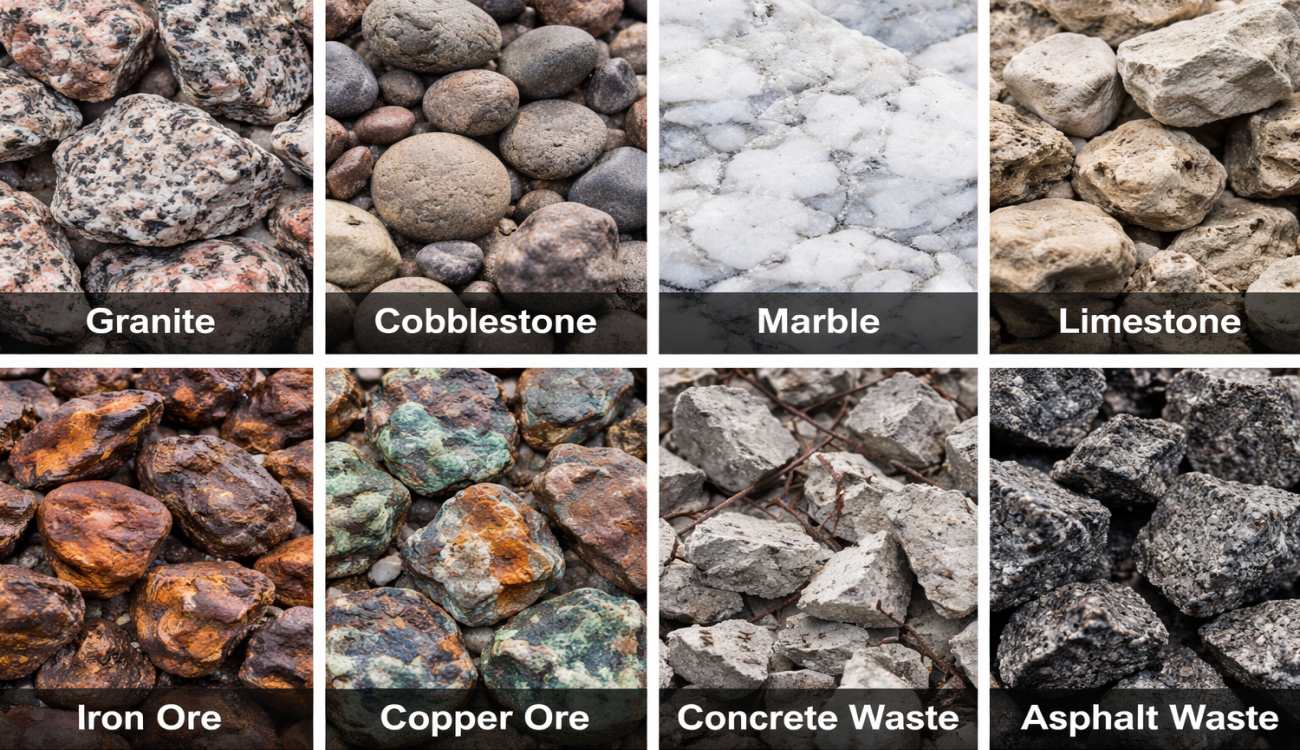
Rock Hardness
Rock hardness is one of the most important factors in crusher selection. Hard materials require more robust equipment, while soft rocks can be processed with simpler machines.
Key points to consider:
Hard rocks (e.g., granite, basalt):
- Require heavy-duty crushers such as jaw or cone crushers
- Higher resistance to crushing → slower throughput if machine is underpowered
Soft rocks (e.g., limestone, sandstone):
- Can often be crushed with impact crushers or lighter equipment
- Faster processing and lower wear costs
Best practices:
- Use the Mohs hardness scale to classify rock hardness. For example, granite is 6–7, limestone is 3–4. This helps match crusher strength to material.
- Incorrectly matching hardness → frequent breakdowns, higher maintenance, and reduced efficiency.
Moisture Content and Stickiness
The moisture level and stickiness of the material affect feeding, crushing efficiency, and even plant safety. High moisture can cause material to clump, stick to parts, or clog the crusher.
Considerations for crushing wet materials:
- Low to moderate moisture (<5–8%): Usually manageable without special preparation
- High moisture (>10–12%): May require pre-screening, drying, or special feeders to prevent clogging
- Sticky materials like clay-rich rock may reduce throughput and increase wear on liners
Best practices:
- Inspect material for water content during site surveys
- For sticky materials, consider impact crushers with anti-clog designs or use a pre-screening system to remove fines before crushing
Abrasiveness
Abrasiveness affects wear on crusher components, maintenance frequency, and overall operational cost. Materials with high silica content or hard particles cause rapid wear on liners, hammers, and conveyor belts.
Key considerations:
- High-abrasion materials: Granite, quartzite, basalt → require durable, abrasion-resistant crushers
- Medium-abrasion materials: Limestone, sandstone → standard wear parts may suffice
- Low-abrasion materials: Soft recycled concrete, some gravel → lower maintenance cost
Best practices:
- Choose crushers with wear-resistant alloys or replaceable liners for high-abrasion rock
- Factor in replacement cost: high-abrasion materials may increase maintenance by 20–40% annually compared to soft rocks
Step 3: Choose the Right Crusher Type Based on Your Needs
Selecting the right crusher type is a critical step to ensure efficiency, cost-effectiveness, and high-quality output. The choice depends on your project stage, material characteristics, and desired particle size and shape. Choosing incorrectly can lead to excessive wear, higher energy consumption, and inconsistent material quality. Understanding the strengths and limitations of each crusher type will help you make an informed decision.
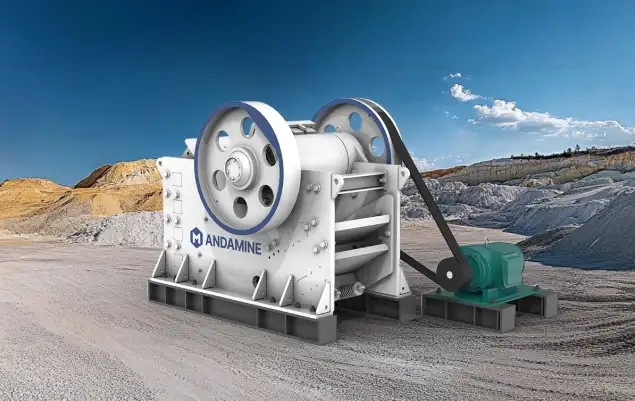
When to Choose a Jaw Crusher
Jaw crushers are most suitable for primary crushing, where large and hard materials need to be broken down into manageable sizes. They are designed to handle very large feed sizes and are typically used as the first step in a multi-stage crushing process.
Capacity:20-1200t/h
Max Feeding Size:<680mm
Output Size:3-60mm
Key considerations:
- Best for hard rocks such as granite, basalt, or tough quarry stone.
- Handles large boulders efficiently, reducing the need for pre-sizing.
- Reliable and simple in structure, which makes maintenance easier.
Helpful tips:
- If your material exceeds 600 mm, a jaw crusher is usually the best starting point.
- Primary crushing with a jaw crusher helps protect downstream crushers and improves overall production efficiency.
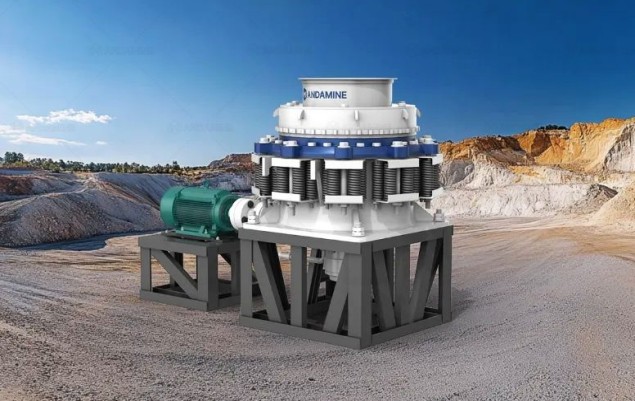
When to Choose a Cone Crusher
Cone crushers are generally used for secondary or tertiary crushing, providing consistent particle size and high efficiency. They are ideal for medium to hard rocks that have already been reduced by a primary crusher.
Capacity:50-1200t/h
Max Feeding Size:<350mm
Output Size:3-60mm
Key considerations:
- Produces uniform aggregate sizes, suitable for concrete and asphalt applications.
- High throughput with relatively low maintenance compared to impact crushers.
- Can be adjusted to control final particle size precisely.
Helpful tips:
- Use a cone crusher after a jaw crusher when you need 10–40 mm aggregate.
- Adjusting the crusher’s gap and speed can help achieve the desired particle distribution.
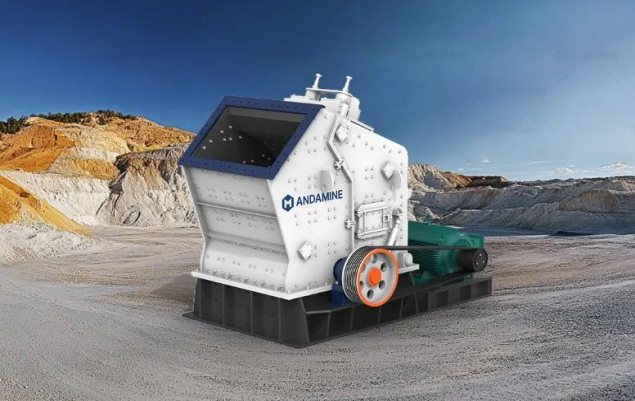
When to Choose an Impact Crusher
Impact crushers are better suited for softer materials or recycling applications. They are particularly effective for producing well-shaped, cubical particles, which is essential for concrete production.
Capacity:20-900t/h
Max Feeding Size:<700mm
Output Size:5-180mm
Key considerations:
- Works well with limestone, sandstone, and recycled concrete or asphalt.
- Produces better particle shape compared to jaw or cone crushers.
- Flexible in handling materials with variable composition.
Helpful tips:
- Avoid using impact crushers for very hard materials, as wear parts may need frequent replacement.
- Consider pre-screening materials to remove fines and prevent clogging.
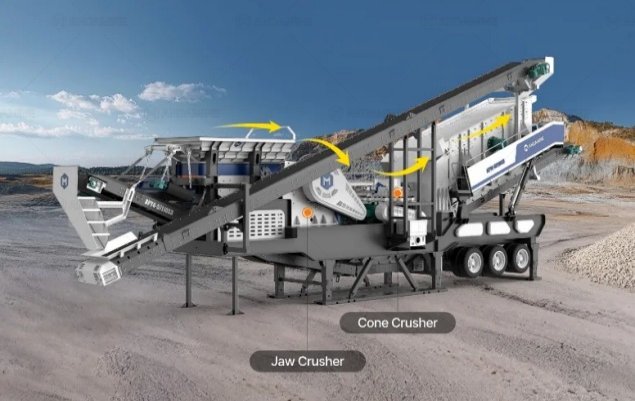
Multi-Stage Crushing Combinations
Some projects require multi-stage crushing setups to achieve the desired output efficiently. Combining different crusher types allows for optimized production, improved particle shape, and reduced wear on individual machines.
Common combinations:
- Jaw + Cone: Standard setup for hard rock and large-scale aggregate production.
- Jaw + Impact: Suitable when processing both hard rock and softer or recycled materials.
When multi-stage setups are necessary:
- Large-scale projects requiring high throughput need multi-stage crushing systems for stable, efficient production.
- Material is too hard or variable for a single crusher, requiring multiple machines for different feed conditions.
- Precise particle size or shape is required for downstream applications, ensuring consistent product quality.
Step 4: Decide Between Mobile and Stationary Rock Crushers
After selecting the right crusher type, the next critical decision is whether to use a mobile or stationary crusher. This choice affects project flexibility, installation time, capacity, and long-term operational efficiency. The right selection ensures that the crusher setup aligns with your project’s logistics, duration, and production requirements.
 |
 |
 |
|---|
Advantages of Mobile Crushers
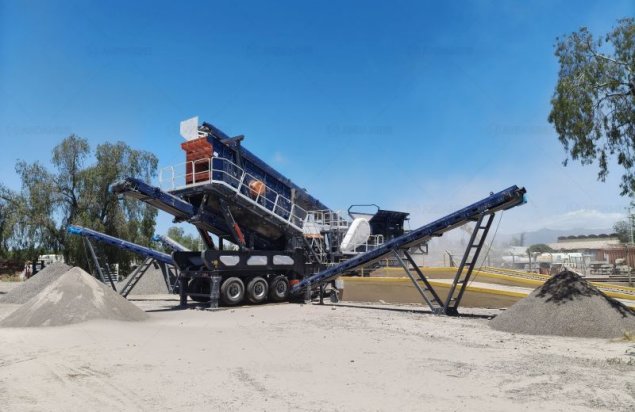
Mobile crushers are designed for projects that require high flexibility and frequent relocation. They are often mounted on wheels or tracks, making them easier to move between job sites.
Key benefits:
- Flexibility: Can be quickly relocated on-site or between sites without disassembly.
- Reduced transportation costs: Material can often be crushed near the excavation point, minimizing hauling distance.
- Faster setup: Requires less foundation work, allowing quicker project startup.
Practical tip:
- Ideal for short-term projects, small to medium-sized construction sites, and projects with multiple locations.
- Can be combined with mobile screening units for efficient on-site processing.
Advantages of Stationary Crushers
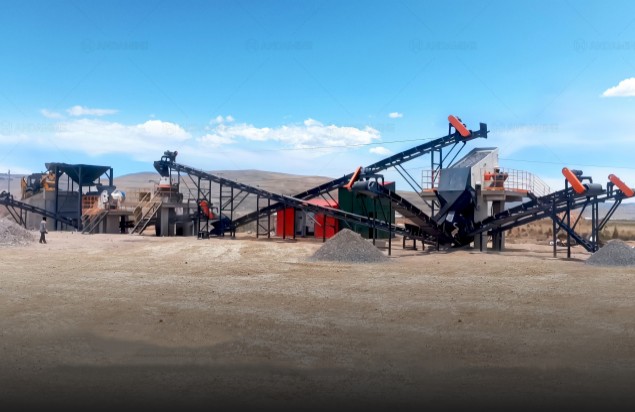
Stationary crushers are permanent installations that provide higher capacity and stability. They are suitable for long-term operations where consistent production is a priority.
Key benefits:
- Higher capacity: Handles large volumes of material more efficiently than most mobile units.
- Stable long-term operation: Less susceptible to movement-related wear and misalignment.
- Suitable for large-scale production: Often integrated with conveyor systems, feeders, and screening equipment.
Practical tip:
- Best suited for quarries, mining operations, and long-duration construction projects.
- Requires a prepared foundation and site planning, but delivers higher efficiency for continuous operations.
Key Questions to Help You Decide
To determine whether a mobile or stationary crusher is the best fit, consider the following factors:
- Project mobility: Will your crushing needs move locations frequently?
- Setup speed: Do you need rapid installation and quick operation start?
- Project duration: Is this a short-term project, or a long-term operation requiring high throughput?
Guidance:
- Projects with frequent relocation, short timelines, or varied sites → Mobile crusher.
- Large-scale, long-term operations with high production demand → Stationary crusher.
Step 5: Evaluate Total Cost of Ownership
When selecting a rock crusher machine, the initial purchase price is only part of the story. To make a truly cost-effective decision, you need to consider the total cost of ownership (TCO), which includes operating expenses, maintenance, and long-term return on investment. Choosing based solely on upfront cost can lead to higher expenses and lower efficiency over time.
Initial Investment
The initial investment covers the crusher itself and any necessary auxiliary equipment, such as feeders, screens, conveyors, and installation services.
- Consider the project’s scale: Oversizing the crusher can increase upfront costs without adding value.
- Site requirements matter: Stationary crusher plants require foundation preparation and layout planning, which can significantly affect initial cost.
- Keep in mind: Matching the crusher’s capacity to your actual production needs ensures that your investment is appropriate and avoids unnecessary expenditure.
Operating Costs
Operating costs include energy consumption, labor, and the overall cost of running the crushing machine efficiently.
- Energy efficiency: Machines with lower power consumption reduce operating expenses over time.
- Labor requirements: Crushers with automation features or simple operation can reduce staffing costs.
- It’s important to note: Even a low-priced crusher can become expensive if it requires excessive energy or manual labor.
Maintenance Costs
Maintenance directly affects downtime and overall profitability. Abrasive materials accelerate wear on liners, hammers, and belts, increasing the frequency of replacements.
- Plan ahead: Scheduled inspections and preventive maintenance help avoid unexpected production interruptions.
- Consider durability: Investing in higher-quality components can reduce maintenance frequency and extend the crusher’s service life.
- Keep in mind: Downtime not only delays production but can also increase labor and operational costs.
Long-Term ROI Considerations
A cheaper machine may appear attractive initially, but it can result in higher costs over its lifetime. Long-term ROI depends on reliability, energy efficiency, and maintenance requirements.
- Consider total savings: Durable, energy-efficient rock crushing equipment with easy maintenance often provide better ROI than low-cost alternatives.
- Evaluate lifespan and resale: Crusher machines that last longer and retain value reduce replacement costs and improve overall investment efficiency.
- It’s important to: Balance upfront price with long-term operational savings to ensure sustainable cost-effectiveness.
Step 6: Consider Site Conditions and Installation Requirements
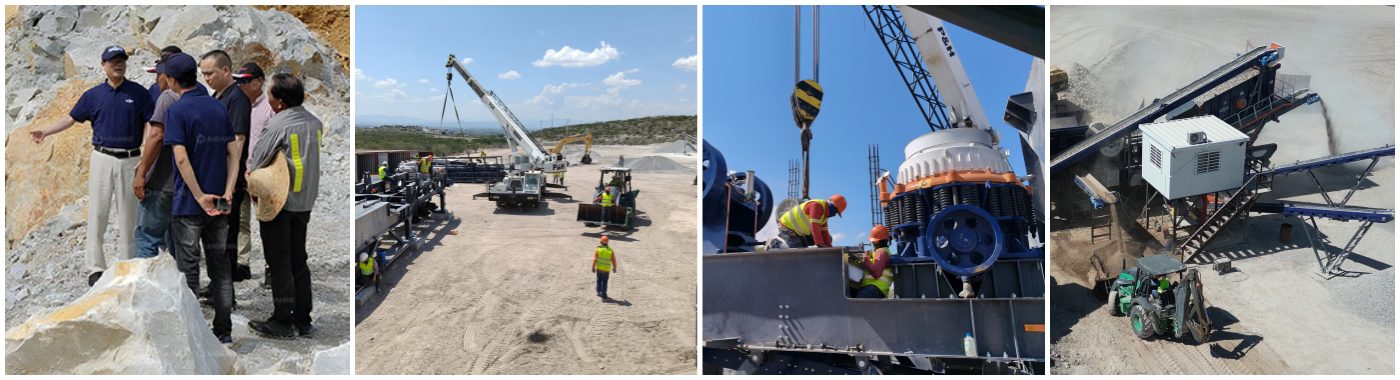
Selecting the right rock crusher plant goes beyond machine type and cost — site conditions and installation requirements play a critical role in ensuring efficient operation. Poor planning can lead to delays, higher installation costs, and operational inefficiencies.
Site Space and Layout
The available space and material flow design influence both the type of crusher you choose and how it is installed.
- Space limitations: Mobile crushers are ideal for confined or variable spaces, while stationary crushers require more room for foundations, conveyors, and auxiliary equipment.
- Material flow design: Proper layout ensures smooth feeding, efficient crushing, and minimized handling. Planning the flow from raw material intake to final product stockpiling prevents bottlenecks.
Evaluate the site footprint carefully before selecting equipment to avoid costly relocation or redesign later.
Power Supply
The type and availability of power on-site affect both rock crusher selection and operational costs.
- Electric vs diesel options: Electric crushers are more energy-efficient and cheaper to run if a reliable power supply exists. Diesel crushers offer flexibility for remote locations without electricity.
- Energy availability: Confirm that the site can support the crusher’s power requirements without overloading the supply.
Choosing the appropriate power source ensures consistent operation and avoids interruptions due to power constraints.
Installation and Commissioning Factors
Proper installation and commissioning are essential for safe and efficient operation.
- Foundation requirements: Stationary crushers often need a solid foundation to support weight and absorb vibration, while mobile crushers require minimal site preparation.
- Setup time and complexity: Mobile units can be operational within hours, whereas stationary systems may take days or weeks for assembly and alignment.
- Importance of commissioning: Thorough commissioning ensures the crusher operates according to design specifications, prevents early wear, and maximizes productivity.
Step 7: Evaluate Maintenance and After-Sales Support
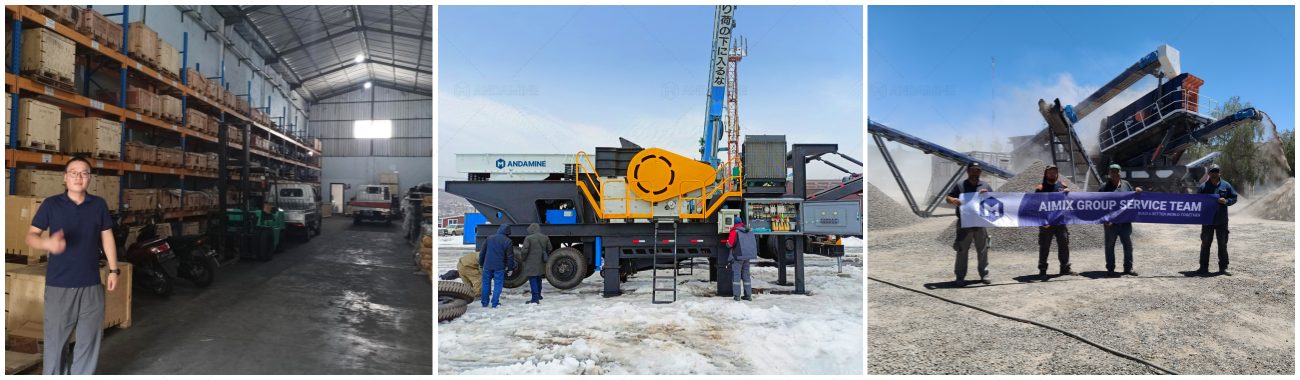
Maintenance and after-sales support are essential for ensuring your rock crusher operates efficiently and reliably. Even a high-quality machine can underperform if spare parts are hard to obtain, maintenance is difficult, or technical support is lacking. Evaluating these factors helps reduce downtime and protect your investment.
Ease of Maintenance
- Ensure key components such as liners, bearings, and belts are easily accessible.
- Choose designs that allow quick inspections and replacement to reduce downtime.
- Consider the frequency of routine maintenance; simpler maintenance cycles improve overall operational efficiency.
Availability of Spare Parts
- Check whether replacement parts are locally available or need to be imported.
- Machines that rely on imported parts may experience long lead times, delaying production.
- Easily accessible parts help maintain continuous operation and minimize project interruptions.
Technical Support and Service
- Confirm the crushing plant supplier offers reliable troubleshooting and operational support.
- Look for training programs to help your team handle minor repairs and optimize performance.
- Strong after-sales service extends equipment lifespan and maximizes return on investment.
Common Mistakes to Avoid When Choosing a Rock Crusher
Focusing Only on Price
Choosing a crusher based solely on its purchase cost is risky. Low-priced machines often consume more energy, wear faster, and require frequent repairs. Evaluating long-term operational costs alongside upfront price ensures you invest in equipment that delivers both efficiency and durability.
Ignoring Material Characteristics
Overlooking the hardness, abrasiveness, or moisture content of the rock can reduce performance and cause excessive wear. Crushers should be selected according to the material to deliver consistent output, reliable performance, and high-quality finished products.
Misjudging Capacity and Future Needs
Selecting the wrong capacity can create production bottlenecks or waste energy if oversized. Additionally, not planning for future expansion may require costly upgrades. Proper capacity assessment and scalability planning keep operations smooth and adaptable.
Overlooking Maintenance and Support
Neglecting maintenance accessibility, spare parts availability, or supplier support increases downtime and costs. Choosing crushers with easy maintenance and reliable after-sales service ensures continuous operation, minimizes disruptions, and protects long-term investment.
Conclusion: Make the Right Choice for Long-Term Success
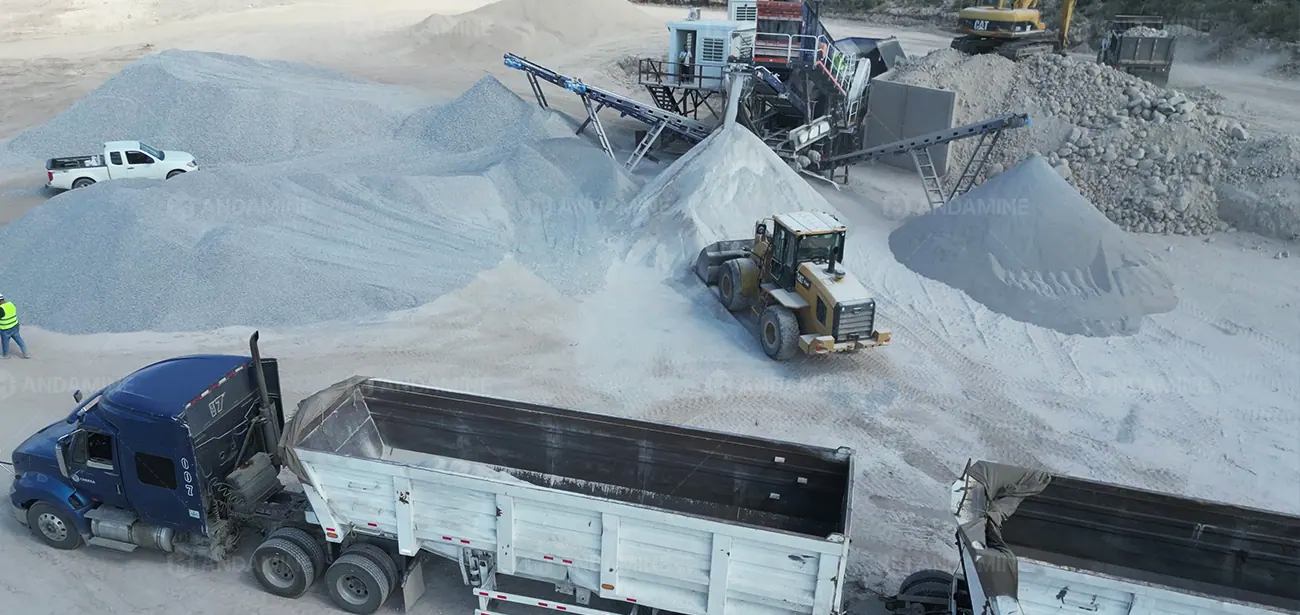
Selecting a rock crusher for your project involves more than just choosing a machine — it’s about aligning equipment with your operational goals, material requirements, and long-term growth. By carefully considering factors such as capacity, mobility, maintenance, and total cost, you can make a decision that ensures efficiency, reliability, and future scalability.
Ready to move forward? Contact us today to discuss your project and explore the rock crusher options that best fit your needs. Our team of experts can provide professional guidance, help you plan for long-term success, and ensure your investment delivers maximum productivity and value.