
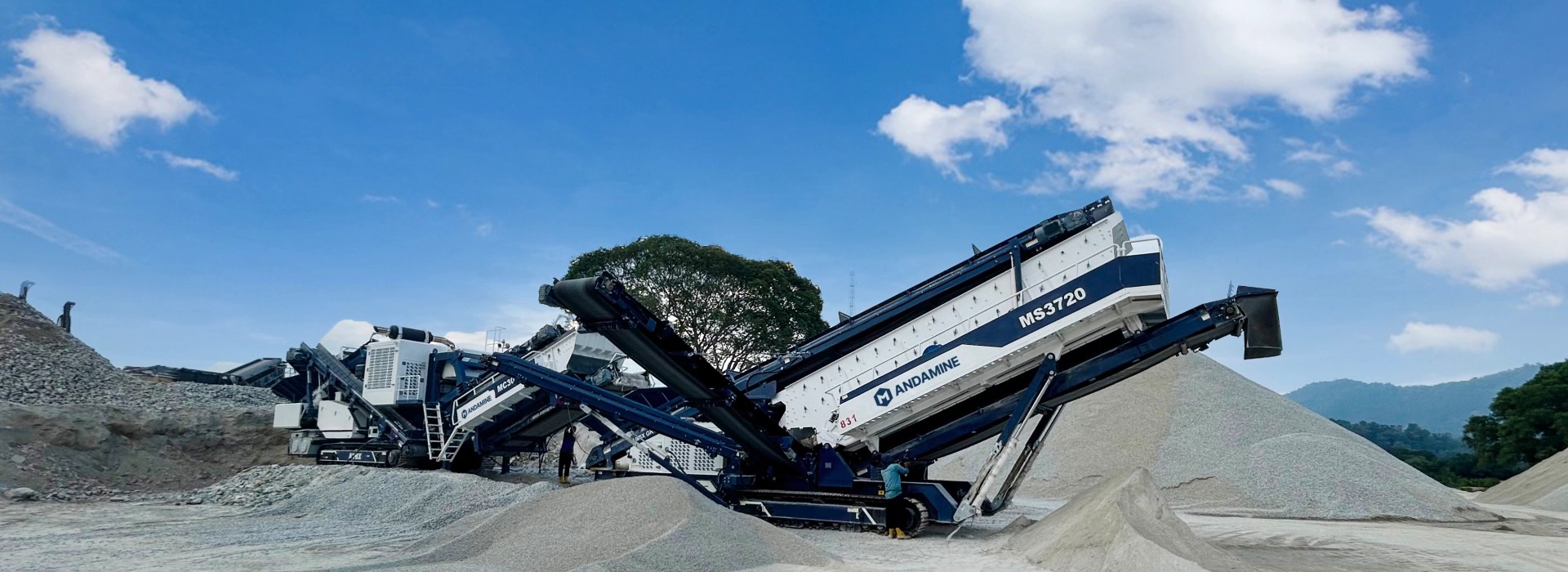

Why is gravel crushing the cornerstone of the construction industry? Gravel, as one of the most readily available and versatile natural aggregates on Earth, serves as a core material for concrete, road foundations, and countless construction projects. However, transforming this coarse raw material from riverbeds or quarries into precisely graded, well-shaped construction aggregate relies entirely on efficient, professional crushing processes.
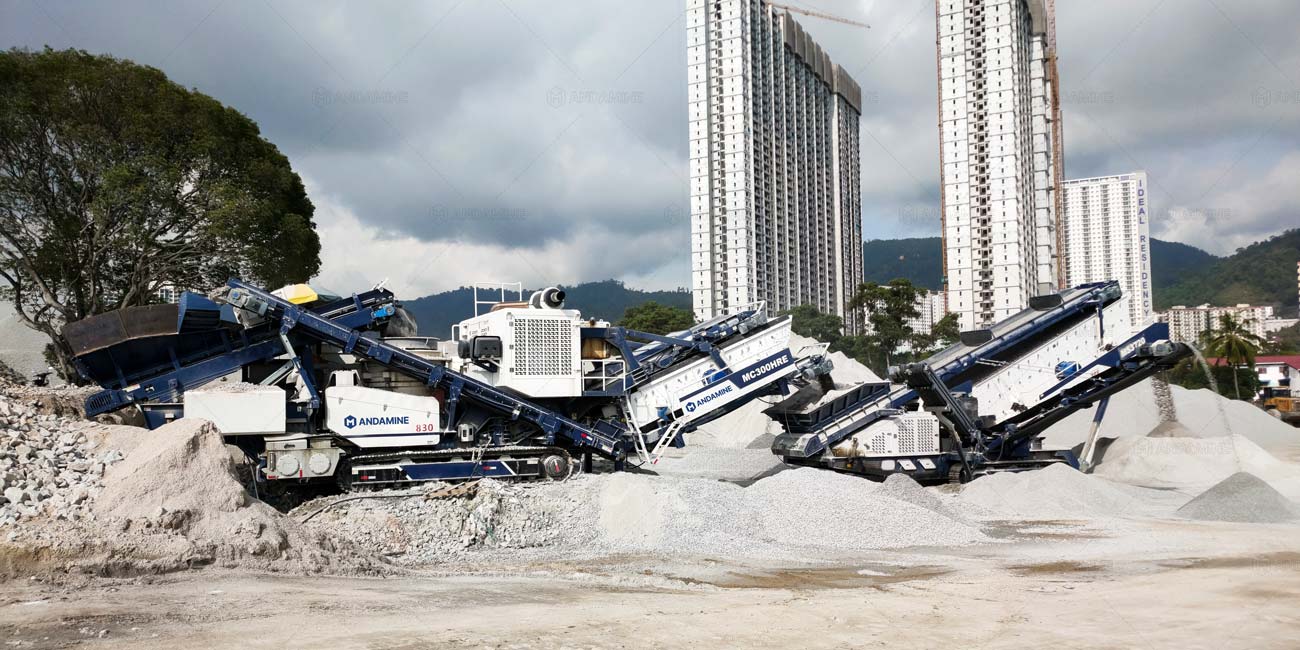
Selecting the appropriate gravel crushing equipment and solution directly impacts the quality of the final product, production efficiency, and the project’s economic viability. This article provides a comprehensive analysis of the unique challenges, core technologies, and optimal solutions in gravel crushing, empowering you to make informed decisions.
What is Crusher Run Gravel?
Before delving into crushing processes, it is essential to understand the industry term ‘crusher run gravel’. This does not denote a single-sized product, but rather a mixture of aggregates produced directly from primary crushers without undergoing fine screening.
- Composition: It comprises particles ranging from coarse crushed stone to stone dust, a gradation that enables it to form an exceptionally dense and stable subbase upon compaction.
- Core Characteristics and Applications: Owing to its favourable gradation and “self-compacting” properties, Crusher Run serves as an ideal material for constructing driveways, road subbases, temporary construction access roads, and car park foundations. It delivers outstanding drainage and load-bearing capacity.
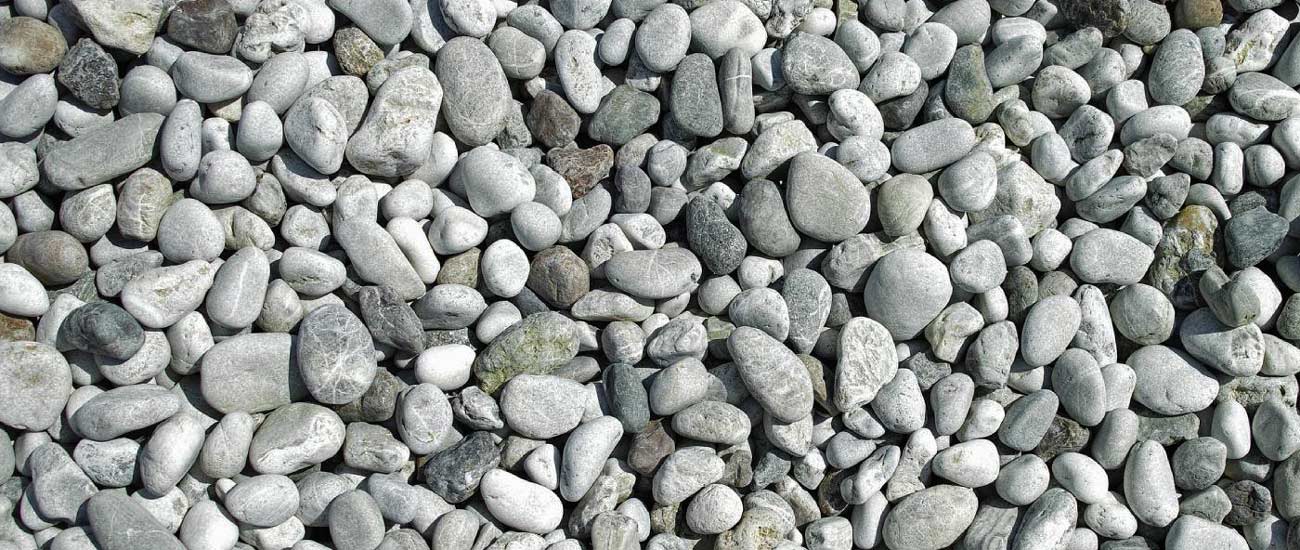
The key to producing high-quality “crusher run” lies in the particle size control during primary crushing (typically using a jaw crusher), ensuring the mixture’s gradation meets engineering specifications.
Why is Gravel Crushing A Unique Challenge?
Unlike single-rock minerals such as granite or limestone, the very nature of gravel dictates the particular challenges of its crushing and processing.
Complex Composition, Uneven Hardness
Gravel is a mixture of rocks that have been naturally transported and rounded, potentially containing multiple components such as quartz, granite, or basalt. This implies that its Mohs hardness may fluctuate significantly within a single batch of raw material, placing exceptionally high demands on the adaptability and wear resistance of crushing equipment.
Stringent Standards for Finished Grain Shape
Gravel aggregates are widely used in structural concrete and asphalt pavements. The ideal grain shape is angular cubes, which provide optimal mechanical interlocking force, thereby enhancing concrete strength and road durability. Poor-quality needle-shaped or flaky particles, however, compromise structural integrity.
Issues of Clay Content and Product Cleanliness
Natural gravel, particularly river gravel, often carries adhering soil or impurities. These contaminants severely impact cement hydration reactions, diminishing engineering quality. Consequently, effective pre-screening or washing processes are invariably essential components of gravel crushing production lines.
How Andamine Crushing Solutions Address Core Challenges?
In light of the aforementioned characteristics, we have outlined the key challenges and corresponding solutions for you.
1. Soaring Operational Costs Due to High Wear Rates
Solution: Employ heavy-duty equipment specifically engineered for abrasive materials. For instance, impact crushers fitted with high-chromium alloy blow bars, or cone crushers utilising the laminar crushing principle with manganese steel liners, can significantly extend wear part lifespans and reduce costs per tonne.
2. Difficulty in Meeting High-Quality Particle Shape Requirements
Solution: Employ multi-stage combination processes such as “jaw crusher + cone crusher” or “jaw crusher + impact crusher”. The jaw crusher provides reliable primary crushing, followed by secondary and tertiary crushing and shaping by the cone crusher or impact crusher. The impact crusher, in particular, excels at producing superior cubic particles.
3. Dispersed Raw Material Sources or High Project Mobility
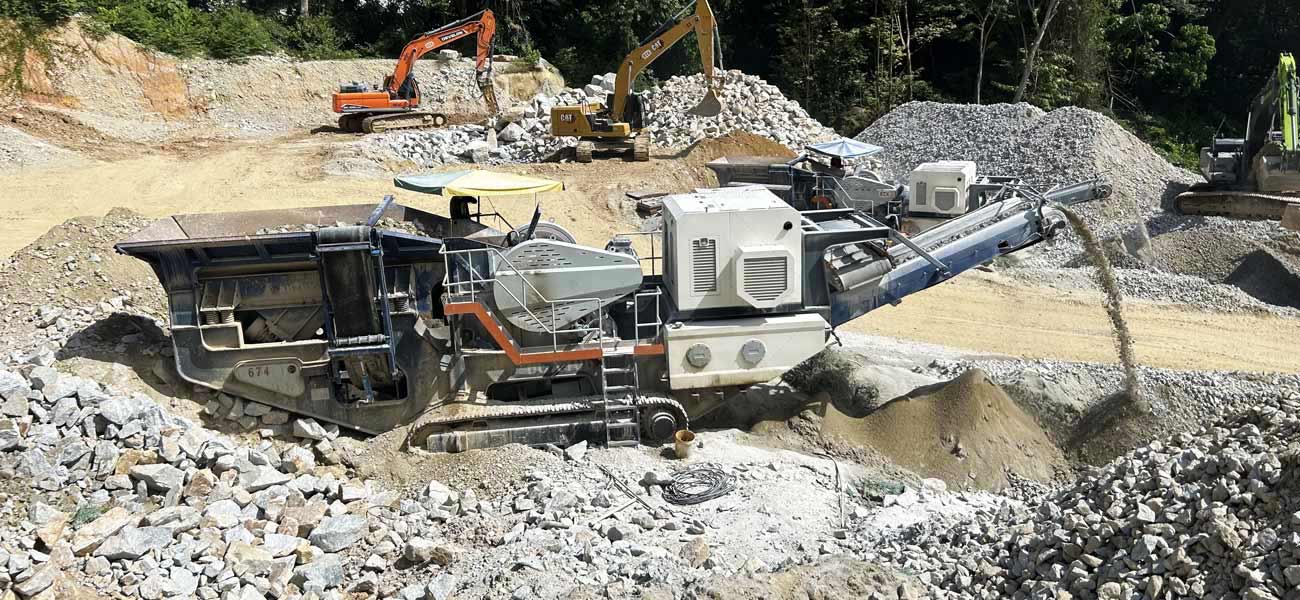
Solution: Invest in mobile crushing and screening units. Tracked or wheeled mobile crushing plants can advance with the workface, enabling crushing wherever raw materials are located. This drastically reduces material transport costs, making them ideal for river gravel extraction or short-term projects.
Equipment Selection Guide: Matching Your Gravel to the Application
Different crushing equipment plays distinct roles in gravel processing. Below is a reference guide for selecting core gravel crushing equipment for sale.
Jaw Crusher: Primary Crushing
- Function: Primary crushing (coarse crushing).
- Applications: Processing large-sized raw gravel materials. Renowned for its sturdy construction, large feed opening, and high reliability, it serves as the starting point for all stationary production lines.
Cone Crusher: Medium-Fine Crushing of Hard Aggregates
- Function: Secondary or tertiary crushing (medium-fine crushing).
- Applications: Particularly suited for highly abrasive, hard aggregates (e.g., quartz-rich materials). This crusher fine gravel employs a layered compression crushing mechanism to produce uniform particle sizes with stable output, while maintaining relatively controllable wear costs.
Impact Crusher: Shape Formation and Versatile Crushing
- Function: Secondary crushing with shaping capability.
- Applications: Suitable for medium-hardness gravel where finished particle shape is critical (e.g., high-grade concrete aggregates). Its impact crushing principle produces angular, cubical particles.
Gravel Screening Equipment: The Core of Quality Control
- Function: Separates gravel by particle size.
- Applications: Vibrating screens serve as the command centre of the production line, grading crushed materials into different specifications and returning oversized particles to the crusher for reprocessing (closed-circuit operation). This ensures efficiency and product precision.
Building Your Crusher Gravel Production Line: Stationary vs Mobile
An efficient gravel production line is not merely an assembly of equipment, but a sophisticated integration of process expertise. Andamine provides two main types of gravel crushers for sale: stationary gravel crushers for sale and mobile gravel crushing machines. Which one should we choose? Let us examine the characteristics and configurations of these two crushers for gravel:
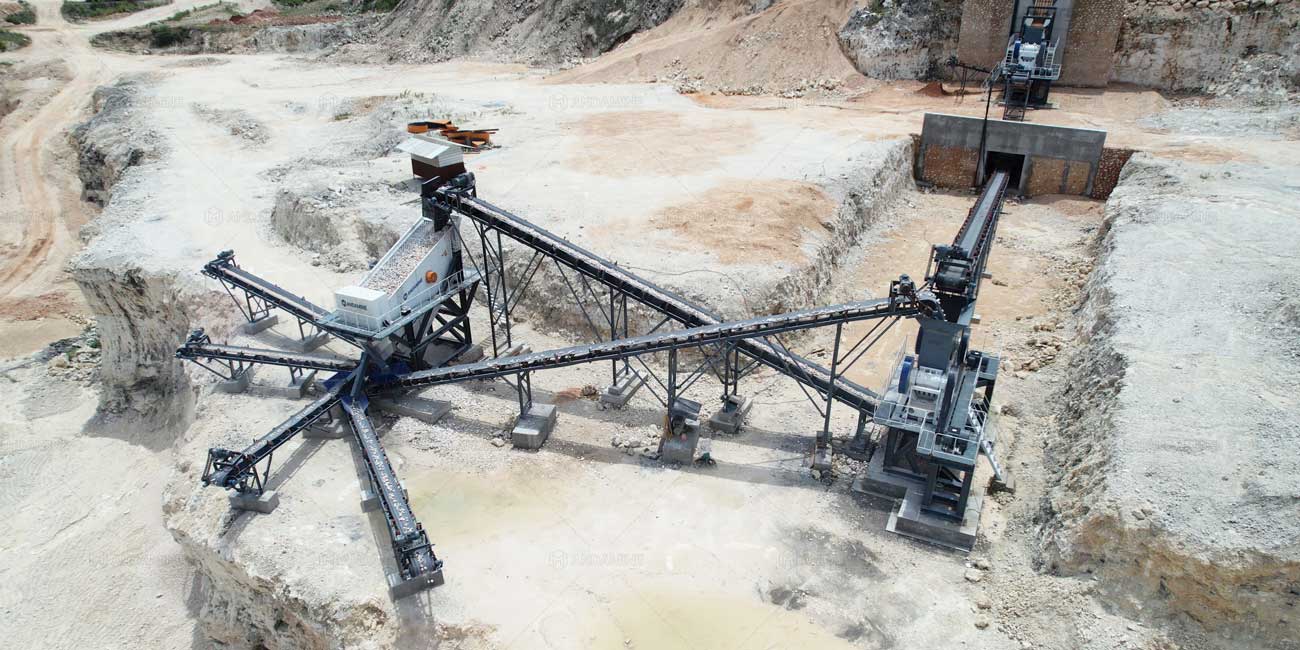
Stationary Gravel Crushing Machine
- Features: The structure of the stationary gravel crushing plant is sturdy and durable, suitable for the efficient crushing of all kinds of stones.
- Application: Projects with long-term and high-volume production. The static crusher gravel can not be moved to work on different sites.
- Specific Configuration: Vibrating feeder(feed the raw materials evenly); jaw type gravel crusher(crush the raw material to <150mm); gravel crusher cone (intermediate material undergoes efficient fine crushing); impact crusher(fine shaping); vibrating screen(produces aggregates in multiple specifications including 0-5mm, 5-10mm, 10-20mm, and 20-31.5mm).
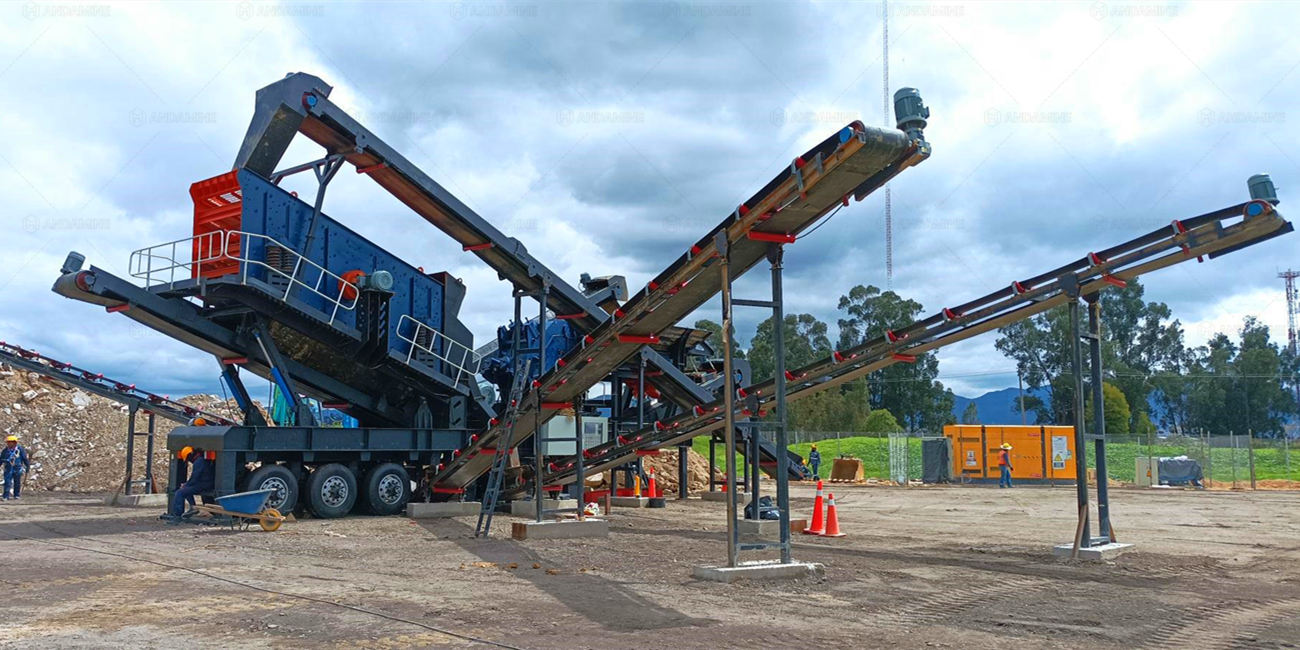
Mobile Gravel Making Machine
- Features: The portable gravel crushers for sale can be moved by trailer for easy operation in different locations.
- Type: Wheel-type and crawler-type mobile crusher plants
- Application: Short-term crushing projects
- Specific Configuration: Mobile crushers, feeders, screening equipment, etc.
Global Cases of Gravel Crusher Machine
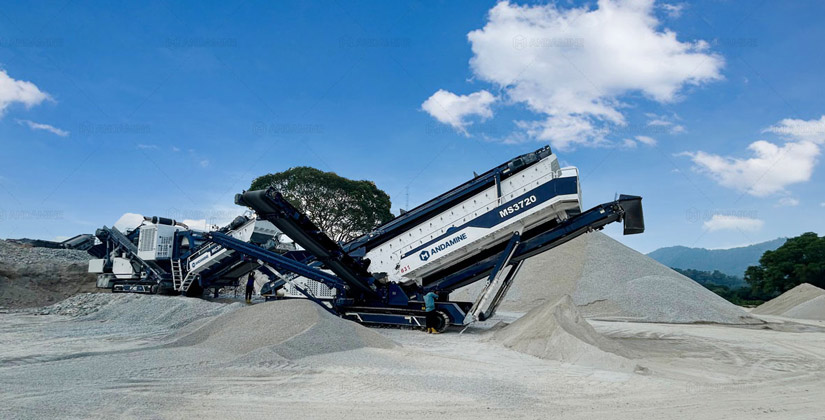
For Malaysia Aggregate Business
- Project Time: 2025.3
- Location: Kelang, Malaysia
- Production capacity: 300tph
- Size of the Finial Products: 0-5, 10-20mm
- Application: Used for aggregate sales business in the local city
- Configuration: Crawler type MC300HRE mobile cone crusher+MS3720 mobile screen
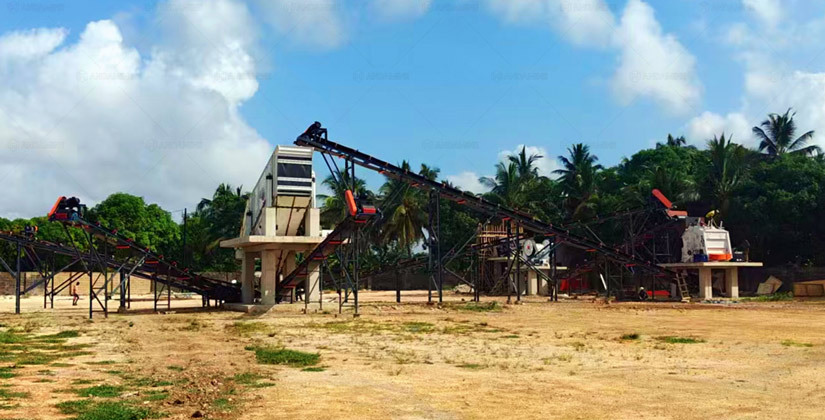
For Tanzania Concrete Batching Business
- Project Time: 2025.7
- Production capacity: 100-120tph
- Raw Materials: 500mm limestone blocks
- Size of the Finial Products: 0-5, 5-10, 10-20mm
- Application: Produce aggregate to secure its concrete batching plant’s material supply chain
- Configuration: Vibrating feeder, jaw crusher, impact crusher, and vibrating screen
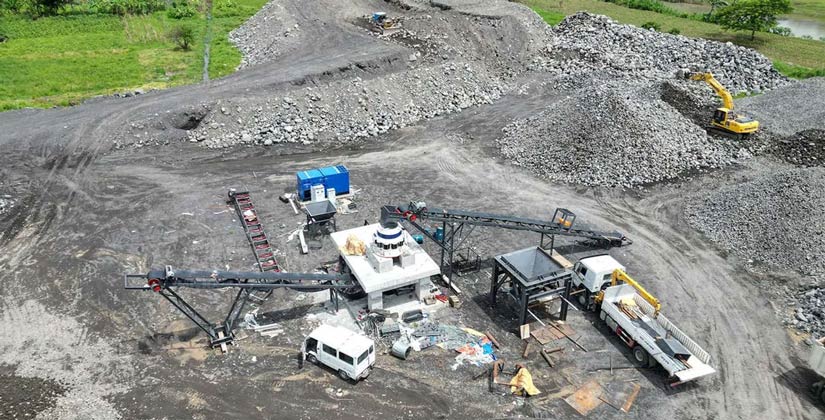
For the Philippines Aggregate Business
- Project Time: 2025.3
- Location: the Philippines
- Production capacity: 80tph
- Raw Materials: Volcanic rock
- Application: Aggregate production
- Configuration: APC-132C compound cone crusher
These successful cases demonstrate that well-equipped crushed gravel crushing businesses can thrive in various markets. After recognising the potential of the gravel crushing market, how can one start the crushing business from scratch?
How to Start a Gravel Crushing Business?
For entrepreneurs aspiring to enter the aggregate production industry, launching a gravel crushing operation requires systematic planning. The following outlines key steps:
Market and Feasibility Study
Analyse competitors to identify market gaps (e.g., undersupply of specific product specifications).
Secure stable, lawful, and cost-effective raw material sources (quarry lease or purchase).
Business and Financial Planning
Calculate major investment items: land, equipment(crushers, sand and gravel), permits, labour, logistics, etc.
Explore financing options and government approvals (environmental, mining, land use, etc.).
Equipment Selection and Production Line Design
Initial recommendation: For new entrants, consider commencing with a medium-capacity mobile crushing and screening unit. Its high flexibility and relatively low investment threshold enable servicing multiple temporary projects or small quarries.
As operations stabilise, progressively invest in higher-capacity, more economical fixed production lines.
Operations and Growth
Develop a stable client network (construction firms, concrete batching plants, government projects, etc.).
Maintain equipment continuously and progressively expand capacity or product lines based on market shifts and technological advancements.
Andamine is not merely a gravel crushing equipment supplier but your business partner. From initial project consultation and solution design to long-term production support, we are committed to providing a robust technical and equipment foundation for your aggregate crushing enterprise.
Now, please provide our specialist team with your raw material samples, target output, and product specifications. We shall furnish you with a customised gravel crushing production solution proposal to help you take the first step towards success.