“Modular design” has successfully addressed two major industry challenges — “rapid assembly and disassembly” and “adaptability to multiple scenarios”—by breaking down complex crushing systems into relatively independent, functionally distinct and standardised interchangeable modules. It is precisely these advantages that are driving a profound transformation in the crushing industry. To understand the roots of this transformation, we must first examine the key challenges the industry faces during this transition. This article will provide an in-depth analysis of how modern mobile crushing equipment has achieved this technological breakthrough from multiple perspectives, including structural design, chassis load-bearing capacity, intelligent control and power optimisation.
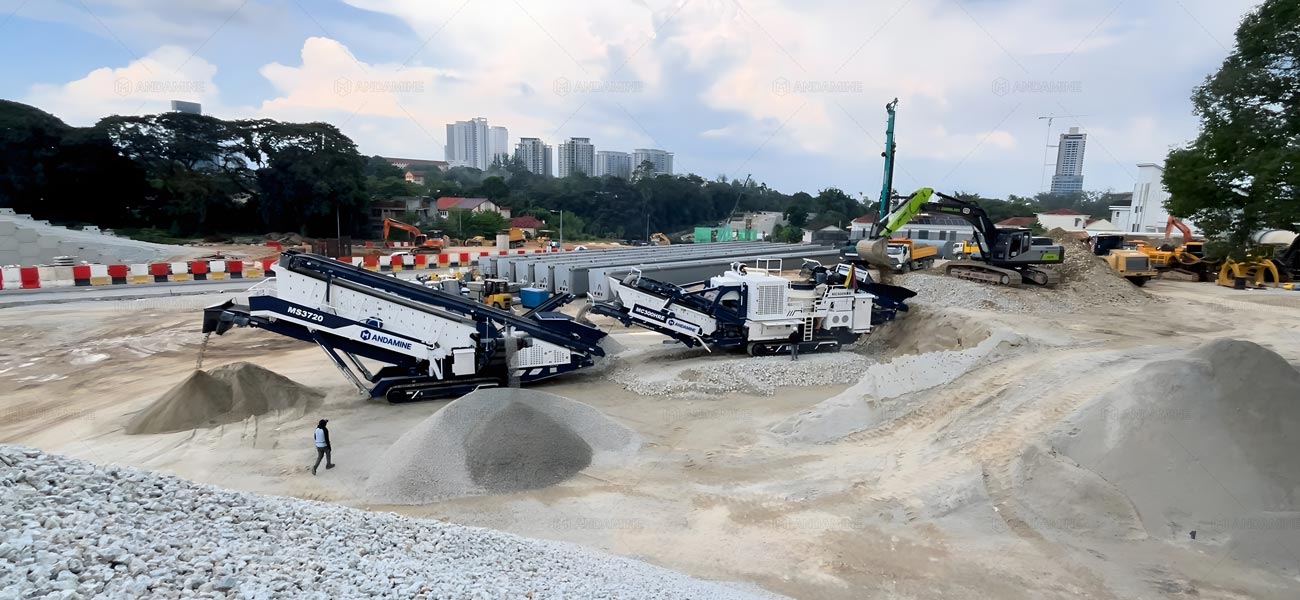
Challenges in the Transformation of the Crushing Industry and the Rise of Modular Design
In industries such as sand and gravel aggregates, mining, and construction waste recycling, traditional fixed crushing production lines are facing unprecedented challenges. Shorter project cycles, increasingly stringent environmental regulations, frequent changes in operating conditions, and a rise in cross-regional mobile operations have placed demanding requirements on the flexibility of crushing equipment.
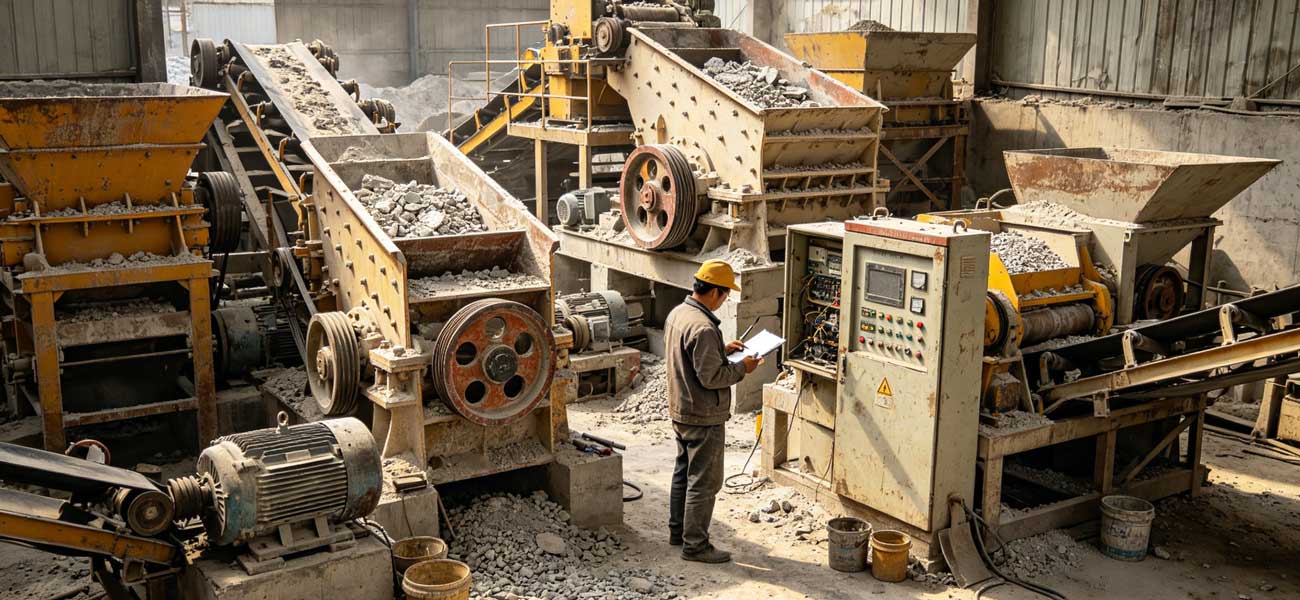
4 Key Challenges in Traditional Crushing Operations
Severe site constraints:
Fixed crushing plants require concrete foundations, with construction periods lasting 1–3 months; relocation costs are extremely high, making them unsuitable for short-term projects or emergency requirements.
Insufficient adaptability:
A single machine type struggles to handle different materials (such as granite, limestone and construction waste) and varying particle size requirements, necessitating the use of multiple units and increasing investment costs.
Inefficient operation and maintenance:
Complex equipment structures result in time-consuming disassembly and maintenance, whilst the replacement of wear parts is difficult, leading to prolonged downtime and significant loss of production capacity.
Low level of automation:
A lack of real-time monitoring and data analysis leads to delayed fault warnings, with maintenance relying on manual experience, resulting in high costs and low efficiency.
Modular Design: A Technological Revolution in the Crushing Industry
Modular design transforms traditional crushing operations by breaking down the crushing system into standardised, interchangeable functional modules, enabling rapid “plug-and-play” configuration. Its core advantages are as follows:
Rapid deployment
Installation and commissioning completed within hours of equipment arrival, with no civil engineering works required
Flexible adaptation
Modules can be freely combined to suit different materials and operating conditions
Efficient operation and maintenance
Modules can be independently disassembled and reassembled, facilitating maintenance and enabling rapid replacement of wear parts
Full lifecycle management
Modules are produced to standardised specifications, spare parts are universal, and remote monitoring is available
The successful application of modular design is not merely a matter of breaking down the structure; rather, it is a systematic engineering process underpinned by core modules such as structural design, chassis systems, intelligent control and powertrain optimisation. Below, we will examine each of these key modules in turn.
Modular Design: High Integration
Once traditional crushers are installed, it is nearly impossible to alter their functional attributes without undertaking massive engineering modifications. In contrast, the core philosophy of modular design is to make crushing equipment as flexible as toy bricks.
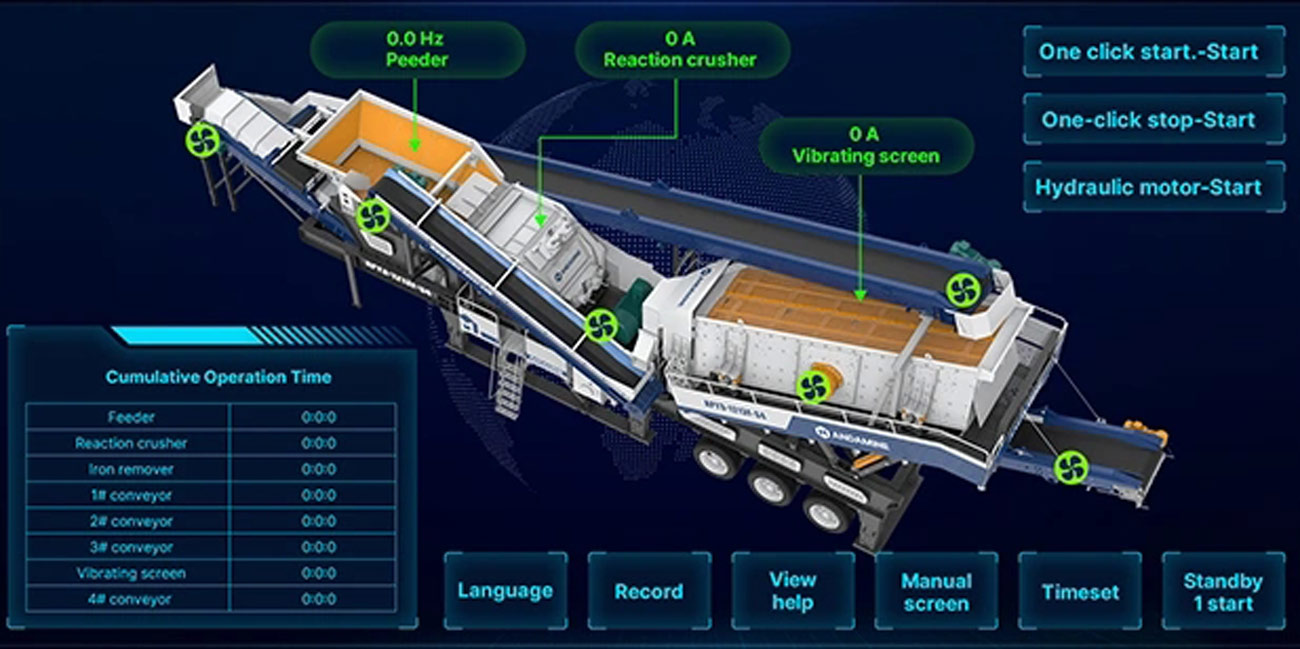
Free Switching of Core Crushing Modules
In actual production, the material hardness and finished product shape requirements of users change constantly. Some operations demand high-capacity primary crushing, while others require high-precision fine crushing and sand making.
- Rapid Exchange of Secondary Crushing Units: The essence of modular design lies in the standardization of interfaces. Through unified base frames and power connection interfaces, the equipment can easily switch between secondary crushing machines, such as an Impact Crusher and a Vertical Shaft Impact (VSI) Crusher.
- Maximizing Operational Flexibility: Whether processing highly abrasive river pebbles and granite, or brittle limestone and construction waste, the equipment can switch to the optimal configuration with minimal downtime, easily adapting to diverse working conditions.
Highly Integrated “All-in-One” Process Flow
Modular design does not mean fragmented components; on the contrary, it pursues higher-dimensional integration.
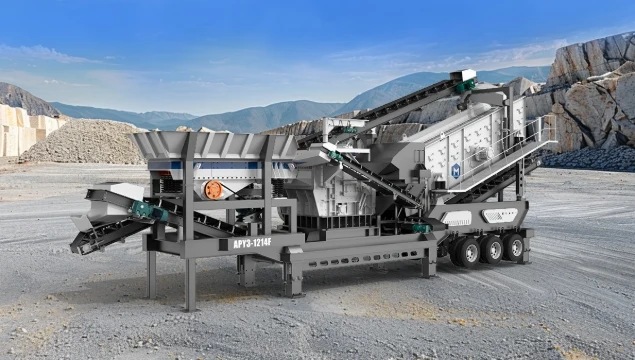
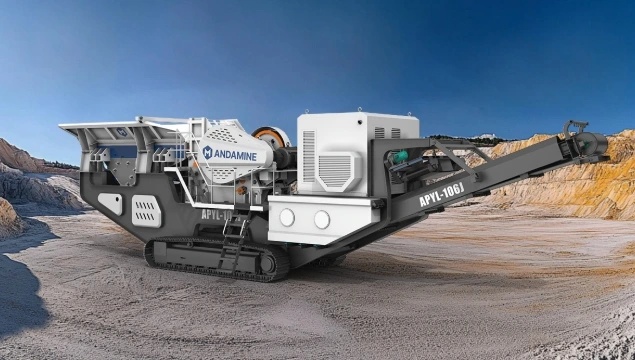
- Three-in-One Efficient Integration: Modern mobile crushing plants adopt an integrated design, combining feeding, crushing, and screening into a single chassis.
- Drastic Reduction in Operating Costs: This highly integrated design completely eliminates the complex belt conveyors and secondary transport stages found in traditional split-type setups. It significantly shortens the material flow path within the system, reduces material spillage and dust emissions, and substantially lowers onsite civil engineering foundation costs and subsequent operating and maintenance expenses.
Rapid Relocation and Stable Load-bearing Capacity
The very concept of “mobility” in a mobile crushing plant directly determines its return on investment (ROI). The ability to ensure both rapid relocation and stable operation is the true test of the technical excellence of modular crushing equipment.
Three-Axle Chassis: The Booster for Site Relocation
In scenarios involving frequent cross-regional and cross-condition operations, the speed of site relocation is critical.
- Three-Axle Chassis Design: By adopting a high-load-bearing three-axle chassis, the equipment achieves excellent road passability and towing adaptability.
- Enabling rapid movement: This design optimises axle load distribution, meeting the stringent regulatory standards for road transport. Whether for long-distance inter-provincial road transport or navigating complex, muddy mountain roads within mining areas, the equipment can be rapidly moved by a tractor unit, achieving true “shut down today, start operations elsewhere tomorrow”.
Skid Plate Support: Simplifying Foundation Work
Traditional heavy mining equipment installation requires significant time for concrete foundation pouring, which runs counter to the original intent of rapid assembly and disassembly.
- Increased Ground Contact Area: To completely eliminate reliance on concrete foundations, modern mobile crushing plants are equipped with a wide skid plate support structure.
- Enhanced equipment stability: Designed as large, flat plates, the skid supports evenly distribute the equipment’s dead weight and dynamic loads during operation across the ground. Even on uncompacted muddy or gravelly ground, they provide firm, stable support, preventing the equipment from sinking, tilting or swaying violently during high-speed operation.
Intelligent Control and Material Conveyance
Modular hardware requires an equally intelligent software system to drive it and ensure production continuity. Through the integration of the Industrial Internet and smart sensing technologies, crushers are evolving from “passively operated machines” into “self-regulating intelligent systems.”
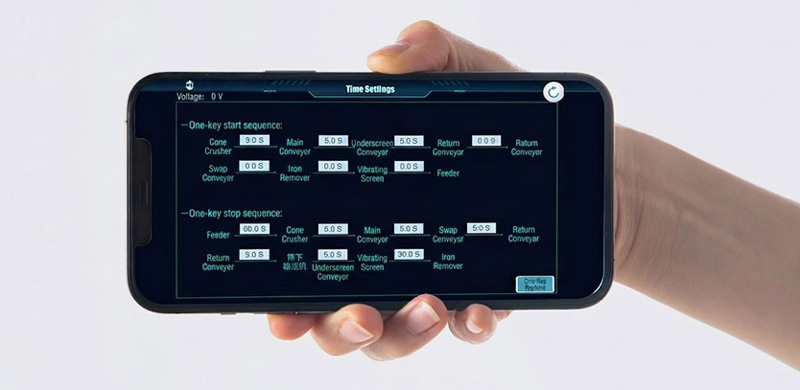
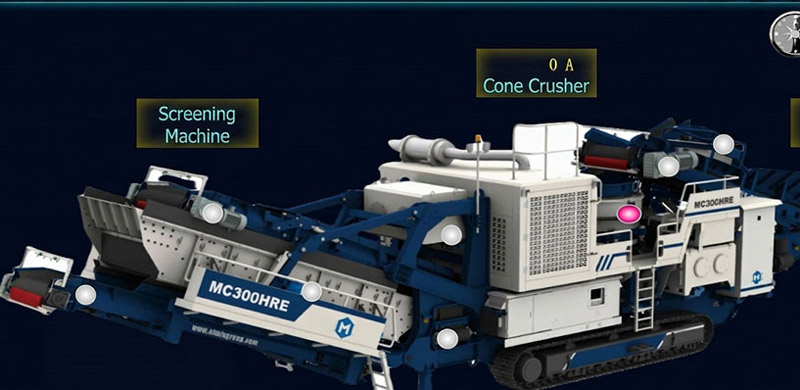
Integrated Control: Achieving Simplified Operation
Given the current reality of varying skill levels among on-site operators, the user-friendliness of the control system is of paramount importance.
- One-Button Start and Dual-Mode Operation: The intelligent system is equipped with a highly integrated control panel. The system not only supports intuitive, easy-to-understand graphical operation via a PLC touchscreen but also retains highly reliable physical button controls.
- Enhanced Production Efficiency: The one-touch start function automatically activates and deactivates the feeder, crusher, screen, and conveyor belt in a scientifically optimized sequence. This prevents equipment jams or motor burnouts caused by manual errors, ensuring both production efficiency and safety.
Intelligent Feeding: Precise Flow Control
The load status of the main crusher is a key factor affecting output quality and equipment lifespan.
- Remote Control and Batching Regulation: The feeder is equipped with a remote wireless control system, allowing operators to monitor and adjust the feeding speed in real time from a safe distance (such as inside a loader cab).
- Ensuring Production Continuity: Through variable frequency speed control technology, the feed rate can be automatically or manually fine-tuned based on real-time current and load changes in the main crusher. This effectively prevents the equipment from “idling” or “overloading and stalling”, ensuring that the entire production line consistently operates in the most economical and efficient continuous state.
Remote Monitoring and IoT: Lifecycle Data Empowerment
In the era of modular production, the physical boundaries of equipment are broken down, and data serves as the strongest bond between the equipment and the user. Thanks to IoT technology, equipment maintenance is no longer reactive.
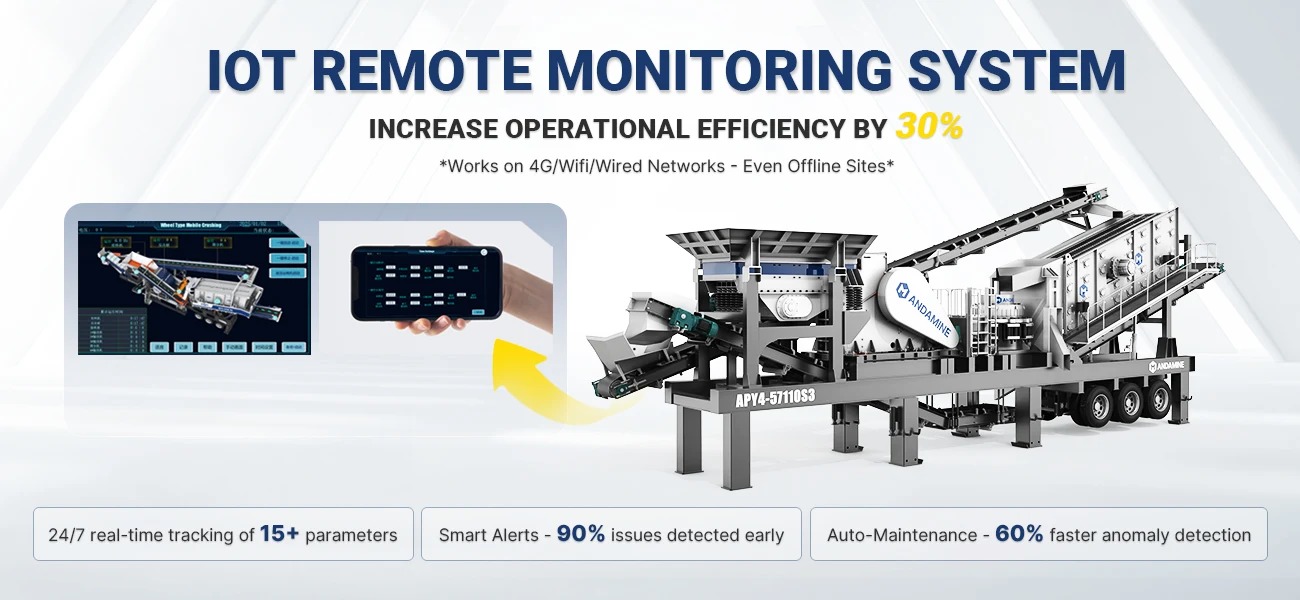
IoT Remote Monitoring: From “Reactive Maintenance” to “Predictive Maintenance”
Unplanned downtime can cause immense financial losses to sand and gravel plants.
- Real-Time Status Monitoring: The IoT remote monitoring system acts as an “onboard doctor.” It continuously captures critical health metrics 24/7, including vibration amplitude, bearing temperatures, motor currents, and hydraulic pressures.
- Automated Maintenance Alerts: The system analyzes data trends using proprietary algorithms. It automatically sends alerts to users and after-sales teams when wear parts reach their critical limits or when lubrication is needed, thereby resolving potential mechanical failures before they escalate and drastically reducing unexpected breakdowns.
Multi-Mode Networking: Adapting to Extreme Field Conditions
Mines and infrastructure projects are often located in remote mountainous areas, deserts, or regions with underdeveloped communications infrastructure where a single networking method can easily fail.
- Cellular Network Auto-Adaptation (2G/3G/4G):In areas with good base station coverage, the equipment prioritizes high-speed data transmission via cellular networks.
- WiFi and Wired Backup Channels:If a project is located in deep valleys with severe signal interference, the system also supports WiFi (connecting to local networks or microwave relays) or direct wired Ethernet connections. This multi-channel redundant communication solution ensures the equipment never loses contact with the management backend, regardless of harsh geographic environments.
Structural Vibration Damping and Maintenance-Free Operation
Modular crushing equipment generates significant dynamic loads during operation. The key to achieving high equipment uptime lies in using innovative structural designs to mitigate mechanical fatigue caused by vibration and minimize routine maintenance requirements.
ROSTA Elastic Vibration Supports: An Innovative Anti-Vibration Solution
In traditional vibrating screens or feeders, steel springs are commonly used as support components. However, during startup and shutdown, steel springs can cause uncontrollable, violent shaking due to resonance effects.
- Replacing Traditional Steel Springs: Modern mobile crushing plants have adopted the more technologically advanced ROSTA elastic vibration support structure.
- Low Amplitude and Short Transition: The ROSTA rubber elastomer possesses excellent damping characteristics. When the equipment starts or stops and passes through the resonance zone, the resulting irregular amplitude is negligible, and the vibration transition time is extremely short.
- Long service life: By eliminating the risk of fracture caused by long-term metal fatigue in steel springs, this structure not only protects the equipment’s steel framework from damage due to alternating stresses but also significantly extends the service life of the entire support system.
Side-mounted Vibrating Motor: Optimized Mechanical Structure
Traditional vibrating feeders typically use external standard motors to drive the eccentric weights via universal couplings and drive shafts. This design is complex, involves numerous lubrication points, carries a high risk of oil leaks, and requires extremely frequent maintenance.
- Elimination of External Traditional Drive: The equipment innovatively adopts a side-mounted vibration motor. This motor is directly installed on the feeder’s side plate, with the motor’s output shaft serving as the eccentric shaft itself, eliminating the need for an external motor, coupler, drive shaft, and complex bearing housing.
- Extended maintenance intervals: This design significantly simplifies the drive train. By eliminating vulnerable drive components, the workload for daily lubrication and maintenance is drastically reduced, effectively achieving maintenance-free operation. Maintenance intervals are extended to every 1,500 to 2,000 hours, significantly reducing the workload for on-site workers.
Intelligent Protection: Safeguarding the Core Equipment
Various mixed materials—particularly those from construction waste recycling and mining tailings—often contain non-crushable metal objects such as scrap rebar, shovels, and drill bits (commonly referred to in the industry as “metal debris”). If these high-hardness metals enter the crushing chamber (especially in cone crushers), they can cause catastrophic damage to the main equipment.
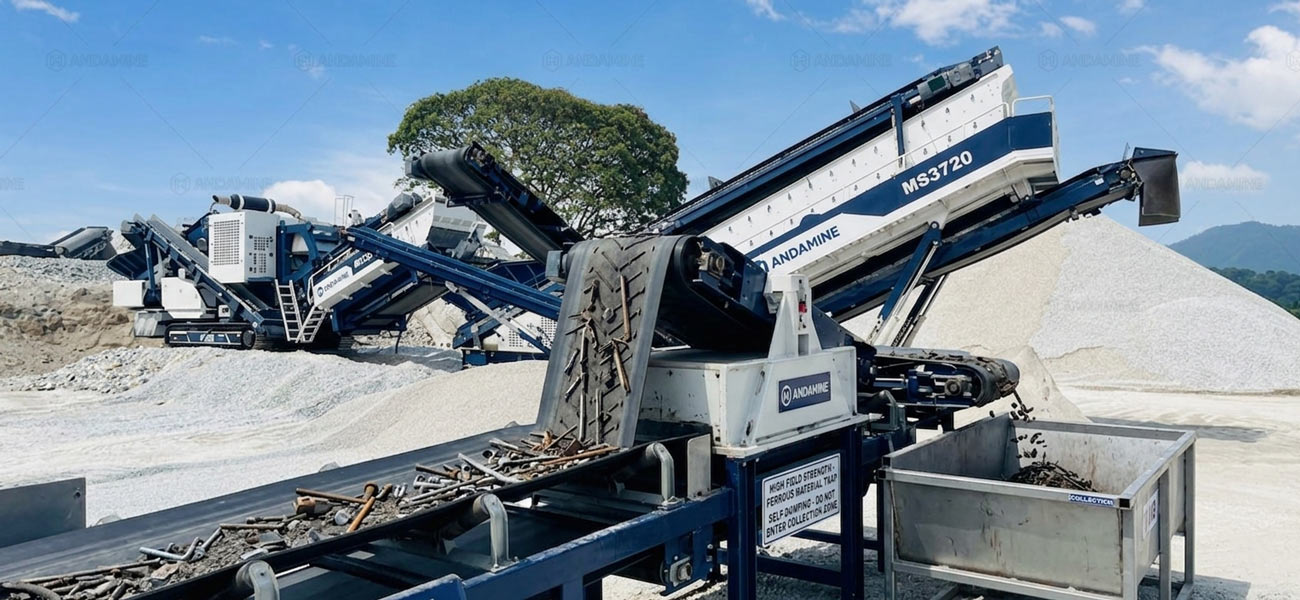
High-Strength Magnetic Self-Dumping Magnetic Separator: A Precise “Metal Filter”
To protect the core crushing equipment, it is crucial to establish an efficient physical defense line between the feeding module and the crushing module.
- High Magnetic Field Strength for Thorough Iron Removal: The equipment is equipped with a self-dumping iron remover featuring a high-gradient, high-intensity magnetic field. Its powerful magnetism penetrates thick material layers to instantly attract and capture embedded iron objects.
- Self-Dumping Automatic Iron Ejection: Captured iron objects are automatically transported away from the material flow by the iron remover’s own conveyor belt and dropped into a designated collection area, requiring no manual intervention.
Preventing Damage to Cone Crushers Caused by Iron Contamination
- Risks of Iron Contamination: Cone crushers operate based on the principle of compression crushing. Due to their narrow working clearance and extremely high internal pressure, the introduction of iron contaminants can easily lead to catastrophic failures such as main shaft breakage, burning of bronze bushings, or overloading of the hydraulic locking system.
- Magnetic Separation Protection Solution: Integrating a high-efficiency self-dumping magnetic separator at the very beginning of the feed line can completely intercept harmful iron particles at the source, providing robust protection for precision, high-value equipment such as cone crushers, thereby effectively preventing prolonged downtime caused by severe damage.
Guide to Selecting and Applying Modular Crushing Plants
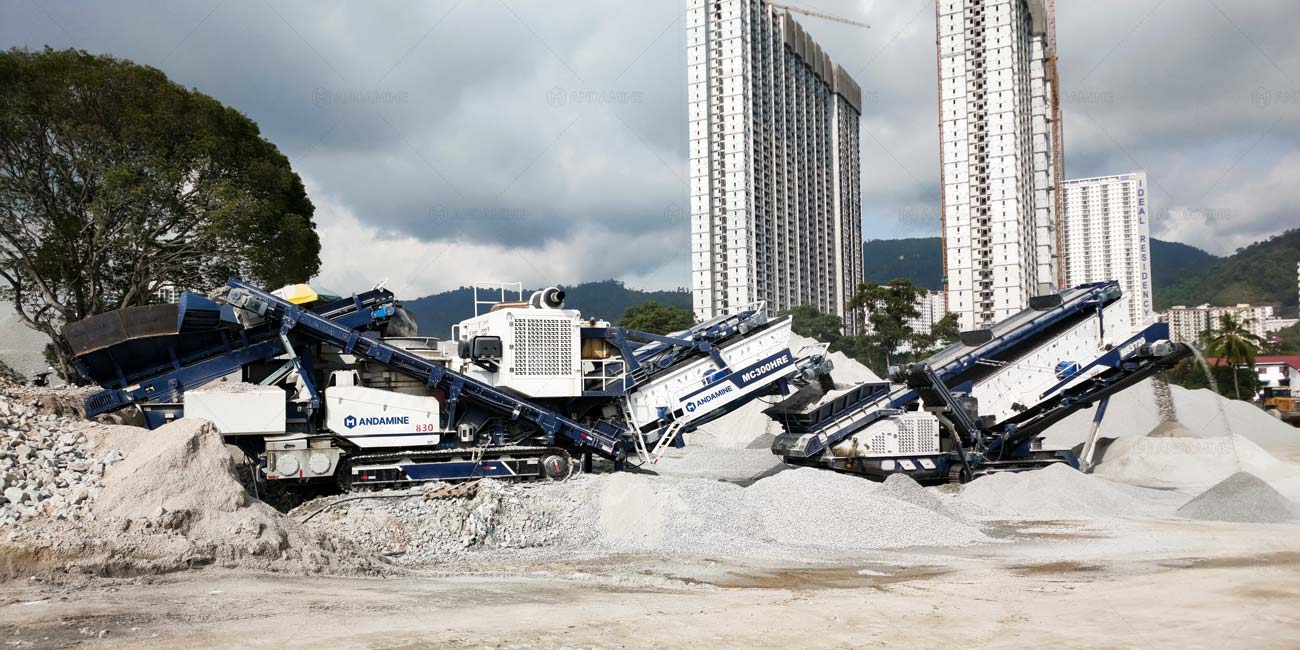
Three Key Factors for Selection: The Key to Meeting Requirements
Material Characteristics Analysis
- Hardness: For hard rocks such as granite and basalt, a jaw crusher + cone crusher combination is recommended; for soft rocks such as limestone, a jaw crusher + impact crusher combination is suitable.
- Moisture Content: Materials with high moisture content require anti-clogging feeders and dewatering screening modules.
- Impurities: Materials with high levels of metallic impurities must be equipped with a strong magnetic iron removal system.
Capacity and Particle Size Requirements
- Capacity <500 tons/hour: Select a single mobile crushing plant; Capacity >500 tons/hour: Consider a multi-unit operation
- High-precision finished product particle size requirements: Must be equipped with a sand-making machine and multi-layer screening modules to ensure grading accuracy
Site Condition Assessment
- Road Transport: Select equipment compliant with highway transport standards (width ≤ 3 meters, height ≤ 4 meters)
- Terrain Conditions: For complex terrains such as mountainous or wetland areas, prioritize equipment with a three-axle chassis and skid-mounted support
- Environmental Requirements: Equip with dust collection and noise reduction modules to meet local environmental standards
Next, I will share with you several flexible configuration solutions for common modular combinations, to help you choose the right configuration and achieve cost savings and increased efficiency.
Flexible Configuration Solutions for Modular Combinations
| Application Scenario | Recommended Module Combination | Core Advantages | Applicable Materials |
|---|---|---|---|
| Construction Waste Treatment | Jaw Crusher + Impact Crusher + Screening + Iron Removal | Multi-specification recycled aggregates, thorough iron removal | Concrete blocks, bricks, rubble |
| Mining Operations | Jaw Crusher + Cone Crusher + Screening | High-strength crushing, uniform particle size | Granite, basalt, iron ore |
| Road Engineering | Jaw Crusher + Screening | Rapid deployment, flexible site transfer | Limestone, sandstone, gravel |
| Manufactured Sand Production | Jaw Crusher + Impact Crusher + Sand Making Machine + Screening | Good finished product grain shape, reasonable gradation | River pebbles, granite, tailings |
As global demands for resource efficiency and environmental standards continue to rise, crushers are undergoing a technological evolution from ‘heavy, cumbersome machinery’ to ‘high-precision, intelligent mobile equipment’. Through technological innovations such as standardised modules, intelligent control systems and flexible mobile chassis, Andamine mobile crushing plant achieves a perfect balance between rapid assembly and disassembly and adaptability to multiple scenarios, providing the crushing industry with efficient, flexible and intelligent solutions.
In the future, with the deep integration of technologies such as artificial intelligence, the Internet of Things and new energy sources, modular crushing plants will evolve towards greater intelligence, environmental sustainability and efficiency. They will provide robust support for sectors including the recycling of construction waste, intelligent mining and infrastructure development, propelling the crushing industry into a new phase of high-quality development.