
Asia-Pacific is rapidly emerging as the growth engine for the global aggregates market, driven by large-scale infrastructure projects under the Belt and Road Initiative. Beyond the volume of demand, these projects are transforming how crushing plants are deployed, managed, and optimized for speed, quality, and sustainability. For manufacturers, contractors, and investors worldwide, understanding and responding to these changes is no longer optional—it is a strategic necessity to remain competitive in a rapidly evolving industry.
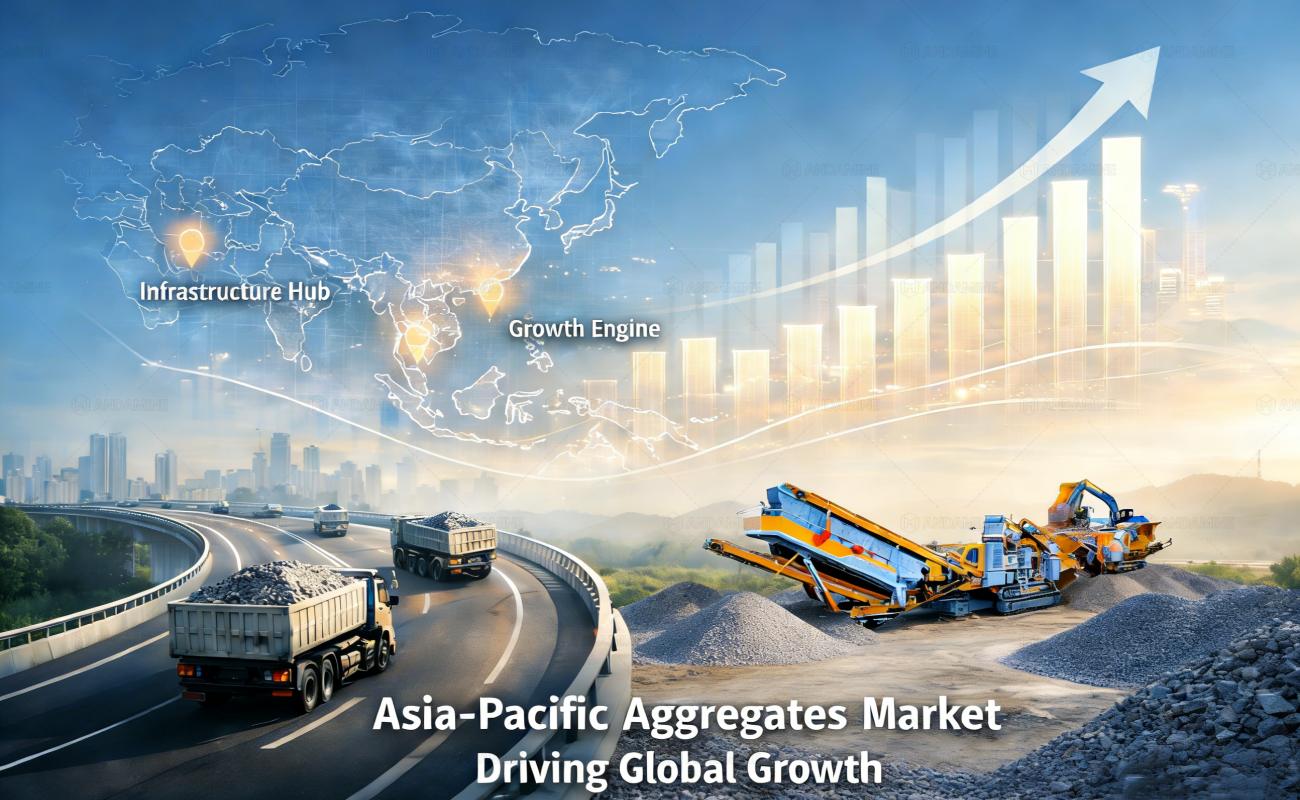
To understand the full impact, it is crucial to explore how Asia-Pacific infrastructure growth is reshaping aggregate demand and influencing crushing plant operations.
How Infrastructure Growth Is Changing Aggregate Demand
The rapid expansion of infrastructure projects across Asia-Pacific is reshaping aggregate production, creating both opportunities and operational challenges for the crushing industry. Project type, construction scale, and location now influence how plants are planned and operated.
Diverse Project Requirements
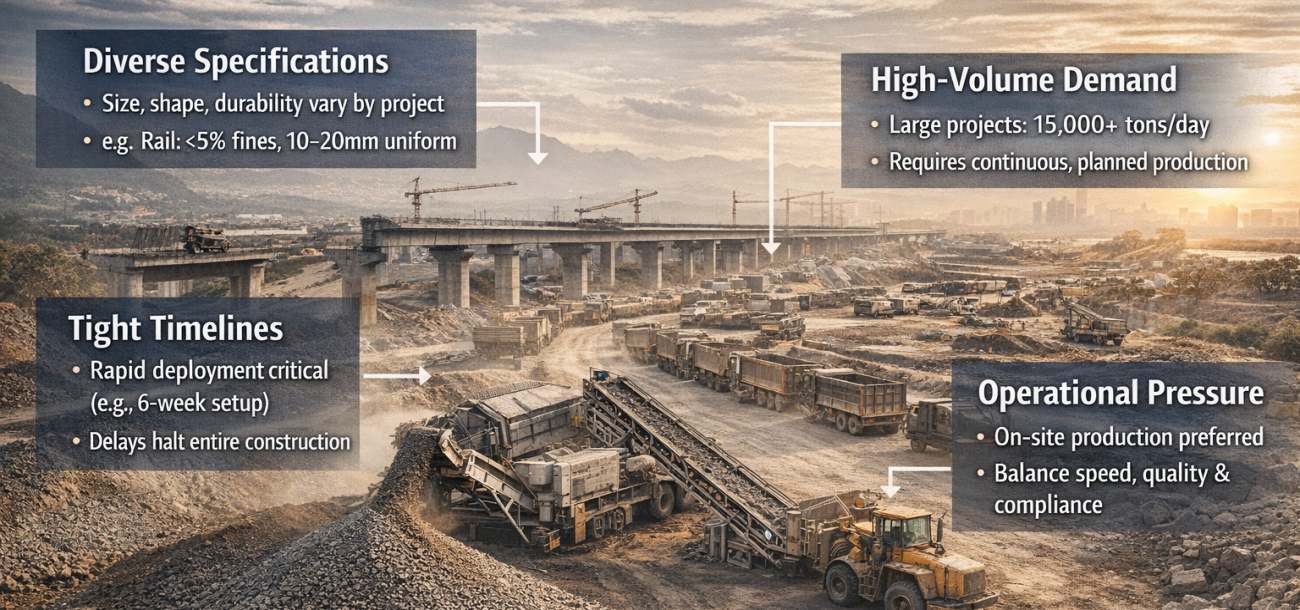
Infrastructure projects vary widely—highways, high-speed railways, ports, airports, and water management initiatives each require specific aggregate properties. Particle size, shape, and durability standards differ by project type. For instance, highways and railways demand well-graded, cubical aggregates to ensure structural stability.
For example, in Malaysia, the East Coast Rail Link project specifies aggregates with less than 5% fines content and a uniform 10–20 mm particle size to meet asphalt and concrete standards. Such requirements drive suppliers to adopt precise crushing and screening methods while maintaining high throughput.
High Volume Demands
Large-scale projects often require thousands to tens of thousands of tons of aggregates daily. For example, a typical port expansion in Indonesia may consume up to 15,000 tons per day over several months. Continuous production planning is essential to avoid bottlenecks and ensure timely delivery. Crushing plants should maintain consistent output while meeting project quality standards.
Tight Timelines
Aggressive schedules are common, and delays in aggregate supply can halt paving, bridge, or port construction. Rapid deployment and reliable operations are critical. The Jakarta-Bandung high-speed rail project, for instance, required mobile crushing plants to begin operation within six weeks to keep construction on schedule.
Proximity Production Strategies
Transporting bulk aggregates over long distances is costly and logistically challenging. Many projects now prefer on-site or near-site production using mobile or semi-permanent plants. This approach improves supply reliability and allows production adjustments as project demands evolve.
Operational Pressures
High-volume projects across dispersed sites require efficient operations. Environmental compliance, though mentioned here only as a pressure, adds another layer of operational complexity. Plants should balance speed, quality, and compliance to ensure uninterrupted supply without risking regulatory issues.
Rising Engineering Standards: Implications for Crushing Technology
Aggregate engineering standards in Asia-Pacific projects are becoming stricter, requiring suppliers to adopt suitable technology and practices.
Strict Particle Shape and Grading
High-grade infrastructure projects require angular, cubical aggregates with uniform grading. Consistent particle shape improves compaction, structural integrity, and performance in concrete or asphalt.
For example, in Singapore, expressway projects require crushed granite aggregates with 80% of particles cubical and within ±1 mm of target size. To achieve this, suppliers use multi-stage crushers combined with vibrating and high-precision screening systems.
Enhanced Material Cleanliness
Aggregates need to be free from clay, silt, and organic matter. Modern crusher plants use washing systems and continuous online quality monitoring to ensure long-term purity. Some high-speed rail projects in China implement additional magnetic separation to remove iron and other contaminants that could affect ballast performance.
Integrated Crushing and Screening Systems
Single-stage crushing is no longer sufficient. Integrated systems combine primary, secondary, and tertiary crushers with multi-level screening. This allows project teams to adjust output dynamically for different project sections.
For a port expansion in Vietnam, modular integrated plants allowed the contractor to produce both 5–10 mm and 20–40 mm aggregates simultaneously, reducing downtime and improving workflow efficiency.
Precision, Reliability, and Consistency
Large infrastructure programs demand thousands of tons of aggregates over months. Automation, real-time monitoring, and sensor-based controls maintain precise particle size and shape. Predictive maintenance ensures minimal downtime. For instance, automated conveyor systems in highway projects track material flow and alert operators to potential blockages in real time.
Technological Implications for Manufacturers
Rising standards encourage investment in modular, automated, and environmentally compliant crushing and screening plants. Suppliers are now evaluated not only on capacity but also on precision, durability, and operational support. Integrated solutions—such as intelligent conveyors, automated controls, and remote monitoring—help companies meet tight schedules and maintain high quality. This strengthens supplier competitiveness in Asia-Pacific projects.
How Asia-Pacific Projects Are Changing Industry Competition
Infrastructure growth in Asia-Pacific is reshaping not only aggregate demand but also the competitive dynamics of the crushing industry. Companies should now differentiate themselves through operational efficiency, deployment speed, technological integration, and service capability.
Speed and Project Readiness as Key Differentiators
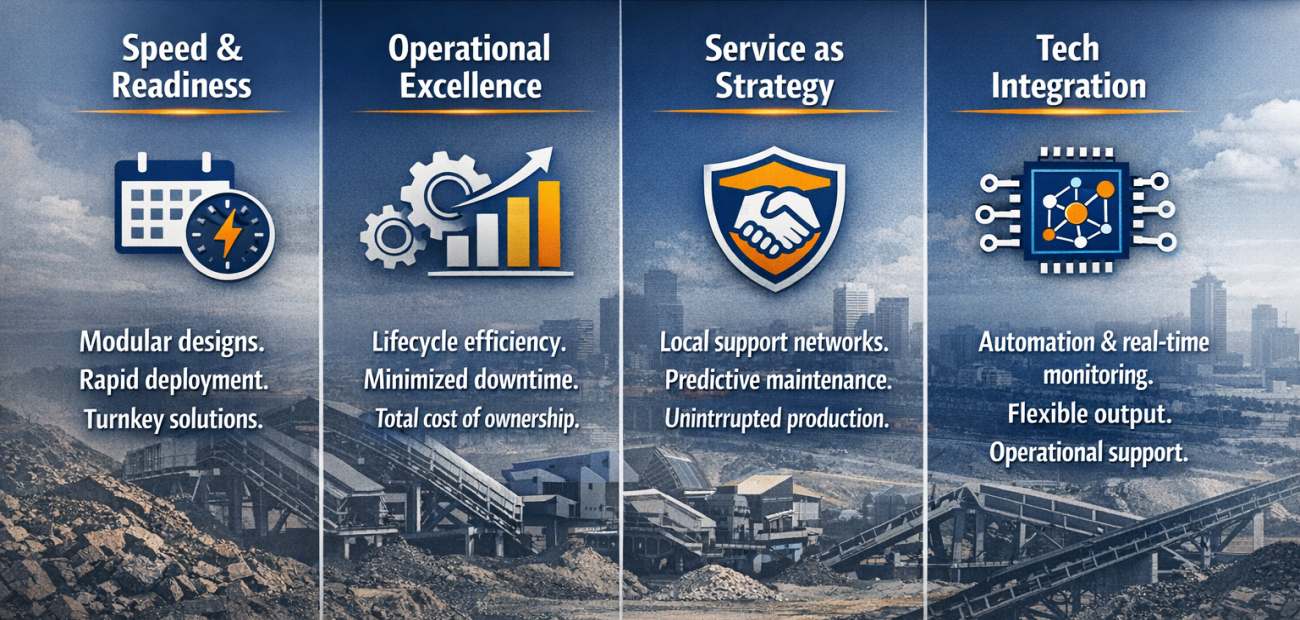
Fast deployment and rapid operational readiness have become decisive advantages.
- Contractors increasingly require plants to be ready within weeks, not months.
- Modular and mobile designs allow relocation across sites, enabling production to start early in project phases.
- Suppliers offering turnkey solutions gain strong preference in high-demand regions.
Operational Performance Beyond Price
Price alone no longer defines competitiveness; lifecycle efficiency and reliability are critical.
- Crushing plants that maintain continuous output with minimal downtime support tight schedules and reduce overall project risk.
- Maintenance-friendly designs and automation reduce manual intervention, lowering operational costs.
- Contractors and investors now evaluate crusher plant suppliers based on total cost of ownership, including support and lifecycle efficiency, not just initial equipment cost.
Service Capability as a Strategic Advantage
Support infrastructure increasingly determines market success.
- Local technical teams, spare parts availability, and responsive maintenance services help maintain uninterrupted production.
- Remote monitoring and predictive maintenance enable proactive problem-solving, especially for multi-site projects.
- Suppliers combining strong service networks with smart technology improve long-term customer loyalty and secure multi-year contracts.
Technology Integration in Competitive Differentiation
Advanced integration has become a competitive baseline.
- Automated conveyors, intelligent controls, and real-time production monitoring optimize efficiency and reduce errors.
- Flexible plant layouts allow simultaneous production of multiple aggregate sizes, meeting diverse project specifications.
- Plant suppliers that offer technology plus hands-on operational support do better than those selling only crushing equipment, creating a lasting advantage.
Four Core Requirements from Asia-Pacific Projects
Asia-Pacific infrastructure projects impose four fundamental requirements on stone crushing plants—Scale, Speed, Standard, and Sustainability—collectively defining both project success and crushing plant supplier competitiveness.
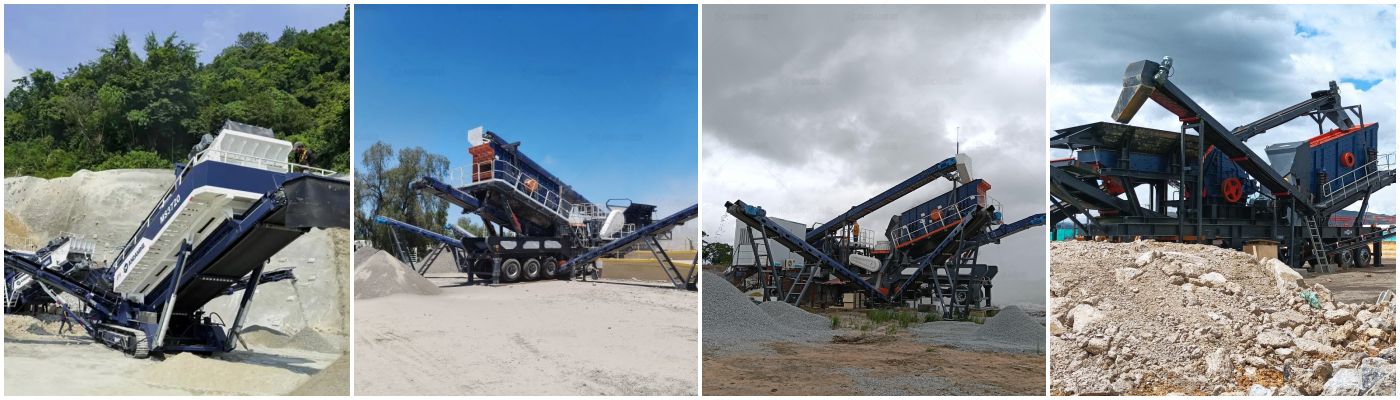
Scale: Flexible Large-Scale Production
- Mega-projects, such as high-speed railways and port expansions, require thousands of tons of aggregates daily over several months.
- Modular, multi-line, or semi-permanent layouts allow output adjustments based on project phases.
- Parallel operations with multiple crsuhing units help meet peak demands while maintaining consistent quality.
- Flexibility is crucial for responding to unexpected volume increases or temporary site relocations.
Speed: Early Production and Rapid Deployment
- Mobile and modular crusher plants allow project teams to begin production quickly, reducing schedule risks.
- Early material availability ensures uninterrupted construction during critical project stages.
- Turnkey services—including installation, commissioning, and operator training—support operational readiness.
- Relocatable plants can serve multiple project sites efficiently, minimizing transport downtime.
Standard: Consistent Aggregate Quality
- Uniform particle shape, grading, and contaminant-free aggregates are critical for infrastructure integrity.
- High-grade projects, including ports and highways, require consistent material quality over long-term production.
- Integrated quality systems, online monitoring, automated sampling, and washing units help meet specifications.
- Maintaining standards reduces rework, supports structural reliability, and fosters company confidence.
Sustainability: Operational Reliability and Environmental Responsibility
- Dust, noise, and energy management are baseline requirements in Asia-Pacific projects.
- Sustainable practices—including dust suppression, noise barriers, energy-efficient motors, and water recycling—reduce environmental impact.
- Predictive maintenance and smart monitoring enhance long-term operational reliability.
- Plants incorporating sustainability features are often preferred by project contractors and companies and comply with regional ESG(Environmental, Social, Governance) standards.
Mobile and Modular Crushing Solutions—Meeting Asia-Pacific Project Needs
Asia-Pacific infrastructure projects face tight timelines, high production volumes, and dispersed construction sites. Mobile and modular crushing solutions address these challenges effectively, aligning with the 4S requirements: Scale, Speed, Standard, and Sustainability.
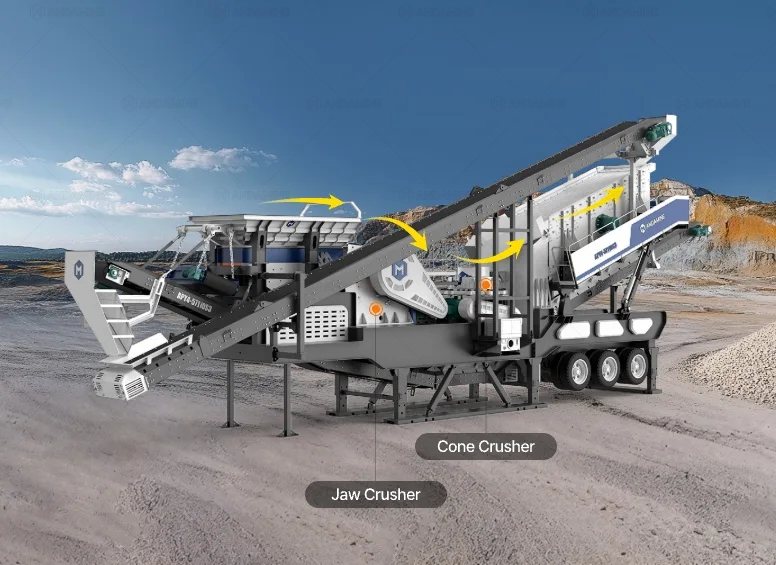
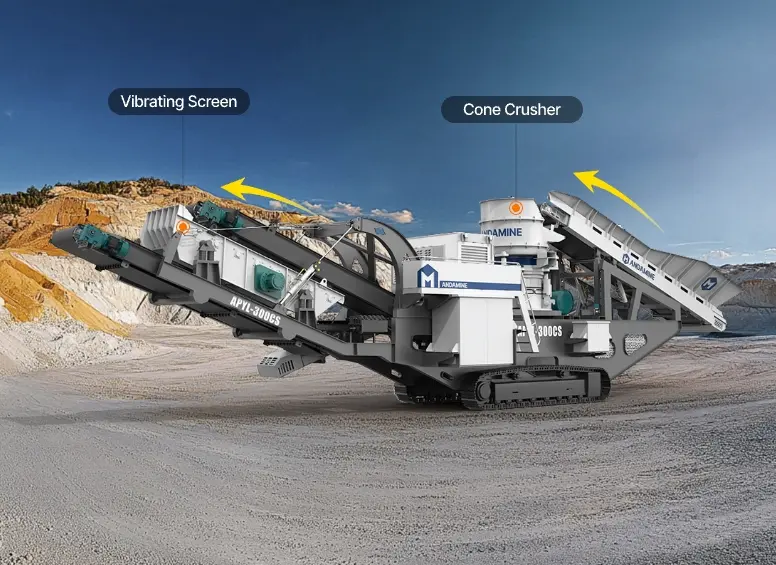
Rapid Deployment with Mobile Crushing Plants
- Mobile crushing units enable early production within weeks, supporting critical construction phases before permanent facilities are operational.
- Mobile crushers can be relocated easily, providing flexibility for phased projects or multiple sites.
- Typical throughput ranges from 1,000 to 3,000 tons per day, meeting initial project demand efficiently.
- Quick installation minimizes disruption in urban or environmentally sensitive areas, an essential consideration for projects team.
Large-Scale Production through Modular Systems
- Modular plants combine primary, secondary, and tertiary crushers with screening and washing units for continuous high-volume production.
- Configurations can be expanded or reduced according to project phases, addressing the Scale requirement.
- Simplified maintenance and flexible layouts enhance long-term reliability and operational efficiency.
Maintaining Consistent Quality with Advanced Controls
- Integrated control systems ensure particle shape, grading, and cleanliness meet strict specifications consistently.
- Automated monitoring and real-time adjustments reduce errors and maintain uniform output.
- Remote monitoring allows suppliers to optimize production offsite, enhancing both efficiency and quality.
- These capabilities directly satisfy the Standard requirement, crucial for high-grade infrastructure applications.
Environmental Responsibility and Sustainability Features
- Dust suppression, noise reduction, and energy-efficient motors are standard in modern mobile and modular crushing and screening plants.
- Water recycling and low-emission systems minimize environmental impact while maintaining continuous aggregates production.
- Sustainability measures satisfy the Sustainability requirement, supporting regulatory compliance and community acceptance.
Operational Flexibility and Lifecycle Support
- Crushing plants can scale production up or down according to project phases or changing site requirements.
- Lifecycle support—including predictive maintenance, spare parts management, and technical guidance—minimizes downtime and extends plant lifespan.
- Flexible deployment combined with operational reliability and sustainability ensures companies can meet demanding construction project needs efficiently.
China’s Competitive Advantage in Asia-Pacific Crushing Projects
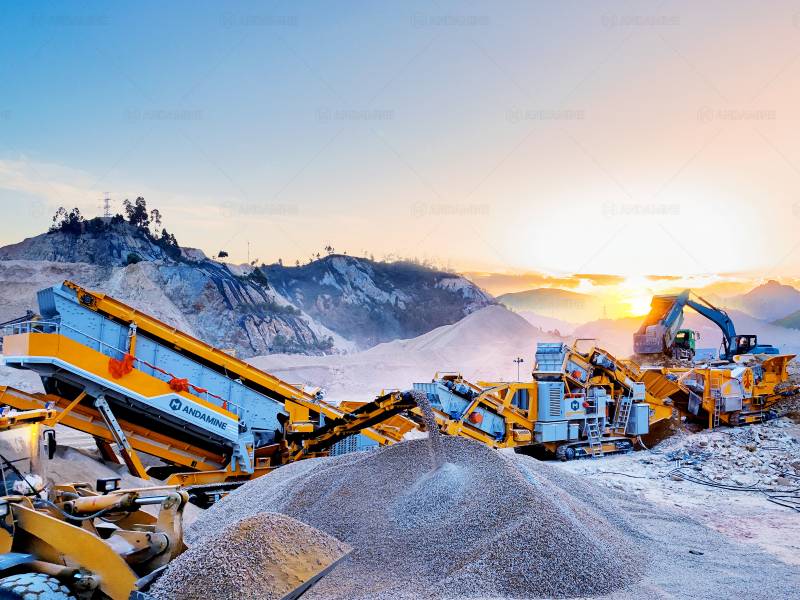
Chinese crusher plant manufacturers are increasingly recognized as comprehensive solution providers, leveraging technology, operational expertise, and project experience to meet Asia-Pacific infrastructure demands. Their edge extends beyond equipment supply to integrated, flexible project support.
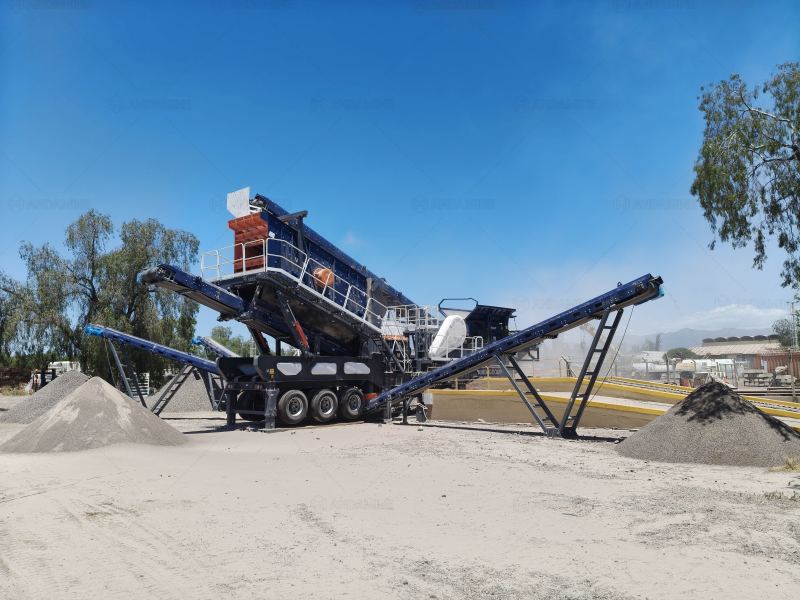
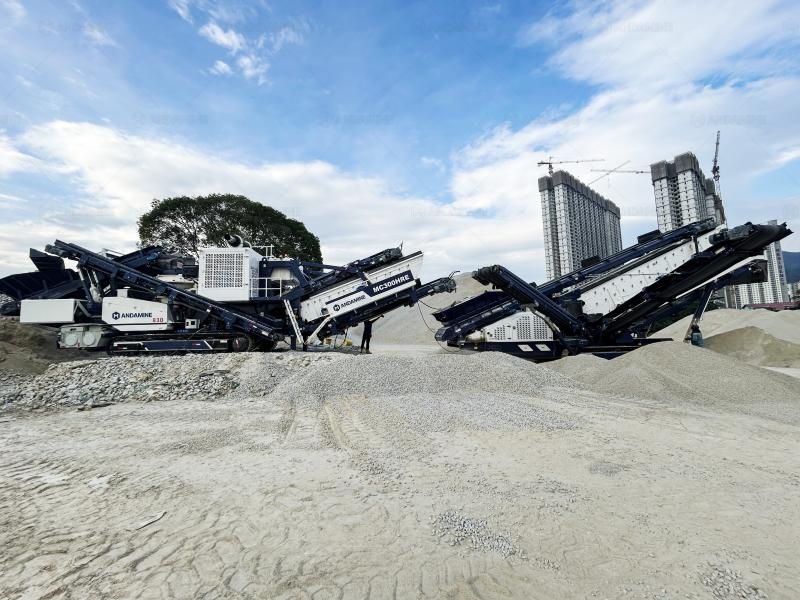
Transition to Solution-Oriented Service
- Reputable and reliable Chinese manufacturers like Andamine offer turnkey services: plant design, installation, commissioning, operator training, and lifecycle management.
- This approach reduces project complexity and risk, ensuring faster startup, reliable operations, and consistent material output.
- Customers benefit from complete, end-to-end solutions, which sets Chinese suppliers apart from equipment-only vendors and helps build long-term partnerships.
Adapting to Diverse Sites, Regulations, and Schedules
- Projects vary widely—from ports to mountainous highways—with differing site conditions, scale, and regulatory requirements.
- Chinese crushing plant manufacturers use experience from both local and overseas projects to design mobile or modular plants that meet tight schedules and local engineering requirements.
- Adaptable designs for aggregates production ensure consistent performance, helping projects stay on schedule while meeting quality and operational expectations.
Strength in System Integration and Operational Efficiency
- Chinese companies excel in integrating crushers, screens, conveyors, washing units, and monitoring systems into cohesive, high-performance plants.
- Rapid delivery and modular installation reduce setup time, aligning with regional demands for speed and flexibility.
- Operational efficiency is achieved through energy-saving equipment, predictive maintenance, and lifecycle support, lowering total cost of ownership.
- These strengths make Chinese manufacturers highly competitive in markets prioritizing reliability, efficiency, and sustainable operations over initial purchase price of crusher plants.
Future Outlook for the Asia-Pacific Crushing Industry
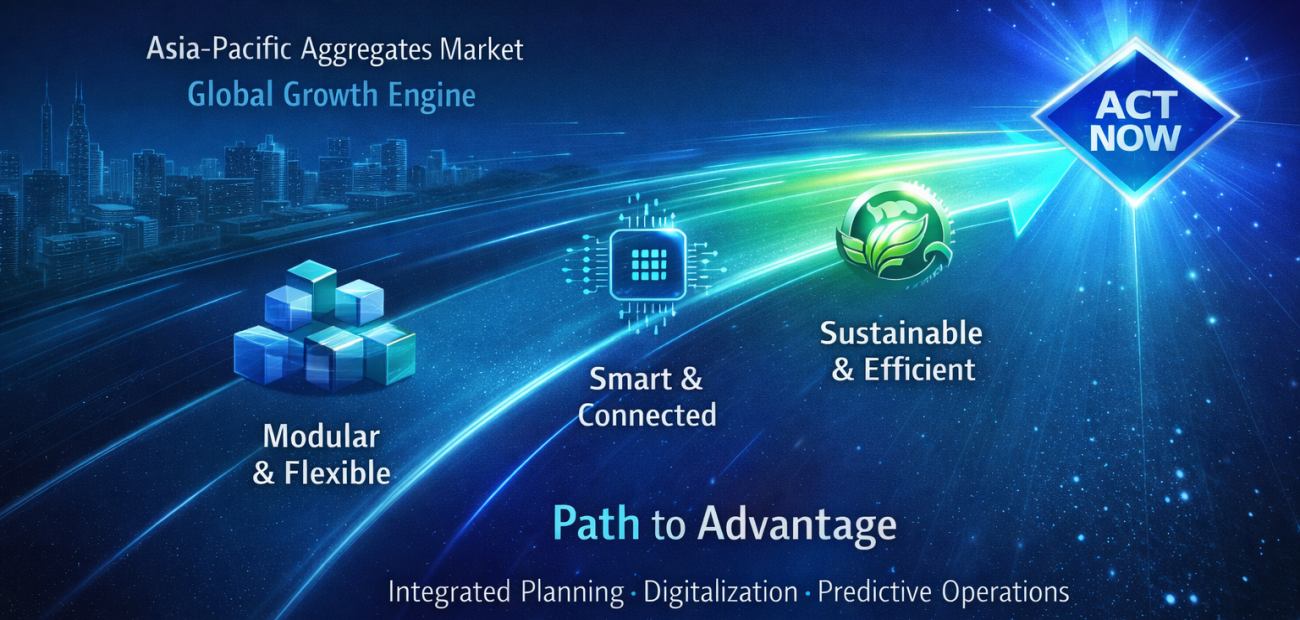
The Asia-Pacific aggregates market is set to remain a global growth engine, driven by expanding infrastructure networks and rising investment in urban and regional development. Emerging trends include higher demand for integrated project planning, digitalization, and predictive operational management to optimize efficiency across dispersed and complex sites.
Suppliers and investors who embrace these changes—with modular plants, smart operations, and sustainable practices—will gain a clear advantage. Success depends on combining technology with flexibility and quick adaptation to evolving project needs. This approach allows companies to capture long-term opportunities and strengthen their position in the fast-growing Asia-Pacific crushing industry. Act now to integrate modular, digital, and sustainable solutions—ensuring your business stays ahead in Asia-Pacific infrastructure growth.