
Is your crushing operation held hostage by the constant fear of uncrushable materials or unexpected blockages? You know the drill: a sudden jolt, a worrying noise, and hours of costly, dangerous manual clearing work begin. In today’s demanding aggregates and mining industries, unplanned downtime isn’t just an inconvenience—it’s a direct hit to your productivity and profitability.
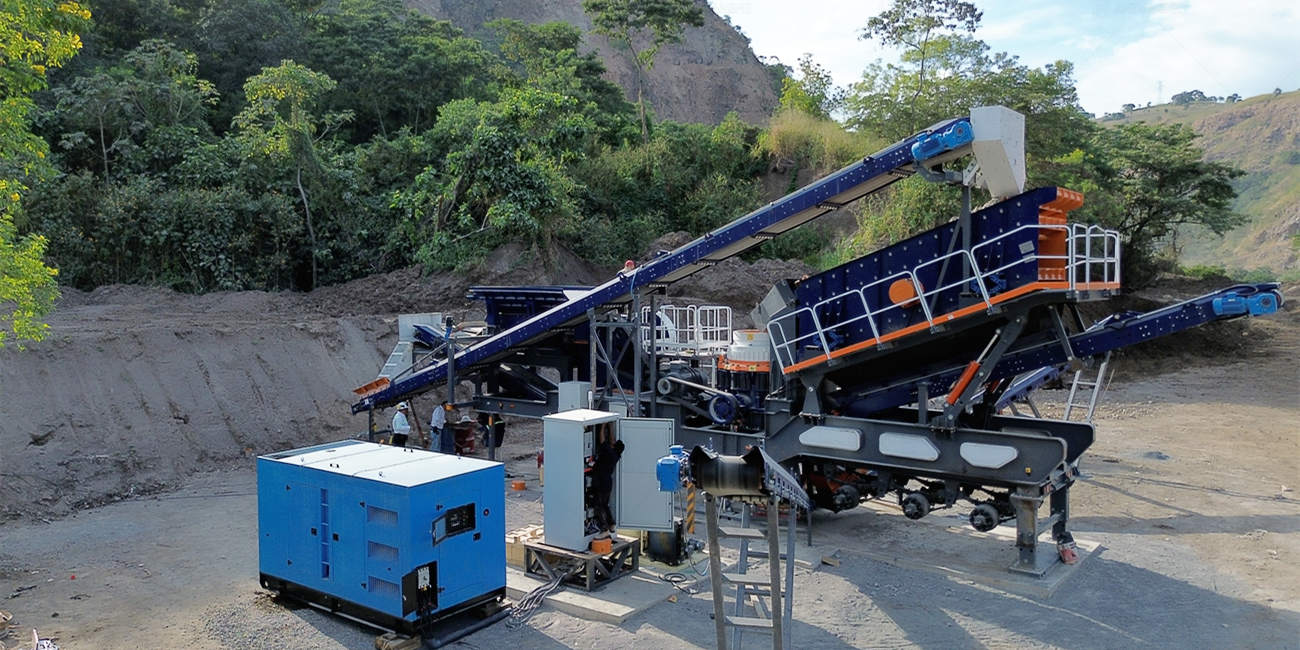
This article cuts to the core of a game-changing solution: Intelligent Overload Protection and Automatic Cavity Clearing Systems. We’ll move beyond basic technical specs to explain how this smart technology actively guards your crusher machine and empowers your operation. You’ll discover how it works, why it’s a worthwhile investment for reliability and safety, and how it can transform the way you manage your primary, secondary, and tertiary crushing stages. Let’s dive in and explore how to build a more resilient, efficient, and profitable crushing process.
The Core Challenge: Why Traditional Crushing is a Constant Battle Against the Unexpected
For anyone managing a crushing operation, the primary goal is simple: keep the plant running smoothly and productively. Yet, the reality on the ground is often a constant tug-of-war against factors that seem designed to halt your progress. The core challenge isn’t a lack of power or will—it’s the inherently unpredictable nature of the material you’re processing and the catastrophic cost of a single, sudden failure.
Let’s break down the two main adversaries you face daily:
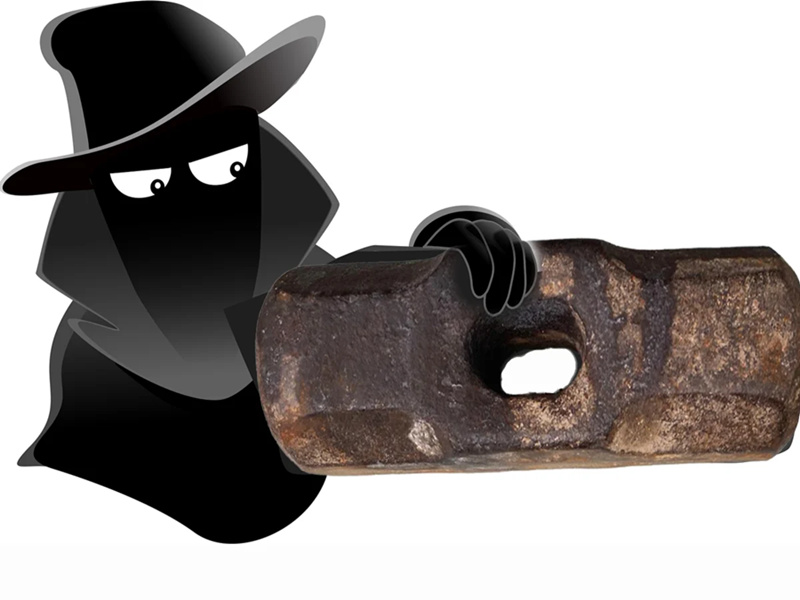
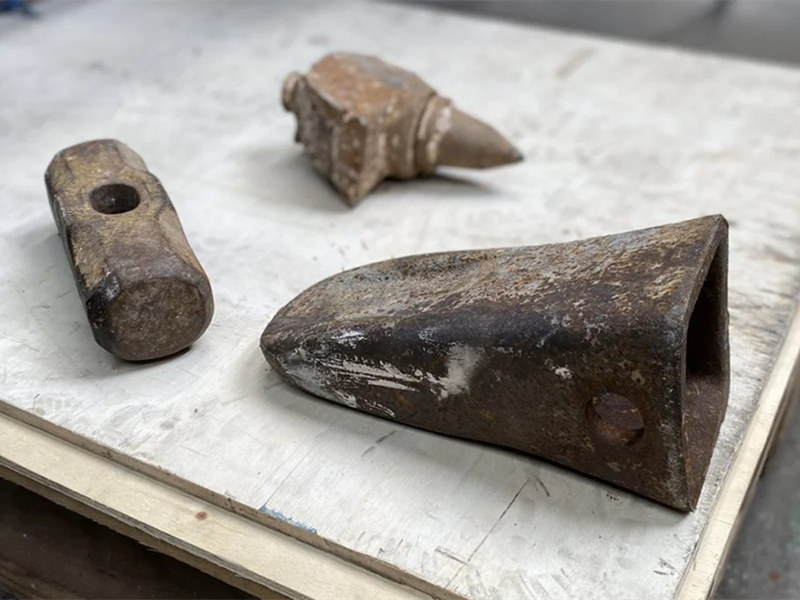
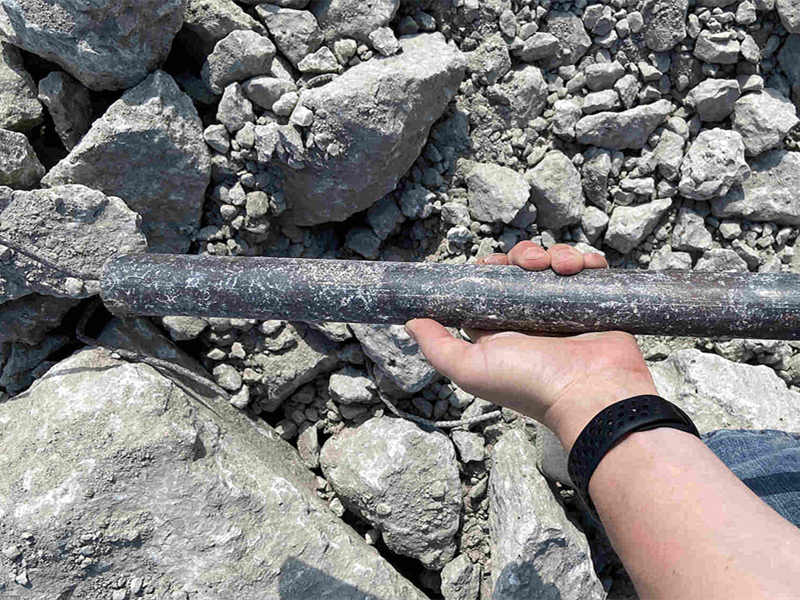
- The Uninvited Guests: Tramp Metal and Uncrushables. No matter how meticulous your pre-screening, a stray bucket tooth, a piece of drilling steel, or an oversized, ultra-hard piece of feed can find its way into your crusher. These “uninvited guests” do not compress or break; they transmit immense, focused force directly into your machine’s heart—the bearings, the shaft, the mantle, and the bowl liner.
- The Silent Chokers: Material Buildup and Cavity Packing. Sometimes, the threat isn’t a single object but a change in condition. Sticky, clay-rich feed or a shift to a finer, damper material grade can cause it to adhere to the crushing chamber walls. This slowly chokes the cavity, leading to a packed chamber that restricts movement, causes violent “ring bounce” in cone crushers, and ultimately forces a complete stop.
The Old Way: A Costly and Reactive Compromise
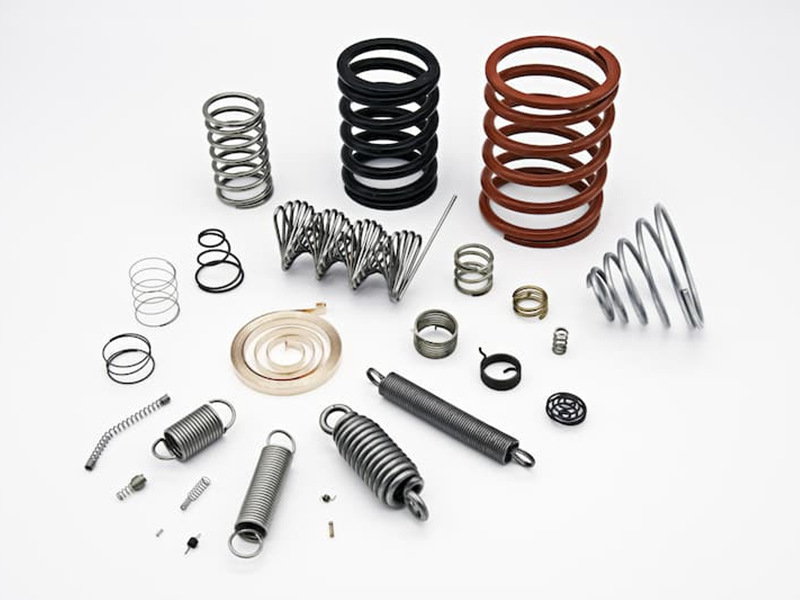
Traditionally, the industry relied on “sacrificial” safety devices. Think of shear pins or mechanical springs. Their logic was blunt: when forces exceed a limit, a cheap component fails (like a pin shearing), disconnecting the drive to save the expensive core structure from damage.
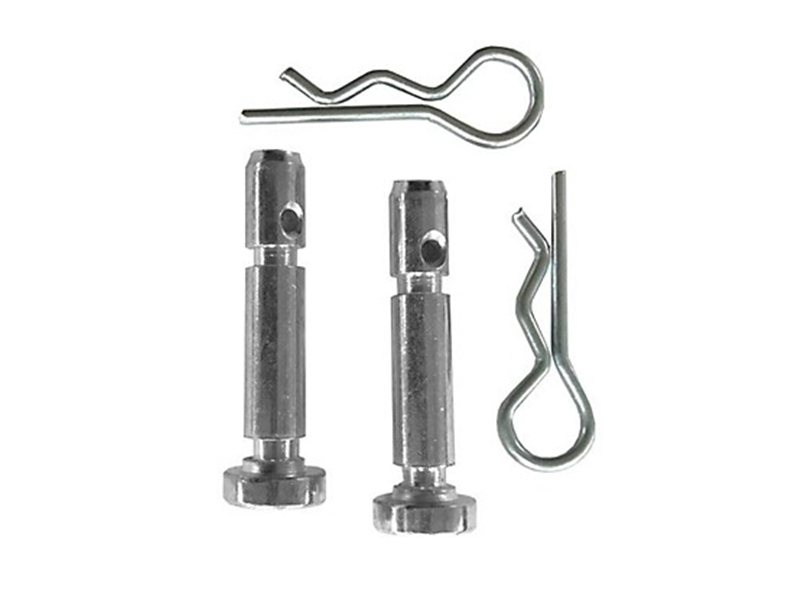
While this does prevent a total mechanical catastrophe, it’s a profoundly costly and reactive strategy. Every single overload event triggers the same cycle:
- Inevitable Stop: The machine is dead in the water.
- Manual Diagnosis & Labor: Crews must inspect, locate the cause (often by manually clearing the chamber), and identify the broken component.
- Parts & Labor-Intensive Repair: Replace the shear pin, reset the system, and manually clear any packed material—a process that is not only time-consuming but also poses significant safety risks for personnel working in and around the crusher.
- Restart and Ramp-Up: Finally, you can begin the process of restarting and getting back to full production.
This cycle turns an unexpected five-minute event into a multi-hour ordeal. The real cost isn’t just the spare part; it’s the tons of lost production, the labor hours, the safety exposure, and the relentless wear on your team’s morale and efficiency.
The New Logic: From Reactive Sacrifice to Proactive Intelligence
Modern intelligent overload and clearing systems are founded on a completely different philosophy: active protection and autonomous recovery.
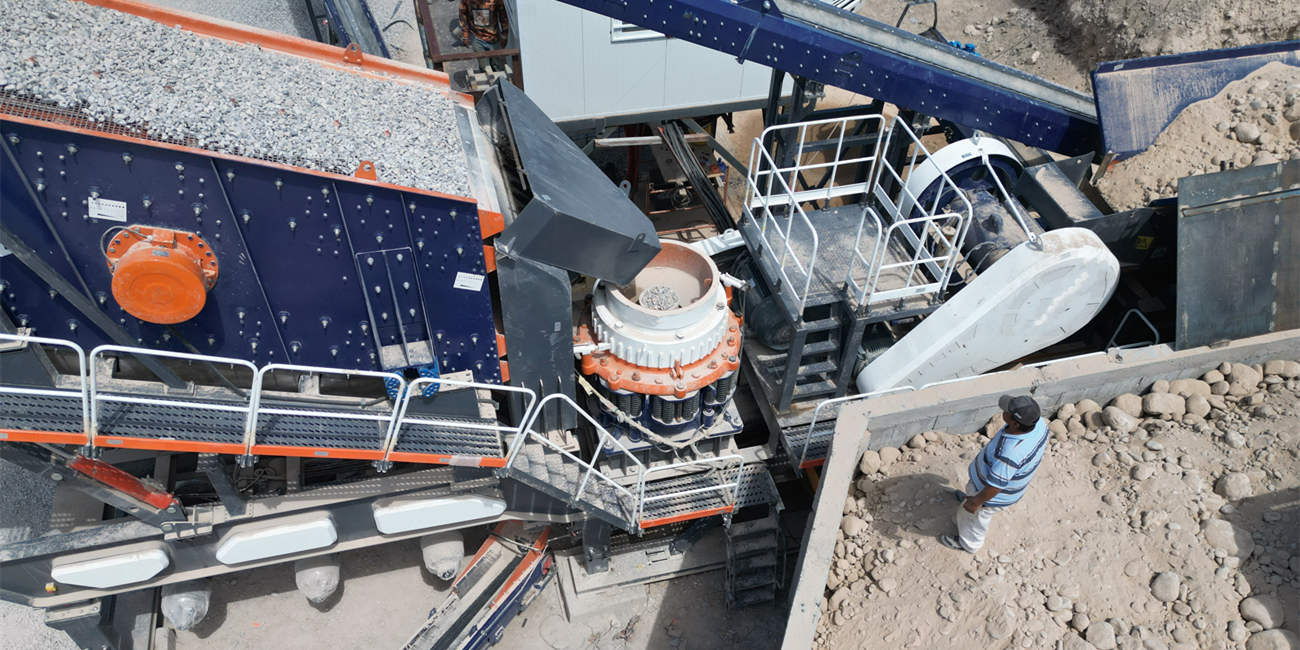
Instead of waiting for a component to fail, these systems are designed to sense, adapt, and resolve the problem in real-time. The core logic follows three principles:
- Sense with Precision: Advanced sensors (pressure, position, power) constantly monitor the crusher’s vital signs. They don’t just detect an overload; they can distinguish between a momentary surge, a piece of tramp metal, and a packing chamber. This diagnostic capability is key.
- Act Automatically to Protect: Upon detecting a genuine threat, the system doesn’t shut down. Instead, it takes corrective action. For a tramp metal event, a hydraulic system can instantly expand the crusher’s setting to create an escape path, allowing the object to pass through in seconds. The crusher then automatically returns to its original setting and resumes crushing—often without the operator needing to intervene.
- Clear on Command (or Automatically): For a packed chamber, the system provides a one-touch “chamber clear” function. With a single button press, the hydraulic system gently raises and lowers the crushing member (like the mantle in a cone crusher) to break up the compacted material and restore normal flow.
This shift in logic transforms your operation’s relationship with risk. You are no longer merely reacting to breakdowns; you are actively preventing them and minimizing their impact. The goal is to turn what was a mandatory, hours-long stop into a minor, self-correcting event that may not even interrupt your production flow.
In the next section, we will dismantle the “how,” exploring the three technological pillars—Smart Sensing, Efficient Actuation, and Intelligent Control—that make this proactive logic not just a concept, but a reliable, daily reality on your site.
The Three Pillars of Intelligence: How the System Sees, Acts, and Thinks
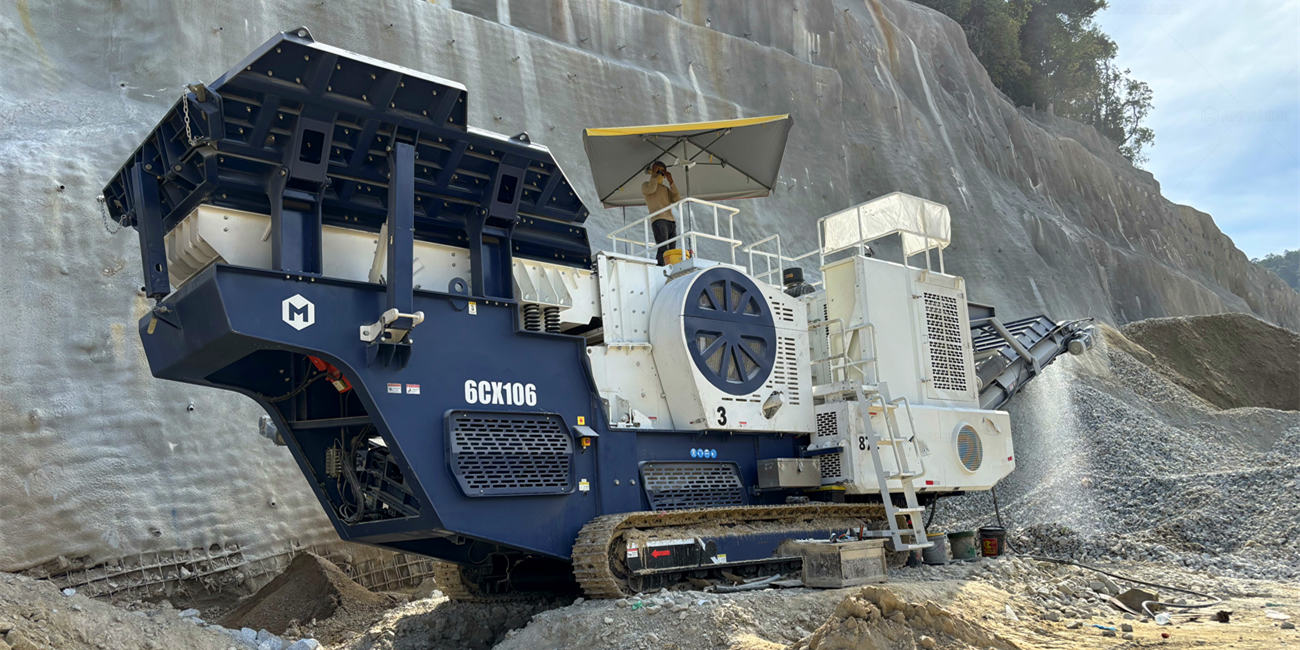
Imagine giving your crusher a nervous system, reinforced muscles, and a sharp brain. That’s precisely what modern intelligent protection systems do. They don’t just add a single component; they integrate three interdependent technological pillars that work in harmony. Understanding this synergy is key to appreciating the system’s reliability.
Pillar 1: Smart Sensing – The Crusher’s “Nervous System”
For a system to act intelligently, it must first perceive its environment with accuracy. Gone are the days of relying solely on amperage spikes as a crude distress signal.
Modern systems employ a suite of sensors that act like sensory organs:
- Pressure Sensors in the hydraulic system act as a continuous “finger on the pulse,” measuring the exact crushing force in real-time.
- Position Sensors track the movement of the crushing mantle or shaft with micron-level precision. An unusual deviation from its path is an immediate sign of uneven load or packing.
- Advanced Algorithms are the true differentiator. They don’t just read data; they interpret it. For instance, they can distinguish the unique vibration signature of a piece of tramp metal from the pattern caused by a temporarily denser feed section. This diagnostic capability allows the system to choose the correct response, avoiding unnecessary actions.
Pillar 2: Efficient Actuation – The Crusher’s “Muscle and Reflexes”
Once a threat is identified, the system needs to physically move—and fast. This is where robust hydraulic systems shine as the machine’s powerful muscles and tendons.
- Hydraulic Overload Protection is the core reflex. When an uncrushable object is detected, the system doesn’t stall. Instead, it commands the hydraulic cylinders to instantly expand the crusher’s setting, creating an escape route. The object drops through, and the cylinders then smoothly return the crusher to its original, precise setting—all within seconds, often without stopping the feed.
- Automatic Clearing Cycle leverages the same powerful hydraulics. For a packed chamber, a single command initiates a controlled “lift-and-drop” sequence of the mantle, breaking the compaction and restoring material flow in minutes, entirely from the safety of the control room.
Pillar 3: Intelligent Control – The Crusher’s “Commanding Brain”
Sensors and actuators are orchestrated by the system’s brain: an integrated Programmable Logic Controller (PLC). This is the command center that transforms raw data into smart decisions.
- It processes inputs from all sensors in milliseconds.
- It executes the precise logic: “Is this a passing overload or a trapped piece of steel? Activate Protocol A or B?”
- It provides you with a clear Human-Machine Interface (HMI)—a touchscreen that displays live status, historical events, and puts one-touch clearing and setting adjustments at your fingertips.
- Crucially, it can be linked to Continuous Feed Systems (CFS), allowing the crusher to communicate with the feeder upstream, proactively regulating feed rate to optimize performance and prevent conditions that lead to packing.
This integrated approach ensures the system isn’t just a reactive safety net, but a proactive stability manager for your entire crushing process. In the next part, we’ll see how these pillars are applied to conquer specific challenges in different crushing stages and material types.
Putting It Into Practice: A Guide to Smart Protection & Clearing System Selection
Understanding the technology is the first step. The real value is created by applying the right intelligent solution to your specific production challenge. Different working conditions have distinct priorities for “overload protection” and “cavity clearing.” This section analyzes three typical scenarios, breaks down the core challenges, and recommends the most suitable intelligent technology solutions and equipment types.
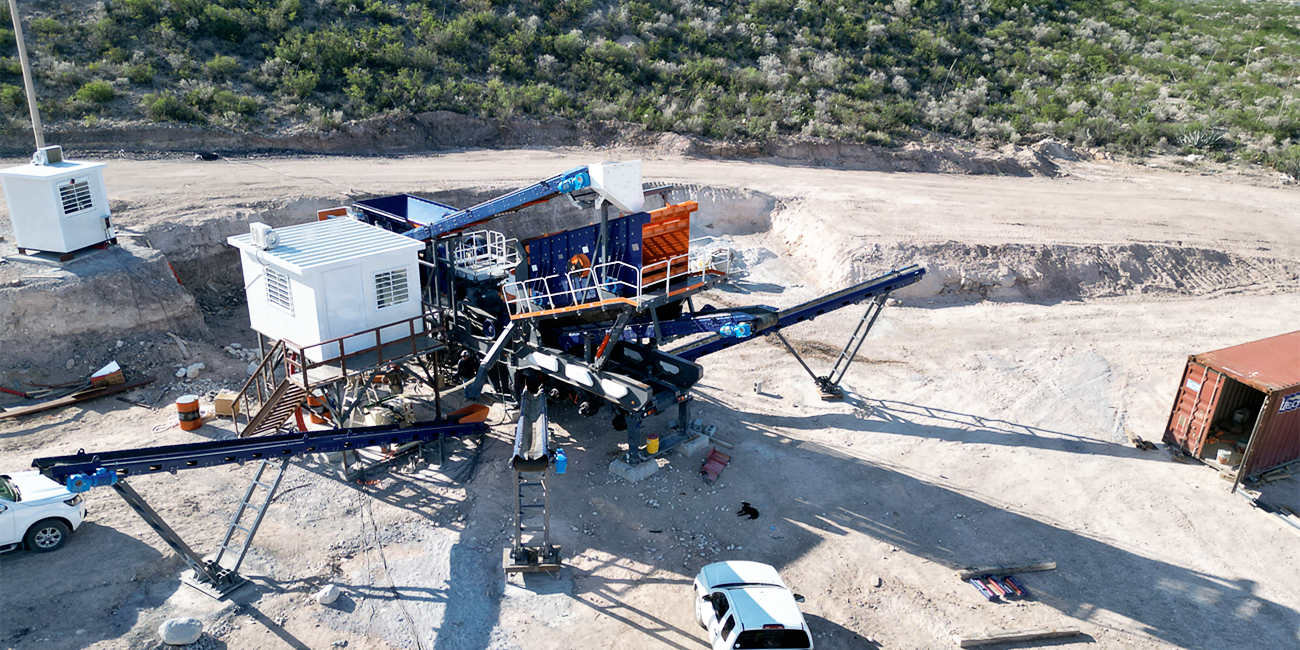
Scenario 1: Metal Ore & Slag Processing – The Battle Against “Uncrushables”
This is the most demanding battlefield for the Intelligent Overload Protection System. The core threat is instantaneous, high-impact “tramp metal” (like bucket teeth, drill bits, large iron pieces).
Core Challenge & Technical Requirement: The system must have extremely fast response speed and a reliable pressure release mechanism. The goal is to “let it pass” rather than “endure” the impact, identifying the metal signal and acting within milliseconds to protect core structures like the main shaft and frame.
Intelligent Solution & Equipment Selection:
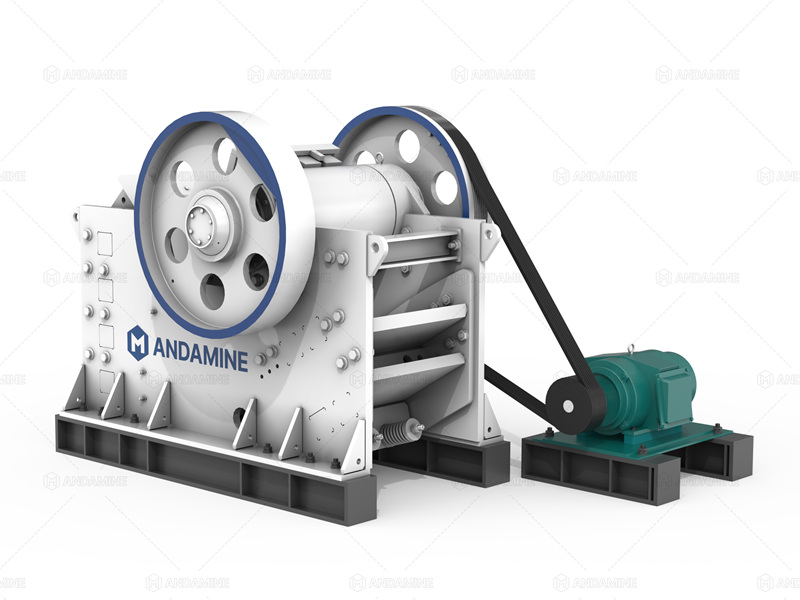
- Hydraulic Overload Protection Jaw Crusher: The preferred choice for primary crushing here. The hydraulic system of jaw crusher acts directly on the movable jaw. When an uncrushable object is detected, it can instantly release pressure and widen the discharge opening, allowing the foreign object to pass through before automatically resetting. This process is seamless and key to achieving high continuity in primary crushing.
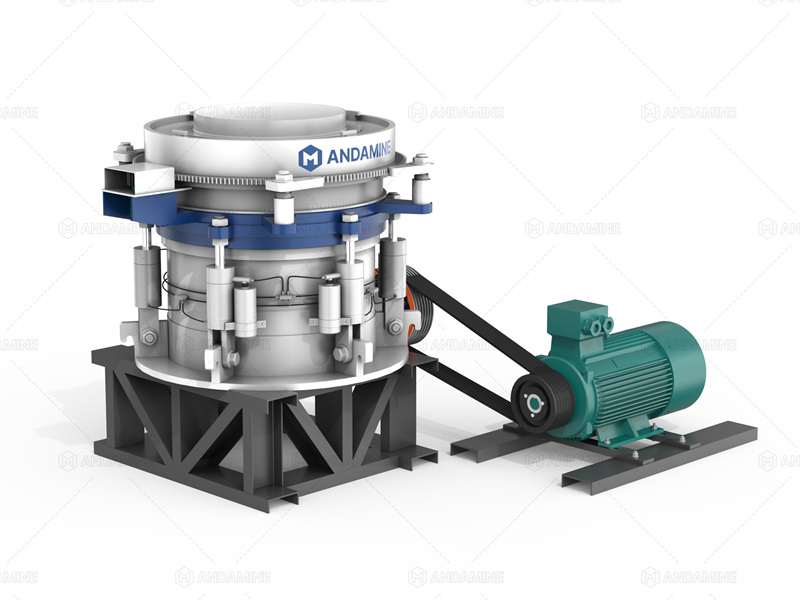
- Multi-cylinder Hydraulic Cone Crusher: Used for secondary/tertiary crushing. Its intelligent system can not only release pressure but, more advancedly, upon detecting a “tramp iron” event, can execute an automatic reverse clearing cycle (e.g., raising and lowering the mantle a few times) to actively attempt to eject the lodged material. It then precisely returns to the original CSS, maximizing product gradation stability.
Scenario 2: Aggregate & C&D Recycling – Managing Complex Feed
Here, material composition is complex, posing a dual threat of “uncrushables” (rebar, iron) and “cavity packing” (damp, fine material, debris entanglement).
Core Challenge & Technical Requirement: The system needs dual-mode response capability—handling both sudden impacts and progressive blockages. The convenience and degree of automation of the clearing system are crucial.

Intelligent Solution & Equipment Selection:
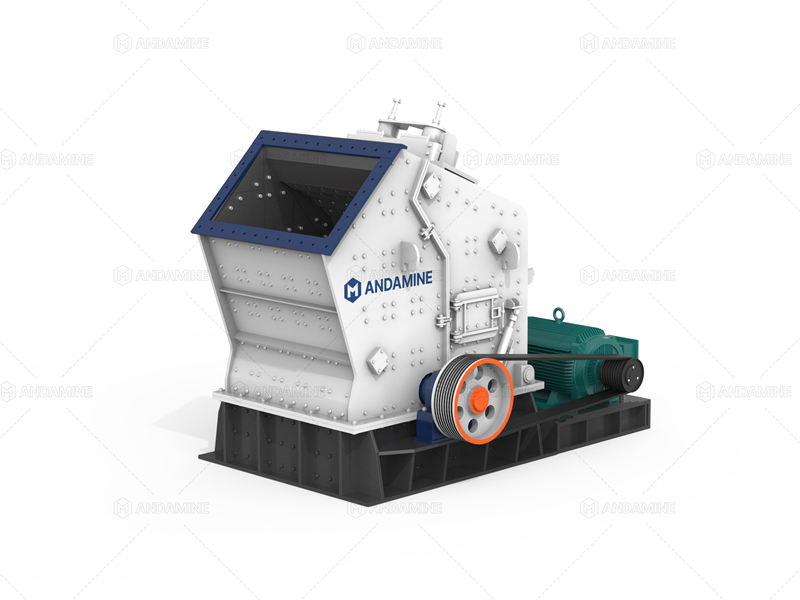
- Impact Crusher: Its intelligent protection is often manifested in hydraulically controlled impact aprons or the housing. Upon overload, the hydraulic system can retract the aprons or open the housing, providing a large discharge path, making it very suitable for processing irregular foreign materials in C&D waste.
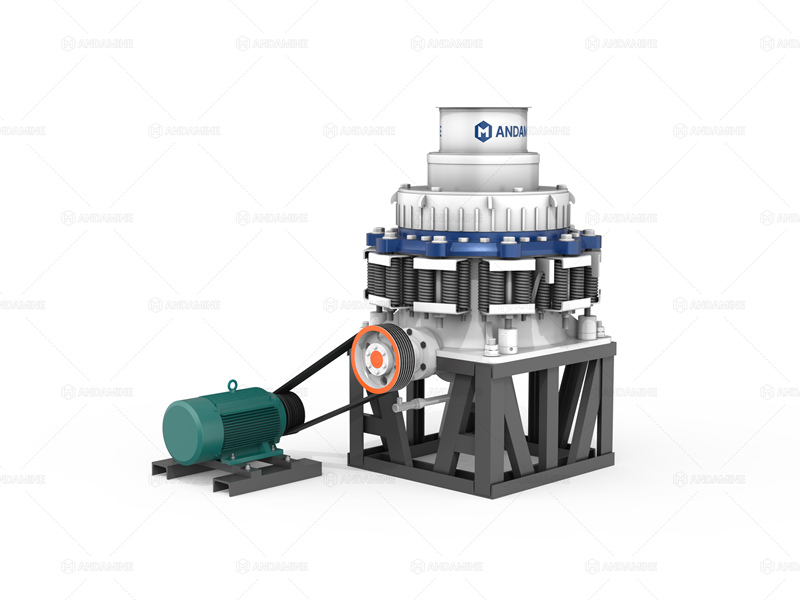
- Cone Crusher with One-Button Clearing: For final crushing stages requiring precise product shape, choose a cone crusher with a highly automated clearing function. Operators can initiate a “one-button chamber clear” program from the control panel without entering the crusher. The hydraulic system drives the mantle through several lift-lower cycles to efficiently resolve blockages, minimizing manual labor risk and downtime.
Scenario 3: Sticky & Wet Material Processing – Solving the “Cavity Buildup” Problem
When processing material with high clay content or moisture (e.g., sticky limestone, clayey sandstone), the main issue shifts from instantaneous impact to progressive liner buildup and cavity packing.
Core Challenge & Technical Requirement: The Intelligent Clearing System is the absolute core for this scenario. The system needs to predict or promptly detect pre-blockage signs like reduced throughput or abnormal power draw and provide the most convenient, thorough cleaning method.


Intelligent Solution & Equipment Selection:
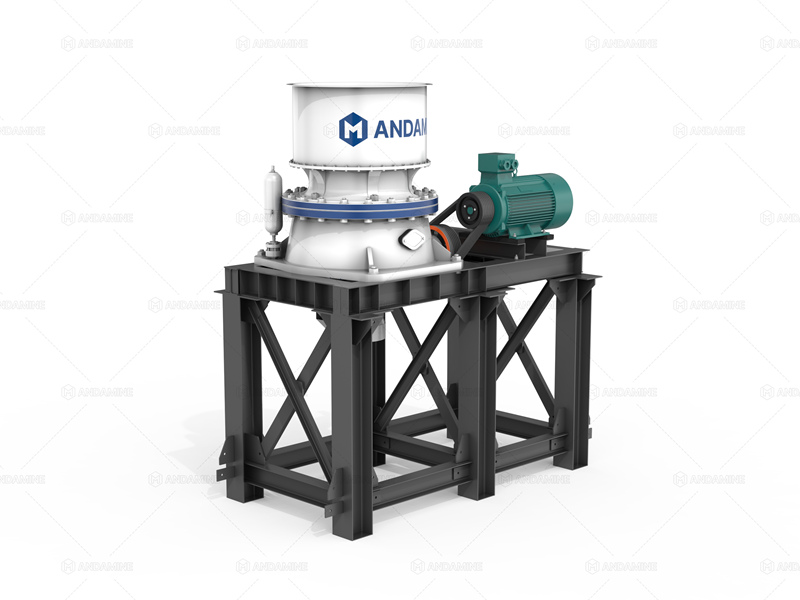
- Cone Crusher with High-Force Clearing & Ring-Bounce Detection: This is the most effective solution. First, the equipment must have a high-thrust hydraulic clearing system to ensure sufficient force to break up compacted material. Second, advanced “ring-bounce detection” algorithms can identify abnormal vibration patterns caused by excessive fines or poor lubrication, providing automatic warnings or parameter adjustments to prevent the blockage from worsening. This represents the evolution of intelligent systems from “passive response” to “active prevention.”
- Critical Selection Note: Material suitability must be acknowledged. For material with extremely high clay content, no clearing technology is a complete cure. Pre-washing or selecting a suitable crushing circuit (e.g., jaw + gyratory crusher) is more fundamental than relying on post-event clearing.
By applying this targeted analysis, you can transform intelligent protection and clearing systems from vague “highlight features” into key, quantifiable, and evaluable technical criteria that solve your specific production pains, leading to the most valuable investment decision. Next, we will quantify the comprehensive benefits these decisions deliver.
The Tangible Returns and Future Horizons of Smart Crusher Technology
Having explored the technical workings and practical applications of intelligent overload protection and clearing systems, the crucial question remains: what is the actual return on your investment, and where is this technology headed? The answer lies not just in immediate cost savings, but in a fundamental transformation of your operation’s safety, predictability, and strategic potential.
Quantifying the Value: A Multidimensional Return on Investment
Investing in a crusher with an advanced smart protection system is a strategic financial decision. Its benefits can be categorized into direct economic gains, enhanced safety and operational stability, and long-term asset value preservation.

Direct Economic Gains: Boosting Your Bottom Line
This is the most immediate and measurable impact. By virtually eliminating unplanned stops due to tramp metal and drastically reducing clearing time, these systems directly convert saved time into increased production volume. As industry reports note, equipment with advanced automation and protection features significantly improves overall operational availability.
- Reduced Maintenance Costs: Preventing catastrophic overloads means protecting your most expensive components—the main shaft, bearings, and crusher frame—from damage. This leads to dramatic savings on spare parts and major repairs. Some manufacturers report that their smart systems contribute to extending the service life of wear parts by up to 50% or more.
- Lower Labor Costs & Risks: The one-button clearing function eliminates hours of hazardous, manual labor inside or around the crusher. This not only reduces direct labor costs but also mitigates the risk of costly accidents and associated downtime. Projects aiming for “unmanned operation” explicitly target reducing personnel in dangerous environments and lowering overall labor costs.
Operational & Safety Transformation: Building a Resilient, Modern Plant
Beyond cost, smart systems fundamentally upgrade how your plant runs.
- Predictable, Continuous Production: The shift from reactive breakdown management to proactive, automated incident resolution creates a stable, predictable flow of material. This reliability is invaluable for meeting tight production schedules and output targets.
- Enhanced Safety as a Core Feature: Removing personnel from the dangerous task of manual clearing is a paramount achievement. It aligns with the industry’s “replace manpower with machinery” trend to improve safety. Modern systems often include features designed for safer maintenance procedures, further protecting your team.
- Data-Driven Decision Making: These systems generate valuable data. Knowing how many overload events occurred, their type, and the machine’s response provides insights for optimizing feed material or adjusting upstream processes, moving operations from experiential to analytical.
Long-Term Asset Value & Sustainability
A well-protected crusher endures less stress, maintains its mechanical integrity longer, and holds a higher residual value. Furthermore, the energy efficiency inherent in stable, optimally loaded crushing (often supported by integrated feed control) contributes to lower carbon emissions per ton of material processed. This aligns with global Green & Environmental trends and the principles of a circular economy, which are driving demand for smarter, more efficient equipment.
Future Outlook: The Next Frontier of Intelligent Crushing
The current generation of smart protection is just the beginning. The future points towards deeper integration, greater autonomy, and system-wide intelligence, propelled by key technological convergences.
The Rise of AI and Advanced Sensing
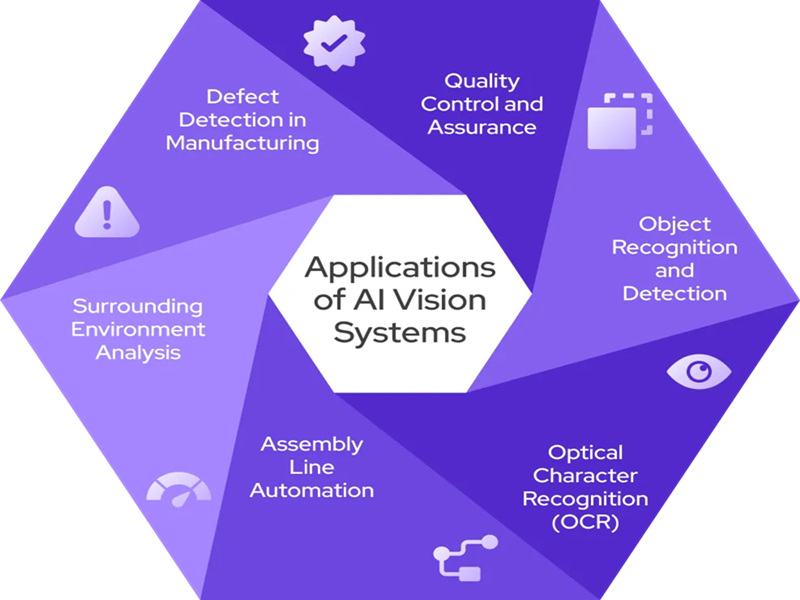
The next leap will be from automated responses to cognitive prediction and adaptation. Inspired by applications in other heavy industries, future systems may use AI visual systems and multi-sensor data fusion to not just react to, but predict blockages or abnormal wear patterns. Research into AI-assisted protection schemes in related fields has demonstrated potentials like 99.5% fault detection accuracy, a principle that will migrate to mechanical systems. Imagine a crusher that adjusts its operational parameters in real-time based on a live analysis of feed material size and hardness, or one that schedules its own maintenance windows based on actual wear data.
From Standalone Machine to Integrated System Node
Future crushers will not be isolated units but fully integrated nodes in a smart plant network. As highlighted by trends, Digital Transformation through industrial internet and big data is accelerating. Your crusher’s protection system will communicate seamlessly with advanced process control systems which optimize the entire crushing circuit for maximum yield and efficiency. This holistic optimization represents the ultimate form of “protection”—keeping the entire production line in its ideal, profitable state.
The Path Towards Complete Autonomy and Remote Operations
The clear trajectory, as seen in mining industry demands, is towards Unmanned / Autonomous Operation. Smart protection and clearing are foundational steps. Coupled with remote monitoring and control platforms, they enable true “crush-from-anywhere” capabilities. This not only solves challenges in remote or hazardous locations but also allows expert personnel to oversee multiple sites globally, maximizing expertise and standardizing best practices. The expansion of Chinese smart equipment into international markets underscores this trend.
Investing in Intelligence for a Sustainable Competitive Edge
The journey from rigid, vulnerable machines to resilient, intelligent assets is the defining evolution in modern crushing. Intelligent overload protection and automatic clearing systems are not mere optional accessories; they are the critical infrastructure for achieving uninterrupted production, safeguarding valuable human and mechanical resources, and ensuring operational predictability.
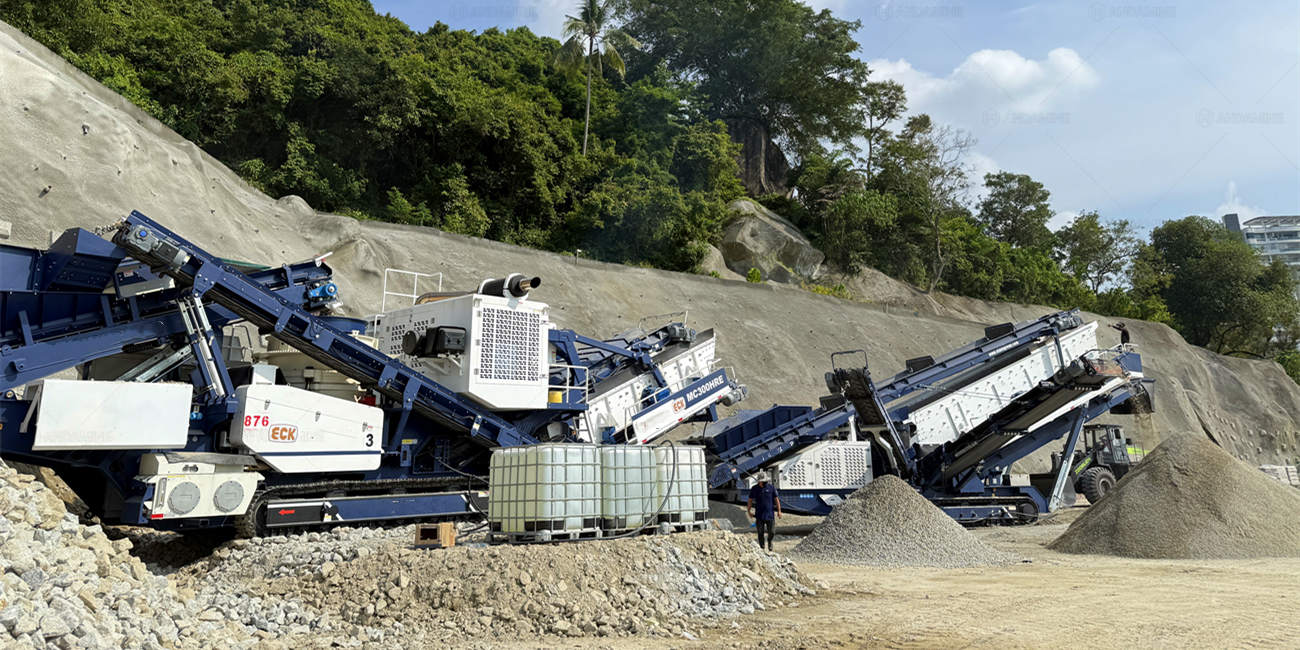
As the industry marches towards a future shaped by a hundred-billion-yuan market scale, AIoT integration, and stringent sustainability goals, the divide will widen between those who simply own crushers and those who command intelligent, connected production systems. The decision to adopt this technology today is an investment in building a safer, more profitable, and future-ready operation. It transforms the crushing process from a constant battle against the unexpected into a calculated, controlled, and continuously optimized engine of growth. By embracing this intelligence, you secure not just the protection of your equipment, but the long-term resilience and competitiveness of your entire enterprise.