

The right crusher machine is the foundation of efficient crushing operations. Whether processing hard rock, aggregates, or construction waste, selecting equipment that matches your material characteristics and production requirements helps reduce operating costs and maximize productivity. With options including jaw crushers, cone crushers, impact crushers, and mobile crushers, choosing the ideal crushing equipment starts with understanding your project needs.
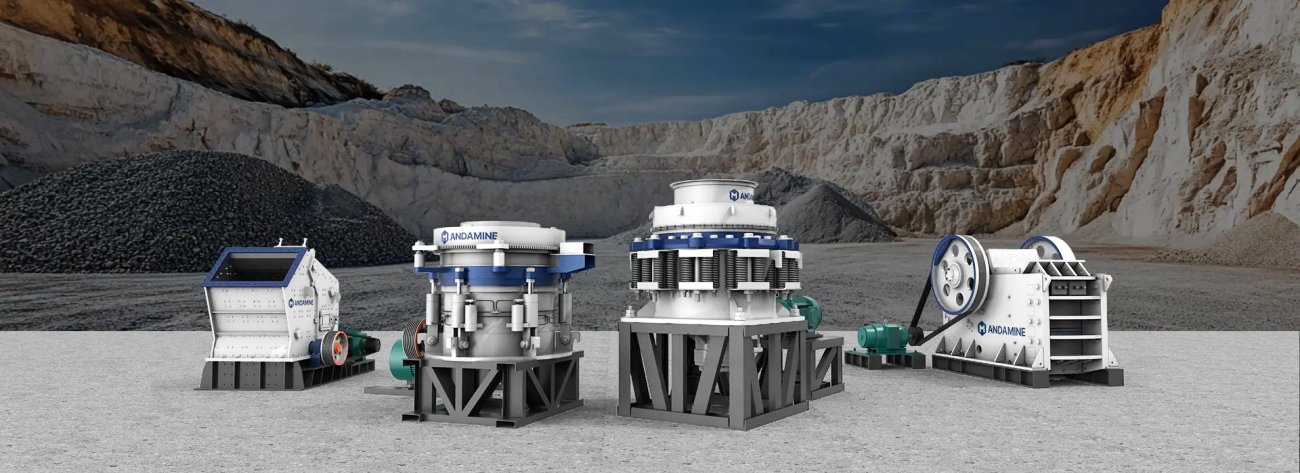
Crusher Machine Types Compared: Jaw, Cone, Impact & Mobile Crushers
Different crusher machines are designed for different crushing stages, material characteristics, and production requirements. Jaw crushers are commonly used for primary crushing of large and hard materials, while cone and impact crushers are usually selected for further size reduction and shaping. Understanding the differences between each type helps you identify the right equipment combination for efficient and cost-effective crushing operations.
Jaw Crusher Machine: Primary Crushing for Hard Materials
Jaw crusher is one of the most commonly used crushing equipment in mining and construction. It operates on a simple principle: material is fed into a fixed and a moving jaw. As the moving jaw compresses the material against the fixed jaw, it breaks into smaller pieces. The crusher offers a high crushing ratio of up to 6:1, and is ideal for primary crushing of hard materials such as granite, basalt, and quartz.
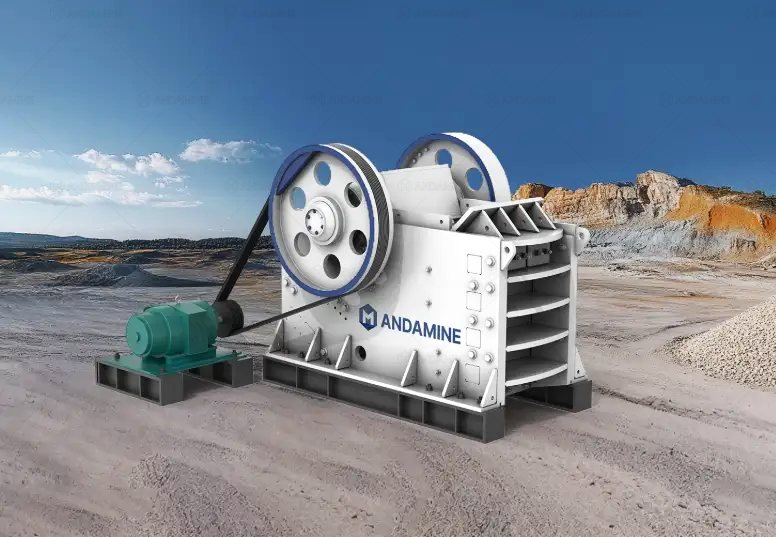
APJ-E Type Jaw Crusher
- Capacity: 20-800t/h
- Max Feeding Size: 130mm-1000mm
- Motor Power: 5.5-220 kw
- Features: This type of jaw crusher offers a large crushing ratio and strong force to handle even the hardest materials efficiently, while its simple design ensures easy operation with minimal maintenance.
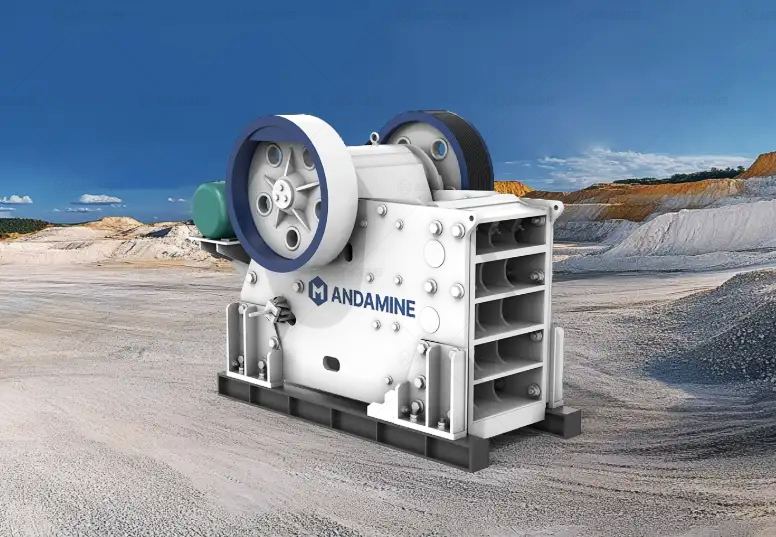
APJ-V European Type Jaw Crusher
- Capacity: 65-800t/h
- Max Feeding Size: 420mm-1000mm
- Motor Power: 75-250 kw
- Features: Featuring a V-shaped deep crushing chamber, this European-style jaw crusher improves material flow and crushing efficiency. The larger feed opening and adjustable discharge setting provide greater flexibility for different production requirements.
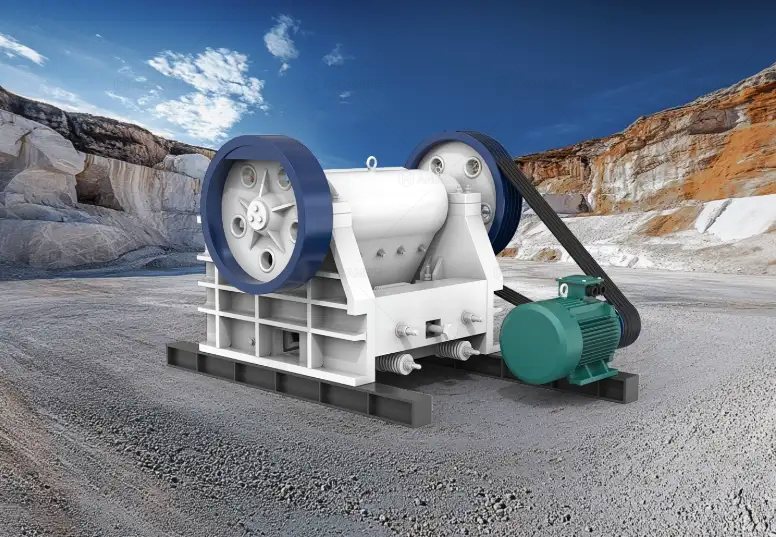
APJ-X Type Fine Jaw Crusher
- Capacity: 8-95t/h
- Max Feeding Size: 120mm-250mm
- Motor Power: 15-75 kw
- Features: The fine jaw crushing machine delivers exceptional fineness with uniform particle size, reduces energy consumption by 25% through its patented deep chamber design, and suits a wide range of applications in construction and mining.
Cone Crushing Machine: Secondary Crushing for Quality Aggregates
Cone crushing machines are mainly used for secondary and tertiary crushing after primary crushing. They reduce materials through compression between a rotating mantle and a fixed concave, producing well-shaped aggregates with consistent particle sizes. With adjustable crushing chambers for coarse, medium, and fine crushing, cone crushers provide flexibility for different output requirements.
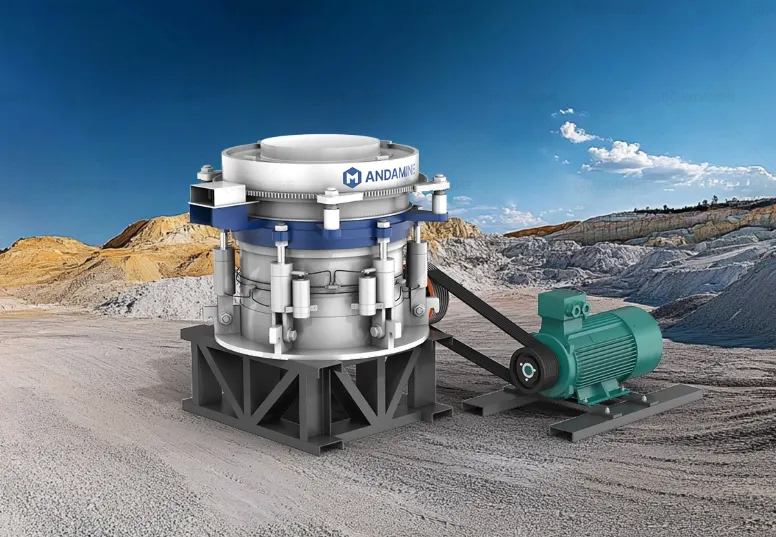
APC-M Multi-cylinder Hydraulic Type Cone Crusher
- Capacity: 90-1200t/h
- Inlet Size(mm): 20-353
- Min. Output Size(mm): 6
- Features: The crusher produces high-quality cubic finished products and is ideal for medium to hard materials like limestone, iron ore, and river pebbles. It features easy maintenance for stable performance, while the advanced hydraulic system simplifies cavity cleaning, discharge adjustment, and overload protection, reducing operation and wear costs.
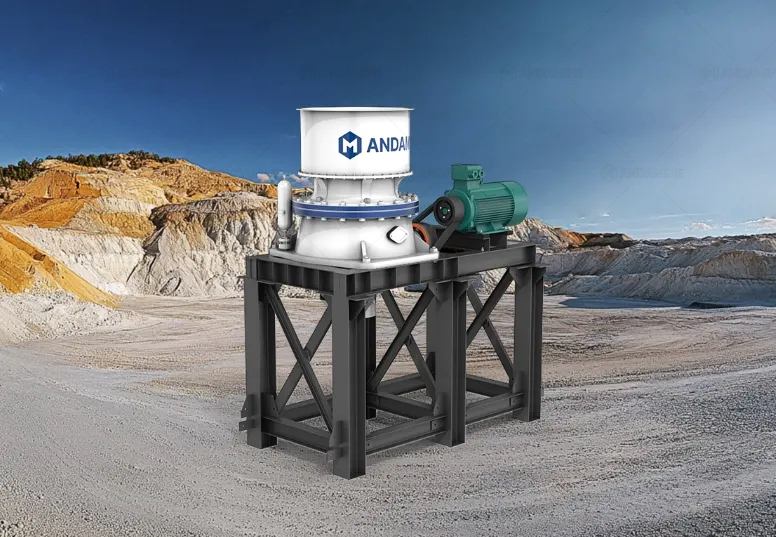
APC-D Single Cylinder Hydraulic Type Cone Crusher
- Capacity: 48-500 t/h
- Inlet Size(mm): 270
- Min. Output Size(mm): 6
- Features: This type of cone crusher machine is widely used for medium and fine crushing of hard materials such as chrome ore, basalt, and granite. It delivers uniform, cubic-shaped particles, making it ideal for high-quality construction sand production.
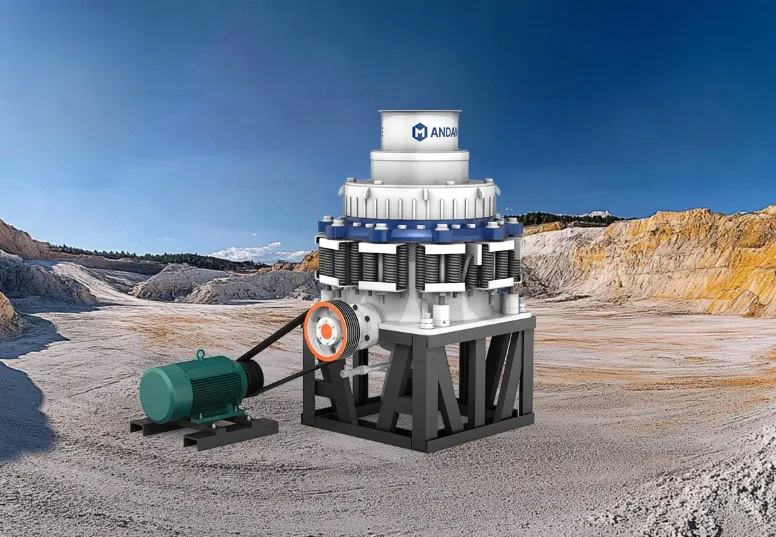
APC-C Compound Type Cone Crusher
- Capacity: 18-655 t/h
- Inlet Size(mm): 267
- Min. Output Size(mm): 6-64
- Features: Equipped with both springs and hydraulic cylinders, this compound type cone crushing machine offers excellent particle size distribution, easy maintenance, and is commonly used for medium and fine crushing applications.
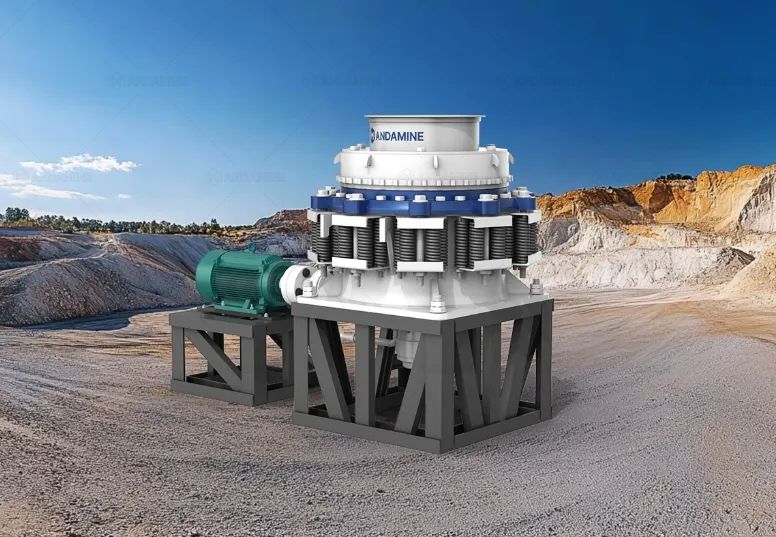
APC-Y Spring Type Cone Crusher
- Capacity: 18-650 t/h
- Inlet Size(mm): 267
- Min. Output Size(mm): 3-60
- Features: This cone crushing is available in standard and short head types for medium and fine crushing, and is widely used in metal, non-metal, and non-ferrous mining. It handles materials like granite, limestone, and river pebbles efficiently, with low production costs and wide application range.
Impact Crusher Machine: Efficient Crushing with Better Particle Shape
Impact crushers use high-speed impact force to break materials by striking them against impact plates inside the crushing chamber. Compared with compression-type crushers, they offer higher reduction ratios and better particle shape. They are commonly used when the final product requires a more cubical shape and controlled size distribution.
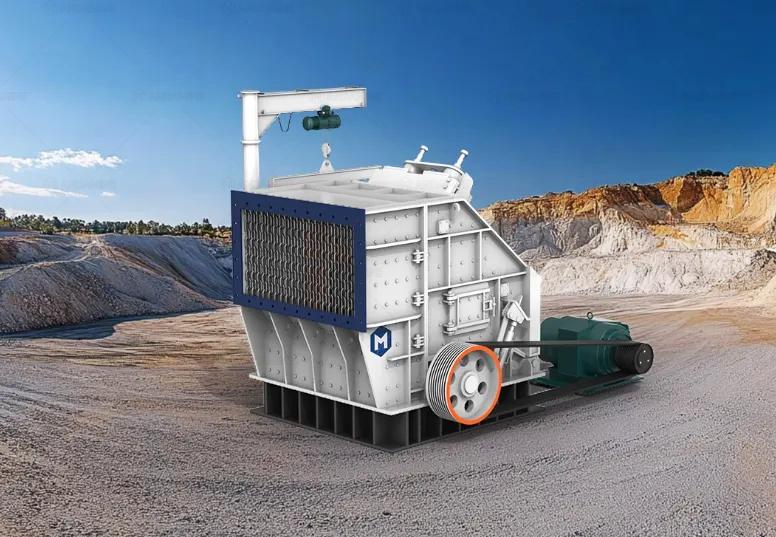
APF-H Hydraulic Type Impact Crusher
- Capacity: 100-500 t/h
- Inlet Size(mm): ≤500 mm
- Motor Power: 90-400 kw
- Features: With a large crushing ratio, this machine can replace the two-stage process of jaw and impact crushers, making it ideal for medium to low hardness materials. It is widely used for crushing artificial sand and gravel aggregates in hydropower and highway projects.
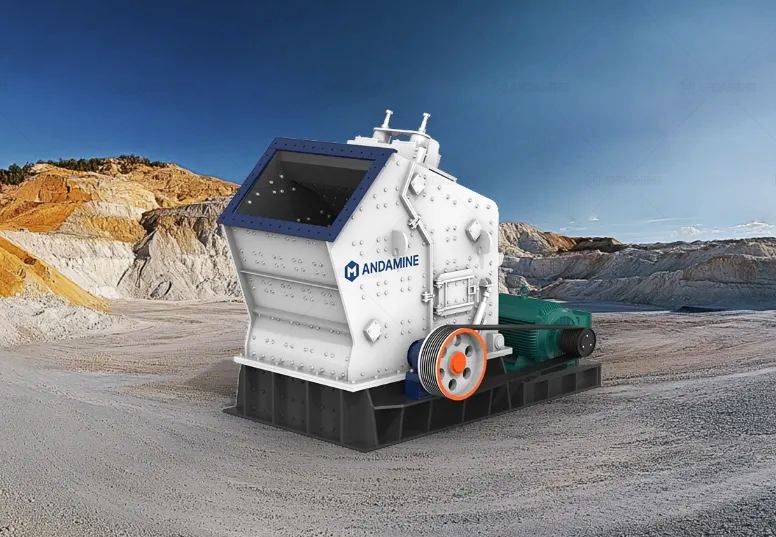
APF Impact Crusher Machine
- Capacity: 50-550 t/h
- Inlet Size(mm): ≤900 mm
- Finished Products Size: 5~200 mm
- Processed Materials: Limestone, granite, construction waste, and other medium-hard materials.
- Features: Widely used for medium-sized crushing in mining, metallurgy, construction, and related industries, this impact crusher features a modular design for easy wear part replacement and delivers well-shaped end products.
Mobile Crushers: Flexible Crushing for Various Job Sites
Mobile crushers integrate crushing and screening functions into a portable system, allowing materials to be processed directly at the job site without fixed foundations. Compared with stationary crushing equipment, mobile crusher machines provide greater flexibility for projects requiring frequent relocation, reduced transportation costs, and fast deployment in different working conditions.
Andamine mobile crushers include wheeled and tracked types, with different configurations available based on production capacity and crushing requirements.
APY4-S 4 In 1 Mobile Crusher Machine Plant
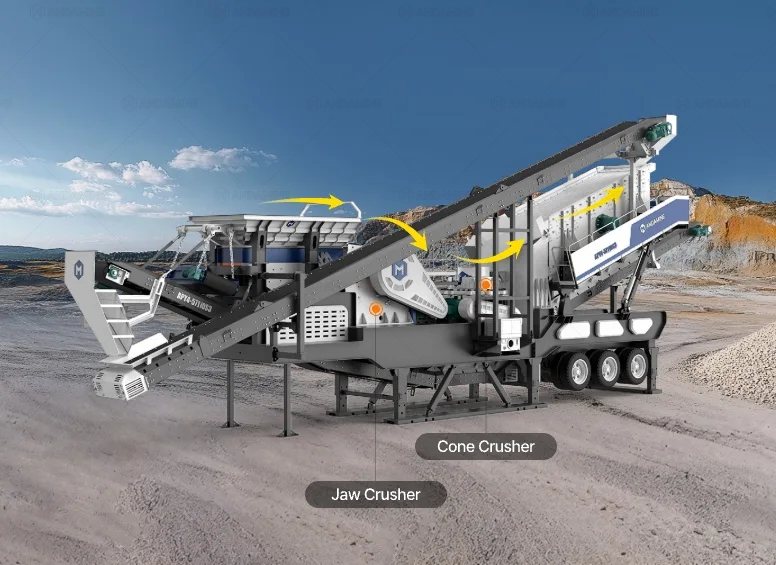
- Configuration: Vibrating feeder + Primary jaw crusher + Secondary Crusher(cone/impact crusher/fine jaw crusher) + Vibrating screening
- Capacity: 50-120tph
- Feeder Size(mm): <625
- Output Size(mm): 0-5, 5-10, 10-20, 20-40
Features:
- Integrated design combines feeding, primary crushing, secondary crushing, and screening in one mobile unit.
- Three-axle chassis enables quick movement and convenient transfer between job sites.
- Modular configuration allows flexible selection of secondary crushers for different production needs.
- Intelligent feeding and integrated control systems improve operation efficiency.
- ROSTA elastic vibration supports reduce vibration impact and extend equipment service life.
- Side-mounted vibrating motor requires minimal maintenance, serviced every 1500–2000 hours.
APY3-F 3 In 1 Mobile Impact Crusher
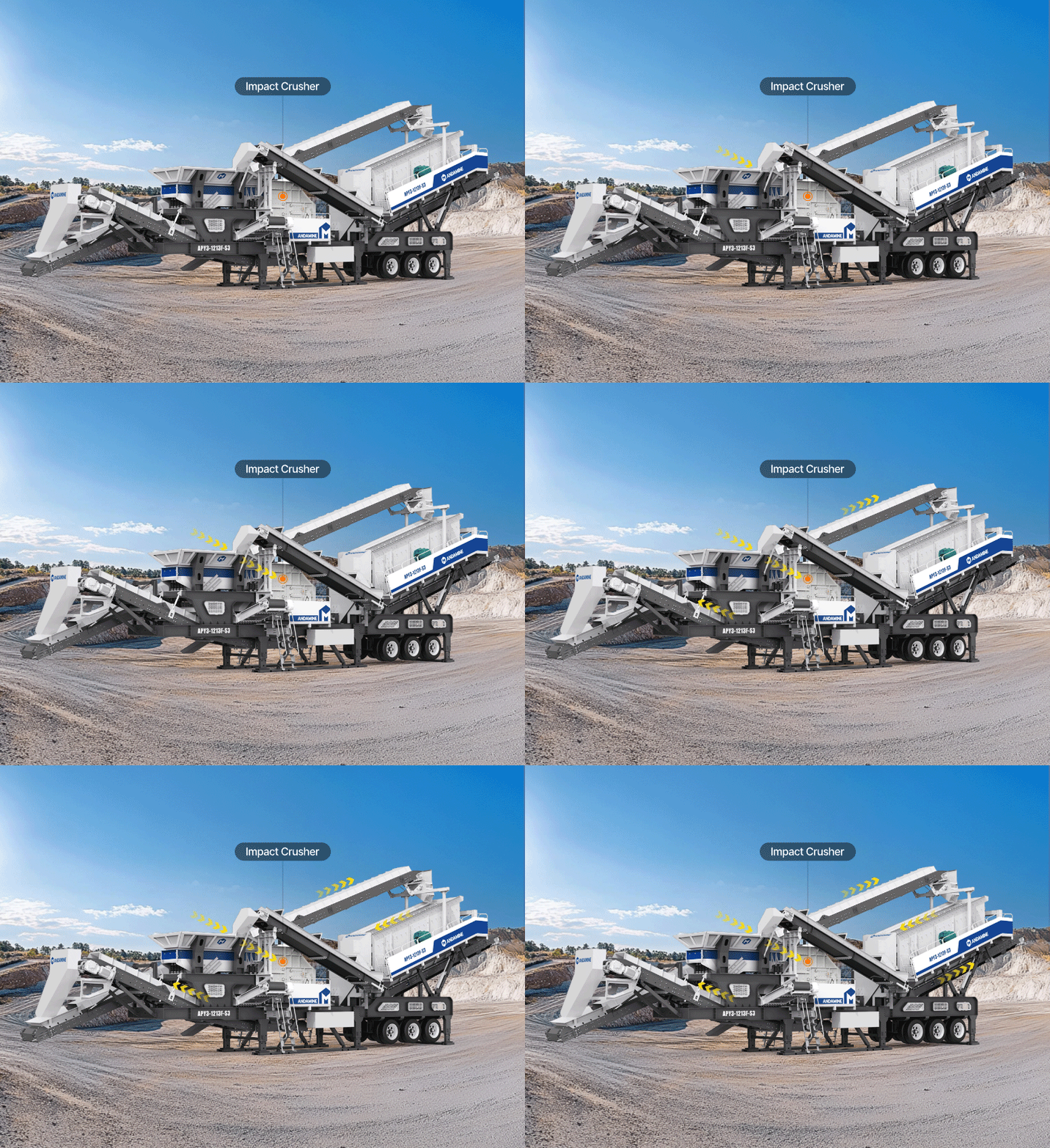
- Configuration: Vibrating feeder + Impact crusher + Vibrating screening
- Capacity: 50-350tph
- Feeder Size(mm): <700
- Output Size(mm): 5-180
- Raw Materials: Medium-hard materials: limestone, concrete, asphalt wastes, etc.
Features:
- Heavy-duty rotor provides high crushing efficiency and improved product shape.
- Integrated crushing and screening design reduces equipment coordination and operating costs.
- Energy-saving motors help reduce power consumption during operation.
- Dust control system supports cleaner and more environmentally friendly crushing operations.
- Cushioned belt design improves durability under heavy-duty working conditions.
Tracked Type Mobile Crusher Machine
Tracked mobile crushers are designed for challenging job sites where mobility and terrain adaptability are critical. Equipped with crawler tracks, they can move across rough, muddy, or uneven surfaces without additional transportation equipment, making them suitable for projects requiring frequent relocation and flexible onsite crushing.
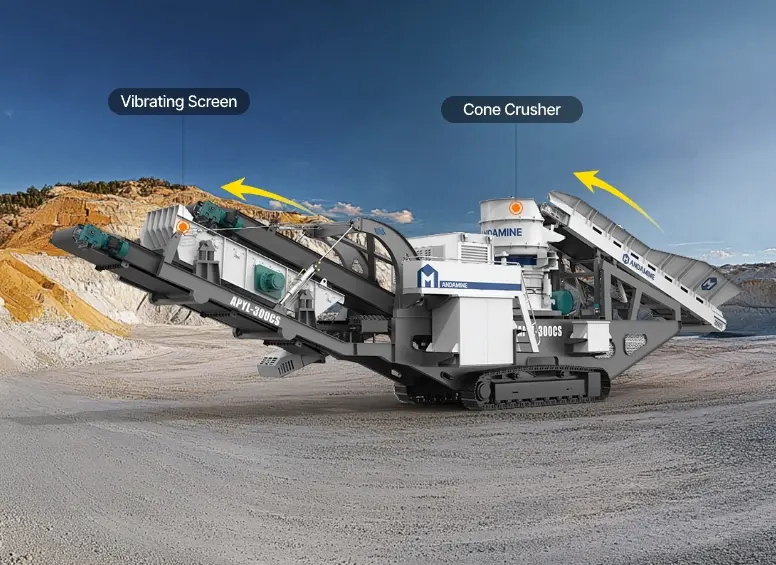
- Models: APYL2-J Tracked Jaw Crusher, APYL2-C Tracked Cone Crusher, APYL2-F Tracked Impact Crusher
- Capacity: 80-415tph
- Feeder Size(mm): <700
- Output Size(mm): 5-250
Features:
- Self-propelled crawler design allows easy movement across rough, muddy, or remote sites.
- Heavy-duty track frame provides stable operation under challenging terrain conditions.
- Reliable Cummins/Weichai engine delivers stable power with efficient fuel consumption.
- Imported hydraulic system ensures fast response and reliable operation.
- No foundation requirement reduces setup time and transportation preparation.
Compare Crusher Types at a Glance:
| Crusher Type | Main Crushing Stage | Best For | Key Advantages | Typical Capacity |
|---|---|---|---|---|
| Jaw Crusher | Primary crushing | Hard and abrasive rocks, such as granite, basalt, and large-size feed materials | Strong crushing force, large feed opening, simple structure, easy maintenance | 20–800 t/h |
| Cone Crusher | Secondary & tertiary crushing | Hard and medium-hard rocks requiring high-quality aggregates | Produces excellent particle shape, adjustable output size, stable operation for continuous production | 18–1200 t/h |
| Impact Crusher | Primary & secondary crushing | Soft to medium-hard materials, limestone, concrete waste, and applications requiring good particle shape | High reduction ratio, superior shaping performance, flexible output adjustment | 50–550 t/h |
| Mobile Crusher | Primary to final crushing (based on configuration) | Projects requiring onsite crushing, frequent relocation, or limited infrastructure | Flexible movement, quick installation, reduced transportation costs, no fixed foundation required | 50–415 t/h |
The best crusher choice depends on more than the equipment type. Factors such as material hardness, feed size, required output, capacity, and working conditions all influence crushing performance and operating costs. The following guide will help you evaluate these key factors before making a purchase decision.
Crusher Machine Selection Guide: How to Find the Best Solution for Your Project
Choosing the right crusher machine requires evaluating your material characteristics, production requirements, final product specifications, and operating conditions. A suitable crushing solution can help improve efficiency, reduce unnecessary costs, and ensure stable performance throughout your project.
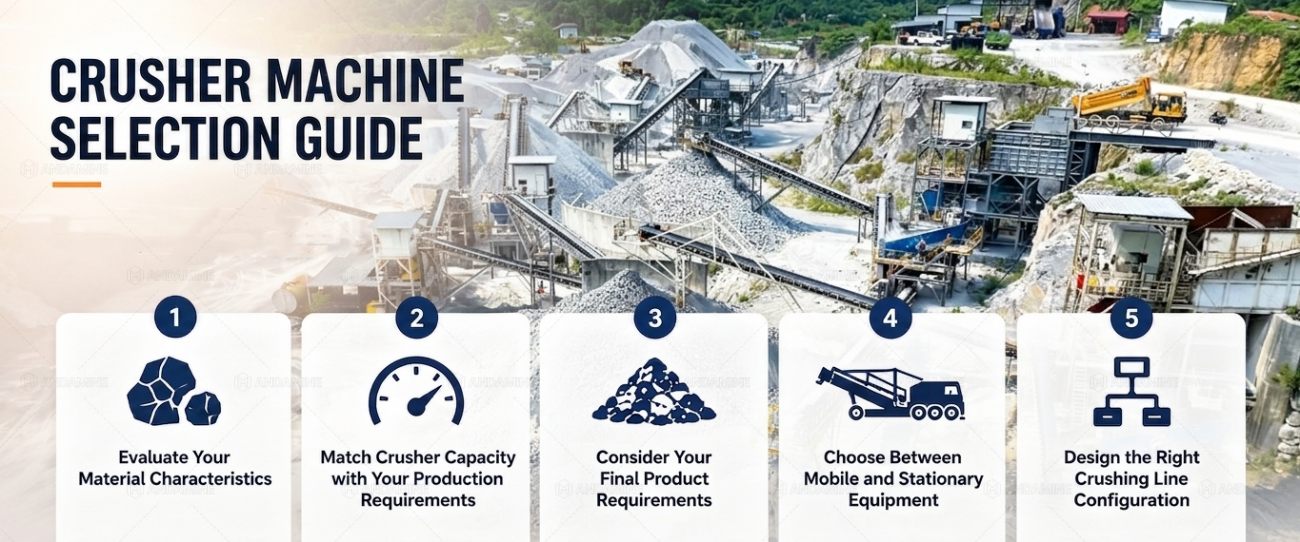
Evaluate Your Material Characteristics
The material you process is the first factor to consider when selecting a crusher. Different materials require different crushing forces, wear resistance, and equipment configurations.
- Material Hardness: Hard and abrasive rocks such as granite and basalt require crushers with strong crushing force and durable wear components. Jaw crushers are commonly used for primary crushing, while cone crushers are often selected for further size reduction. Softer materials like limestone usually provide more flexibility in crusher selection.
- Material Abrasiveness: Highly abrasive materials can accelerate wear on crusher parts such as jaw plates, liners, and blow bars. If processing materials with high abrasiveness, choosing equipment with wear-resistant components can help reduce maintenance frequency and operating costs.
- Feed Size and Moisture Content: The size and condition of raw materials also affect crusher selection. Large rocks typically require crushers with larger feed openings, while wet or sticky materials may need suitable feeding and crushing equipment to prevent blockage and maintain stable production.
Match Crusher Capacity with Your Production Requirements
Crusher capacity is usually measured in tons per hour (TPH). Selecting the right capacity ensures the equipment can meet production targets without causing bottlenecks or unnecessary investment.
Typical production requirements include:
- Small Capacity (50–150 TPH): Suitable for smaller projects and local aggregate production, with lower initial investment but limited output.
- Medium Capacity (150–500 TPH): A common choice for commercial quarries and infrastructure projects, balancing production capacity and investment cost.
- High Capacity (500+ TPH): Designed for large-scale aggregate production and mining operations where high output and continuous operation are required.
When selecting capacity, consider not only your current demand but also future expansion plans. A crusher with insufficient capacity may reduce efficiency, while an oversized machine can increase initial investment and operating costs.
Consider Your Final Product Requirements
The required final product plays an important role in determining the crushing process and equipment combination.
- Output Size: Different applications require different aggregate sizes. Road construction projects often need specific gradations, while concrete production requires controlled particle sizes to achieve better performance.
- Aggregate Shape: For applications such as concrete and asphalt production, cubical-shaped aggregates are usually preferred. Cone crushers and impact crushers are often used in secondary or tertiary crushing stages to improve particle shape and product quality.
- Sand Production: If the goal is to produce manufactured sand, a more advanced crushing process may be required. VSI crushers are commonly added after primary and secondary crushing stages to improve particle shape and produce higher-quality sand.
Choose Between Mobile and Stationary Crushing Equipment
The choice between mobile and stationary crushers depends on your project location, operation period, and whether the equipment needs to be relocated.
- Mobile crushers are ideal for contractors working on multiple sites, temporary projects, remote locations, or recycling operations. They offer flexible transportation, quick setup, and the ability to process materials directly at the job site, reducing material handling costs.
- Stationary crushers are better suited for long-term quarry operations, mining projects, and large-scale aggregate production. They provide stable operation, higher efficiency, and better integration with complete crushing and screening plants.
In general, choose a mobile crushing machine when flexibility and relocation are priorities. Choose a stationary crushing plant when continuous production and long-term operation are the main goals.
Design the Right Crushing Line Configuration
A crusher machine usually works as part of a complete crushing system, including feeders, crushers, and vibrating screens. The right equipment combination helps achieve the required output size, production capacity, and product quality.
Common crushing configurations include:
Hard Rock Crushing: Jaw Crusher → Cone Crusher → Vibrating Screen
Suitable for hard and abrasive materials such as granite and basalt, where multiple crushing stages are needed to produce high-quality aggregates.
Limestone Processing: Jaw Crusher → Impact Crusher → Vibrating Screen
Suitable for medium-hard materials where good particle shape and controlled output size are required.
Manufactured Sand Production: Jaw Crusher → Cone Crusher → VSI Crusher → Vibrating Screen
Suitable for projects requiring high-quality artificial sand with improved particle size distribution and shape.
Global Crusher Machine Projects with Proven Performance
Real-world projects show how different crusher configurations are selected to meet specific material, capacity, and site requirements. The following cases demonstrate Andamine’s experience in providing reliable crushing solutions for mining, aggregate production, and recycling applications.
600 TPH Crushing Plant for Limestone Aggregate Production in Malaysia
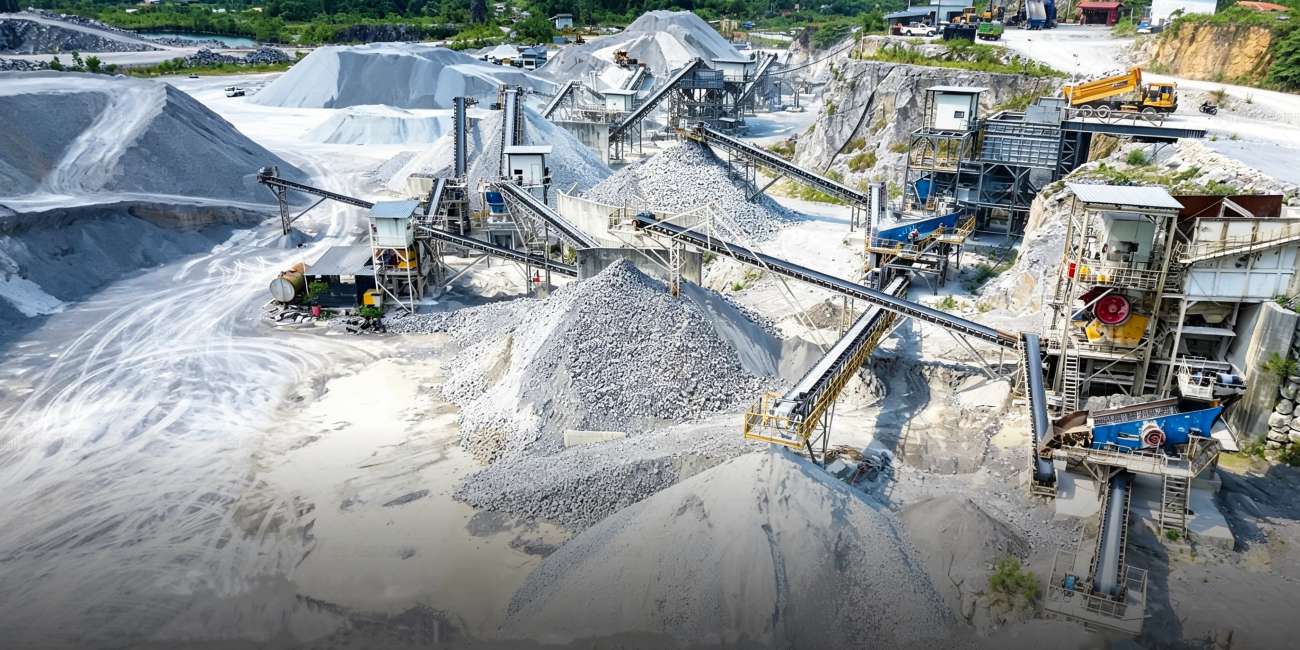
- Location: Kuching, Malaysia
- Application: Limestone Processing for Road Construction Aggregates
- Equipment: 600 TPH Stationary Crushing Plant
Project Challenge
The customer required a high-capacity crushing solution for long-term limestone processing, with stable production performance and consistent aggregate quality for road construction projects. Reliable operation and timely technical support were also important factors for continuous production.
Crushing Solution
Andamine provided a complete stationary crushing plant including equipment configuration, installation support, and technical service. The production line was designed with a multi-stage crushing process:
Jaw Crusher → Cone Crusher → Vibrating Screen → Transfer Silo → Centralized Control System
The combination of primary and secondary crushing ensured efficient limestone processing and stable final aggregate quality. Local support from the Malaysia branch helped improve installation efficiency and after-sales response.
Project Results
- Achieved stable production capacity of 600 TPH
- Delivered consistent aggregate quality for road construction applications
- Reduced downtime through reliable equipment performance and technical support
150 TPH Mobile Impact Crusher for Bogotá Metro Construction Project
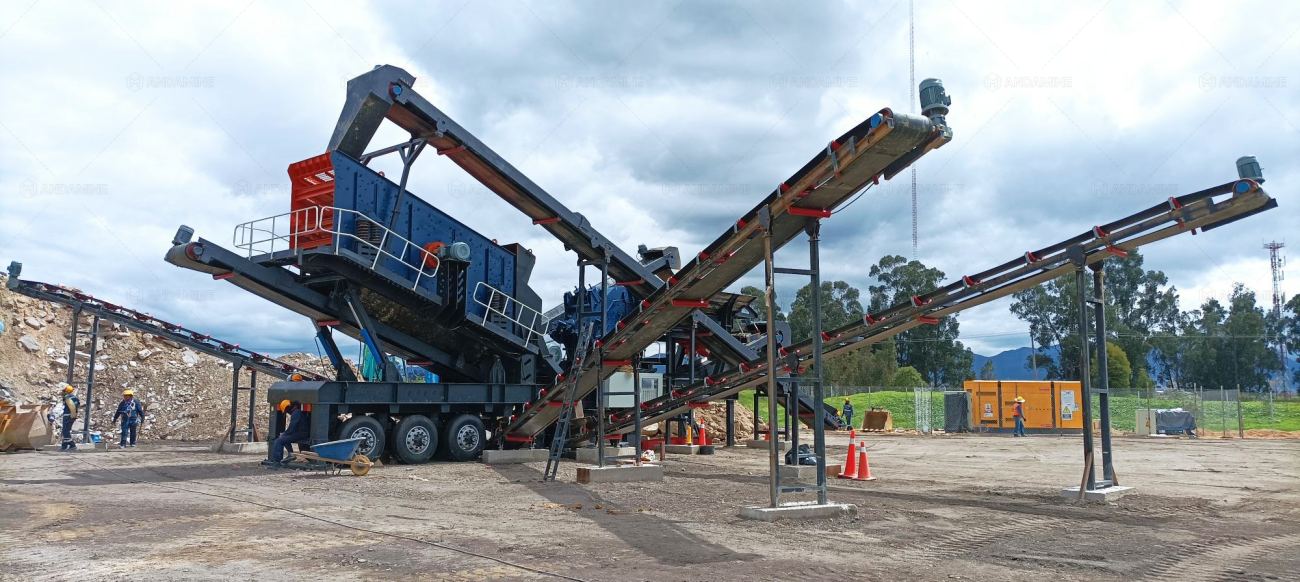
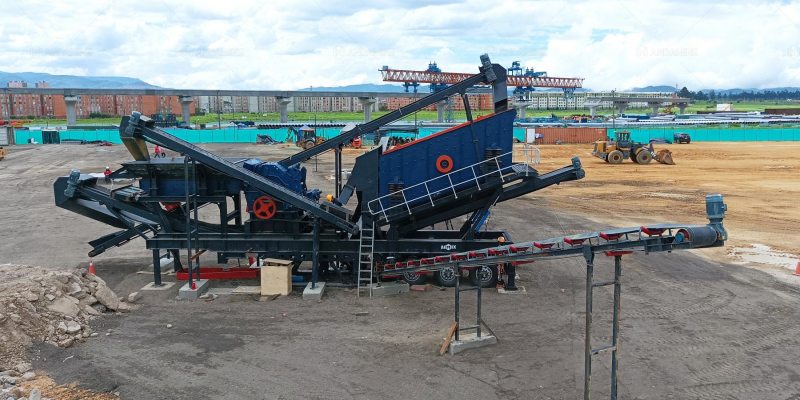
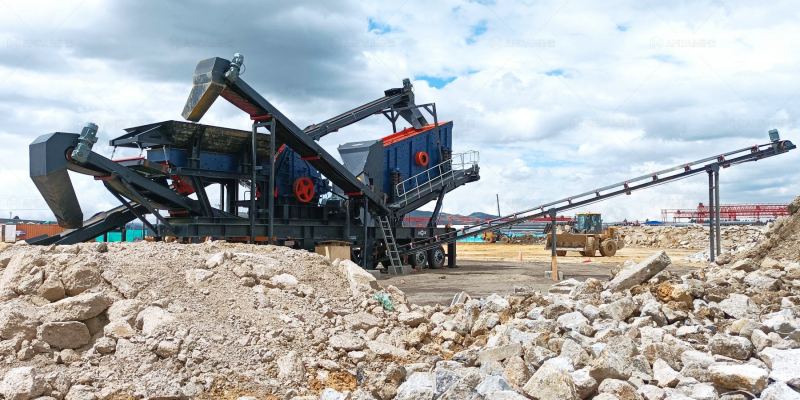
- Location: Bogotá, Colombia
- Application: Demolition Waste Recycling for Metro Sub-base
- Equipment: 150 TPH 3-in-1 Mobile Impact Crusher Plant
Project Challenge
The project required an efficient way to recycle demolition waste into qualified sub-base material for metro construction. Limited urban space and strict aggregate quality requirements made a flexible and reliable crushing solution essential.
Solution
We supplied a 3-in-1 mobile impact crusher plant integrating feeding, crushing, and screening functions. The compact design enabled quick setup, easy relocation, and efficient onsite recycling throughout different construction stages.
Results
- Stable production of 120–150 TPH
- Consistent aggregate quality for infrastructure applications
- Reduced transportation costs through onsite material recycling
60 TPH 4-in-1 Mobile Crusher Plant for Granite Aggregates Production in Tanzania
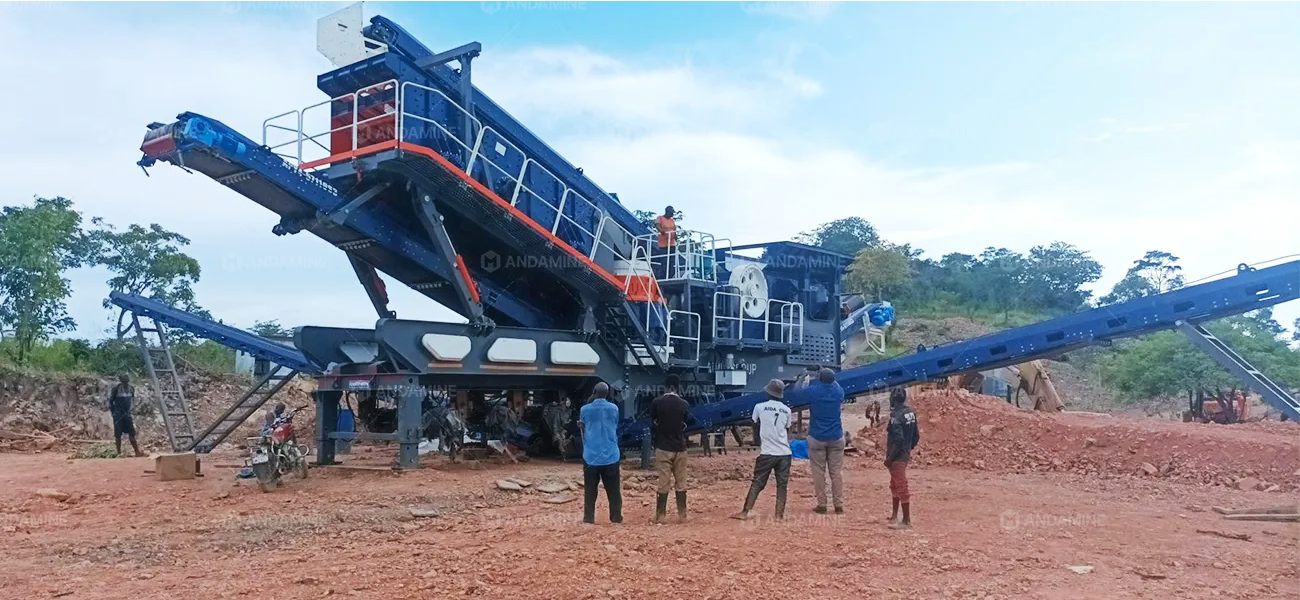
- Location: Tanzania
- Application: Producing aggregates for a 35 m³/h concrete batching plant
- Equipment: 60 TPH 4-in-1 Mobile Crusher Plant
Project Requirements
The client needed a flexible crushing solution to process hard granite into qualified aggregates for concrete production. The main requirements were stable output, suitable aggregate size, and easy relocation to adapt to changing project needs.
Our Solution
A 4-in-1 mobile crushing plant was supplied, integrating feeding, primary crushing, secondary crushing, and screening in one compact unit. The complete configuration includes:
Vibrating Feeder → Jaw Crusher → Cone Crusher → Vibrating Screen
This integrated design simplifies transportation and operation while providing a continuous supply of 5–20 mm aggregates for the client’s concrete batching plant.
Project Results
- Stable production of 60 TPH granite aggregates
- Consistent 5–20 mm final product size for concrete production
- Reduced material transportation and equipment coordination costs
- Flexible mobile design for convenient site transfer
Crusher Machine Price: What Determines Your Investment Cost
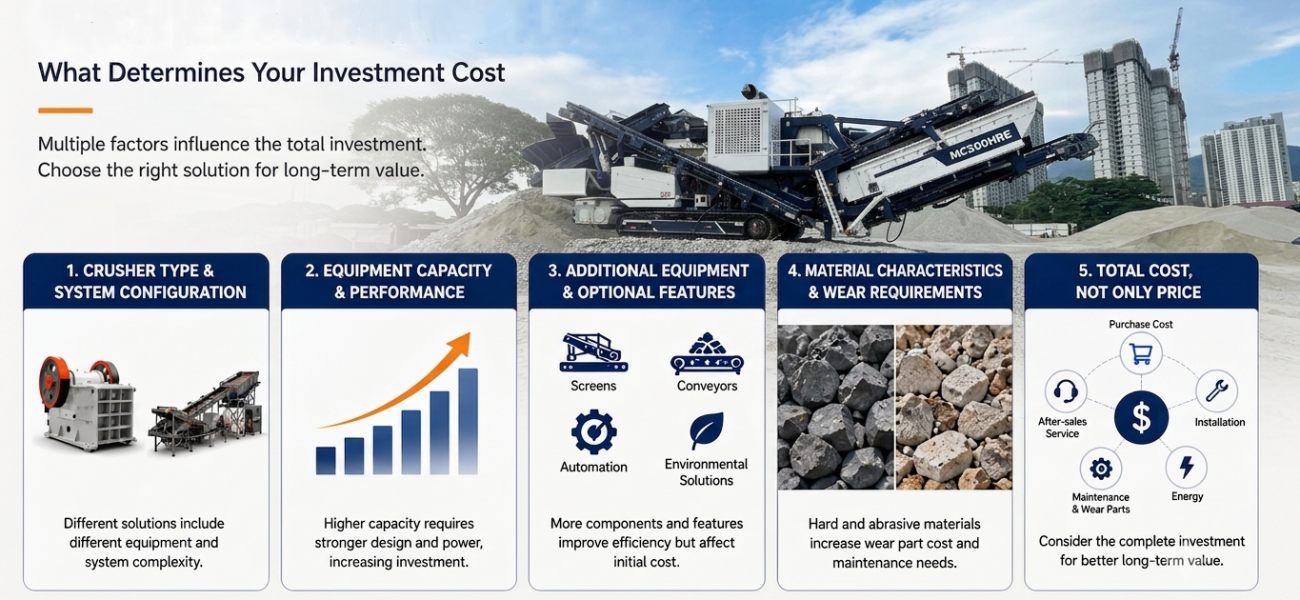
The price of a crusher machine is not determined by the equipment model alone. A complete investment depends on the crushing system configuration, production requirements, material conditions, and long-term operating costs. Understanding these factors helps you compare quotations more effectively and avoid choosing equipment based only on the lowest initial price.
Crusher Type and Overall System Configuration
Different crusher solutions have different investment levels because of their structure and included equipment. A single jaw crusher is usually a more straightforward investment, while a complete mobile crushing plant or multi-stage crushing line requires additional systems such as feeders, screens, conveyors, and control units.
For example:
- Single crusher: Suitable for projects that already have supporting equipment or only need one crushing stage.
- Complete crushing plant: Higher initial investment but provides a complete production process with better efficiency and easier operation.
- Mobile crusher: Usually costs more than standalone equipment because it integrates mobility systems, chassis, and onboard components, but it can reduce relocation and installation costs.
Equipment Capacity and Performance Requirements
Crusher capacity directly affects equipment size, power requirements, and manufacturing costs. Higher-capacity machines usually require stronger frames, larger motors, and more durable components.
However, the most expensive equipment is not always the best choice. The ideal crusher should match your actual production demand. Selecting equipment with insufficient capacity may create production bottlenecks, while excessive capacity can increase unnecessary investment and operating costs.
Additional Equipment and Optional Features
The configuration of the crushing system has a major impact on the final price. Additional components can improve production efficiency and product quality but also increase the initial investment.
Common factors include:
- Feeders and screens: Required for continuous feeding and accurate product size control.
- Conveyors: Reduce manual handling and improve material transportation efficiency.
- Automation systems: Help monitor equipment operation, reduce downtime, and improve production stability.
- Environmental solutions: Dust suppression and noise reduction systems may be needed to meet local regulations.
Material Characteristics and Wear Requirements
The material being processed influences both equipment selection and long-term costs.
- Hard and abrasive materials such as granite, basalt, and quartz usually require stronger wear-resistant components, which may increase the cost of spare parts and maintenance.
- For projects processing softer materials or recycling waste concrete, the required equipment configuration may be different, helping reduce wear and operating expenses.
Consider Total Cost, Not Only Purchase Price
When evaluating crusher machine prices, the companies and investors should consider the complete investment, including: Equipment purchase cost, Transportation and installation expenses, Energy consumption, Wear parts replacement, Maintenance requirements and Technical support and after-sales service.
A crusher with a slightly higher initial price may provide better long-term value if it offers higher reliability, lower downtime, and longer service life.
Why Invest in Modern Crushing Machines? Key Benefits for Your Operation
Modern crushing machines are designed to deliver more than basic crushing performance. With optimized designs, intelligent control systems, and energy-efficient components, they help operators improve productivity, reduce operating costs, and maintain stable production in mining, quarrying, and construction projects.
Higher Efficiency and Productivity
Advanced crushing chambers and improved hydraulic systems optimize material processing and increase crushing efficiency. Features such as automatic adjustment help maintain stable output and reduce downtime caused by manual adjustments or changing material conditions.
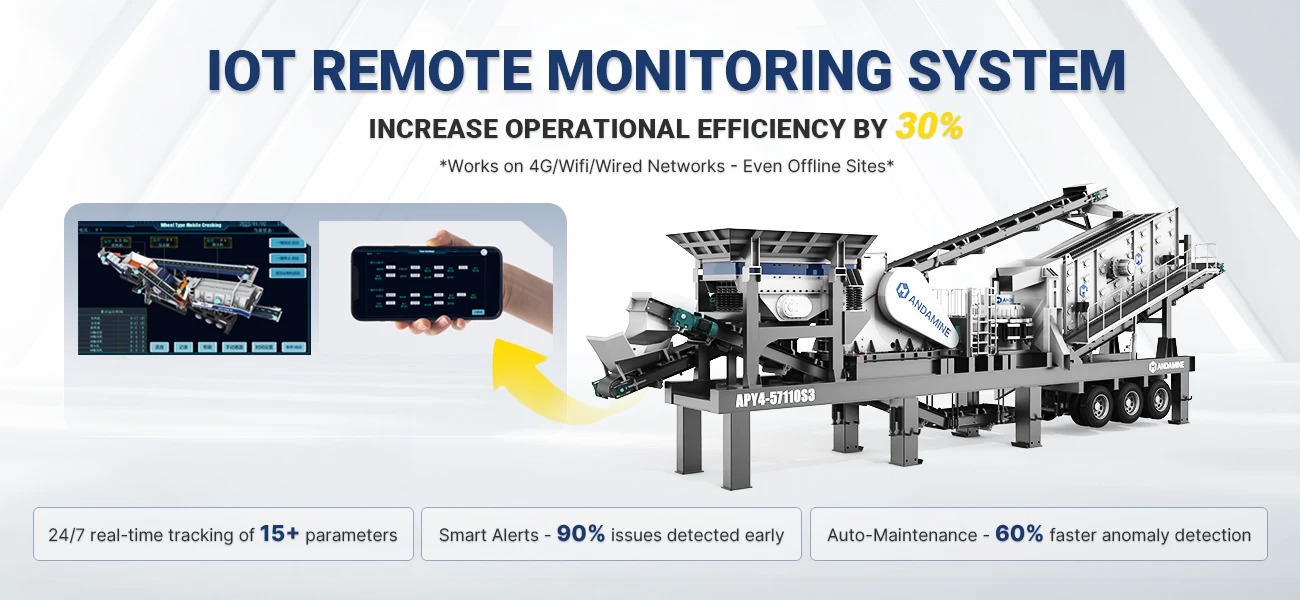
Some modern crushing systems can improve production efficiency by 10–30% compared with older equipment.
Lower Energy and Operating Costs
Energy consumption has a direct impact on crushing costs. Modern crushers use efficient motors, improved transmission systems, and fuel-saving technologies to reduce power and fuel usage.
Compared with traditional equipment, advanced crushing systems can reduce energy consumption by 10–30%, helping lower long-term operating expenses.
Better Product Quality and Flexibility
Adjustable settings and different crushing configurations allow equipment to adapt to various materials and production requirements.
Easier Maintenance and Safer Operation
Modern crushers are designed for easier maintenance and higher reliability. Hydraulic adjustment systems, improved wear-part replacement designs, and condition monitoring features help reduce maintenance time and unexpected downtime.
Remote monitoring and automation systems also allow operators to check equipment status and receive alerts, improving safety and operational control.
Why Choose Andamine as Your Crusher Machine Manufacturer
Choosing the right crusher equipment manufacturer means more than selecting equipment. Reliable engineering, proven project experience, and continuous support are essential for long-term crushing performance.
Engineering Expertise & Customized Solutions
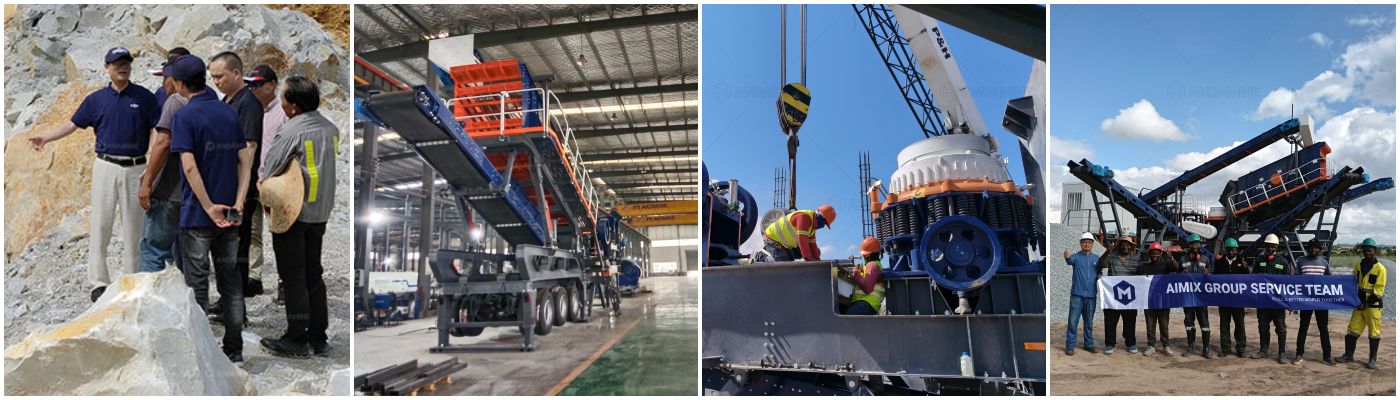
- Professional crushing design: Andamine provides complete crushing solutions for mining, quarrying, aggregate production, and recycling projects.
- Project-based recommendations: Our engineers analyze material properties, required output, and site conditions to recommend suitable crusher configurations.
- Flexible solutions: From single crusher machines to complete crushing plants, we help customers achieve efficient production with optimized equipment selection.
Reliable Equipment Quality & Stable Performance
- Durable components: Our crushers use robust structures and wear-resistant parts to handle demanding working conditions.
- Stable operation: Advanced designs improve crushing efficiency, reduce unexpected downtime, and support continuous production.
- Wide product range: Our jaw crushers, cone crushers, impact crushers, and mobile crushers meet different material and capacity requirements.
Global Experience & Trusted Cooperation
- Worldwide project experience: Our crushing equipment has been supplied to customers in many countries, including Malaysia, Indonesia, Tanzania, Colombia, Peru, Uzbekistan and other international markets.
- Experienced in diverse conditions: Our crushing solutions are adapted to different materials, climates, and project environments.
- Trusted industry partner: Andamine has worked with global customers, including cooperation with Fortune Global 500 companies, providing reliable equipment solutions for large-scale projects.
Complete After-Sales Support
- Installation guidance: Technical support helps customers complete equipment installation and commissioning smoothly.
- Spare parts supply: Reliable spare parts support helps reduce maintenance delays and keep equipment running efficiently.
- Local service capability: With overseas branches, offices, and service networks in multiple regions, we provide responsive support throughout the equipment lifecycle.
Frequently Asked Questions About Crusher Machines
What Is a Crusher Machine Used For?
Should I Choose a Mobile Crusher or a Stationary Crusher?
How Much Does a Crusher Machine Cost?
What Information Do I Need Before Buying a Crushing Machine?
Can One Crusher Machine Process Different Types of Materials?
Can a Crusher Machine Be Customized for My Project?
How Long Does It Take to Install a Crusher Machine?
Whether you are starting a new crushing project or upgrading your existing operation, Andamine provides reliable crusher machines, customized solutions, and professional support to help you achieve higher efficiency and long-term success. Contact us today to discuss your project needs and let our experts provide the right crushing solution to support your business growth.