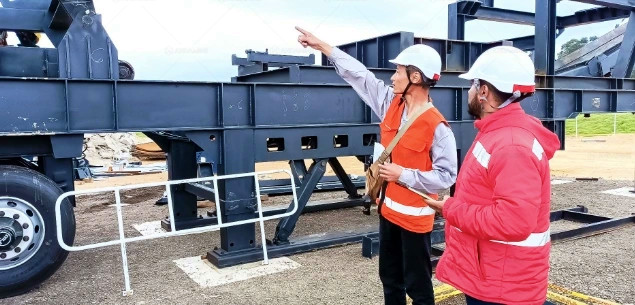
Jaw crushers play a pivotal role in modern mining and construction operations, delivering efficient primary crushing for various hard materials. As these machines become increasingly vital to production success, proper operation and maintenance practices emerge as critical factors influencing equipment longevity, operational efficiency, and overall profitability. This comprehensive guide explores essential techniques for optimizing jaw crusher performance, offering practical insights to help operators maximize output while minimizing downtime and maintenance costs across both stationary and mobile crushing applications.
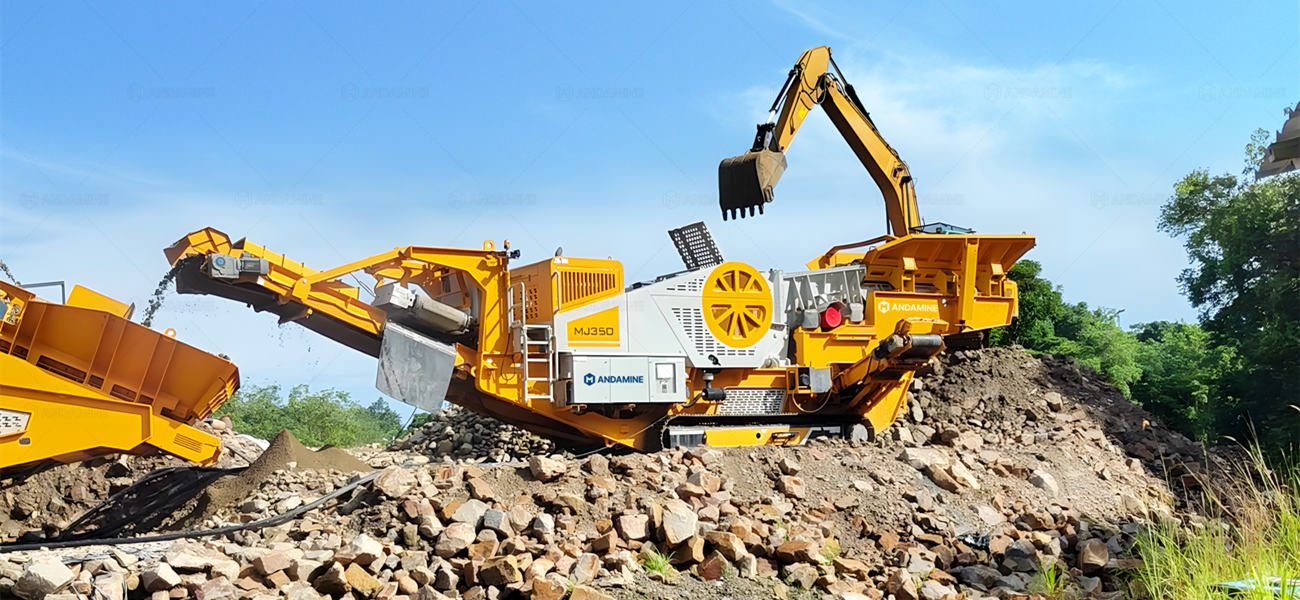
What is a Jaw Crusher Machine
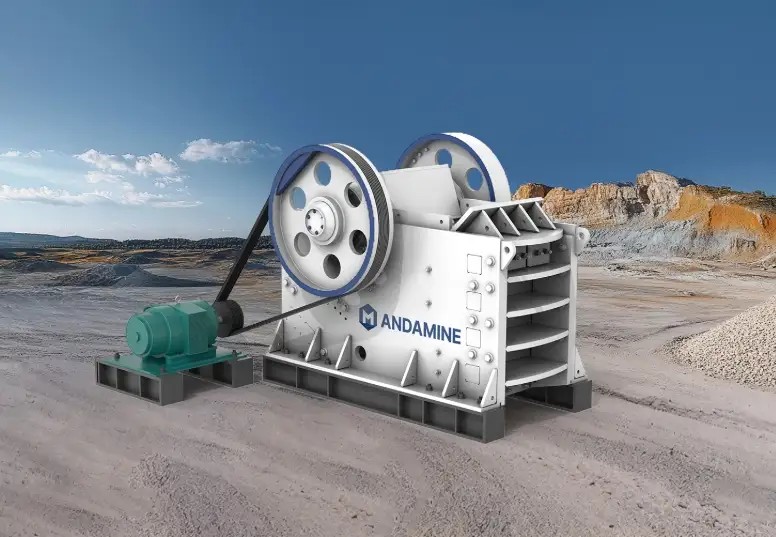
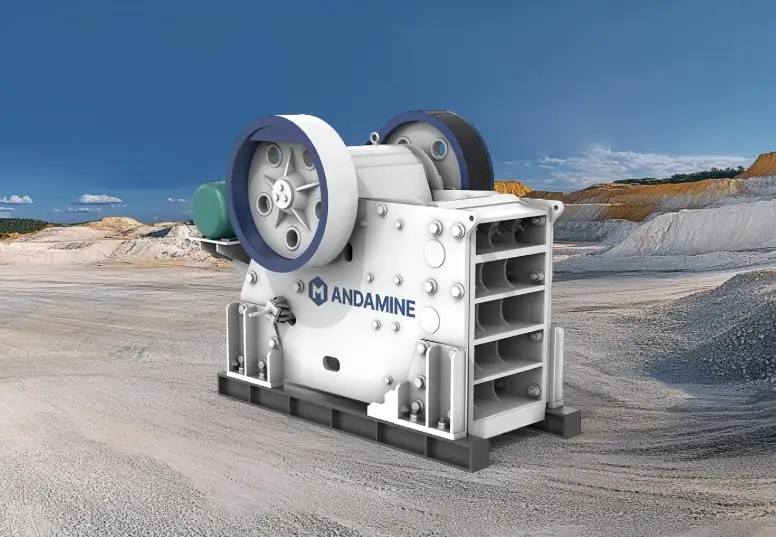
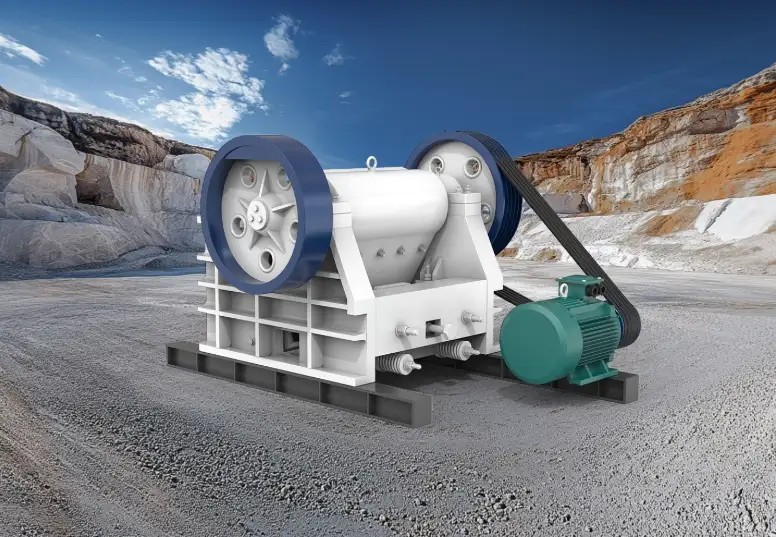
To enhance jaw crusher efficiency and decrease machine failure, we must understand what a jaw crusher machine is. A jaw crusher machine is a kind of crushing equipment that is mainly used to crush large stone materials into small particles. Its components include a jaw plate (jaw plate), eccentric shaft, connecting rod, crushing chamber, adjustment device, transmission device, and protection device. The jaw plate realizes the crushing of materials through the movement of the eccentric shaft, while other parts assist in the process. This kind of equipment is widely used in mining, construction, and other industries.
Now that you know the definition of a jaw crusher machine and other contents, let’s start with the preparation work before opening the machine, one of the correct operation steps!
The Critical Role of Proper Operation
Jaw crushers are the backbone of quarries and mines and they need for precision operation. Mishandling these machines triggers a cascade of problems: unplanned downtime, safety incidents, spiraling repair costs, and inconsistent product quality.
This guide distills essential practices for operators while revealing how operational insights inform smarter equipment investments. At its core, every jaw crusher operates on a simple principle – compressive force generated between a fixed jaw and a reciprocating moving jaw fractures rock into usable aggregate.
Pre-Operation: Your Safety Ritual
Personal Protective Equipment (PPE): The Absolute Baseline
Every interaction with a jaw crusher demands full PPE: a hard hat shields against falling debris, safety goggles prevent eye injuries from flying chips, and hearing protection combats sustained noise exceeding 85 dB. Respirators are non-negotiable in dusty environments, while reinforced gloves and steel-toe boots protect against abrasions and crushing hazards. Compromising on PPE invites preventable accidents.
Site Preparation: Engineering a Safe Zone
Conduct a thorough site walk: ensure clear access paths, verify adequate lighting (especially in feed/discharge areas), and confirm all safety guards are securely fastened. Critically, enforce exclusion zones around the crusher during operation – unauthorized personnel near moving parts or material ejection paths face severe risks. A well-organized site prevents trips, falls, and entanglement hazards.
Machine Inspection: The Pre-Start Checklist
Methodically verify lubrication levels in bearings and toggle systems; oil starvation causes 40% of premature bearing failures. Inspect jaw dies for cracks or uneven wear – excessive wear accelerates damage to the crusher frame itself. Check critical fasteners (jaw plates, cheek plates, toggle seats) for proper torque; vibration-induced loosening is common. Finally, scrutinize feed material: oversized rocks or tramp metal like drill bits cause catastrophic overloads. Modern crushers simplify these checks with centralized lube points and visible wear indicators.
Operational Procedures: Precision in Motion
Starting Sequence: Never Rush the Process
Always initiate operation with an empty crushing chamber – attempting to start under load strains motors and drives. Activate the lubrication system first, allowing oil circulation before applying mechanical stress. Sound an audible warning, then engage the crusher motor. During the brief no-load run (2–3 minutes), listen for abnormal grinding or knocking sounds while monitoring oil pressure and amperage gauges for stability.
Feeding Best Practices: Consistency is King
Employ a vibratory feeder for controlled material flow; manual dumping creates uneven chamber loading that stresses components and degrades product sizing. Maintain consistent feed layer depth – too little material causes liner wear from metal-on-metal contact, while overfilling strains the drive system and reduces throughput. Rigorously enforce maximum feed size limits; a single oversized boulder can shear toggle plates or bend shafts. Implement magnetic separators and metal detectors to intercept tramp iron before it enters the chamber.
Real-Time Monitoring: The Operator’s Senses
Develop an ear for your crusher’s normal operating rhythm – metallic screeching often indicates loose liners, while heavy pounding suggests uncrushable material. Monitor motor amperage continuously; sustained overcurrent signals an impending overload. Regularly check bearing temperatures with an infrared gun; rises above 70°C (158°F) indicate lubrication failure or misalignment. Visually inspect discharged aggregate – sudden size variations or metal fragments demand immediate investigation.
Closed-Side Setting (CSS) Adjustment: Safety First
Adjusting the gap between jaw dies controls product sizing but requires strict safety protocols. Always isolate energy sources (Lockout/Tagout) before accessing adjustment mechanisms. Manual shim adjustment demands physical labor and calibration time, whereas hydraulic systems enable precise, remote CSS changes in minutes – significantly reducing exposure to pinch points. Record settings after each adjustment to track wear progression.
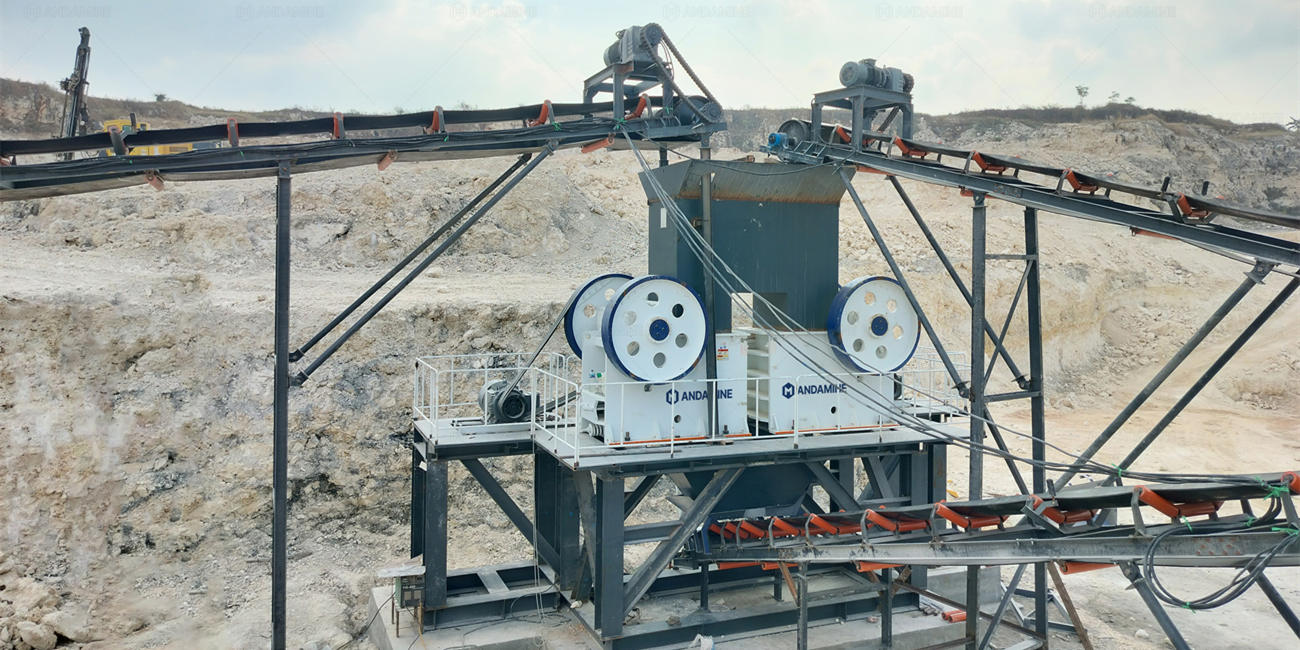
Shutdown, Maintenance & Blockage Response
Orderly Shutdown: Protecting Your Investment
Cease feeding material completely, allowing the crusher to process residual chamber contents for 1–2 minutes (critical to prevent material hardening). Deactivate the main crusher motor, then shut down auxiliary systems like lubrication pumps. Never skip the “run empty” phase – hardened material left in the chamber requires dangerous mechanical removal.
Emergency Procedures: When Seconds Count
Locate and clearly mark emergency stop buttons at operator stations and crusher access points. Immediate activation is mandatory for violent vibration, burning smells, visible smoke, or imminent mechanical failure. Post-response protocols include energy isolation, hazard assessment, and incident reporting – never restart without root cause analysis.
Clearing Blockages: High-Risk Protocol
Full Lockout/Tagout (LOTO) is non-negotiable before any clearance attempt. Use approved tools like hydraulic rock breakers or alloy pry bars – never insert hands into the chamber. Work from stable platforms with fall protection, anticipating sudden material release. Consider crushers with hydraulic tramp release systems that automatically discharge uncrushables, minimizing this hazardous task.
Proactive Maintenance: The True Cost Saver
Follow OEM lubrication schedules meticulously; contaminated grease accelerates bearing wear exponentially. Track jaw die thickness monthly using depth gauges – replace at 30% remaining thickness to protect underlying structures. Schedule bi-weekly fastener torque checks on critical assemblies. During downtime, inspect toggle seats and pitman bearings for scoring or pitting. Opt for crushers with rear-access jaw die replacement systems that eliminate dangerous frontal entry.
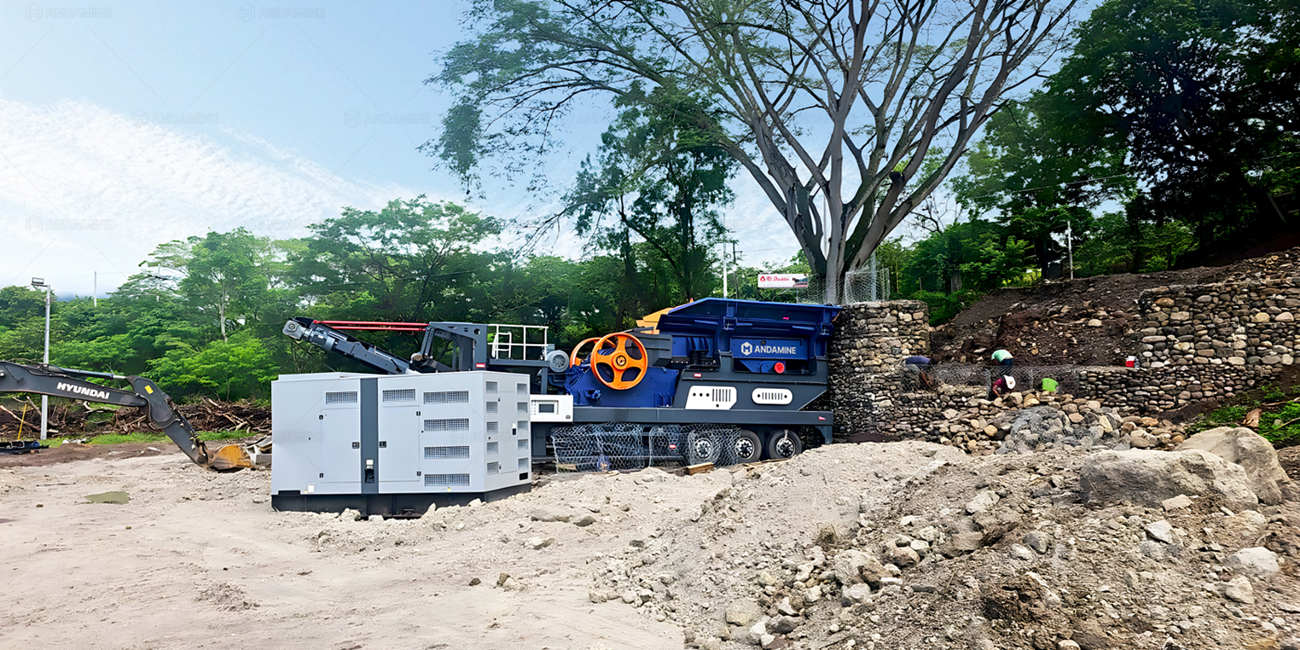
Operational Insights for Smarter Purchasing
Understanding daily operational realities reveals critical crusher selection criteria. Prioritize robust structural design – heavy-duty fabricated steel frames withstand cyclical loading better than bolted assemblies, reducing stress cracks over time. Evaluate maintenance accessibility; features like slide-out maintenance platforms, centralized greasing points, and quick-release jaw die systems slash downtime by 50% compared to traditional designs.
Hydraulic adjustment isn’t a luxury – it eliminates hours of manual shim handling while keeping personnel away from hazardous zones.
Finally, assess the manufacturer’s service ecosystem: guaranteed 48-hour parts delivery and remote troubleshooting access directly impact your operation’s profitability. The cheapest crusher often becomes the costliest through unplanned stoppages and premature wear.
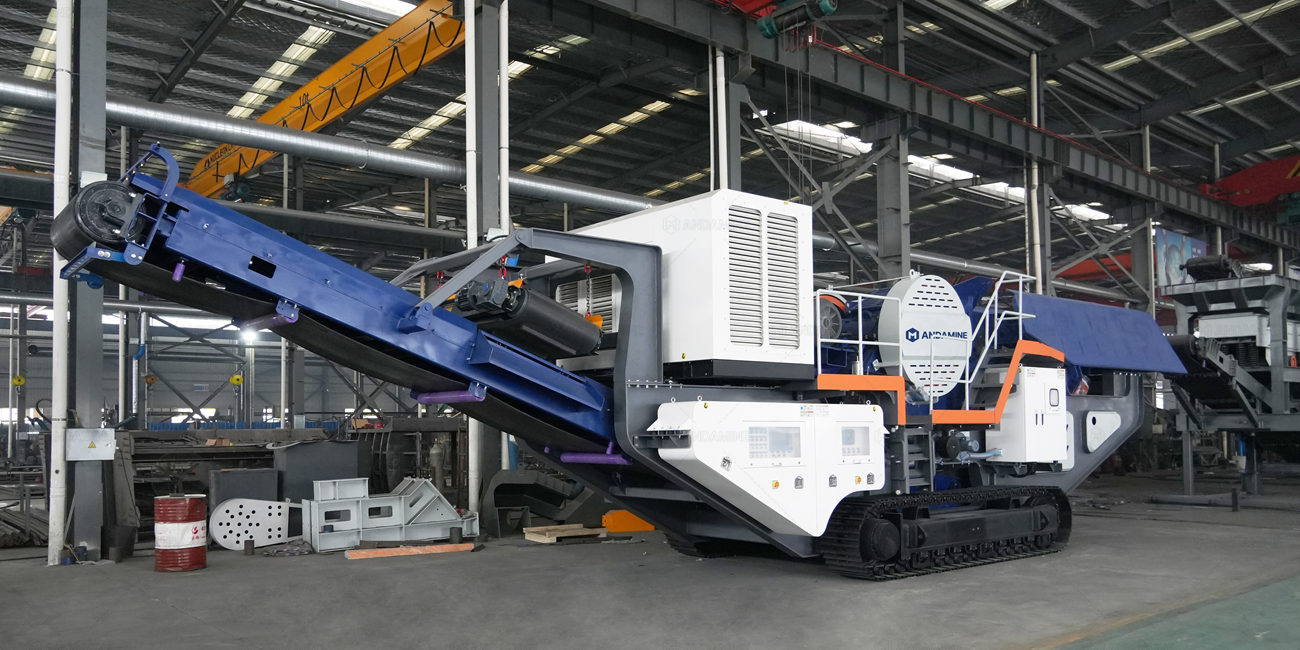
Jaw Crusher Machine Inspection and Maintenance
Regular inspection and maintenance are key to ensuring that your jaw crusher continues to operate efficiently. Monitor the bearing temperature, check whether the lubrication system is working properly, and other steps. Then we can detect potential problems in advance and prevent them before they occur.
- Bearing temperature check: Regularly check the temperature of the bearings to detect any temperature abnormality in time and prevent the bearings from overheating and causing failure.
- Lubrication system checks: Carefully check the operating status of the lubrication system. It includes the sound of the oil pump work, oil pressure gauge value, oil tank oil volume, etc. It ensures that the lubrication system operates normally.
- Dirt exclusion: regularly check whether there are metal fines and other dirt in the oil return pipe. Once finding it, you should immediately stop and check the lubrication part.
- Inspection of connecting parts: Regularly check whether the bolts, flywheel keys and other connecting parts are loose, to safeguard the structural integrity of the equipment.
- Jaw plate and transmission parts inspection: Regularly check the wear and tear of the jaw plate and transmission parts. Therefore, it ensures that the equipment operates normally.
All in all, there are several key steps in the inspection and maintenance of the jaw crusher machine. By following these steps, we can discover potential problems with the equipment in time. This enables us to ensure that the jaw crusher runs efficiently and stably for a longer duration.
Trust ANDAMINE for Your Crushing Success
At ANDAMINE, we don’t just build jaw crushers—we build reliable solutions for your toughest crushing challenges. With years of expertise in engineering high-performance equipment, we provide more than just machines; we deliver confidence in every crushing operation.
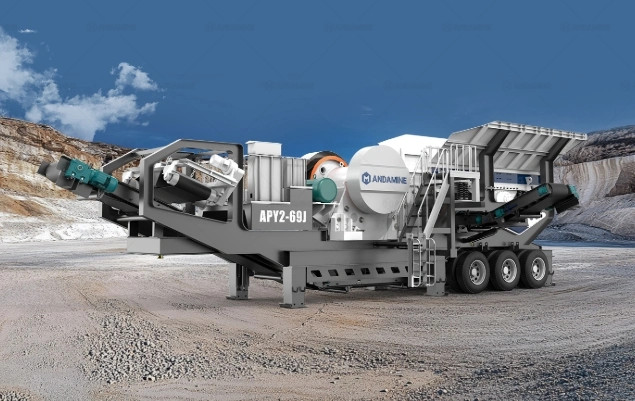
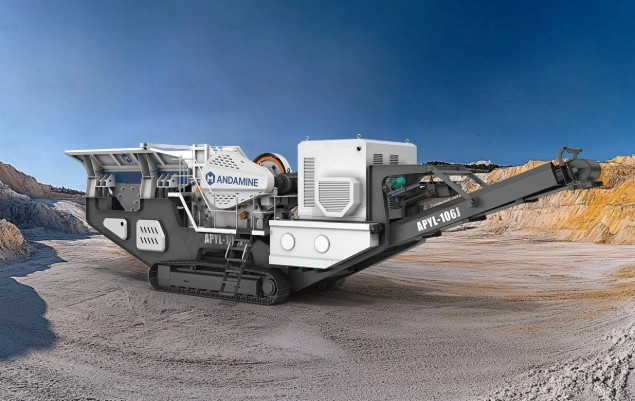
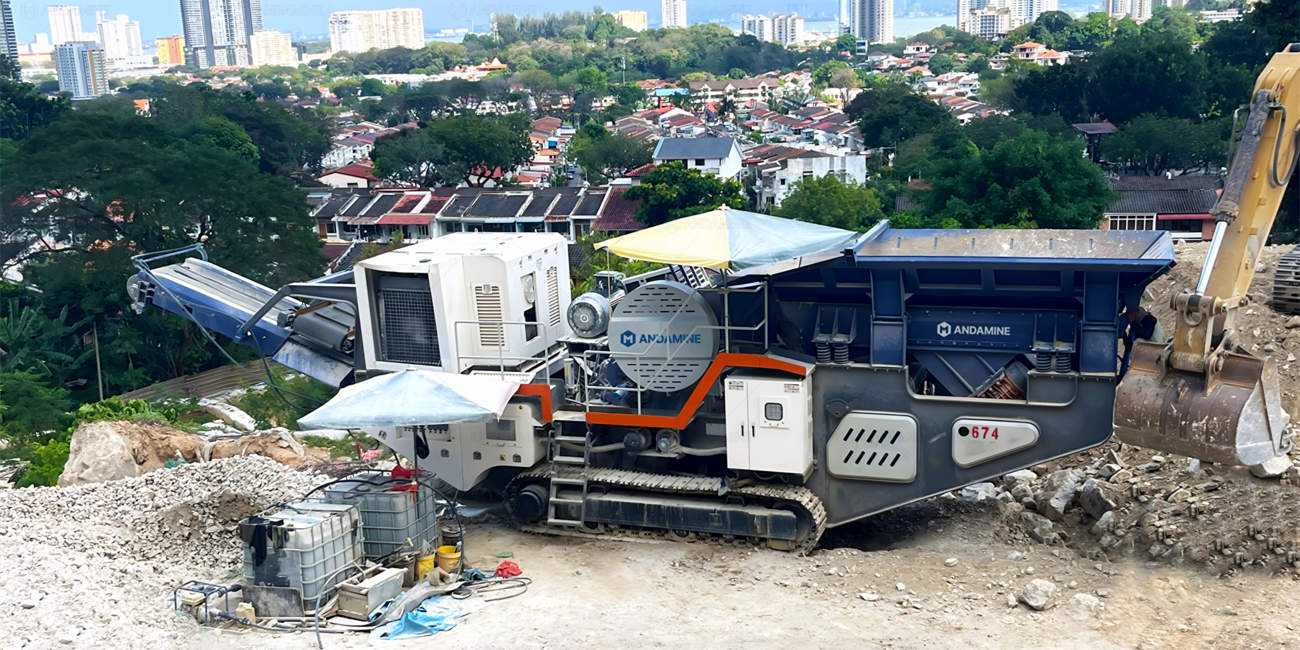
Our jaw crushers—whether stationary or mobile—are designed for efficiency, durability, and ease of maintenance. But what truly sets us apart is our commitment to your success:
- Expert Support: From installation to maintenance, our team ensures smooth operation.
- Quality You Can Trust: Robust construction and premium materials for long-lasting performance.
- Innovation That Works: Smart designs that reduce downtime and maximize productivity.
Choosing ANDAMINE means choosing a partner dedicated to helping you achieve more. Let’s build your crushing future together. Contact us today to learn how we can optimize your operations.