
Aggregates, constituting 70-80% of concrete and asphalt mixes, are core components whose quality directly determines the ultimate performance of engineering structures. With natural sand and gravel resources increasingly depleted and environmental regulations continuously tightening, manufactured aggregates have become the primary source for the construction industry. The core challenge facing every quarry operator, concrete batching plant, and construction contractor is how to produce high-quality aggregates meeting stringent standards through specialised aggregate crushing equipment crushing equipment and scientific process flows.
This article provides a comprehensive analysis of aggregate crusher equipment selection, process flows, and comparisons between mobile and stationary solutions. It offers a full lifecycle guide—from investment returns to operational maintenance—empowering you to establish an efficient, stable, and profitable aggregate production base.
What Constitutes High-Quality Aggregate? — Classification and Core Indicators of Aggregate
Aggregate may be categorised by particle size into coarse aggregate (crushed stone, typically >4.75mm) and fine aggregate (sand, ≤4.75mm). In engineering applications, the four core indicators for assessing aggregate quality are:
Grain Shape:Ideal aggregate should exhibit a cubic form rather than a flaky or needle-like shape. Flaky or needle-like aggregate reduces concrete workability and strength, increasing water and cement requirements. For highway pavement applications, the flaky/needle content is typically restricted to ≤15%.
Gradation:This refers to the proportionate distribution of aggregate across different particle sizes. Optimal grading minimises inter-particle voids, thereby reducing the required cement paste volume for void filling and enhancing concrete density and strength.
Silt content and stone powder content:Silt components coat aggregate surfaces, impairing cement paste adhesion. In manufactured sand production, controlled stone powder levels (5%-15%) can improve concrete workability, but precise regulation is essential.
Raw Material of Aggregate Produced by Crushing
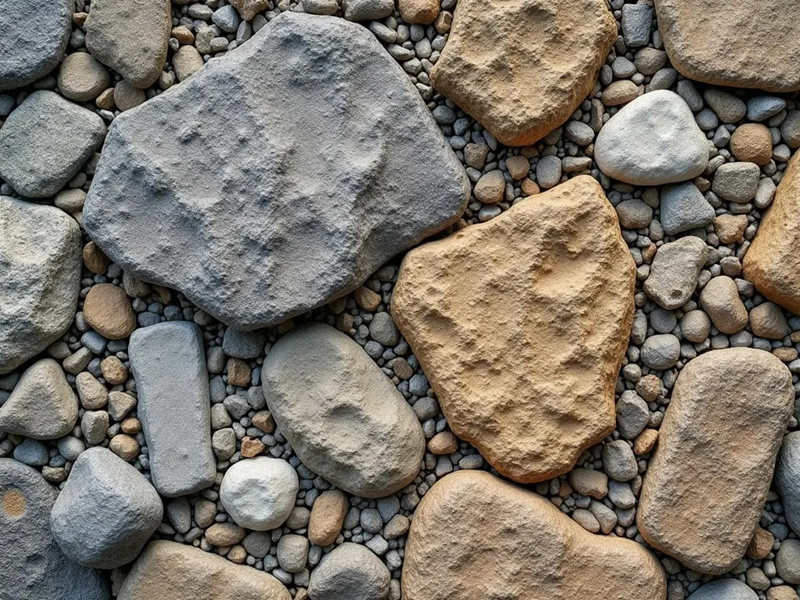
High-quality construction aggregate can be produced from a variety of raw materials, both virgin and recycled. Understanding the source materials helps maximize resource efficiency and project sustainability. Here shows some key raw materials for aggregate production:
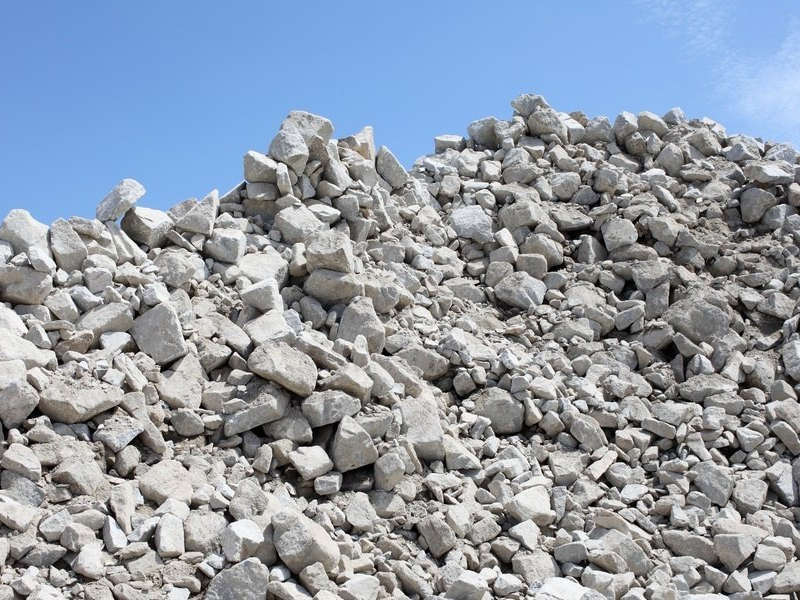

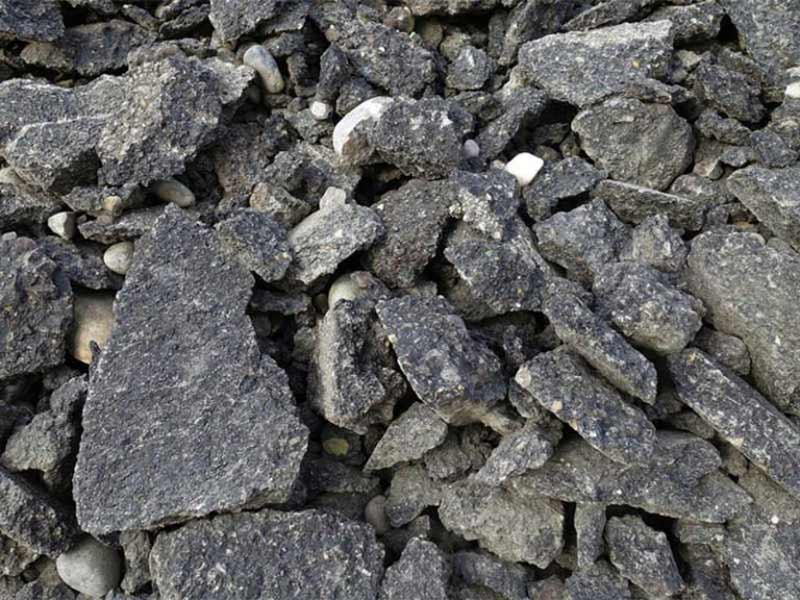
Virgin Stone & Rock
Characteristics: Mined directly from quarries, these hard, dense materials are the traditional source for high-specification concrete and asphalt aggregates.
Recycled Concrete
Primary Source: Demolished structures, pavements, foundations, and other concrete waste.
Value: The most common and valuable recycled material for aggregate production, offering significant environmental benefits by diverting waste from landfills.
Recycled Masonry & Bricks
Examples: Crushed bricks, clay tiles, concrete blocks, and other masonry debris from demolition sites.
Application: Produces aggregates suitable for sub-base layers, drainage applications, pipe bedding, and some lower-grade concrete mixes.
Recycled Asphalt Pavement (RAP)
Source: Reclaimed asphalt from road milling and resurfacing projects.
Use: Primarily reprocessed into new asphalt mixes or used as a stable aggregate base material.
Utilizing waste materials like concrete rubble and crushed bricks not only conserves natural resources but also reduces landfill burden, making recycled aggregates a cost-effective and environmentally responsible choice for modern construction.
Types of Aggregate Crushers – Matching to Your Production Needs
A complete aggregate production line typically comprises five subsystems: feeding, crushing, screening, conveying, and dust extraction. Among these, the crushing stage is central, with different crushing equipment playing distinct roles in aggregate production. Andamine offers a variety of crusher aggregate equipment for sale, each designed to meet specific needs and applications. Understanding the different types can help you choose the right aggregate crushing machine for your project.
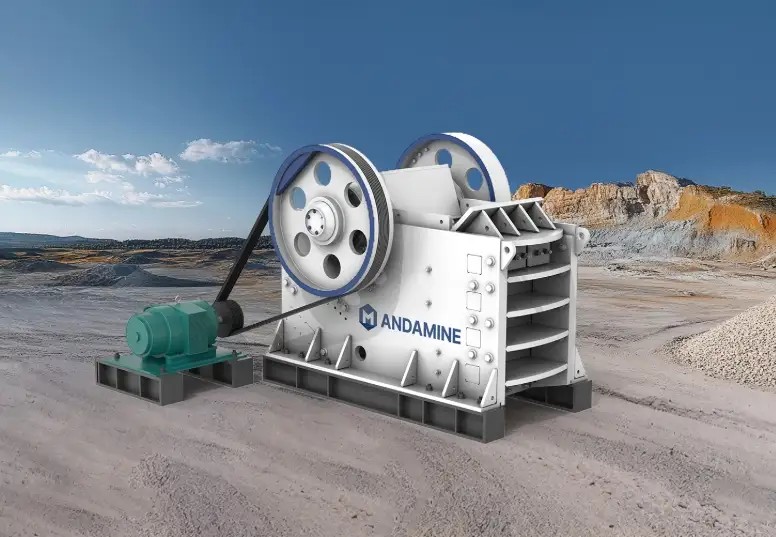
Primary Crushers for Aggregates: The First Reduction Stage
- Function: Handle the largest feed size (directly from the quarry face or demolition site). Perform the initial, coarse size reduction.
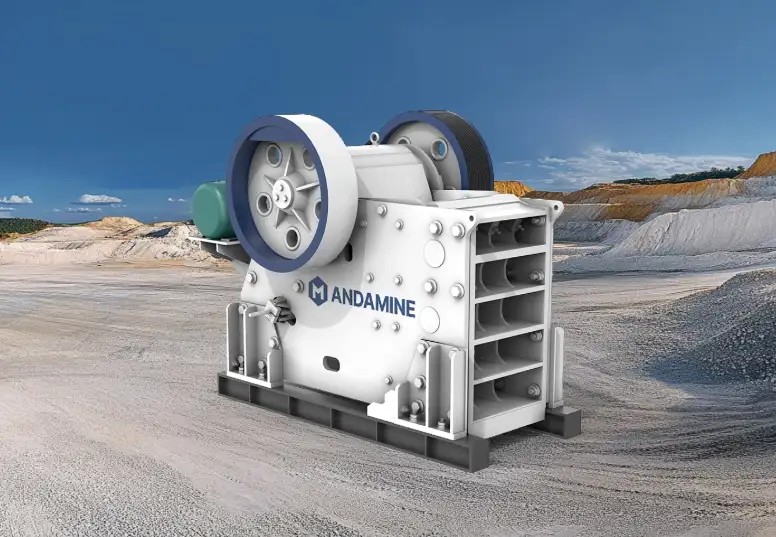
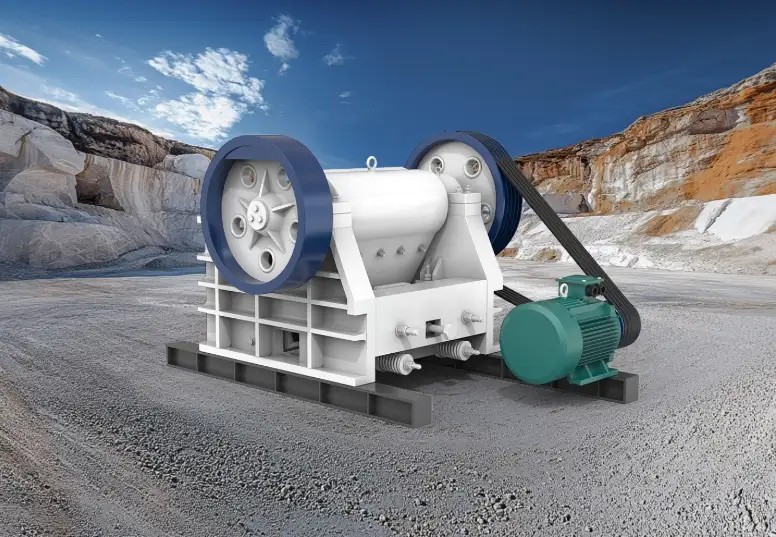
- Key Types: Aggregate Jaw Crushers: Robust workhorses using compressive force. The jaw crusher is ideal for hard, abrasive materials (granite, basalt, recycled concrete). Produce a relatively coarse product.
- Output: Coarse aggregate (e.g., for road base) or feed for secondary crushers.
Secondary Crushers for Aggregates: Refining Size & Shape
Function: Take the output from the primary crusher and further reduce it to intermediate sizes. Focuses on producing better-shaped particles and achieving the required gradation.
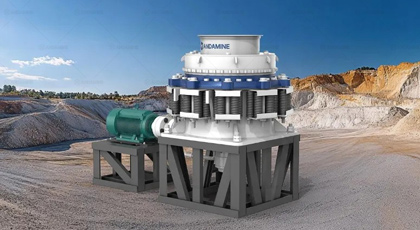
Aggregate Cone Crusher
- Suitable Raw Materials: Highly abrasive hard rock (granite, basalt, river pebbles)
- Crushing Principle: Laminar crushing (material is crushed by compression)
- Final Product Shape: Good, though flaky and needle-shaped content slightly higher than impact crushers
- Wear Costs: Lower (longer wear part lifespan)
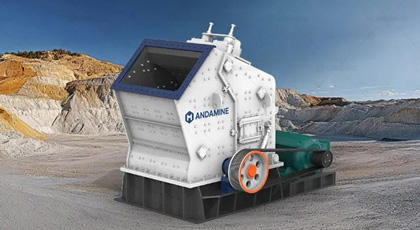
Aggregate Impact Crusher
- Suitable Materials: Medium to low hardness rock (limestone, dolomite) and recycled concrete aggregates
- Crushing Principle: Impact crushing (material struck by high-speed rotor)
- Product Shape: Excellent, high proportion of cubical particles
- Wear Costs: Relatively high (rapid wear of blow bars and impact plates)
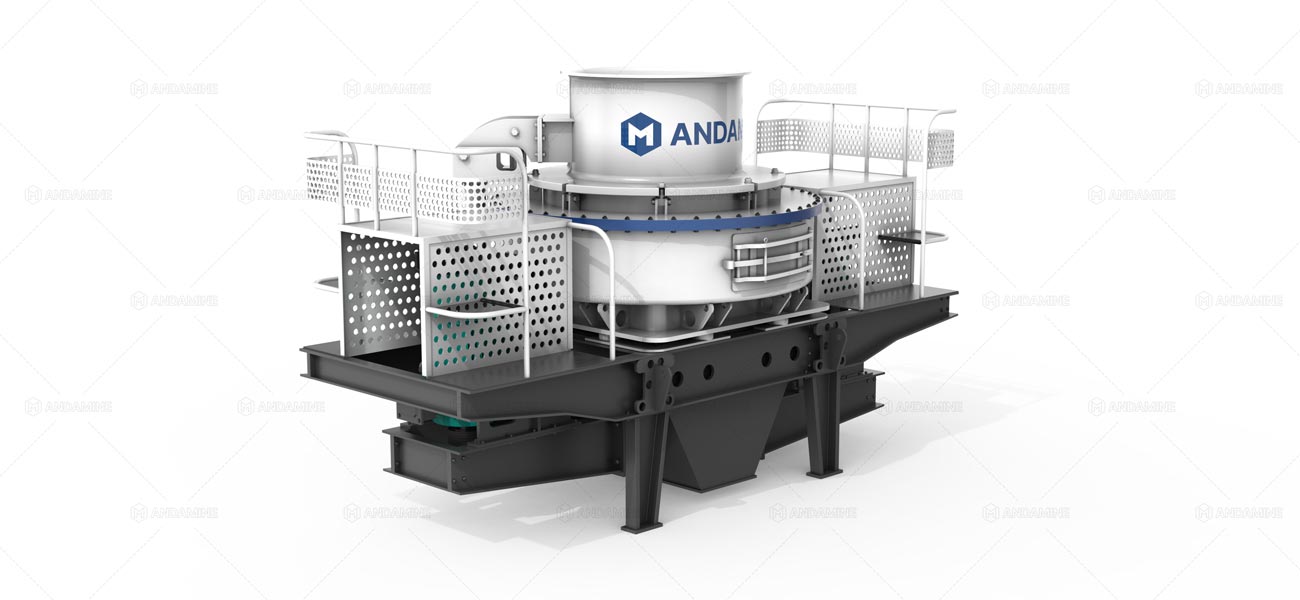
Sand-Making Equipment: Vertical Shaft Impact Crusher (VSI)
Function: Specialised production of manufactured sand (0-5mm) and shaping of finished aggregates.
Core Value:
- Processes crushed stone into high-quality manufactured sand, replacing increasingly scarce natural sand.
- Improves the particle shape of aggregates produced by cone crushers or impact crushers, significantly reducing elongated and flaky particles.
- Enables precise control over sand gradation and fineness modulus.
Aggregate Screening Equipment: Precision Sizing for Quality Control
Screening is a critical step in aggregate classification. Multi-deck vibrating screens can separate materials into 2 to 5 specifications (e.g., 0–5 mm, 5–10 mm, 10–20 mm, 20–31.5 mm). Oversized particles that fail to meet specifications are returned via conveyor belt to the crusher for reprocessing (closed-circuit operation).
Features of Andamine Aggregate Screens for Sale:
- Multi-deck configurations produce 3–5 graded products simultaneously.
- Heavy-duty mesh or rubber media withstands abrasive materials.
- Variable amplitude/frequency adapts to moisture or sticky ores.

Mobile vs Stationary – Which Solution is Right for Your Project?
So, should you opt for a mobile aggregate crushing plant or a stationary type? First, you need to understand their respective applications and advantages.
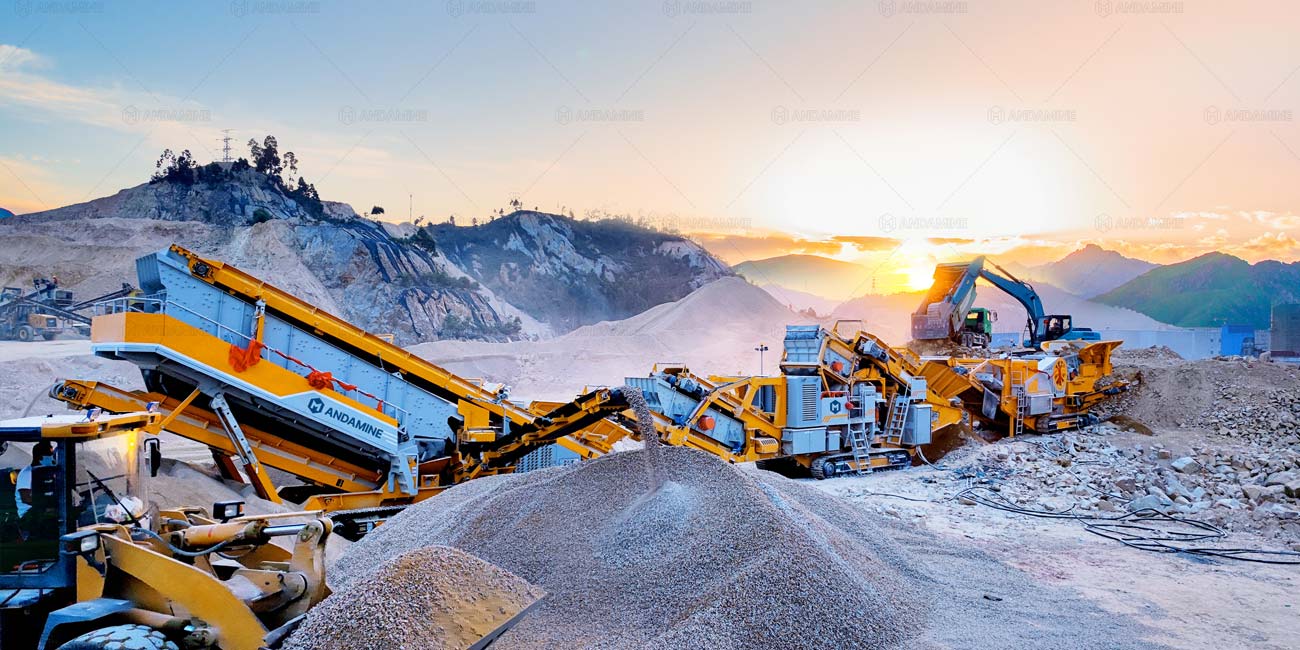
Mobile Aggregate Production Line: Flexibly Responding to Diverse Demands
Typical Configuration: Mobile Jaw Crushers for Aggregates + Mobile Cone Crusher/Impact Crusher Plant + Mobile Screening Plant

Suitable Applications:
- Small to medium-sized quarries (capacity below 200tph)
- Construction companies requiring multi-site relocation
- Temporary or leased projects
- Mountainous or urban fringe projects with limited space
Core Advantages:
- Rapid Commissioning: Operational within 2-3 days upon arrival.
- Flexible Relocation: Simply transport via trailer to the next site.
- Reduced Transport Costs: Crushes on-site, eliminating the transport need.
- Low Capital Threshold: Can be procured as single units for gradual expansion.
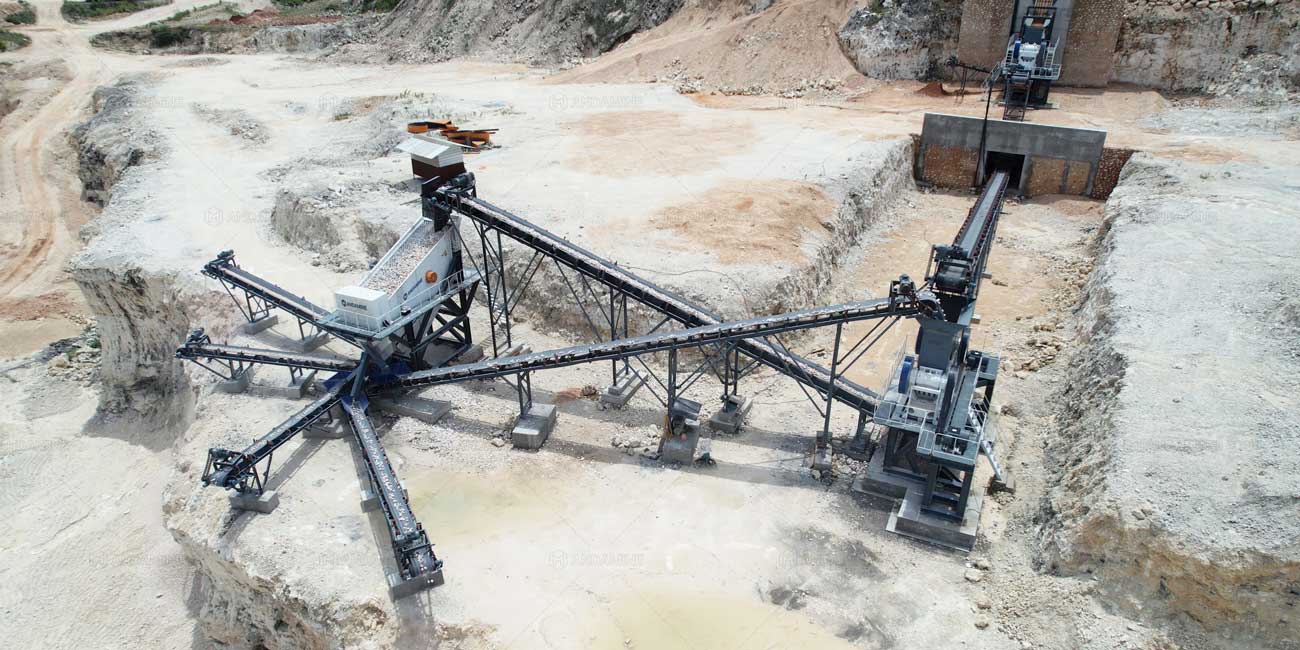
Stationary Aggregate Production Line: The Cornerstone of Large-Scale Production
Typical Configuration: Vibrating Feeder + Jaw Crusher + Cone Crusher/Impact Crusher + Vibrating Screen + Sand Maker + Conveyor System + Dust Extraction System + PLC Control System
Suitable Applications:
Core Advantages:
Andamine Successful Cases of Aggregate Crushing
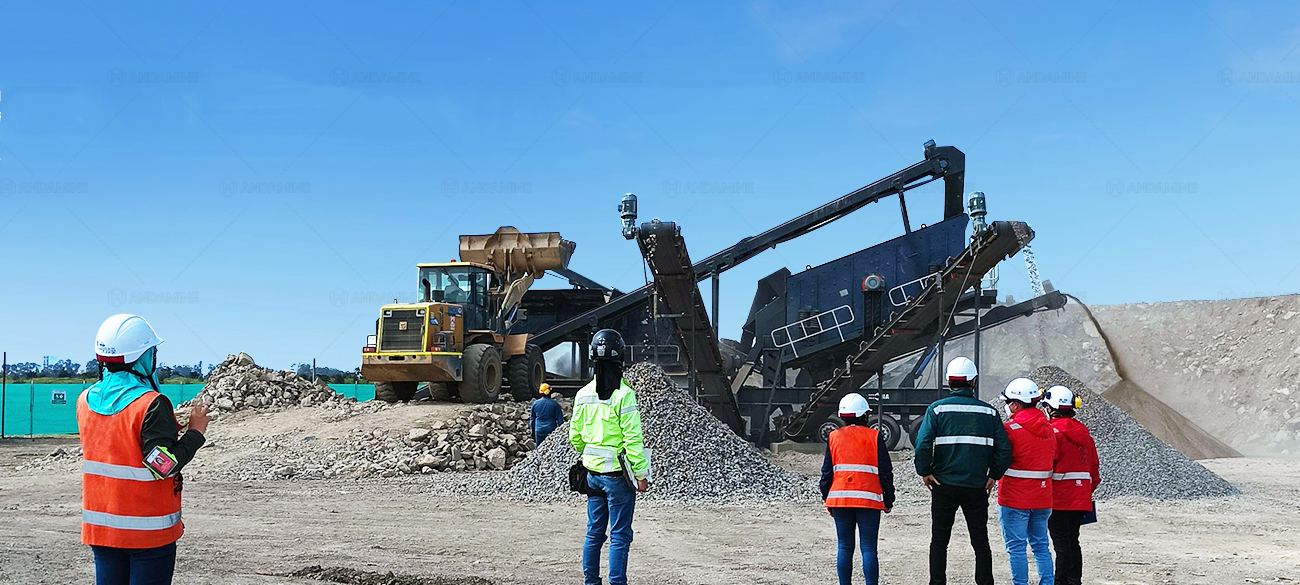
Andamine aggregate crusher specialists have customized aggregate crushing solutions for hundreds of customers to produce aggregates with different hardness, different output and different discharge size. Next, I will show you several design solutions with different output:

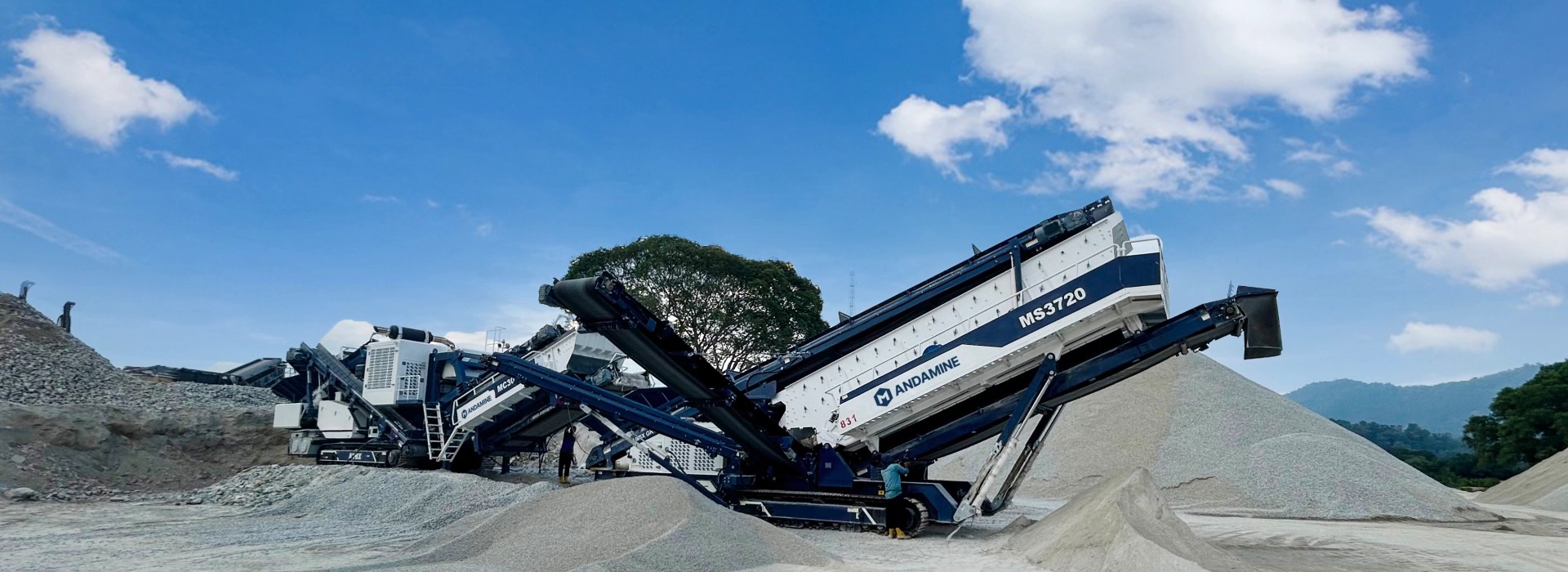
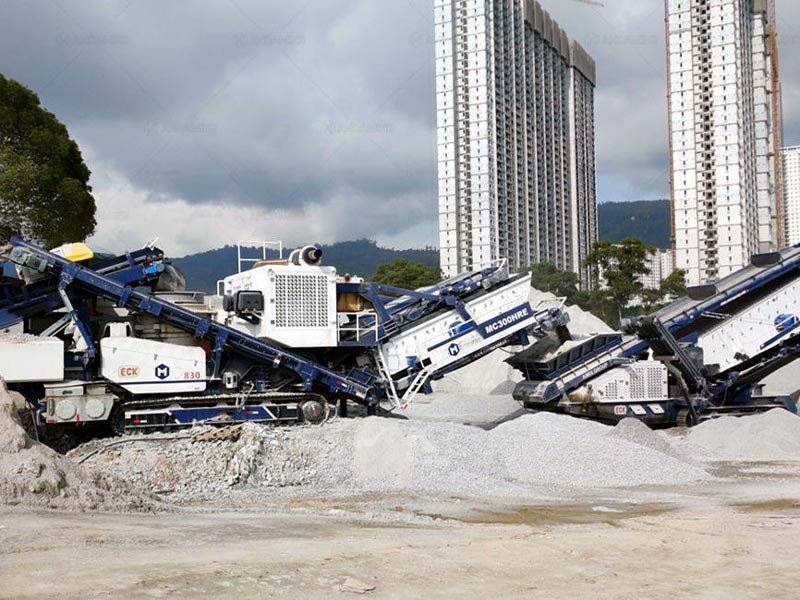
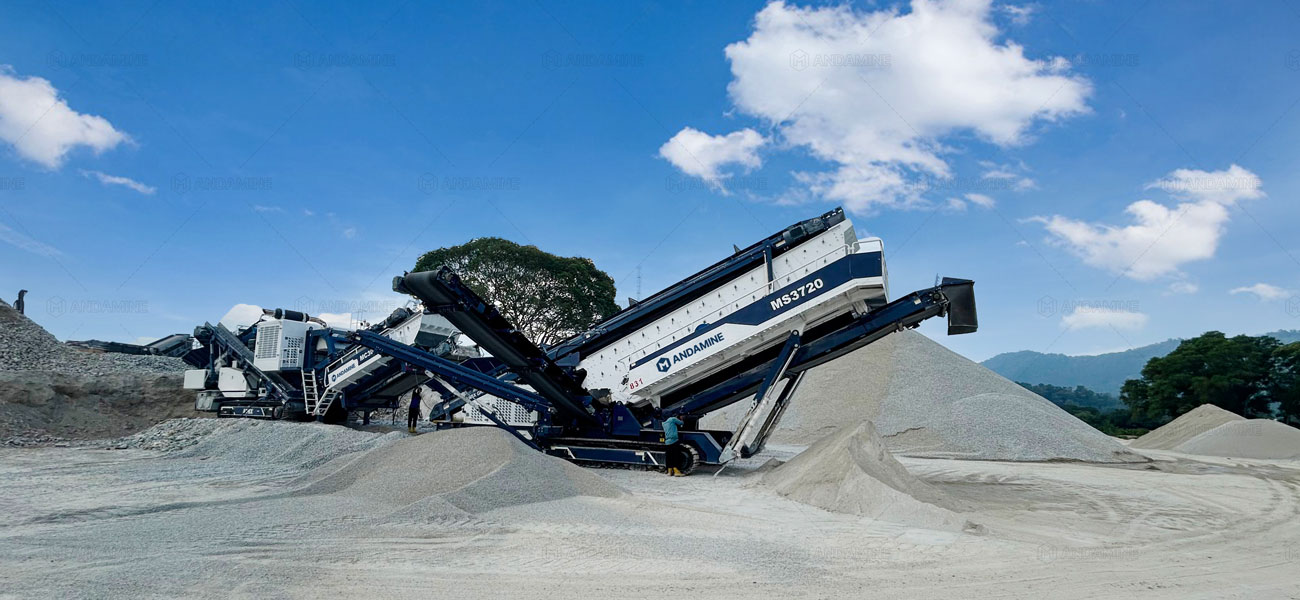
200tph Mobile Aggregate Screens and Crushers in Malaysia
- Raw material: Limestone.
- Type: Mobile track crusher.
- Finished particle size: 0-10-20-40mm.
- Equipment configuration: Vibrating feeder, jaw crusher, cone crusher, and vibrating screen.
- Usage: Concrete aggregate production and sales.
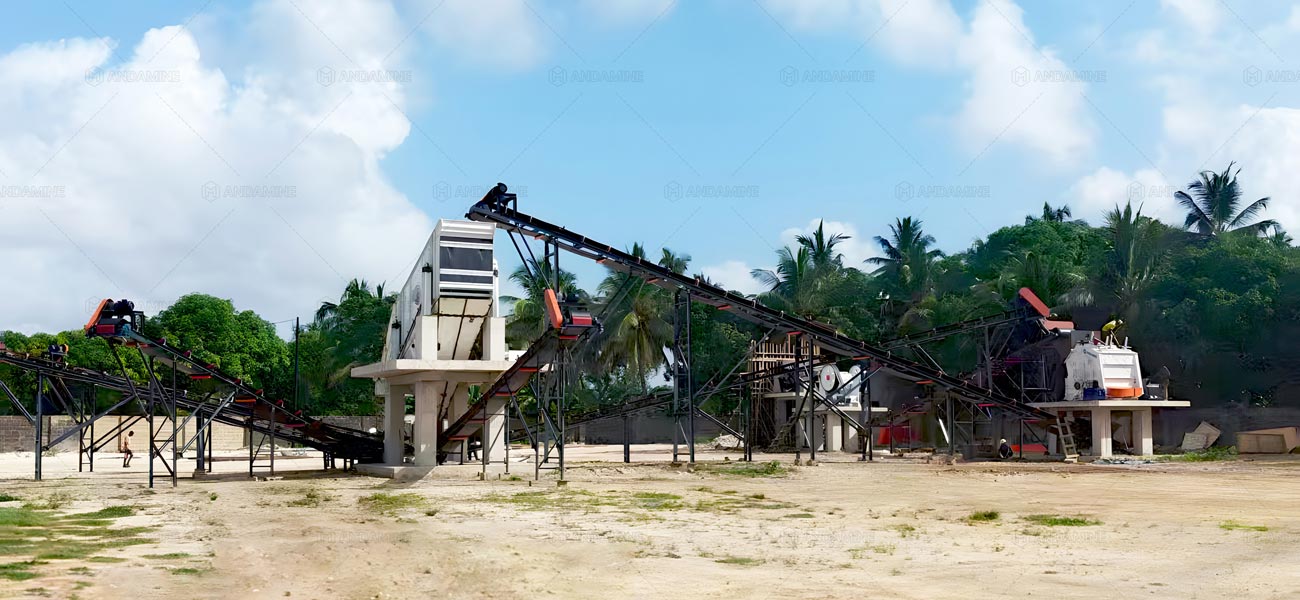
120tph Crushing Plant for Aggregates in Tanzania
- Raw material: Limestone.
- Type: Stationary.
- Finished particle size: 5-10, 10-20mm.
- Equipment configuration: Vibrating feeder, jaw crusher, impact crusher, and vibrating screen.
- Usage: Produce aggregate for their own concrete batching plant to save cost.

350tph Aggregate Crusher Plant for Malaysia
- Raw material: Cobblestone
- Capacity: 350 tons per hour
- Type: Stationary
- Finished particle size: 0-5-10-20mm
- Usage: Production of sand and gravel aggregate.
- Equipment configuration: Vibrating feeder, VSI crusher, vibrating screen, belt conveyor, etc.
Analysis of Investment and Operational Costs for Your Aggregate Production Line
For quarry operators, engineering contractors and investors worldwide, purchasing aggregate crushing equipment or establishing a complete production line is fundamentally a capital expenditure decision. Before committing to investment, your primary concerns will undoubtedly be: how long will it take for this equipment to recoup its costs? Are the operational expenses manageable? Let us first examine the components that constitute the costs of an aggregate production line:
Initial Investment
This represents a one-off expenditure prior to project commencement, accounting for 30%-40% of total costs:
Equipment Procurement (60%-70%):
Aggregate crusher machine, screening machines, conveyor systems, dust extraction equipment, etc.
Civil Works and Foundations (15%-25%):
Fixed lines require concrete foundations and steel-framed workshops.
Installation and Commissioning (5%-10%):
Technical team on-site for installation, commissioning, and training.
Other Expenses (5%):
Permit processing, environmental impact assessments, preliminary exploration, etc.
Operational Expenditure (OPEX)
These are ongoing costs incurred after equipment commissioning, accounting for 50%-60% of total costs and forming the core of investment return analysis:
Energy Consumption (Electricity/Fuel) (25%-35%):
Electricity/fuel prices, equipment energy efficiency, crushing ratio.
Wear Parts Replacement (20%-30%):
Rock hardness (abrasiveness), equipment type, wear-resistant component materials.
Maintenance and Other (10%-20%):
Equipment quality, maintenance standards,taxes, management, etc.
Other Expenses (5%):
Permit processing, environmental impact assessments, preliminary exploration, etc.
How to Choose A Right Aggregate Crusher
Selecting the right aggregate screens and crushers is critical to ensuring efficiency, cost-effectiveness, and project success. Here are some key considerations:
Material Type
Assess the hardness, abrasiveness, and moisture content of your material. Hard materials like granite require robust crushers, while softer materials like limestone are easier to process.
Desired Output
Determine the size and quantity of aggregates needed. If you require fine aggregates, opt for impact crushers. For larger, uniform pieces, choose cone or gyratory crushers.
Application
Understand the purpose of the aggregates. For shaping, impact crushers work best. For primary crushing, jaw crushers are ideal.
Mobility Needs
Budget Constraints
After-Sales Support
With over 40+ years of specialisation in the crushing and screening industry, we offer comprehensive aggregate production equipment ranging from 50 to 1,000 tonnes per hour, alongside extensive experience in designing both mobile and stationary production lines. We provide not only individual units but also bespoke end-to-end solutions for every client, from raw aggregate feeding to finished product discharge.
What type of aggregate production project are you planning? Whether it’s for ready-mixed concrete supply, motorway construction materials, or large-scale mining operations, our technical team stands ready to provide tailored solutions and detailed investment return analyses.