
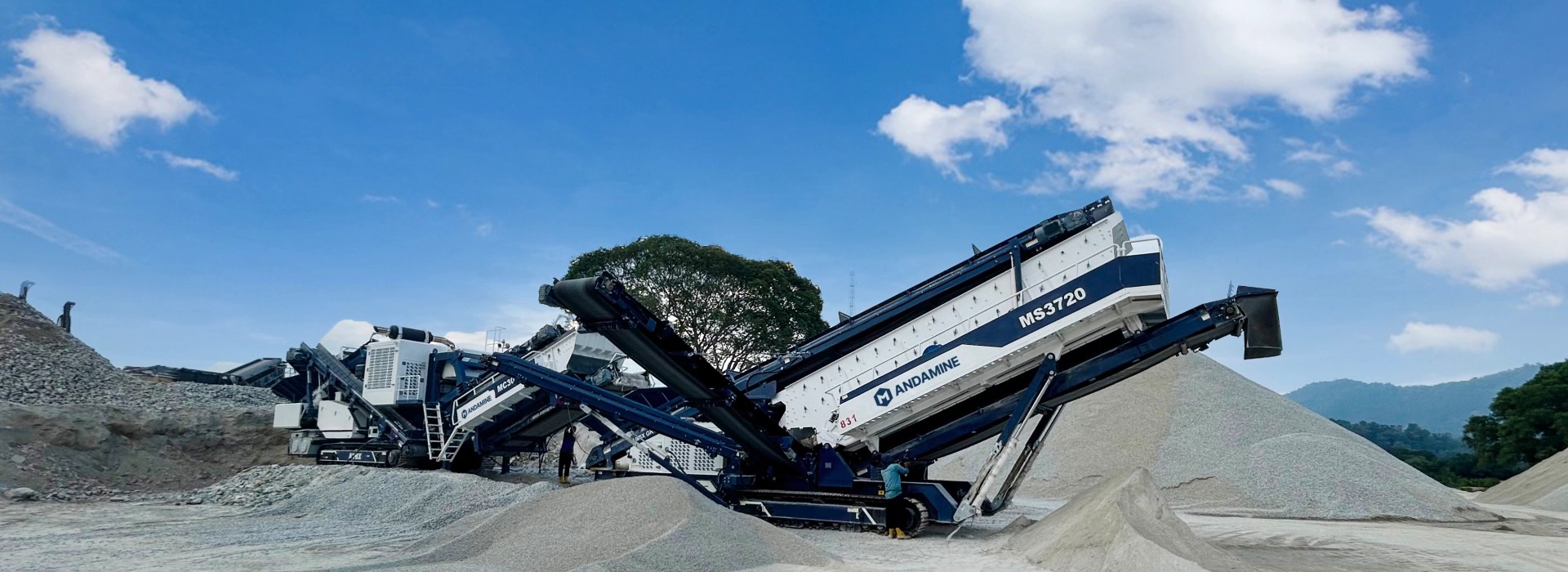
Against the backdrop of escalating global infrastructure investment (with World Bank data projecting worldwide infrastructure expenditure to reach US$13 trillion by 2024) and aggregate demand growing at 6-8% annually, establishing a stone crushing plant presents a substantial commercial opportunity. However, this sector entails multiple challenges encompassing market research, equipment selection, and compliant operations.
From balancing raw material costs against transport distances during site selection to navigating environmental approval pitfalls, each step significantly impacts long-term profitability. Drawing upon 40 years of industry expertise and 50+ global crushing plant implementation cases, this article deconstructs the critical path to launching a stone crusher plant. It guides you in avoiding common pitfalls to establish an efficient, compliant, and sustainable profit model.
Step 1: Market Feasibility Analysis
Before launching any industrial project, precise market positioning is the cornerstone of success. Many novice investors overlook regional demand variations, resulting in idle equipment or cut-throat competition. You should focus on two key aspects:

Demand Side:
Combine local infrastructure plans (such as roads, railways, and property developments) with sand and gravel aggregate shortages (data obtainable from government mining departments or industry associations) to forecast long-term demand.
For instance, Southeast Asian nations have seen urbanisation rates rise to 55% in recent years, driving annual crushed stone demand growth of 12%. Meanwhile, certain African regions import over 30% of their aggregate due to local supply shortages, presenting regional arbitrage opportunities.
Competitive Landscape:
Map competitors within a 30-50 kilometre radius, analysing their capacity (e.g., single-plant daily throughput), primary product mix (ratio of manufactured sand/crushed stone), pricing strategies (including transport premiums).
Where three or more large-scale plants exceeding 200tph capacity already operate within the region, consider differentiated positioning—such as specialising in high-grade manufactured sand (for C60 concrete) or offering mobile crushing equipment hire to fill niche market gaps.
Step 2: Site Selection and Compliance
After clarifying market demand, site selection, and compliance directly determines whether the project can be implemented. Poor site selection may result in raw material transport costs exceeding 30% of total expenses, while illegal land occupation could trigger work stoppages for rectification or even legal risks.
1. Core Site Criteria
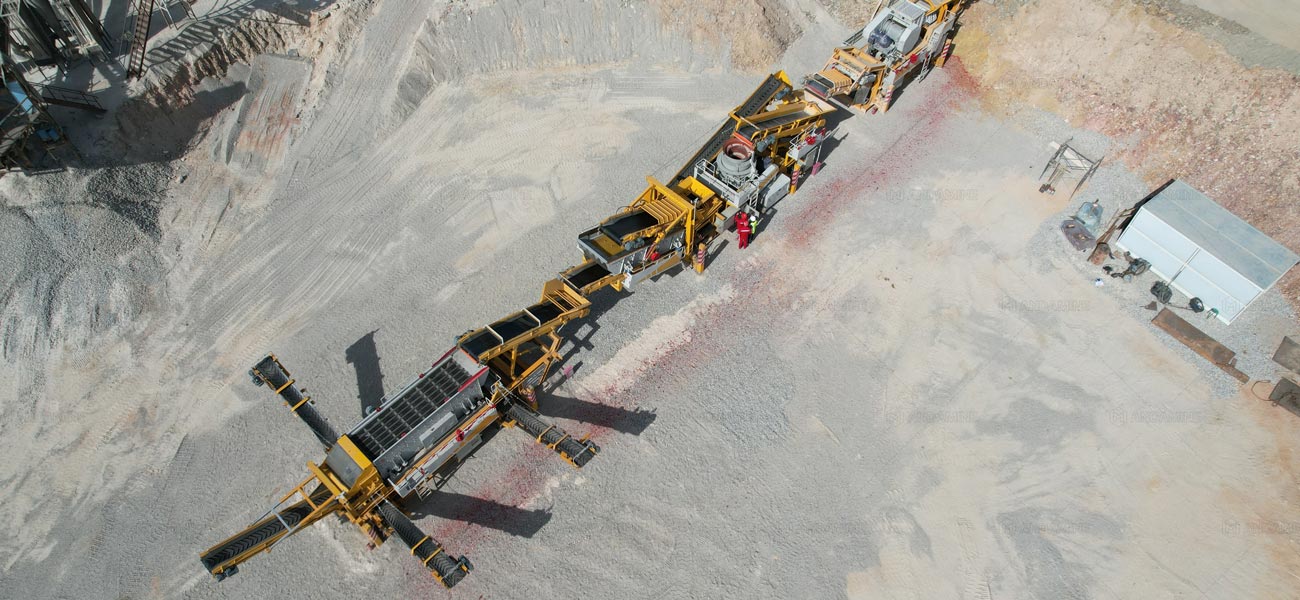
- Raw Material Distance: Prioritise sites ≤5 kilometres from mines/quarries to minimise truck transport costs (approx. $0.5–1 per tonne per kilometre). Where materials originate from multiple sources, assess aggregate road load-bearing capacity (minimum 40-tonne load recommended).
- Transportation Infrastructure: Proximity to national highways/rail freight terminals minimises transhipment stages. One Malaysian client’s 200tph crushing plant, situated adjacent to a motorway exit, achieved 18% lower logistics costs than comparable facilities.
- Environmental Reserves: Sites must reserve space for dust collection ponds (capacity ≥ 0.5% of daily throughput) and wastewater recycling systems (recycling rate ≥ 90%) to avoid subsequent modifications incurring over 30% additional costs.
2. Key Compliance Procedures
- Firstly, submit an Environmental Impact Assessment (EIA) report to the competent authority. This report must systematically evaluate the project’s ecological and environmental impacts, including noise control meeting baseline indicators such as daytime levels ≤75dB and PM10 dust concentration ≤150μg/m³. Engineering measures like noise barriers and dust collection/treatment systems must accompany the report.
- Secondly, procedures for altering land use classification must be completed, such as converting agricultural or undeveloped land to industrial use.
- For projects involving mineral resource extraction, this process includes stages such as mineral reserve assessment, specialised environmental impact evaluation, and preparation of mine ecological restoration plans.
Step 3: Equipment Configuration and Production Line Design – Balancing Efficiency and Cost
Once the site and formalities are in place, equipment selection becomes pivotal in determining production capacity, energy consumption, and maintenance costs. Many investors blindly pursue high-capacity machinery (such as pairing low-output projects with large crushers), resulting in utilisation rates below 50%.
1. Classic Production Line Configuration Logic
An efficient aggregate production line typically follows the sequence: primary crushing → secondary crushing → screening → storage:
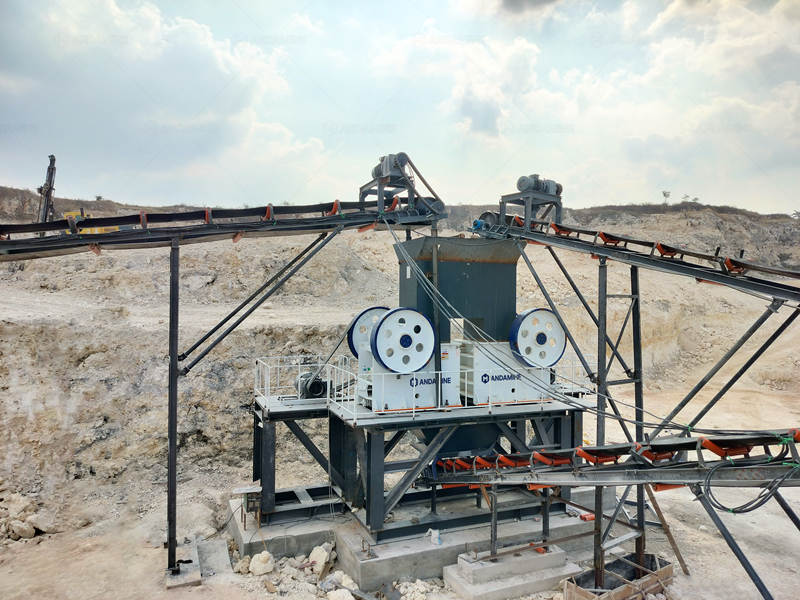
Vibrating feeder (uniform feeding) → Jaw crusher (primary crushing, processing feed below 1000mm) → Impact/Cone crusher (secondary crushing, output 30-80mm) → Vibrating screen (grading, producing 0-5mm/5-10mm/10-30mm finished products) → Finished product silo (classified storage)
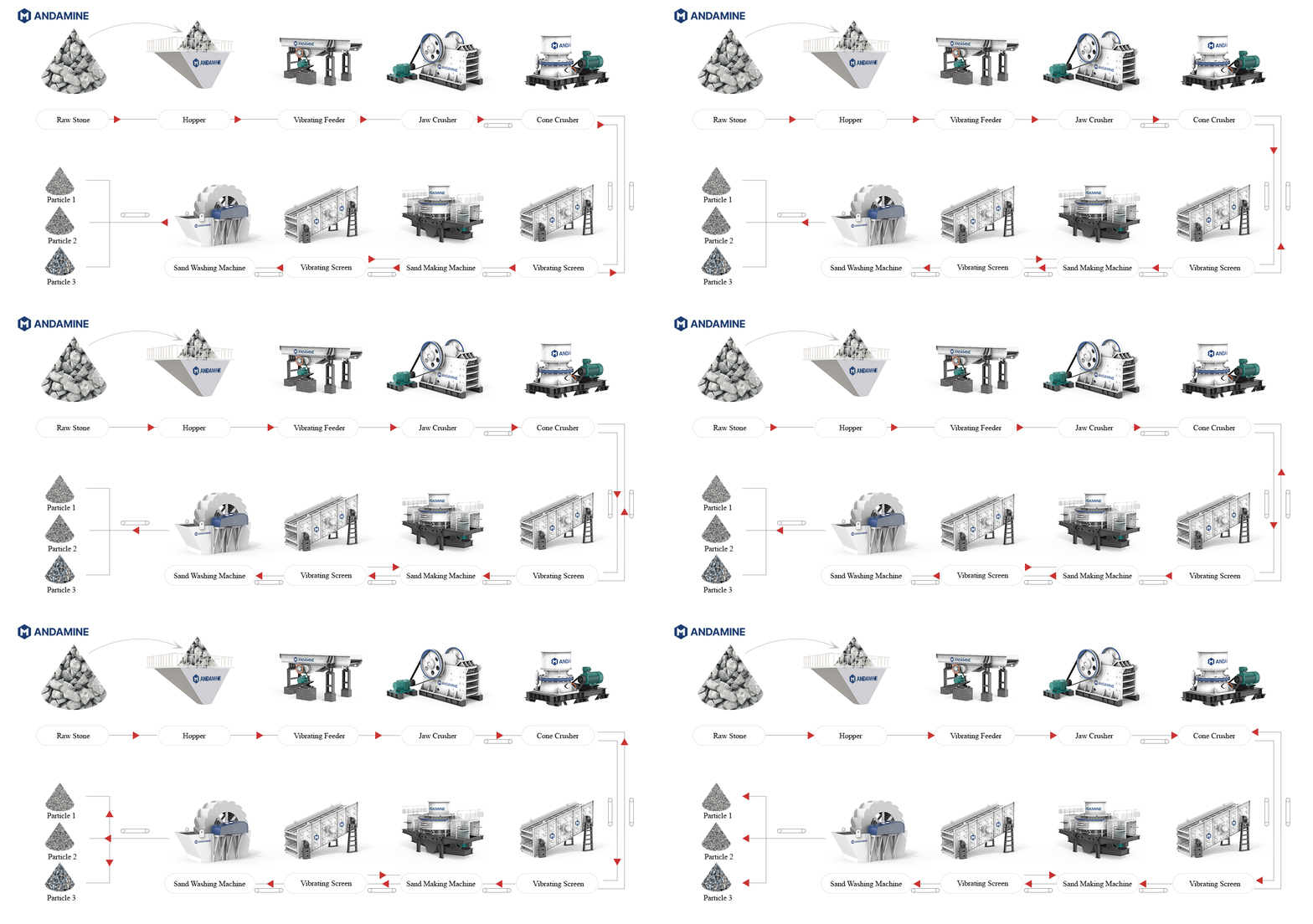
Tips: For hard rock materials like granite, replacing the impact crusher with a cone crusher is recommended, extending service life by 40%. For manufactured sand requirements, add a sand maker such as a VSI or vertical shaft impact crusher.
2. Considerations for the Selection of Crushing Machine Equipment
| Equipment Type | Applicable materials | Key Features |
|---|---|---|
| Jaw Crusher | High-hardness materials (granite, basalt) | Simple in structure, reliable in operation, and highly adaptable |
| Cone Crusher | Medium to high hardness materials | High wear resistance, low maintenance costs, excellent product particle shape |
| Impact Crusher | Medium-hard material (limestone) | High crushing ratio, excellent product particle shape, relatively low energy consumption |
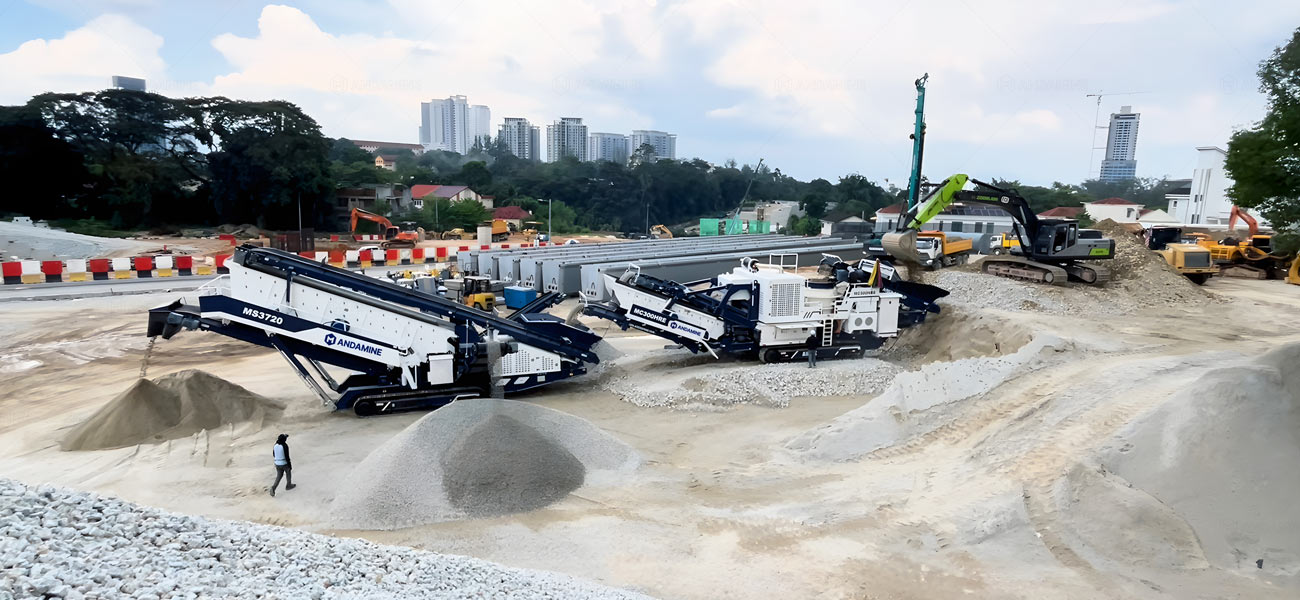
| Mobile Crushing Plant | Suitable for dispersing a variety of materials | on site Flexible relocation, reduced transport costs, rapid commissioning |
Intelligent Upgrades: Prioritise IoT-enabled equipment for remote monitoring of bearing temperatures and motor loads, enabling proactive fault alerts (one South African client achieved a 40% reduction in downtime after deploying our 4 in 1 mobile crushing plant).
Step 4: Operations and Sustainable Development
Commissioning equipment ≠ project success; meticulous operations are the key to sustained profitability. Many crushing plant project managers experience customer churn exceeding 20% due to neglecting quality control or team training.

1. Quality and Quality Control
Install online particle size monitors (e.g., German SIEBTECHNIK equipment) to adjust screen gaps in real-time, preventing oversized material from entering finished products.
2. Team Training and Equipment Maintenance
Implement “predictive maintenance”: Monitor crusher bearing conditions via vibration sensors. Replace bearings proactively when vibration exceeds 5mm/s to prevent sudden shutdowns.
3. Environmental Dust Control
4. Energy Conservation and Emissions Reduction
5. Occupational Safety System
6. Sustainable Development Strategy
Starting a stone crusher plant is not merely a matter of assembling equipment; it represents a comprehensive test of market demand, compliant operations, equipment efficiency, and sustainable management. Whether you are a first-time entrepreneur or an industry operator, clear planning and professional technical support can help you avoid unnecessary detours.
As a global supplier of crushing equipment, we have supported clients in over 100 countries, including Malaysia, Indonesia, Colombia, and Tanzania, in implementing crushing projects. From 50tph mini crushing plants to 500tph industrial crushing lines, and from equipment selection to production line optimisation, we provide full-cycle technical support. Contact our engineering team immediately to obtain a complimentary site assessment report and customised production line design, transforming your crushing plant from blueprint to profitability.