
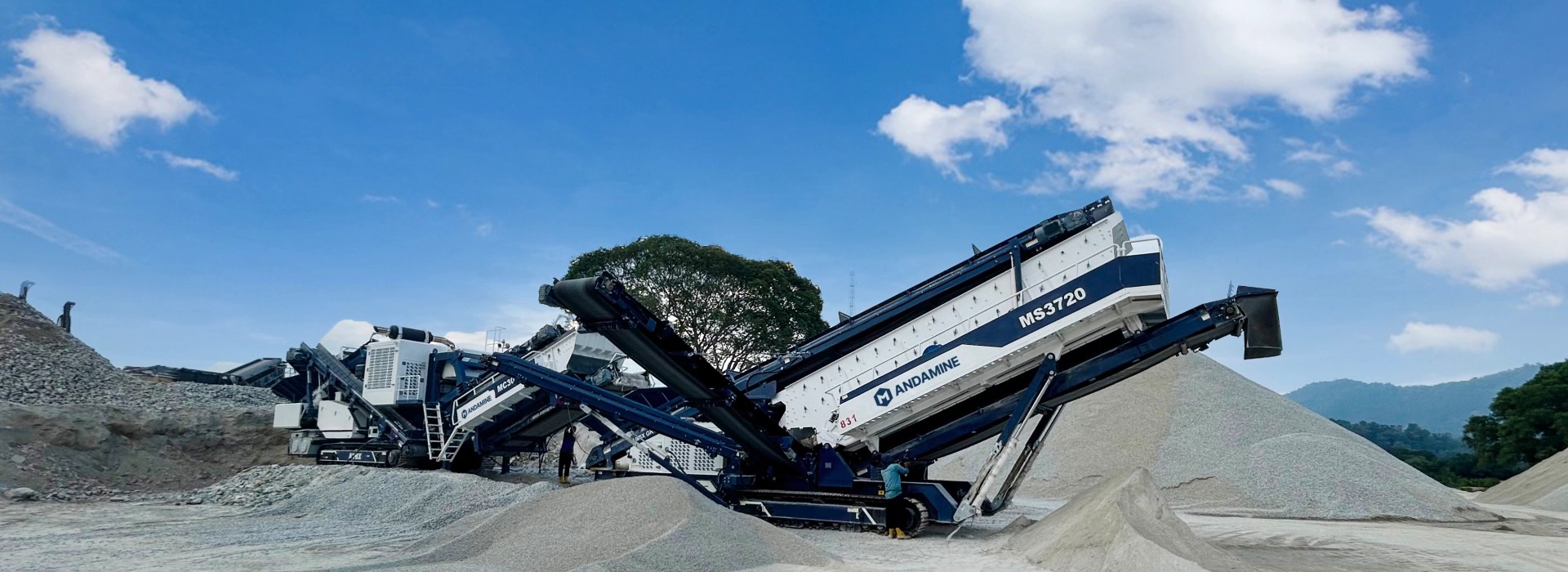

Stone crusher plants face constant stress from high-volume crushing, leading to equipment wear, unplanned downtime, and rising maintenance costs. These challenges can delay projects and cut into profits. Proper maintenance is essential for reliable operation. In this article, we explore actionable tips—from routine inspections to technology upgrades—helping plant owners minimize repairs, maintain consistent productivity, and extend the service life of their crushing equipment.
Understanding Your Stone Crusher Plant
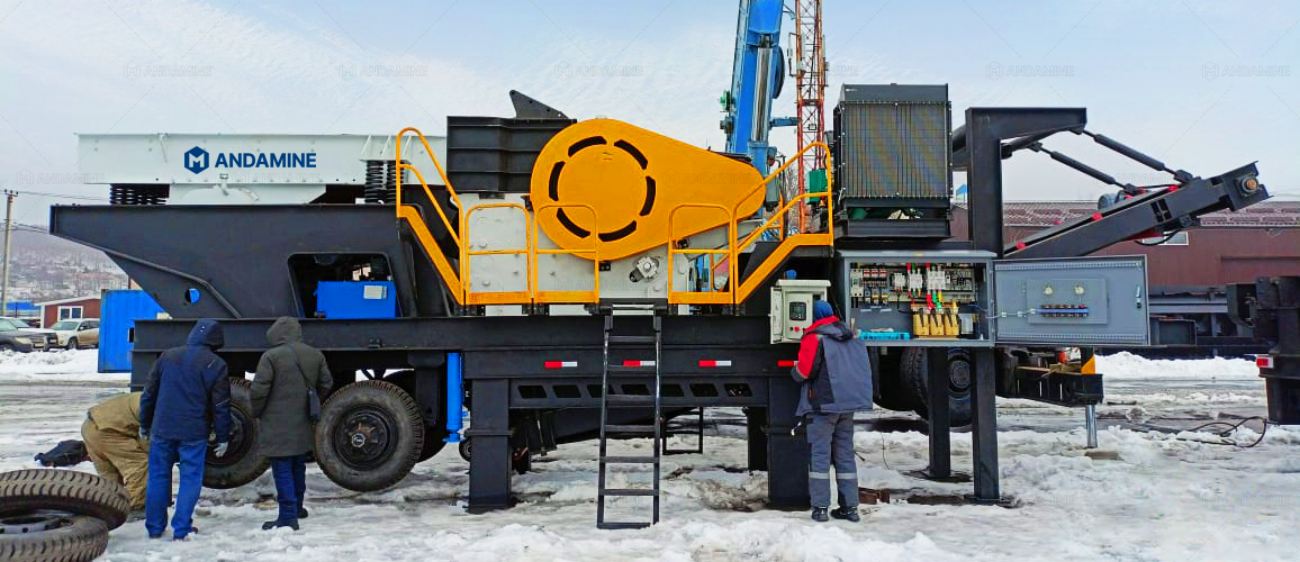
A clear understanding of your plant’s components is the first step toward effective crusher and plant maintenance.
Main Components
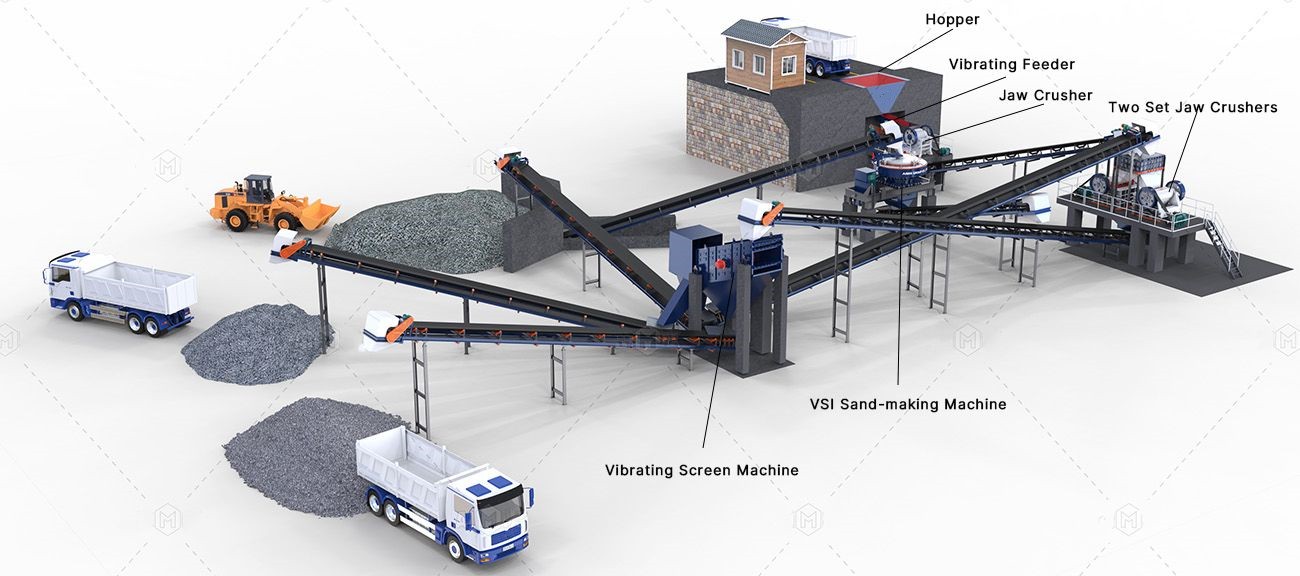
- Jaw Crusher: Performs primary crushing, breaking large rocks into smaller pieces for further processing.
- Cone or Impact Crusher: Handles secondary or tertiary crushing to achieve the desired particle size.
- Vibrating Screen: Separates crushed materials by size, ensuring uniform output for downstream use.
- Conveyor Belts: Efficiently transport material between crushers and screens, maintaining smooth workflow.
- Control System: Monitors operations, often integrated with PLCs, to ensure stable and coordinated processing.
Maintenance Focus
- Jaw and Cone Crushers: Inspect wear parts such as jaw plates, liners, and hammers regularly to maintain efficiency.
- Vibrating Screens: Clean screens and adjust tension to preserve separation performance.
- Conveyor Belts: Ensure proper alignment, lubrication, and tension to prevent slippage or damage.
- Control System: Check electrical connections, sensors, and system alerts to guarantee proper function.
Understanding each component and its maintenance requirements enables operators to perform daily checks effectively, prevent unplanned downtime, and maintain consistent production quality. This foundational knowledge also helps when planning weekly, monthly, or strategic maintenance tasks.
Integrated Daily, Weekly & Monthly Crusher Plant Maintenance
A unified maintenance strategy combining daily, weekly, and monthly tasks keeps your stone crushing plant efficient, safe, and reliable. Regular checks help detect issues early, maintain smooth material flow, and prolong equipment life. The following sections outline essential tasks for each maintenance cycle, emphasizing stability, alignment, and performance.

Daily Maintenance Essentials
Inspect Material Flow Paths
Check feed hoppers, chutes, and discharge points for blockages or bridging to maintain smooth and continuous material flow during production.
Monitor Vibrations and Operating Sounds
Pay attention to unusual noises or sudden vibration changes, as these may signal unbalanced components, misaligned parts, or early mechanical fatigue.
Remove Accumulated Debris
Clean platforms, guards, crusher surrounds, and screening areas daily to prevent material buildup that can obstruct moving parts or cause overheating.
Check Protective Covers and Guards
Ensure all guards and safety covers are firmly in place and free from damage, giving operators a secure environment around high-risk zones.
Verify Discharge Uniformity
Observe the product size and discharge consistency to detect early signs of uneven wear, reduced efficiency, or feeding irregularities.
Weekly Performance Checks
Evaluate Structural Components
Inspect frames, support beams, reinforcement joints, and welds for cracks, bending, or metal fatigue caused by constant vibration and heavy loading.
Check Alignment Across Processing Stages
Review the alignment between crushers, screens, and conveyors to ensure stable throughput, optimized energy use, and reduced stress on mechanical parts.
Assess Conveyor Tracking and Roller Condition
Examine belt alignment, roller rotation, and tensioning systems to prevent spillage, slippage, or uneven wear that may interrupt production stability.
Inspect Feed Distribution Patterns
Confirm that material enters the crusher evenly to avoid overloading one section of the chamber, which can reduce crushing efficiency and accelerate wear.
Review Plant Cleanliness and Housekeeping Quality
Perform deeper cleaning and check hard-to-reach areas to eliminate compacted dust or aggregate that may cause blockages or hinder cooling airflow.
Monthly Preventive Maintenance
Examine Load-Bearing Structures
Conduct a thorough check on crusher bases, anchoring bolts, platform supports, and foundation points to detect loosening or misalignment from extended use.
Reassess System Calibration and Operating Parameters
Review crusher settings, screen apertures, and material throughput targets to ensure the crushing plant continues to meet production specifications without performance loss.
Analyze Wear Patterns and Output Trends
Identify recurring inefficiencies by comparing production reports, wear profiles, and downtime logs to detect patterns needing long-term correction.
Inspect Protective Systems and Safety Interlocks
Test emergency barriers, shutdown circuits, interlocks, and access control devices to confirm safe operation under full load and high working hours.
Check Overall Plant Stability Under Load
Observe the plant during extended operation to evaluate structural vibration, material movement, and component interaction for signs of performance drift.
Effective Lubrication and Oil Management for Crusher Plant Maintenance
Select the Right Lubricants for Every Component
Choose oils and greases suitable for each crusher, conveyor, and auxiliary component, considering temperature, load, and working environment for reliable protection.
Regularly Monitor Oil Cleanliness and Contamination
Sample lubrication oil frequently to detect metal particles, dust, or moisture, preventing internal wear, seal failure, and costly equipment damage.
Ensure Proper Lubricant Circulation Across Components
Check pumps, pipelines, and distribution points to maintain even oil flow, guaranteeing consistent lubrication under both light and heavy operational loads.
Adjust Oil Change Intervals Based on Operating Conditions
Replace oil according to actual operating hours, temperature, and contamination history instead of fixed schedules, optimizing maintenance efficiency and component longevity.
Maintain Lubrication Records for Trend Analysis
Log lubricant types, consumption rates, and sampling results to identify patterns, predict wear, and refine the crusher plant’s long-term maintenance strategy.
Protect High-Load Components with Preventive Lubrication
Strategic lubrication of bearings, shafts, and rotating assemblies reduces friction, prevents premature wear, and ensures smooth, efficient crusher plant operation.
Wear Parts Monitoring and Replacement Strategies
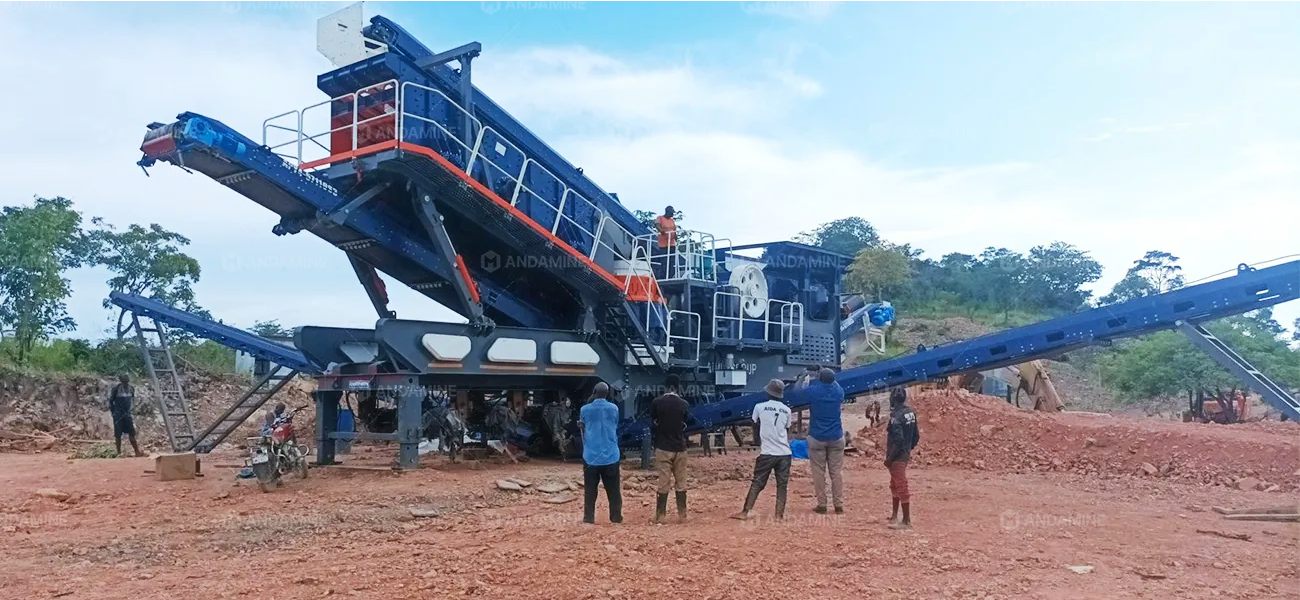
Effective wear part management is essential for maintaining consistent output quality and preventing costly production interruptions. Because crusher machines operate under continuous impact and abrasion, monitoring wear patterns helps plant teams optimize performance and extend component life.
Track Performance Indicators, Not Just Physical Wear
Monitor changes in product gradation, reduced throughput, and increased power draw—early signals that liners, hammers, or screens are losing effectiveness long before visible wear becomes severe.
Use Measurement Tools for Accurate Wear Profiling
Apply ultrasonic gauges, thickness measurement devices, or 3D scanning tools to quantify wear levels and predict remaining service life with greater precision.
Establish Replacement Thresholds for Each Component
Set specific wear limits for jaw plates, cone liners, blow bars, and screen meshes based on equipment design and production targets to prevent unexpected failures.
Adopt a Predictive Replacement Schedule
Sync wear part changes with planned shutdowns and production cycles, reducing downtime while ensuring the plant always operates with optimum crushing efficiency.
Optimize Spare Parts Inventory Management
Maintain strategic stock levels of essential wear parts and track consumption rates to avoid emergency procurement delays, especially during peak production seasons.
Troubleshooting Common Problems
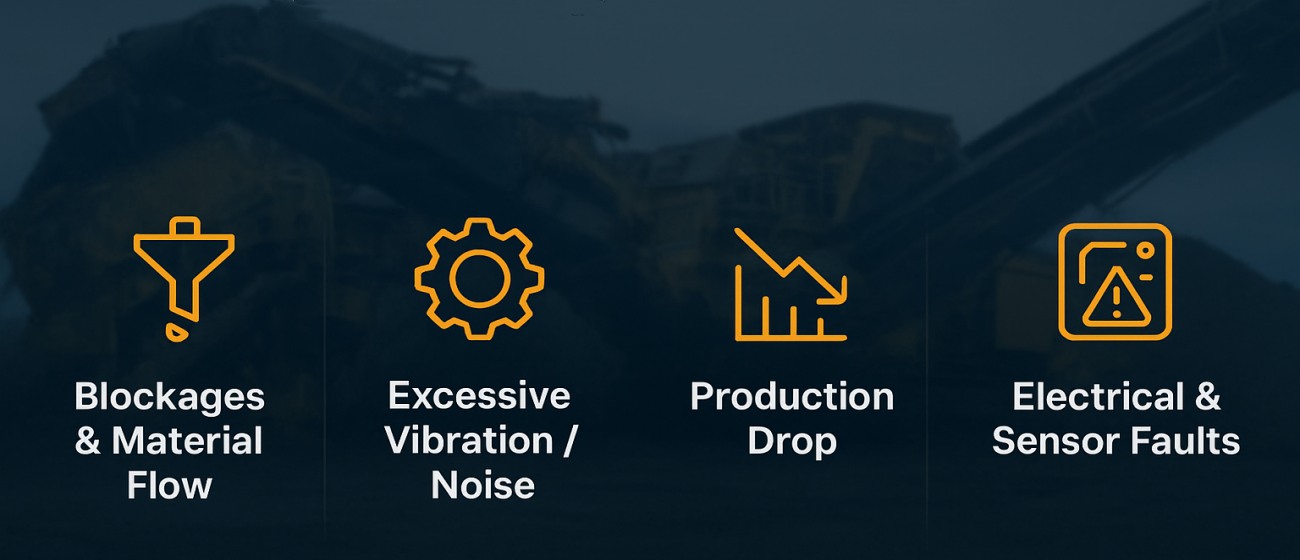
Even with consistent maintenance, a stone crusher plant may still encounter operational issues that disrupt production or reduce efficiency. The ability to diagnose faults quickly and apply targeted solutions helps plant owners or companies minimize downtime and keep the plant running smoothly.
Blockages and Material Flow Issues
Material blockages are among the most common disruptions and typically occur when oversized rocks, sticky aggregates, or irregular feeding prevent smooth movement through the crusher or conveyor system. Blockages can overload equipment, reduce throughput, and create safety hazards.
Solutions:
- Stop the machine immediately to prevent mechanical damage.
- Remove obstruction safely and inspect the hopper, feeder, and chute for structural or feeding irregularities.
- Adjust feeder speed, screen aperture, or pre-screening settings to ensure uniform material flow.
- Monitor rock size and moisture content to maintain consistent feed quality and prevent recurring buildup.
Excessive Vibration or Noise
Unusual vibration or noise often indicates mechanical imbalance or component deterioration. If left unaddressed, these symptoms can lead to premature wear or sudden equipment failure.
Solutions:
- Tighten loose bolts and secure mounting points across crushers, screens, and conveyors.
- Replace worn bearings, rollers, or damaged mechanical components as needed.
- Re-align shafts, pulleys, and conveyor systems to correct movement irregularities.
- Install or check vibration monitoring devices to detect early signs of imbalance.
Production Drop
A noticeable decline in output often signals hidden issues such as wear part deterioration, inefficient screening, or unstable feeding patterns.
Solutions:
- Inspect jaw plates, cone liners, hammers, and screen meshes; replace parts showing excessive wear.
- Clean and adjust vibrating screens to restore proper separation efficiency.
- Ensure steady feed rate and consistent material distribution to avoid overload or underfeeding.
- Keep detailed logs of hourly production and machine performance to spot patterns and diagnose root causes.
Electrical or Sensor Malfunctions
Electrical interruptions and sensor errors can stop production instantly and may compromise operational safety.
Solutions:
- Inspect wiring, cable insulation, and terminal connections for looseness, corrosion, or overheating.
- Test and recalibrate sensors, ensuring accurate readings for flow, vibration, temperature, and load.
- Reset the PLC system or install recommended firmware updates to resolve communication or logic errors.
- Conduct regular electrical diagnostics to detect abnormalities before they expand into major failures.
A structured troubleshooting process enables operators to restore performance quickly, reduce repair expenses, protect equipment from escalating damage, and maintain reliable, safe, and efficient crushing and screening plant operation.
Safety and Operational Best Practices
Routine Inspections and Preventive MaintenanceRegularly check key components such as the crusher, conveyors, hydraulic systems, and electrical controls. Timely lubrication, tightening bolts, and cleaning help prevent unexpected breakdowns and extend equipment life.
Emergency Preparedness and Operational DisciplineEstablishing clear emergency procedures, first-aid readiness, and hazard communication ensures rapid response during incidents. Maintaining operational discipline—promptly reporting abnormalities and following maintenance routines—protects workers, prevents equipment damage, and sustains smooth production.
Importance of Operator Training and Safety ProtocolsWell-trained operators reduce the risk of equipment damage and accidents. Ensure all personnel understand safety guidelines, proper equipment handling, and emergency procedures to maintain a safe and productive working environment.
Maximizing Efficiency Through Maintenance and Upgrades
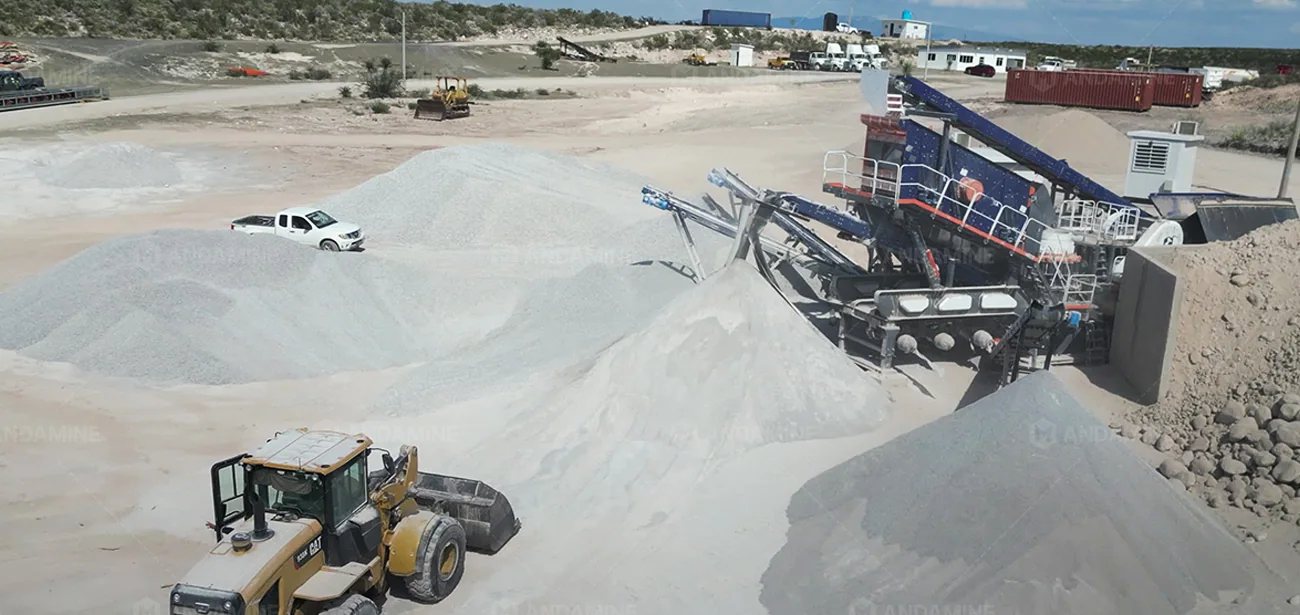
Proper crusher plant maintenance is key to keeping operations safe, reliable, and efficient. Regular upkeep, timely inspection of wear parts, and adherence to operational protocols help prevent downtime, extend equipment life, and ensure consistent production quality across all crushing processes.
Partnering with a trusted supplier offers access to high-quality equipment, expert guidance, and modernization solutions. Strategic upgrades, smart automation, and energy-efficient technologies combined with preventive maintenance maximize productivity, minimize costs, and secure long-term success. Contact us today to learn how we can support your stone crushing business.