
When we speed along smooth, stable motorways, we seldom consider that the durability and safety of the road beneath our wheels hinges so profoundly on the very shape of each aggregate particle. In the road construction industry, particularly for high-standard motorway projects, the exacting demands on aggregate particle shape transcend standard specifications, becoming an ironclad rule that must be adhered to.
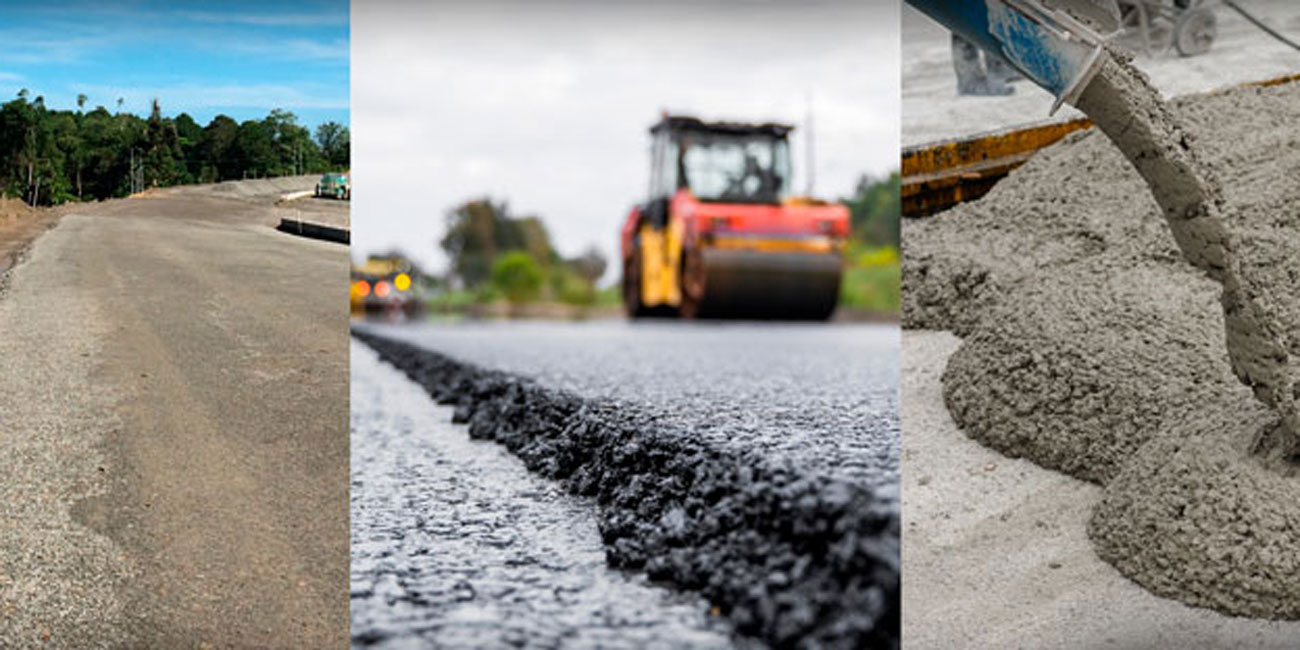
This is by no means nitpicking, but rather the crystallisation of wisdom distilled from countless engineering experiences and scientific principles. Behind it lies immense economic benefits and profound social value.
What Constitutes the ‘Ideal’ Aggregate Particle Shape?
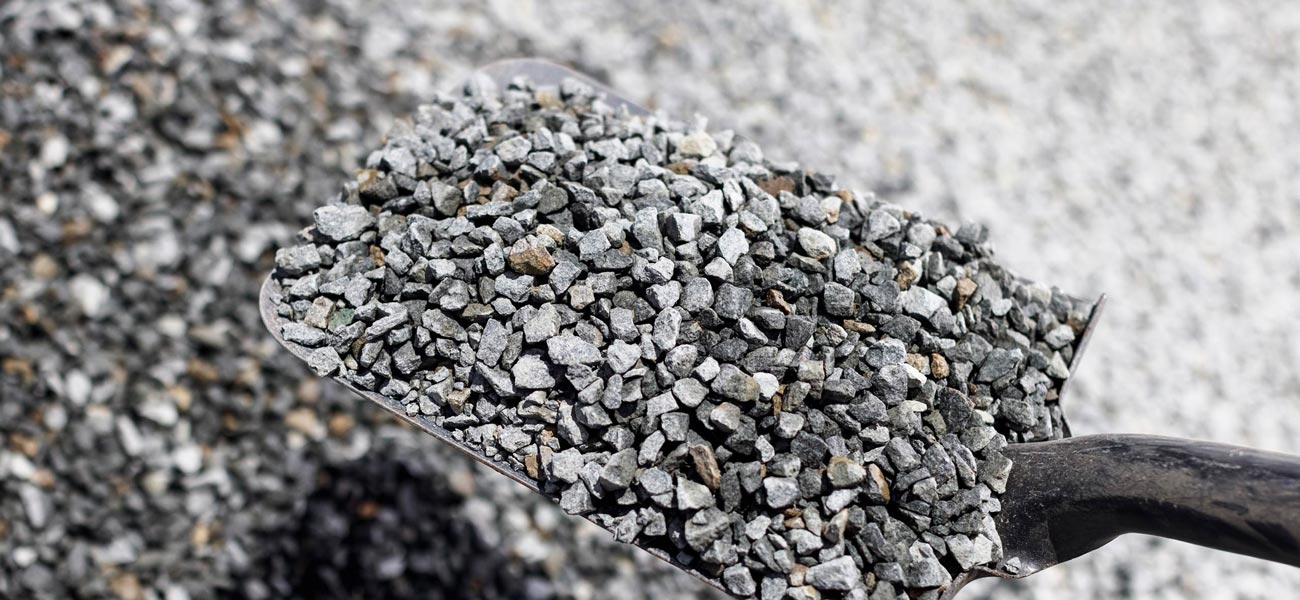
From an engineering perspective, the ideal aggregate particle shape for road construction should be as close to cubic as possible, with sharp edges and a rough surface. This “golden particle” possesses the following three-dimensional characteristics:
- Balanced three-dimensional dimensions: Length, width, and height are comparable, with no excessive development in any single dimension.
- Prominent angularity: The particle outline is distinct, featuring multiple clear edges.
- Rough texture: Surface exhibits microscopic irregularities.
Conversely, undesirable particle shapes actively avoided in engineering fall into two primary categories:
- Needle-like and flake-like particles: Refers to elongated or flattened particles where length significantly exceeds thickness (industry typically defines this as an aspect ratio exceeding 3:1).
- Rounded particles: Pebbles formed by prolonged natural river erosion, exhibiting smooth surfaces with virtually no edges, resulting in extremely poor adhesion to binding materials.
Highways, serving as vital arteries carrying the nation’s economic lifeline, exhibit an almost obsessive demand for specific aggregate particle shapes. This stems from 4 progressively deeper underlying reasons:
4 Core Dimensions Underlying Stringent Requirements
The Physical Foundation of Skeletal Structure and Ultimate Load-Bearing Capacity
- The asphalt concrete pavement of motorways is not a simple mixture, but a meticulously engineered skeletal structure of dense interlocking aggregates. Cubic-shaped aggregates interlock, intermesh and support one another in three-dimensional space like building blocks, forming a high-strength, highly stable primary load-bearing skeleton. This skeleton bears over 70% of the wheel loads.
- Needle-like and flake-shaped particles not only possess low inherent strength and are prone to fracture under pressure, but more critically, during paving and compaction they align directionally like playing cards. This prevents the formation of effective three-dimensional interlocking, leaving substantial voids and weak zones within the aggregate framework that resist compaction. Under repeated impact from heavy-duty vehicles, this flawed structure yields prematurely, leading to permanent deformations such as rutting, pushing, and settlement, significantly diminishing the pavement’s service life.
Key Determinants of Long-Term Durability and Fatigue Resistance
During their design lifespan (typically 15–20 years), motorway pavements endure tens of millions, or even hundreds of millions, of wheel loads. This constitutes a classic fatigue damage process.
- Needle-shaped particles, due to their irregular morphology, exhibit extremely uneven internal stress distribution. Under repeated loading, stresses concentrate at their sharp ends and weak cross-sections. Each loading cycle accumulates micro-damage, akin to repeatedly bending a wire until it ultimately fractures internally. The continuous propagation and interconnection of these microcracks form the root cause of structural fatigue cracking in pavement structures.
- Cubic aggregates, however, distribute stress uniformly. Functioning like robust “micro load-bearing piers”, they effectively disperse and transmit loads, significantly delaying the formation and propagation of microcracks. This markedly enhances the pavement’s fatigue resistance, ensuring it remains structurally sound throughout its design life.
The Lifeline of Interface Bonding and Environmental Resistance
Pavement deterioration frequently originates at the ‘interface’. The bond strength between aggregate and bitumen (binder) constitutes the primary defence against water damage and load stripping.
- The rough surfaces and sharp edges of cubical aggregates provide asphalt with an extensive physical adsorption area and robust mechanical interlocking force. This enables the asphalt film to firmly envelop the aggregate surface, resisting delamination.
- Conversely, needle-shaped particles possess relatively smooth surfaces with weak adhesion, while rounded pebbles offer virtually no grip for asphalt. During summer heat, asphalt viscosity decreases, impairing its enveloping capacity. In rainy seasons, immense hydrostatic pressure from vehicle wheels acts like wedges, penetrating the asphalt-aggregate interface and forcibly stripping poorly adhered asphalt films. This process, termed “spalling,” leads to aggregate loosening and particle loss, rapidly progressing into potholes that pose a lethal threat to high-speed driving safety.
Cost-Optimised Economic Strategy
From a project lifecycle perspective, investing in aggregate particle shape represents a strategic decision where ‘small investments yield significant savings’.
- Optimising Construction Phase Costs: High-quality cubical aggregates form a denser skeletal structure. This means achieving the required compaction and density necessitates less asphalt binder and fine aggregate to fill voids. This directly reduces material costs per kilometre of pavement.
- Substantially Reduced Operational and Maintenance Costs: A motorway suffering premature deterioration due to substandard aggregate quality incurs astronomical repair and maintenance expenses. Frequent road closures for milling and resurfacing not only impose substantial economic burdens but also cause severe traffic disruptions, resulting in immeasurable social time costs and economic losses. Every stringent requirement imposed on aggregate gradation during the initial phase serves as a form of “high-value insurance” against substantial future maintenance expenses and societal losses.
How to Consistently Produce Aggregates Meeting Specifications?
Recognising the importance is merely the first step; the true test for modern aggregate producers lies in consistently and efficiently manufacturing high-quality aggregates that meet motorway standards.
Selection of Core Equipment: From ‘Crushing’ to ‘Shaping’
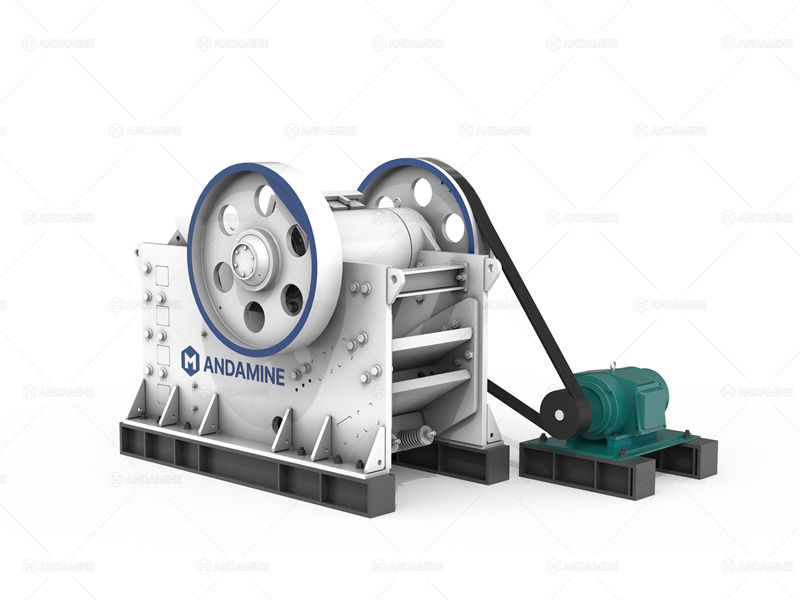
Traditional single-stage jaw crushers achieve high throughput in primary crushing, yet produce aggregates with elevated levels of elongated and flaky particles. To obtain a high proportion of cubical aggregates, equipment employing the core principle of “laminar crushing” is essential.
Traditional single-stage crushers
Traditional single-stage jaw crushers achieve high throughput in primary crushing, yet produce aggregates with elevated levels of elongated and flaky particles. To obtain a high proportion of cubical aggregates, equipment employing the core principle of “laminar crushing” is essential.
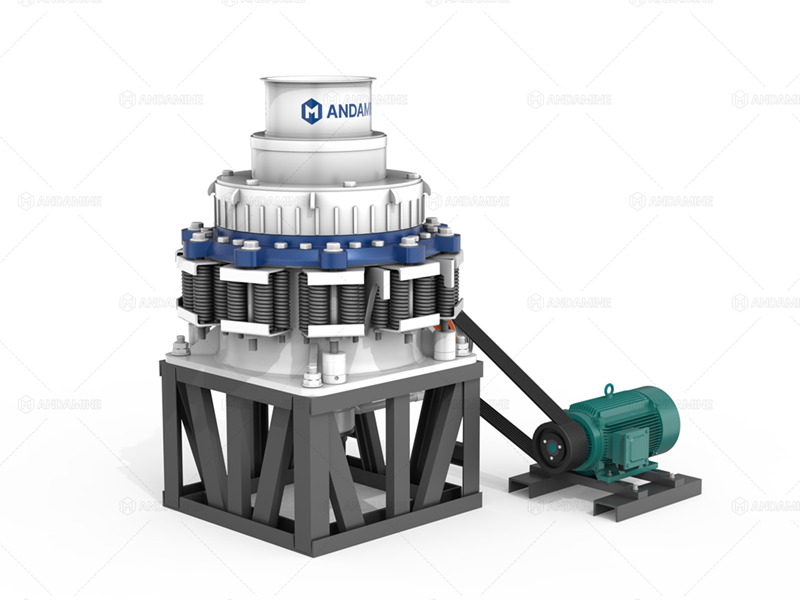
Cone Crusher
The cornerstone of medium and fine crushing. By subjecting particles to multi-stage compression and grinding within the crushing chamber, cone crushers significantly optimise particle shape while drastically reducing elongated and flaky content. They are indispensable core equipment for producing premium asphalt surface course aggregates.
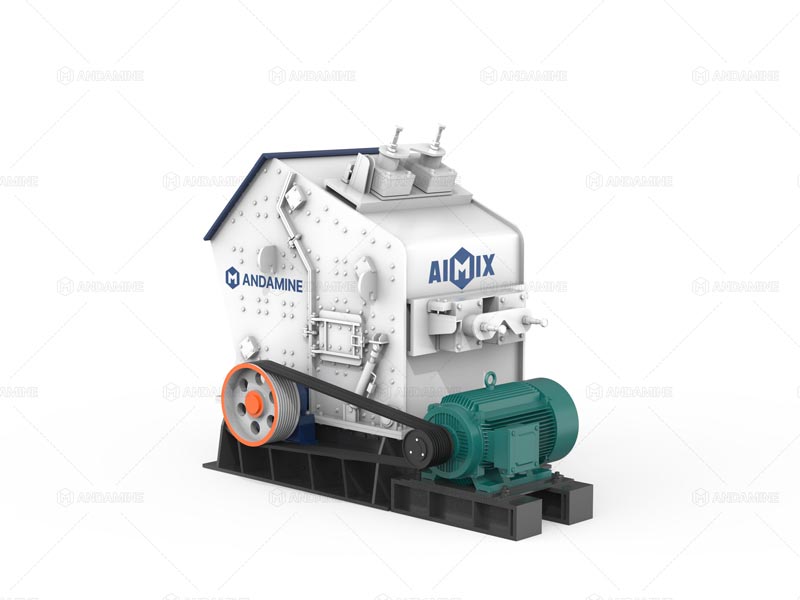
Impact Crusher (Vertical Shaft Impact Crusher)
The ‘power tool’ for optimised particle shape. Its ‘stone-on-stone’ or ‘stone-on-iron’ operating principle effectively shapes cubic particles, producing aggregates with pronounced angularity and rich surface texture. It is particularly suited for applications demanding exceptional aggregate particle shape and surface characteristics.
Scientific Crushing Process Scheme Design
A single piece of equipment cannot resolve all issues. An optimised crushing and screening process is essential for consistently producing high-quality aggregates.
Multi-stage crushing configuration:A typical combination of “jaw crusher (primary crushing) + cone crusher (secondary crushing) + cone crusher/vertical shaft impact crusher (tertiary crushing)” progressively refines particle shape.
Closed-circuit operation:Returning oversized particles from screening back to the crusher for reprocessing creates a closed-loop system, effectively controlling the final product’s particle size distribution.
Pre-screening and soil removal:Removing soil and impurities before feed enters the crusher protects equipment and prevents soft materials from compromising the final product’s strength and cleanliness.
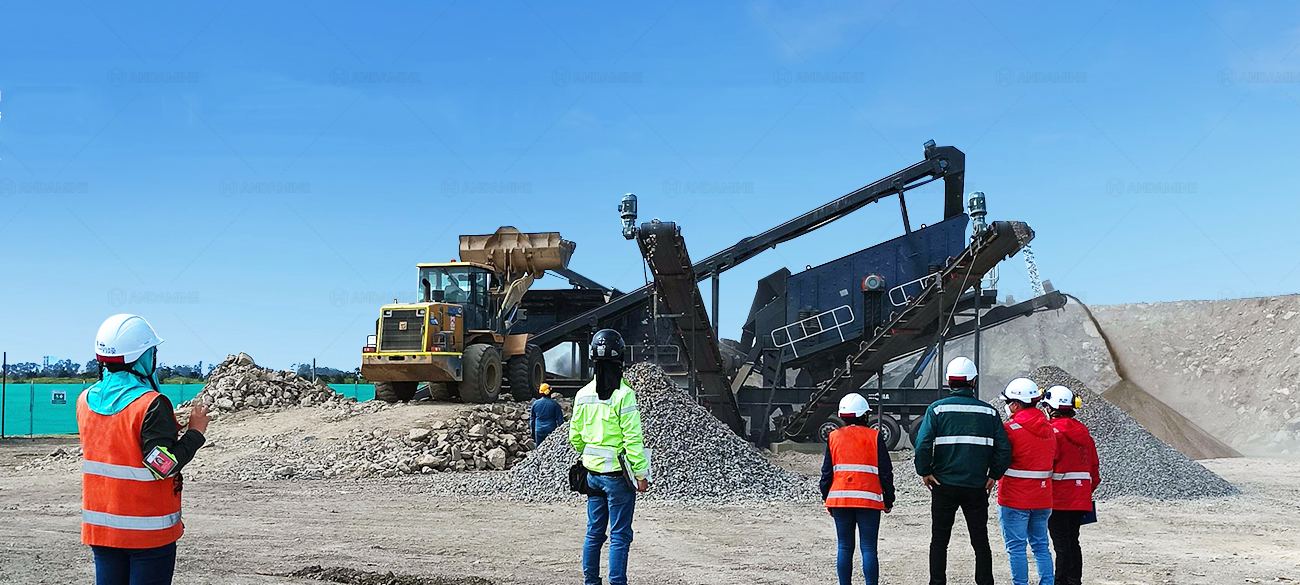
The stringent requirements for aggregate particle shape in motorway construction represent an inevitable outcome of modern road engineering development, embodying the four core values of safety, durability, economy, and environmental sustainability within materials science. For forward-thinking aggregate producers, investing in advanced crushing equipment and processes is no longer merely an expense but a crucial strategic upgrade. This signifies your capacity to distinguish yourselves from the fiercely competitive ordinary building materials market, enabling entry into the higher-margin, broader-prospects supply chain for premium infrastructure materials.
Choosing Andamine means acquiring not merely individual crushing equipment, but a comprehensive solution spanning process design to equipment selection. This empowers you to achieve stable production of high-quality aggregates and secure a foothold in the premium market.