
Why the “Rules of the Game” Determine Your Margins
A shipment rejected at port because it fails to meet a single line item in a foreign technical standard. It is a costly and frustrating scenario, yet it plays out more often than you might think. In the global aggregates trade, technical specifications are not merely bureaucratic hurdles; they are the language of trust between you and your client. They dictate everything from material sourcing and processing costs to, ultimately, your profitability. To understand how these “rules” shape the global marketplace, we must first decode the world’s most influential standard systems.
Decoding Global Standards Systems – Your Passport to Major Markets
Before you ship a single ton of aggregate, you need to understand the technical language your client speaks. The world’s major markets operate on different foundational standards, and confusing ASTM with EN can be the difference between a sealed deal and a sealed container stuck in customs. Let’s unpack the two dominant global systems, then explore the critical regional specifications you cannot afford to ignore.
The International Heavyweights: ASTM vs. EN – Understanding the Core Logic
If you are exporting anywhere, you will encounter either the American or European system. They represent two different philosophies of specification, and knowing the distinction is your first competitive advantage.

Regional Gateways: The Keys to Localized Survival
Beyond the global giants, specific regional standards act as the non-negotiable gatekeepers for their respective markets. Ignoring them is not an option if you want to compete locally.

So, whether you are targeting the grading curves of ASTM C33, the particle shape demands of EN 13043, the MB value thresholds of GB/T 14684, or the rigorous quality system behind the G-mark, the principle is the same: your product must be engineered for its destination. But what happens when your client is not just following a national standard, but building a structure that defines a nation? This is where the game changes entirely, moving from compliance to precision engineering.
Mega-Project Specifications – Demonstrating Your “High-Precision” Capability
National standards establish the baseline for quality and safety—the foundation upon which all construction is built. But when a project carries a 100-year design life, withstands extreme environmental forces, or houses a nuclear reactor, the specifications extend far beyond these baselines. High-speed rail networks, hydroelectric dams, and sea-crossing bridges operate under additional layers of technical requirements tailored to their unique performance demands. Understanding these “beyond-code” specifications positions you not just as a supplier, but as a true engineering partner capable of delivering materials for the world’s most ambitious structures.
High-Speed Rail: The “Millimeter-Level” Precision Demands
A train traveling at 350 kilometers per hour does not tolerate inconsistency. The concrete that carries it must be flawless, and the aggregates within that concrete must be engineered to tolerances that far exceed ordinary construction requirements. For projects like the Beijing-Shanghai High-Speed Railway, the specifications reflect this reality.
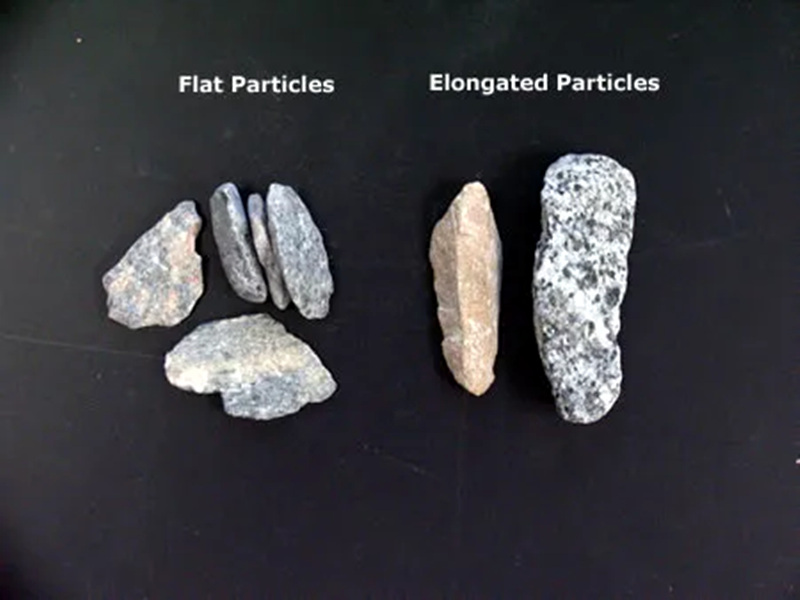
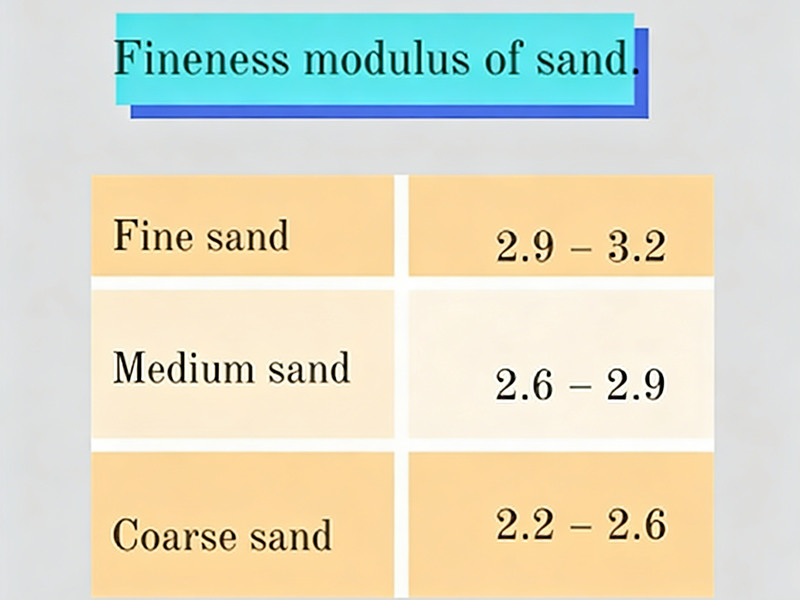
Particle Shape
Gradation Control
Cleanliness Requirements
Hydroelectric Dams: The “Century-Scale” Chemical Stability
If high-speed rail is about precision, dam construction is about patience—and paranoia. A dam is designed to hold back water for generations, and the greatest long-term threat is not structural overload, but a silent chemical reaction occurring inside the concrete itself.
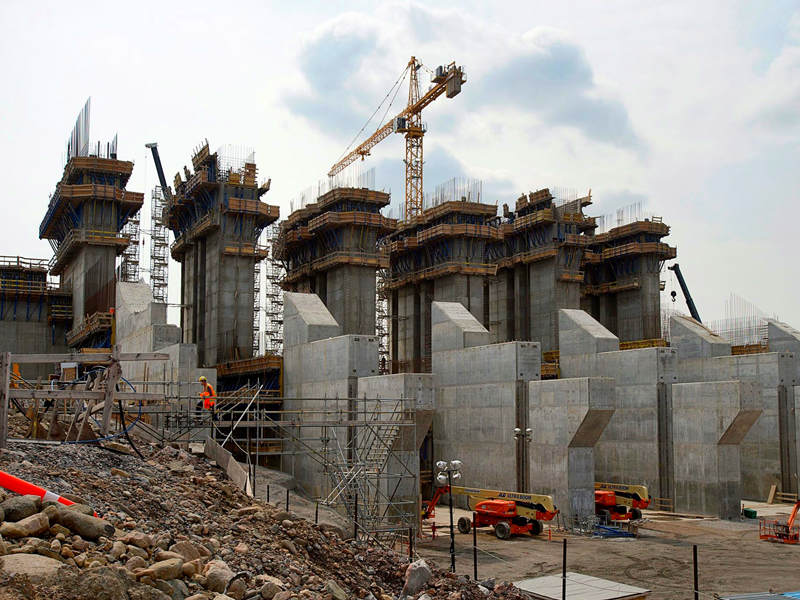
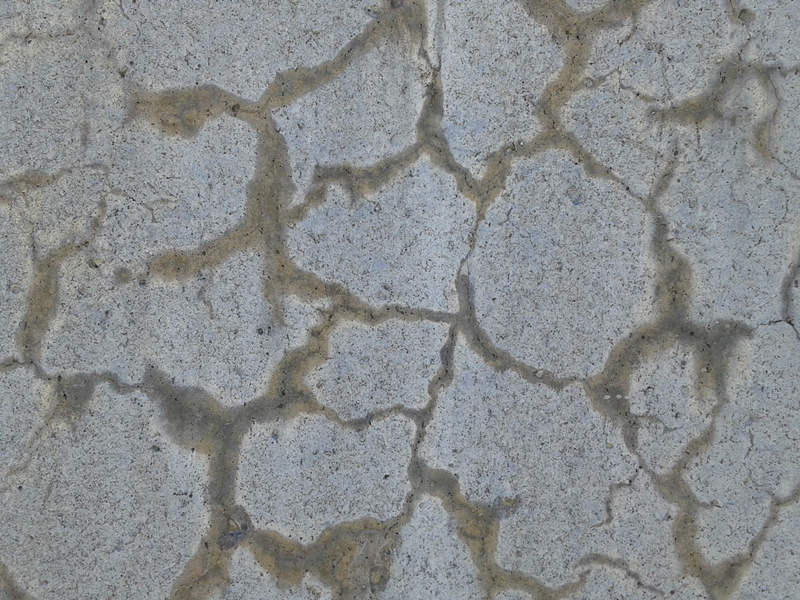
Alkali-aggregate reaction (AAR) , specifically alkali-silica reaction (ASR), is the hidden enemy. When reactive forms of silica in your aggregate come into contact with alkalis from cement, they form a gel that absorbs water and expands, slowly cracking the concrete from within. For hydroelectric projects, this is existential. The RILEM (International Union of Laboratories and Experts in Construction Materials, Systems and Structures) Technical Committee 219-ACS has developed comprehensive recommendations specifically addressing this risk.
Recognizing the unique demands of water-retaining structures, RILEM has produced a Preliminary International Specification for dams and other hydro structures (AAR-7.3). This specification goes beyond the general recommendations for concrete (AAR-7.1 and 7.2) by providing guidance on how aggregate assessment must be combined with other design measures to minimize the risk of alkali-aggregate reaction damage in hydraulic structures. This means your material must not only pass reactivity testing but also be compatible with the specific binder systems and exposure conditions unique to each dam project.
Nuclear Power Plants & Sea-Crossing Bridges: Extreme “Safety Redundancy”
When failure is not an option, specifications become layered with redundancy. Nuclear power plants and major sea-crossing bridges represent the absolute pinnacle of material requirements, each with distinct technical priorities.
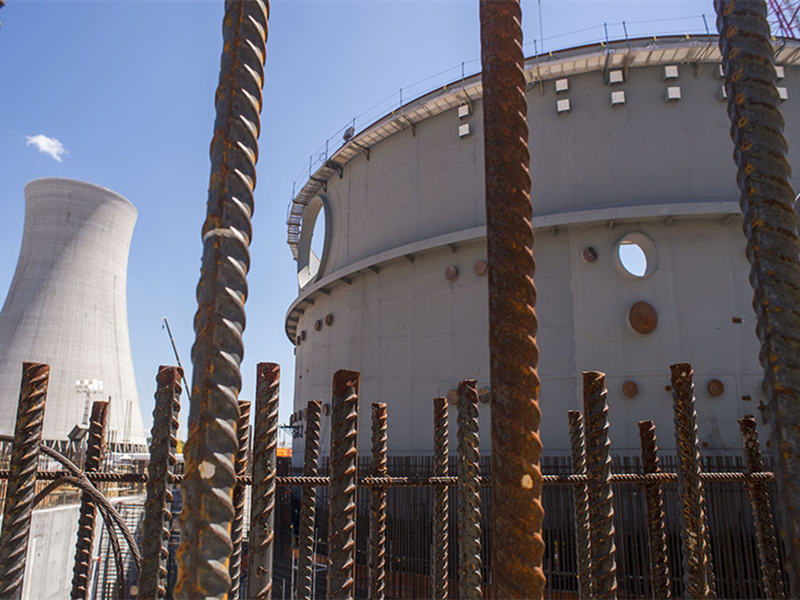
For nuclear projects, the scrutiny begins at the atomic level. Structural concrete used as biological shielding in nuclear power plants becomes radioactive after exposure to neutron radiation. Research has identified that three radionuclides—cobalt-60 (Co-60), europium-152 (Eu-152), and europium-154 (Eu-154)—account for up to 99% of total residual radioactivity in decommissioned concrete. The IAEA document RS-G-1.7 establishes clearance levels for these radionuclides at 0.1 Becquerel per gram. This means your aggregate source must be tested for trace amounts of cobalt and europium at parts-per-billion levels, using advanced techniques like neutron activation analysis. Recent Korean studies have derived similar clearance levels, with uranium concentrations as low as 0.0297 Bq/g being evaluated for regulatory compliance.
The procurement process reflects this intensity. Major nuclear projects mandate aggregates destined for nuclear island structures to carry the highest quality assurance ratings, with full traceability requirements spanning decades.
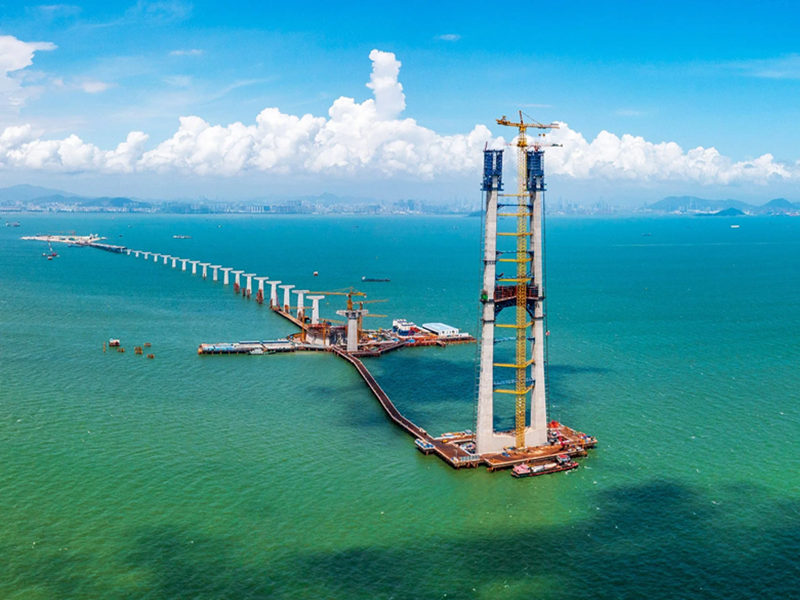
For sea-crossing bridges, the enemy is salt and time. Projects like Hong Kong-Zhuhai-Macao Bridge, designed for 120 years of service life, face relentless attack from seawater, sea fog, salt spray, tidal cycles, and wet-dry cycling. Research institutions have developed specialized technical solutions specifically for these conditions.
The technical approach is comprehensive. Engineers have established a dual-control design method for both strength and durability, achieving 95% assurance levels for concrete durability indicators. They’ve pioneered a new philosophy for cementitious material systems in marine environments, emphasizing aluminosilicate phases that improve pore structure and bind chlorides.
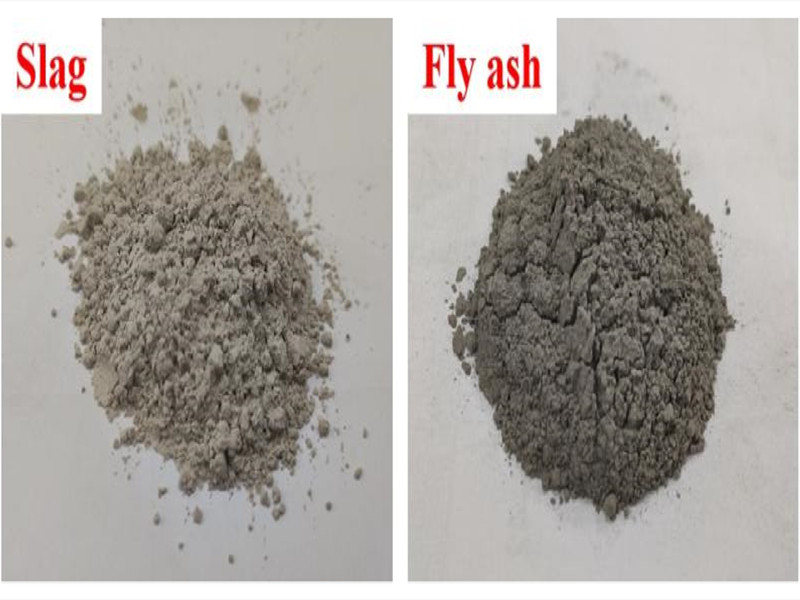
For large-scale prefabricated components like the pier structures of Xiamen Xiang’an Bridge, additional control measures apply. Concrete mix designs must balance resistance to chloride ion penetration with crack resistance, using low-heat Portland cement, moderate water-to-binder ratios, and high volumes of supplementary cementitious materials like fly ash and slag. Temperature control during curing becomes critical, as the heat of hydration in mass concrete can induce thermal cracking before the structure ever meets seawater.
The gap between a standard-compliant aggregate and one suitable for a nuclear reactor or a 120-year sea bridge is measured not in test results alone, but in understanding what those results mean for the structure’s lifespan. This brings us to the critical question: how does your existing operation—your crushers, screens, and classifiers—measure up against these escalating demands? And more importantly, how can you adapt?
From Specifications to Equipment – How Your Crushing Plant Meets the Challenge
Understanding the specifications is essential. But the real question is operational: can your equipment consistently deliver materials that meet these diverse and demanding requirements? The gap between a standard-compliant product and one ready for a nuclear island or a 120-year sea bridge is bridged not by intent, but by process design. Here is how the technical demands we have explored translate directly into equipment decisions, and what a truly capable operation looks like.
How Specification Differences Dictate Equipment Selection
Every standard we have discussed places unique demands on your production line. The equipment you choose must be capable of delivering specific outcomes, consistently.
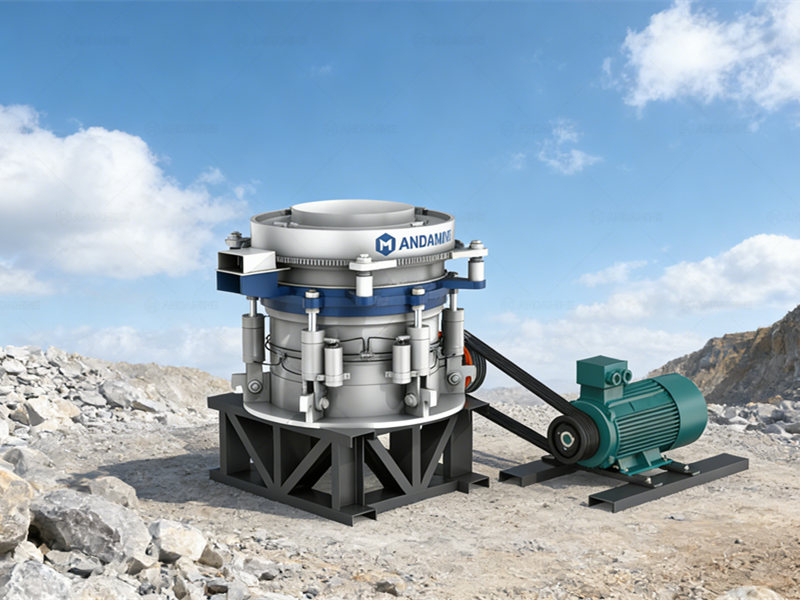
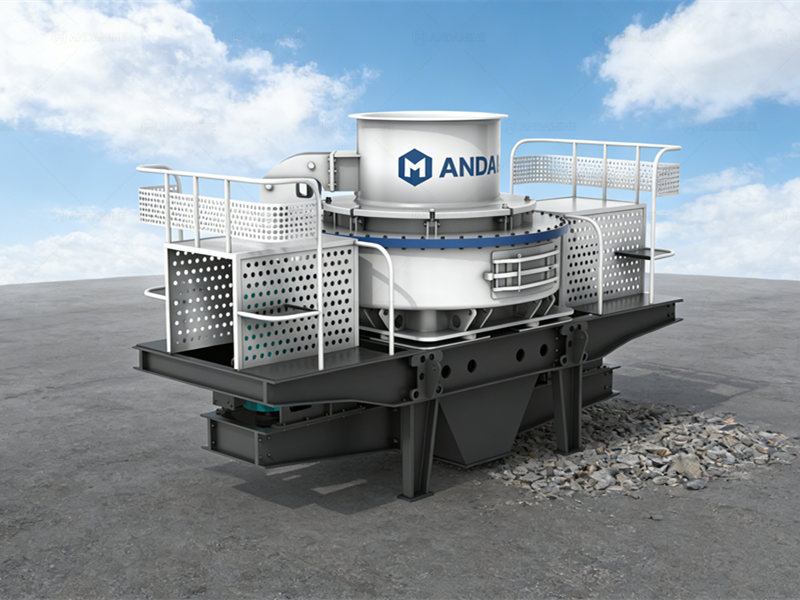
- Particle Shape Control: When a specification demands flakiness below 10%—as high-speed rail projects do—your crushing circuit must prioritize cubical production. This typically requires a combination of cone crushers for primary reduction followed by vertical shaft impactors for shaping. Ordinary hammer crushers or jaw crushers alone will produce elongated flakes that fail these stringent requirements.
- Gradation Precision: ASTM C33 and EN 12620 both specify tight grading envelopes. Achieving these consistently demands high-efficiency screening systems with accurate cut points and the ability to blend multiple size fractions. Your screen media selection, screen angle, and feed distribution all become critical variables.
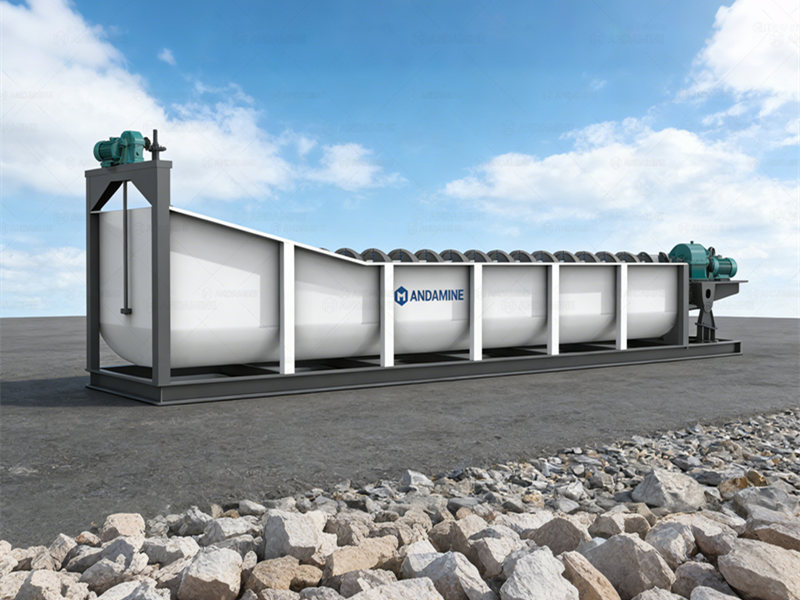
- Fines Control and Cleanliness: The MB value requirements of GB/T 14684 for Class I sand, or the clay limits of high-speed rail specifications, demand effective fines removal. This means integrating wet processing systems—log washers, hydrocyclones, or fine material screw washers—or advanced dry classification technologies that can separate harmful clays from valuable stone dust. The MB value test itself, performed at 600±60 RPM stirring speed with a 1L glass vessel, is the gatekeeper here.
- Chemical and Radiological Purity: For hydroelectric dams, you need aggregate sources proven non-reactive through accelerated mortar bar tests. For nuclear applications, you require radionuclide analysis capable of detecting cobalt-60 and europium-152 at levels below 0.1 Becquerel per gram. This is not equipment selection; it is quarry selection and ongoing material characterization.
Your Crushing Plant’s “Compliance Solution”
So what does a crushing operation capable of meeting this full spectrum of global standards look like? It is not about any single crusher machine, but an integrated approach to process design.
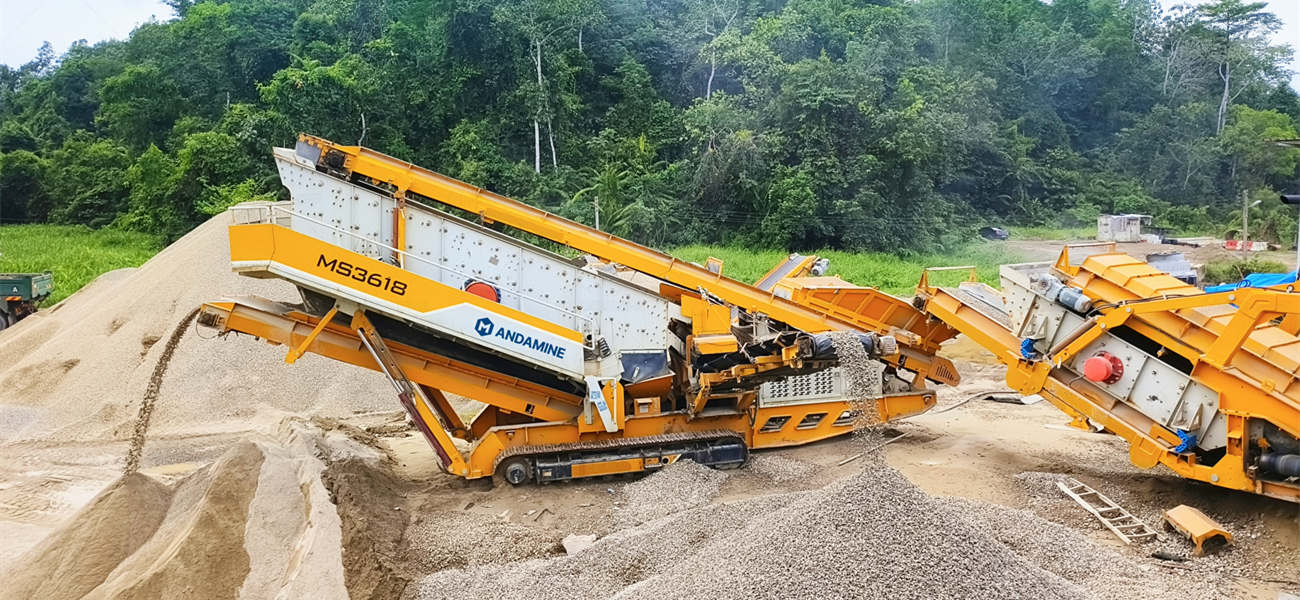
A truly capable plant integrates several essential functions into a seamless workflow:
- Crushing and Shaping: The core process must produce particles that are not just crushed, but engineered for shape. This means configuring your crushing stages to maximize cubical product while minimizing flaky and elongated particles.
- Size Optimization and Gradation Control: Screening must be precise and flexible. The ability to adjust gradation in response to changing project requirements—tightening a specification for a high-speed rail contract one month, then adjusting for a general concrete project the next—requires screening systems with quick-change media and accurate cut points.
- Stone Powder Control: For manufactured sand, controlling the fines fraction is critical. Whether your target is a low MB value for Chinese Class I sand or meeting the fines limits of ASTM C33, your plant must include effective classification—wet or dry—that can remove excess fines while retaining the beneficial stone dust needed for concrete workability.
- Intelligent Process Control: Meeting these specifications consistently requires more than good equipment; it requires control. Modern plants integrate automation that monitors key parameters—power draw, screen efficiency, material flow—and adjusts settings to maintain product quality even as feed conditions vary.
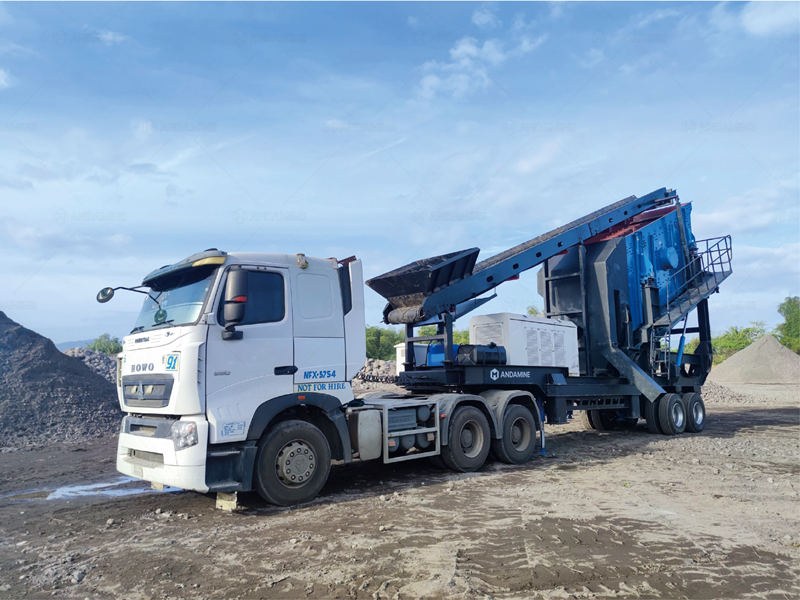
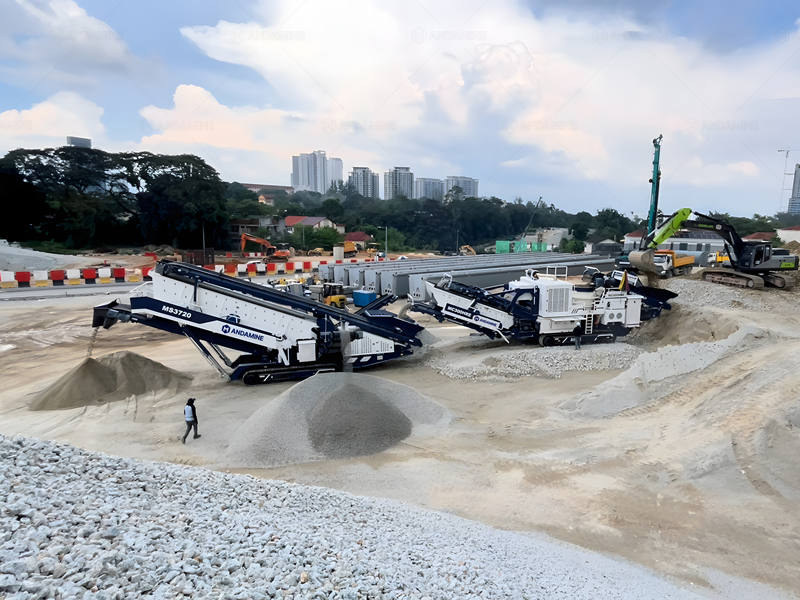
The equipment itself must be engineered for compatibility and reliable operation. When raw materials are processed through a well-designed system—from primary crushing through shaping, screening, and fines control—the final product emerges with the rounded shape, consistent gradation, and appropriate powder content that global standards demand. Systems that integrate these functions into a compact, efficient layout reduce material handling, minimize dust, and improve overall product quality.
From Compliance to Competitive Advantage
Navigating the world’s aggregate specifications can feel overwhelming. ASTM C33 for North America, EN 12620 for Europe, GB/T 14684 for China, IS 383 for India, the G-mark for the Gulf, and the bespoke requirements of nuclear and infrastructure megaprojects—each represents a potential barrier to entry or, if understood correctly, a pathway to premium markets. The distinction between a commodity supplier and a valued engineering partner lies in this understanding. It is not enough to know that a standard exists. You must understand what it measures, why it matters, and how your production process can deliver it consistently.
For every specification we have discussed—whether the MB value thresholds of GB/T 14684, the particle shape demands of EN 13043, the alkali reactivity requirements of dam specifications, or the radionuclide limits of nuclear concrete—the underlying principle is the same: your product must be engineered for its destination. The question, then, is not whether your operation can meet one standard today. It is whether your plant design, quality systems, and technical knowledge position you to meet the next standard, and the one after that, as your market expands.
What markets are you targeting? Whether your next project is across the border or across the ocean, understanding these specifications is your first step. The second is ensuring your production capability aligns with the demand. If you would like to discuss how your specific operation measures up against these global requirements, our team is here to help you navigate the path from compliance to competitive advantage.