
Amid continuous growth in global infrastructure investment and increasingly stringent green building standards, the aggregate and ready-mix concrete industries are undergoing a profound transformation—from simple “resource supply” to “value co-creation.” As upstream raw material suppliers, aggregate producers are evolving from transactional suppliers to strategic partners with downstream concrete plants, sharing technology, integrating resources, and jointly building industry ecosystems. This transformation is not only critical for business survival but also a key strategy for addressing industry overcapacity, environmental pressures, and rising costs.
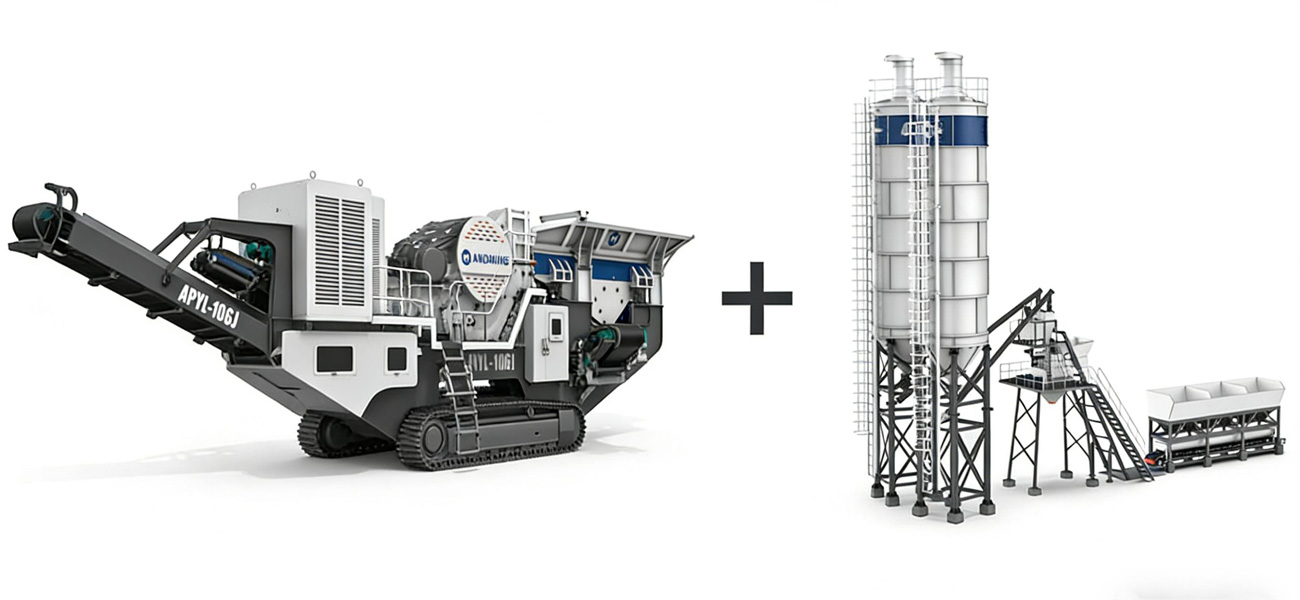
Why Collaboration Matters: A Global Perspective
Understanding the need for collaboration between aggregates and ready-mix concrete requires analyzing the shifts in the global industrial landscape.
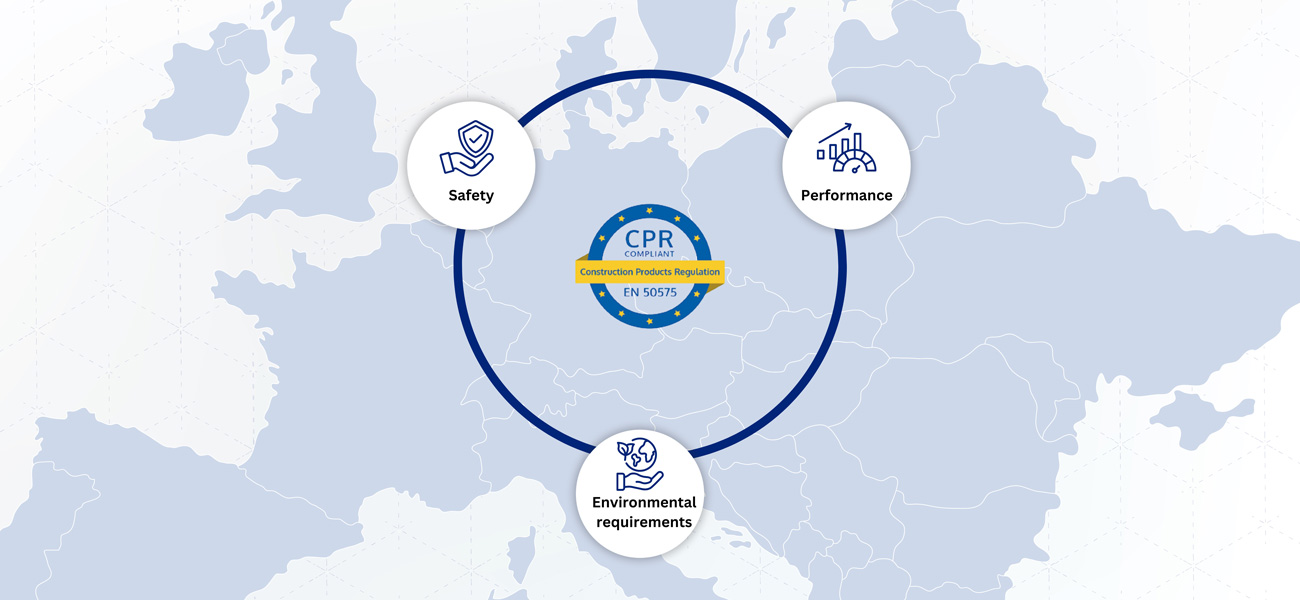
Green and Low-Carbon Initiatives Driving Deeper Integration
Global construction accounts for approximately 39% of total carbon emissions, with aggregates and concrete contributing over 20%. EU regulations, such as the Construction Products Regulation (CPR), mandate a 50% reduction in building material carbon footprint by 2030. This has pushed crusher plants and concrete plants to jointly optimize aggregate grading and concrete mix designs, enabling a 15–20% reduction in concrete carbon emissions on a per-unit basis.
Smart Technologies Breaking Information Silos
The widespread adoption of IoT, digital twins, and AI enables real-time data collection from aggregate production lines—such as particle size distribution and clay content—which can be directly linked to concrete plant ERP systems. This allows dynamic mix optimization, reducing material waste rates from 8% to 3% and accelerating supply chain responsiveness by 40%.
Regional Supply-Demand Mismatches Creating Opportunities
Emerging markets in Southeast Asia and the Middle East often face shortages of high-quality manufactured sand, while mature markets in Europe and North America experience overcapacity. Through localized production and regional supply coordination, both sides can achieve resource and technology complementarities.
In such a market environment, the relationship between aggregate producers and concrete plants is shifting from “ad hoc procurement” to “long-term collaboration.” Rather than renegotiating prices with every market fluctuation, companies can build stable partnerships through capacity synchronization and data sharing.
Redefining the Core Value of Collaboration
When collaboration moves from concept to practice, its value extends far beyond reducing transportation distances—it penetrates quality control and production organization.
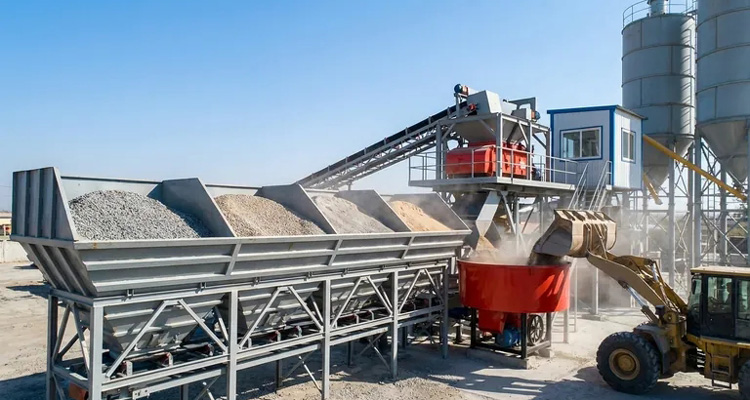
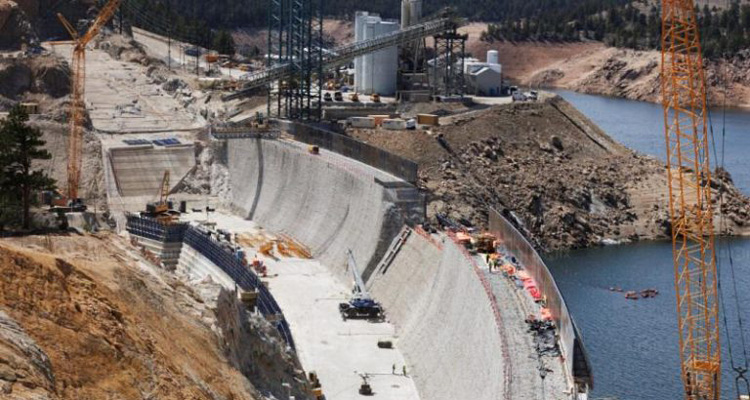
1. From “Logistics Advantage” to “Quality Co-Creation”
The stability of concrete performance heavily depends on aggregate quality. If aggregate production can be customized according to concrete mix designs, it reduces cement usage, improves strength consistency, and enhances workability.
In other words, with a stable collaborative mechanism, aggregates are no longer just standardized raw materials—they become integral to concrete performance design. This approach is particularly important in high-strength concrete and precast construction markets and is increasingly the mainstream method for international projects.
2. From “Independent Production” to “Synchronized Rhythm”
Quality alignment alone is insufficient. True collaboration also requires synchronized production schedules.
Traditionally, aggregate producers organize output based on their own capacities, while concrete plants schedule production based on orders, often resulting in misaligned supply. With intelligent control systems, aggregate production lines can quickly start, stop, and adjust output according to construction schedules.
This flexible production capability transforms the supply chain from a reactive to a proactive system.
3. From “Single-Point Cost Reduction” to “Systematic Efficiency”
As production rhythms align, collaboration generates cost advantages beyond single segments.
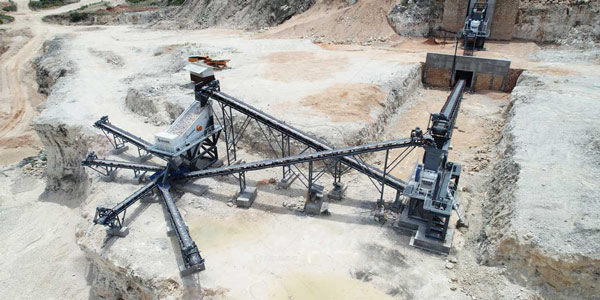
Integrated crushing and screening equipment consolidates feeding, crushing, and screening into a single process, reducing multi-stage transport and redundant handling. This lowers energy consumption, minimizes site footprint, and reduces labor costs, creating a production system highly compatible with synchronized concrete operations.
Thus, the essence of collaboration is an upgrade of production methodology, not merely an adjustment of operational modes.
Digital Technology Driving Collaborative Upgrades
As collaboration deepens, traditional experience-based scheduling is insufficient. Digital technology becomes a critical enabler.
1. Data Integration as the Core of Collaboration
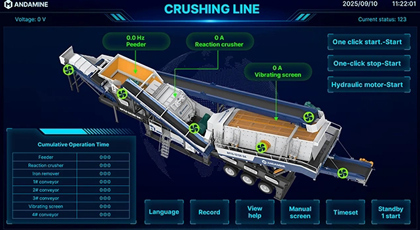
In digitally advanced markets, aggregate and concrete production data are interconnected. IoT-based remote monitoring systems allow real-time sharing of equipment status, output data, and maintenance cycles, enabling more precise production scheduling. Such transparency reduces unplanned downtime and makes the supply chain more predictable.
2. Continuous Production as a Key Metric
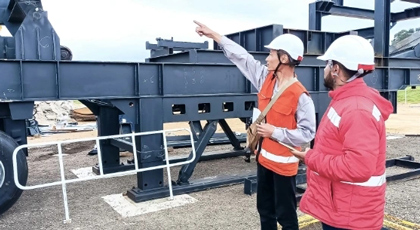
Continuous feed capability is essential in collaborative systems. Intelligent feeding systems adjust output speed according to concrete plant consumption, maintaining aggregates within optimal load ranges and preventing production interruptions due to supply gaps.
3. Mobile Equipment Enabling New Collaboration Scenarios
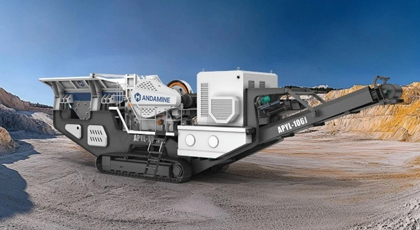
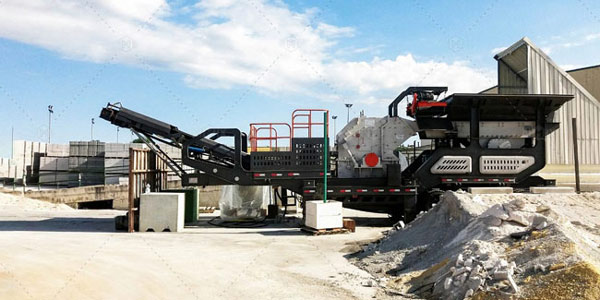
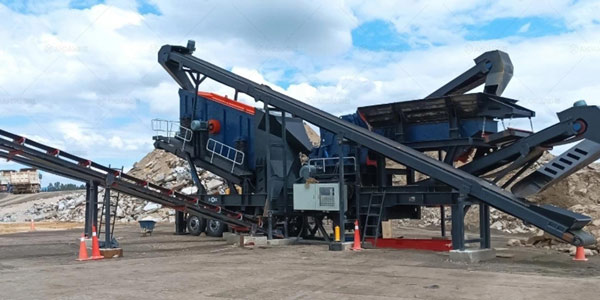
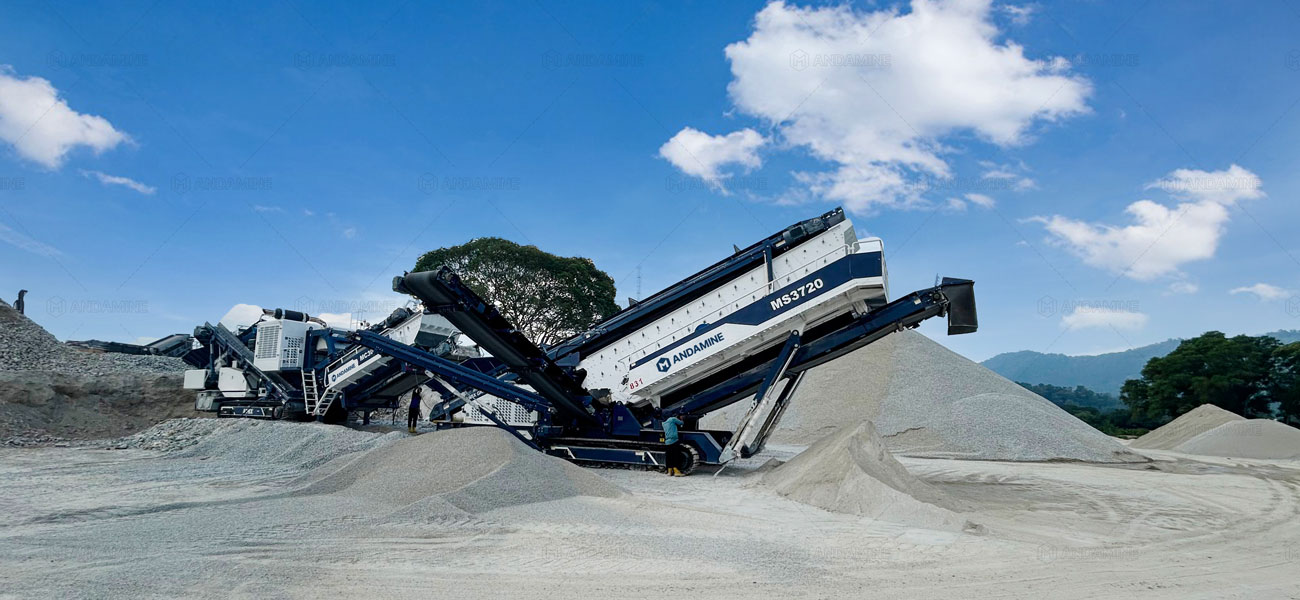
Project-based markets are reshaping the spatial form of collaboration. In Africa, Latin America, and Southeast Asia, Andamine three-axle mobile crushing and screening plant can rapidly relocate with projects, providing on-site aggregate production for temporary concrete plants. This approach significantly reduces transportation costs and increases project execution efficiency.
Digitalization and mobility are jointly redefining how collaboration is implemented in modern supply chains.
Upgrading Collaboration in a Green and Low-Carbon Context
With global carbon reduction targets advancing, the environmental benefits of collaborative production are increasingly evident.
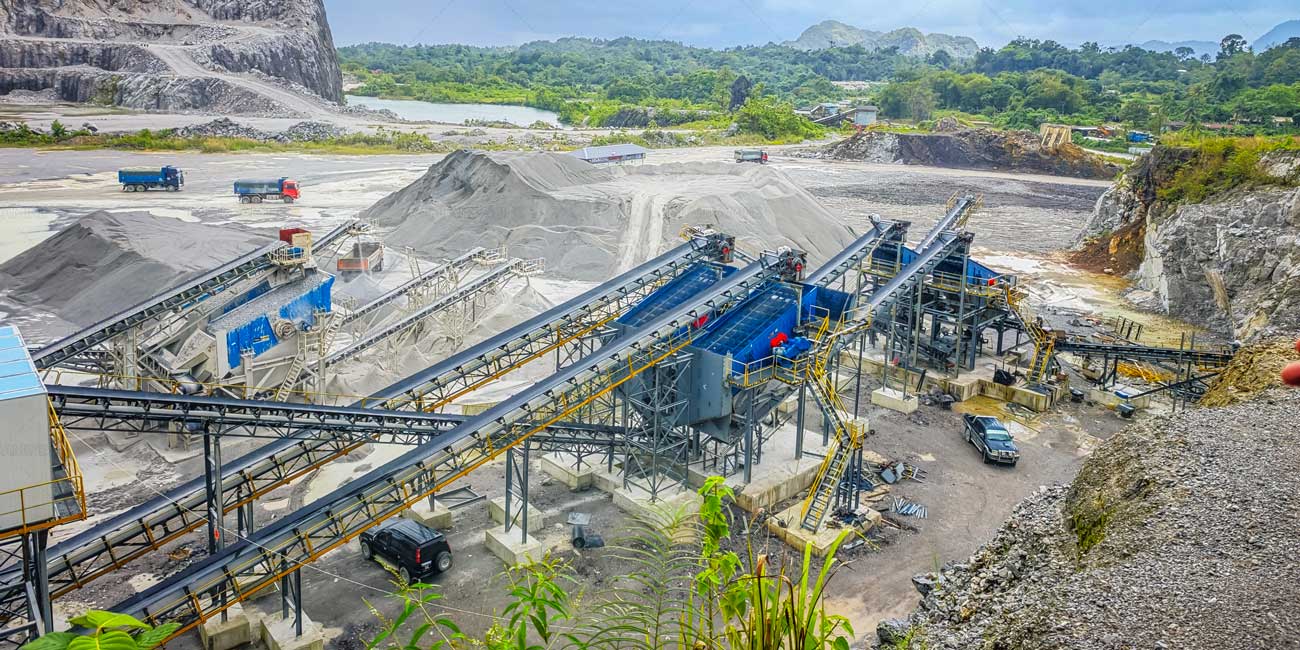
By shortening transportation distances and optimizing material utilization, collaboration directly reduces carbon emissions. Additionally, energy-efficient motors further reduce per-unit energy consumption. Adopting Andamine comprehensive dust control solutions—from raw material spray cannons to negative-pressure dust collection—improves the work environment and ensures compliance with international environmental standards.
Thus, collaboration is not only an economic choice but also a sustainable development strategy.
Key Paths to Strategic Collaboration
Collaboration does not happen naturally—it requires systematic implementation. Global best practices suggest several essential steps:
1. Standardize Quality
Aggregate producers and concrete plants must adopt unified quality control systems. Without this, even geographically proximate operations cannot maintain stable production collaboration. Standardization involves:
- Designing aggregate gradation to meet concrete performance requirements
- Establishing shared testing and feedback mechanisms
- Dynamically adjusting key metrics such as water content and particle shape
2. Integrate Production Data
In traditional models, production scheduling relies on manual communication, which is not only inefficient but also prone to errors. In a digitalized system, collaboration is driven automatically by data. Through an IoT-based remote monitoring system, it is possible to:
- View production output and inventory levels in real time
- Remotely diagnose equipment operating status
- Receive automatic maintenance cycle reminders
3. Optimizing Plant Layout: Reducing Logistics Distance
Collaboration is not only about aligning production schedules but also about rethinking spatial organization. In many countries, new projects increasingly adopt:
- Joint planning of aggregate crusher production zones and concrete plants
- Shared stockpile and loading systems
- Unified internal transport routes
Integrated crushing and screening equipment, which combines feeding, crushing, and screening on a single platform, significantly reduces intermediate handling and transport steps, making such compact layouts feasible. This approach not only lowers loading costs but also enhances overall production continuity.
4. Enhancing Project Adaptability: Mobile Collaborative Production
In project-based markets, collaboration cannot rely solely on fixed plant locations. Mobile crushing and screening units with a three-axle chassis design enable:
- Rapid deployment alongside project sites
- On-site service for nearby concrete plants
- Quick relocation once the project concludes
This transforms collaboration from a “regional” model to a “project-based” model, which is particularly suitable for markets in Africa, the Middle East, and Southeast Asia.
From Industrial Collaboration to Ecosystem Integration
As the use of recycled aggregates increases and construction industrialization advances, the scope of collaboration continues to expand. In the future, aggregates, concrete, cement, waste management, and digital supply chain platforms will form a tightly connected industrial ecosystem. Within this system, companies are linked through data and production networks, jointly building new value chains.
In the era of refined, highly coordinated construction operations, relying on cost advantages in individual segments is no longer sufficient for long-term competitiveness. Only through collaboration—integrating quality, efficiency, and sustainability—can companies maintain stable growth in a complex and rapidly changing market environment. Intelligent, integrated, and eco-friendly crushing and screening solutions provide the essential foundation for supporting this transformation.