
For crusher operators and maintenance managers, traditional maintenance methods—plagued by high errors in manual lubrication, unplanned downtime from sudden failures, excessive maintenance costs, and heavy reliance on labor—have long hindered production efficiency. Driven by both policy support and advancing technological maturity, the crusher industry is accelerating its shift toward intelligence. The core question then arises: how can intelligent lubrication and predictive maintenance address these traditional pain points to enable “self-maintenance” of crushers?
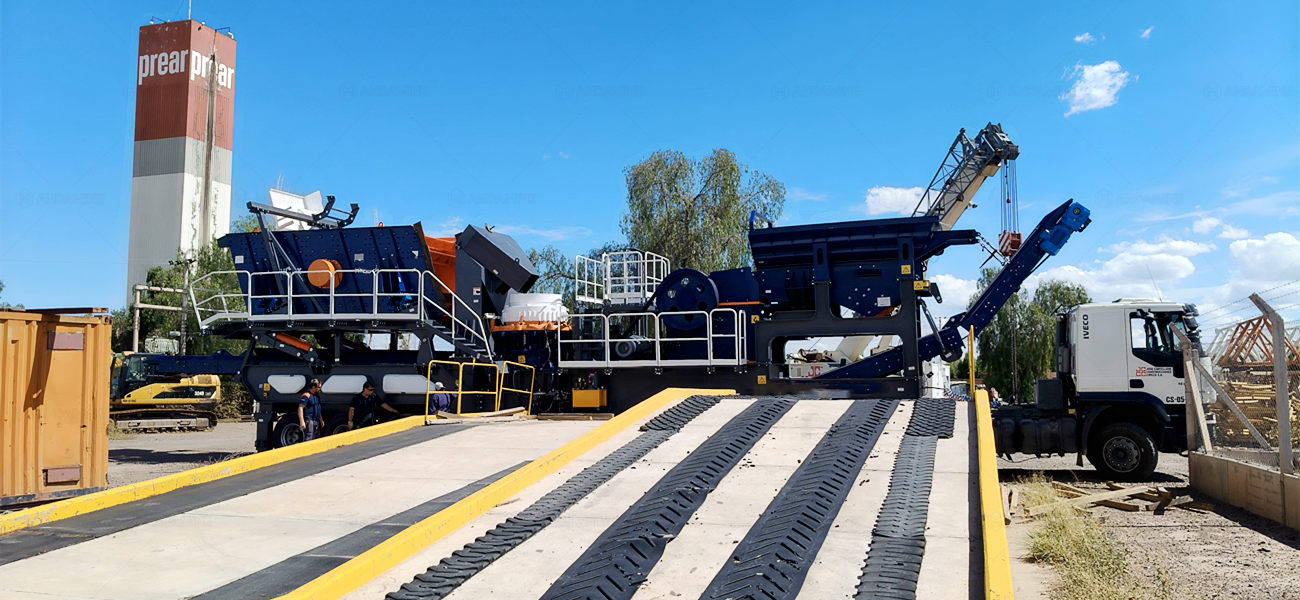
Basic Cognition: Core Logic of Crusher Self-Maintenance – From Reactive to Proactive
To truly grasp how next-generation crusher machines achieve “self-maintenance,” it’s essential to first clarify its core connotation and supporting logic—this lays the groundwork for understanding the technical details that follow.
Core Definition: The Essence of “Self-Maintenance”
Unlike traditional maintenance that relies heavily on manual inspections and post-failure repairs, crusher “self-maintenance” is a data-driven autonomous operation and maintenance system. It integrates three core modules: intelligent lubrication, fault early warning, and service life prediction. This system enables crushers to actively perceive their operating status, make scientific maintenance decisions, and execute basic maintenance actions (such as precise lubrication) without excessive human intervention—essentially giving the equipment the ability to “monitor and care for itself.”
Synergy Between Intelligent Lubrication and Predictive Maintenance
Intelligent lubrication and predictive maintenance are not isolated technologies but form a complementary closed loop of “perception-analysis-execution-optimization.” Intelligent lubrication serves as the basic guarantee: it ensures the stable operation of key components (like bearings and gears) by delivering precise, on-demand lubrication. Predictive maintenance is the core upgrade: it leverages data analysis to identify potential failures before they occur. Together, these two technologies drive the fundamental shift from “reactive repair” (fixing problems after they happen) to “proactive prevention” (avoiding problems altogether)—the core logic of “self-maintenance.”
Industry Consensus on Value
According to the 2025 Crusher Industry Trend Report, intelligent maintenance has become a key driver for improving resource utilization and promoting green mining. Improper maintenance often leads to excessive energy consumption and material waste; intelligent maintenance solves this by optimizing lubrication usage and reducing unnecessary wear. Additionally, it extends equipment service life by 15-25% on average, which aligns with the global trend of sustainable development in the mining and construction sectors. For operators, this translates to more stable production and lower long-term costs.
With a clear understanding of the core logic behind crusher “self-maintenance,” let’s now dive into the first foundational technology that makes this model possible: intelligent lubrication systems.
Technical Analysis (I): Intelligent Lubrication Systems – Foundation of Self-Maintenance
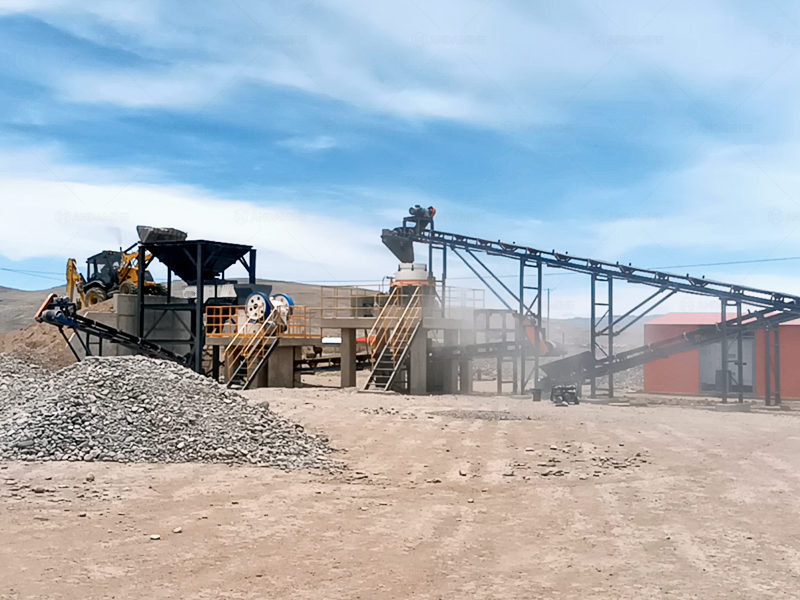
As the foundation of crusher self-maintenance, intelligent lubrication systems address the key pain points of traditional manual lubrication—namely over-lubrication and under-lubrication, both of which cause component wear and increased costs. They transform experience-dependent work into data-driven precision, ensuring stable equipment operation.

Core Principle: From Experience to Precision
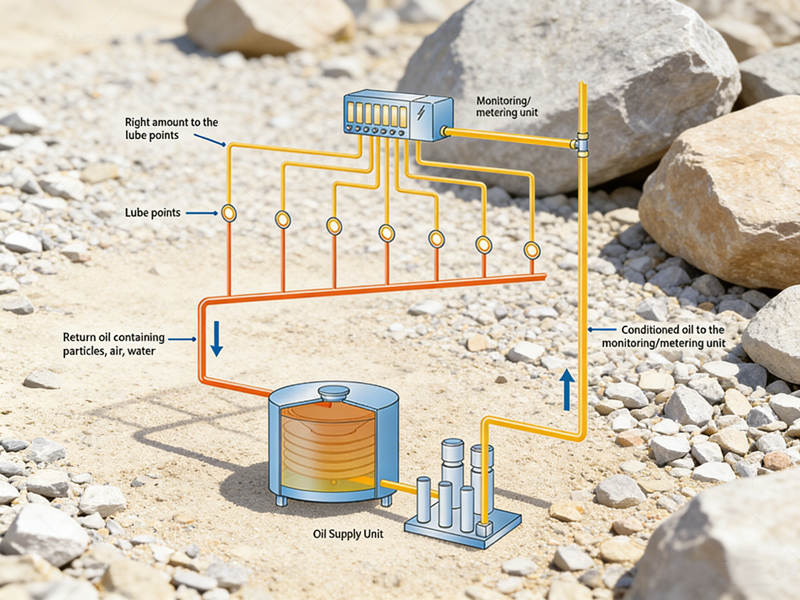
The core logic is “on-demand oil supply” instead of fixed schedules. Unlike manual lubrication (prone to human error), intelligent systems use real-time data to match each component’s actual lubrication needs, achieving precision and efficiency.
Key Components & Practical Cases
Mature systems have three core modules:
- Sensor Perception: Real-time monitoring of lubrication point temperature, pressure, and oil level (e.g., Magang’s pellet production line used such sensors to track bearing status).
- Intelligent Control Unit: Fixed-point, timed, and quantitative oil supply. Algorithms adjust based on load/speed/temperature, cutting error rates from 20% (manual) to under 2%.
- Remote Linkage: Cloud monitoring and parameter adjustment (Baoan Coal Industry saved labor costs via remote adjustments during high-load operations).
Core Difference from Traditional Lubrication
The key shift is from “uniform cycle lubrication” to “demand-based lubrication.” Intelligent systems treat each lubrication point independently, adjusting supply based on operating conditions—optimizing effectiveness and reducing oil consumption.
Customer Value
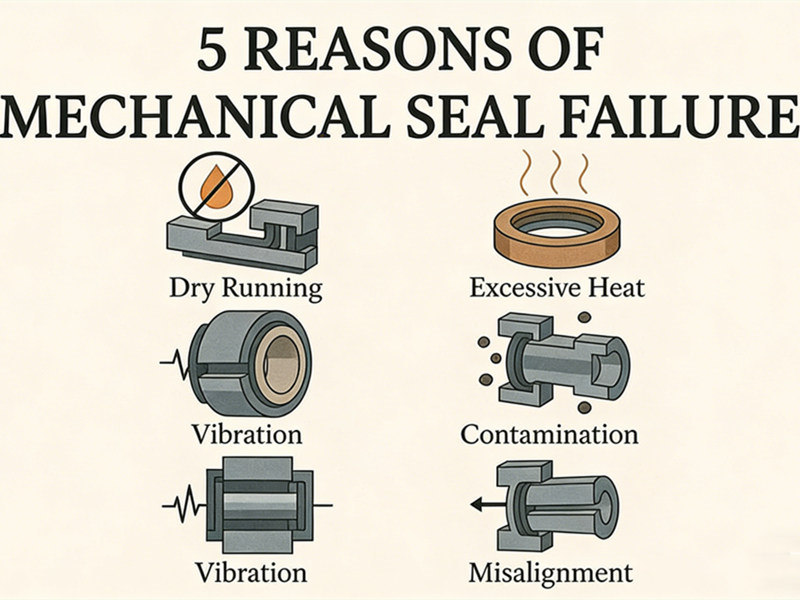
Tangible benefits for operators: ≥60% reduction in lubrication-related failure risk (e.g., shaft seal failure), 15-30% savings on lubricating oil, and 2-3 labor positions saved per production line annually.

While intelligent lubrication lays the stability foundation, predictive maintenance is the core of true crusher self-maintenance. Next, we’ll explore how it enables early fault prediction and precise maintenance.
Technical Analysis (II): Predictive Maintenance – Core of Self-Maintenance
As the core of crusher self-maintenance, predictive maintenance takes the “proactive prevention” logic to the next level. Unlike reactive repair that addresses failures after they occur, it uses data and algorithms to predict potential issues in advance—this is what truly enables the equipment to “foresee and avoid problems.”
Core Principle: Big Data + AI-Driven Fault Prediction
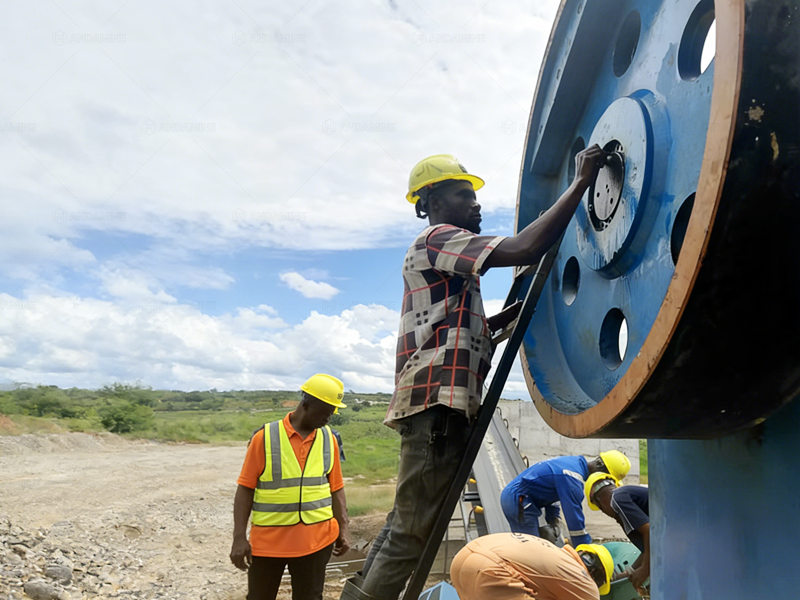
It integrates interdisciplinary concepts from mechanical engineering, signal processing, and AI. The core logic is to collect and analyze real-time equipment data to identify degradation trends and predict failures before they cause downtime.

Key Technical Links (With Case Breakdown)
A complete predictive maintenance system consists of three interconnected links:
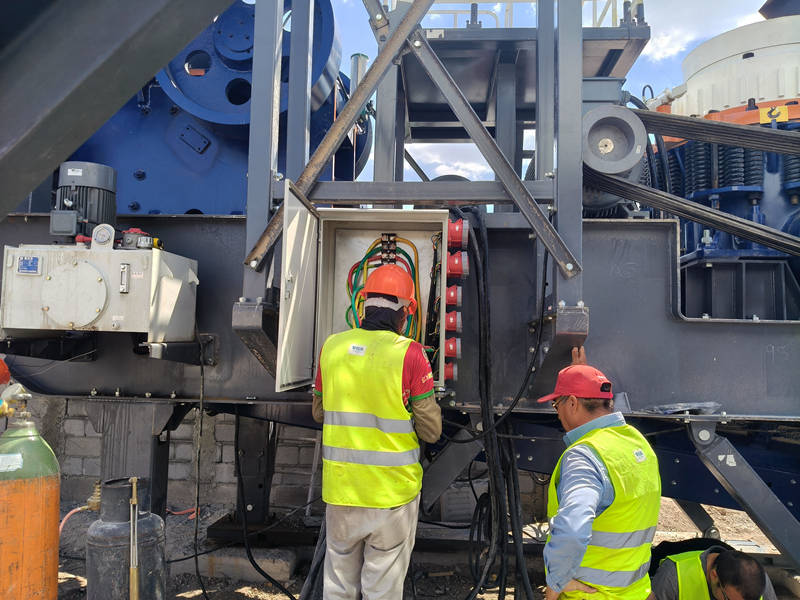
- Data Collection Layer: Multi-dimensional monitoring of equipment status (vibration, temperature, load, energy consumption). For example, Linhuan Coking’s online monitoring system covers over 300 devices, capturing real-time data from key components.
- Data Processing Layer: AI algorithms identify anomalies. Through data modeling, the system analyzes equipment degradation trends, predicting faults like coupling wear and cage breakage.
- Decision Output Layer: Fault early warning and maintenance recommendations. It clearly indicates fault location, severity, and remaining service life, guiding precise maintenance.
Customer Value Delivery
For operators, the value is tangible: avoiding production interruptions from sudden failures, reducing over-maintenance costs (by eliminating unnecessary inspections), and extending equipment service life by optimizing maintenance timing.

Understanding the technical logic of predictive maintenance is crucial, but how to actually deploy such systems in practice? Next, we will explore practical guidelines for enterprises to implement intelligent lubrication and predictive maintenance systems.
Practical Implementation: How to Deploy Intelligent Lubrication and Predictive Maintenance Systems?
For crusher operators worldwide, translating the technical logic of intelligent maintenance into practical deployment is the key to unlocking real value. This section provides actionable guidelines, drawing on international cases and universal standards to help enterprises—regardless of region—implement systems effectively while adapting to local regulatory requirements.
Preliminary Assessment: Equipment Compatibility and Priority Setting
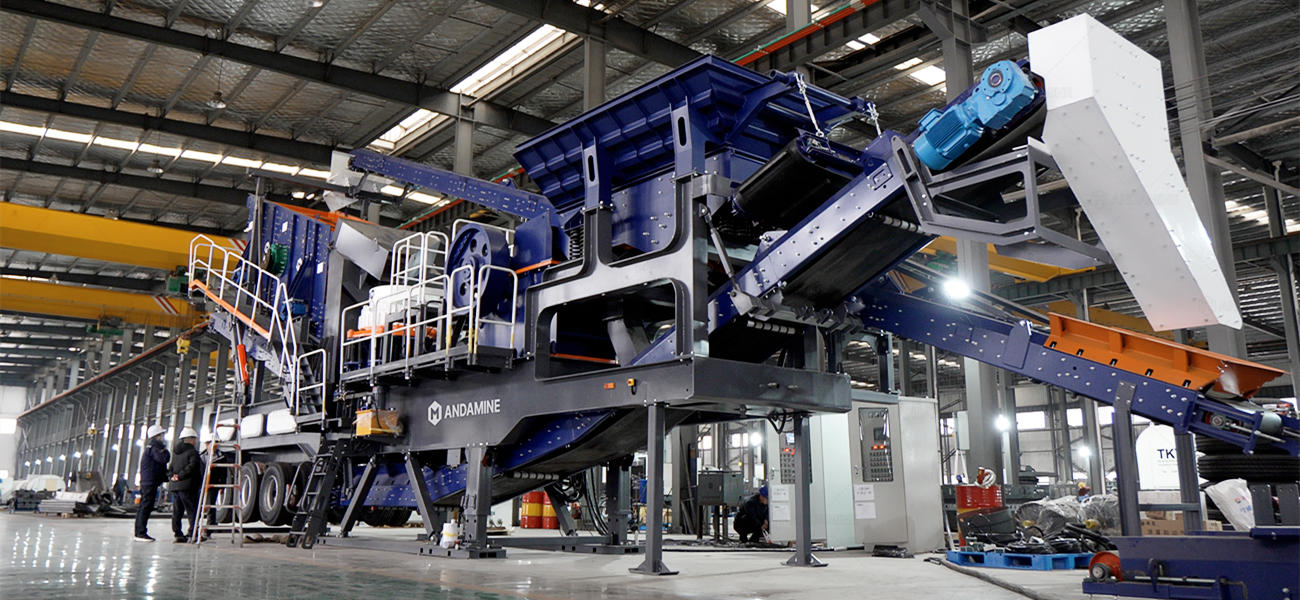
Before deployment, start with a comprehensive assessment to avoid blind investment. First, evaluate the compatibility of existing crusher models (e.g., jaw crushers, impact crushers, mobile crushing plants) with intelligent systems—older equipment may require basic retrofitting, while new-generation crushers often have built-in intelligent interfaces. Second, prioritize needs based on operational pain points: for mines in remote areas (such as Australia’s iron ore mines), remote monitoring and fault prediction should be prioritized to reduce on-site maintenance dependencies; for high-volume production lines (such as European aggregate plants), optimizing lubrication efficiency to reduce downtime is critical.


Core Deployment Steps (With Global Case References)
The deployment process follows three key phases, with insights from international practices:

Basic Retrofitting: Sensor and Lubrication Component Installation:
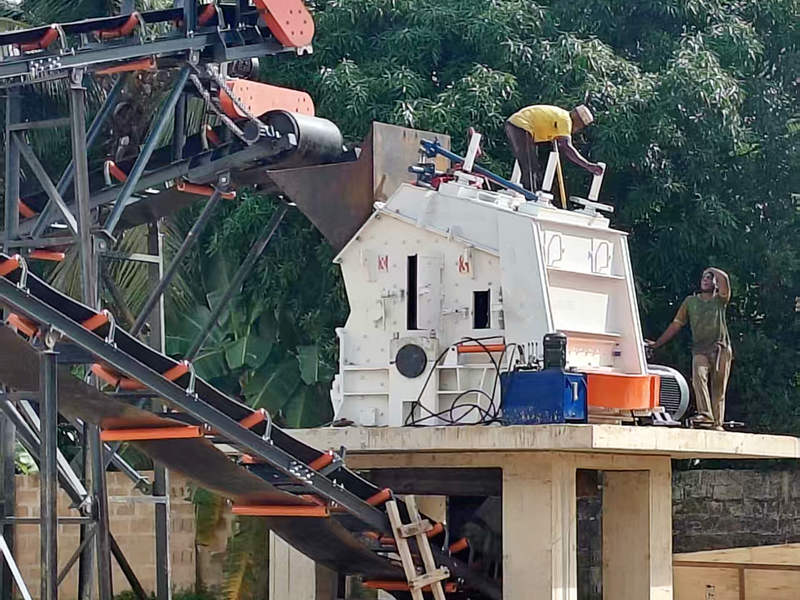
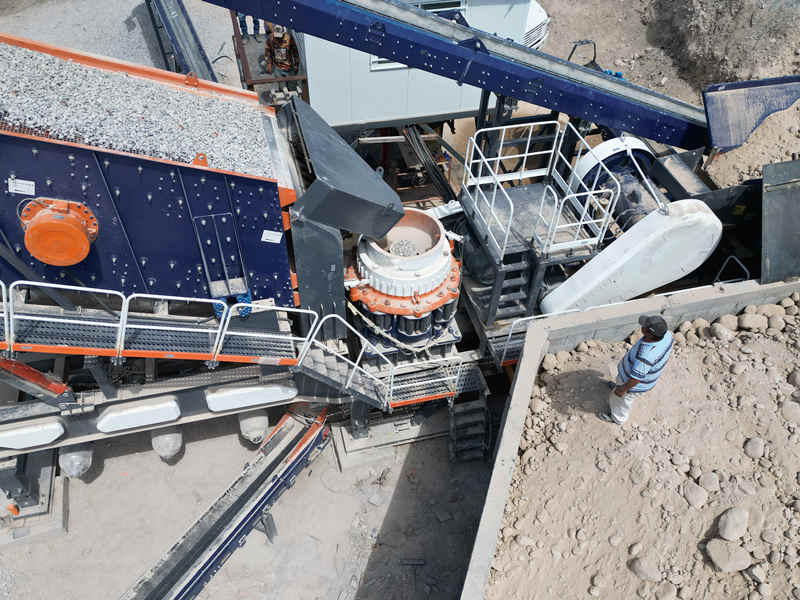
For existing equipment, focus on installing high-sensitivity sensors and intelligent lubrication components without disrupting production. Reference Magang’s roller crusher retrofitting experience—utilizing existing pipeline resources to reduce retrofitting costs by 30%. Internationally, Saint-Gobain, a leading European building materials company, deployed ZETA smart vibration and temperature sensors on its crushers and mills, achieving plug-and-play installation without wiring, which is particularly suitable for factories with complex layouts.
System Integration: Data Platform Construction and Algorithm Adaptation:
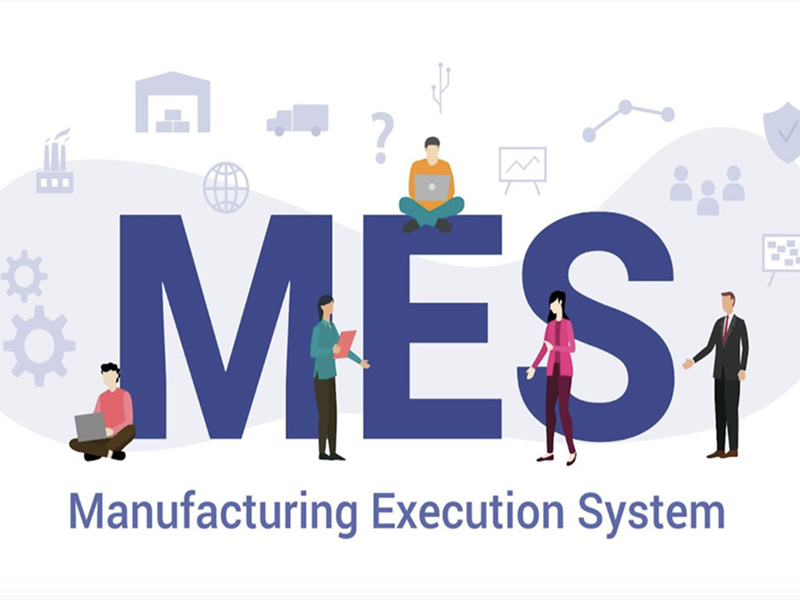
Build a cloud-based data platform to integrate real-time data from sensors, lubrication systems, and existing production management systems (PMS/MES). Ensure data interoperability to support comprehensive analysis. XCMG Mining Machinery, whose products are exported to over 20 countries including Australia and Brazil, integrates 5G+AR/VR technology into its predictive maintenance platform, enabling remote diagnostics for overseas mining projects—solving the problem of insufficient local technical talent.
Personnel Training: Upskilling the Maintenance Team:
Intelligent systems do not replace human operators but require them to master new skills. Train teams on core processes such as system monitoring, parameter adjustment, and fault response. For example, Saint-Gobain’s training program focused on interpreting data alerts from the cloud platform, enabling its maintenance team to transition from “manual inspection” to “data-driven decision-making” in just 2 weeks.
Key Considerations: Compliance and Data Reliability


- Guaranteeing Data Authenticity: Select sensors and data transmission solutions suitable for harsh industrial environments (e.g., high temperature, dust, vibration). Wireless communication technologies like ZETA or LoRa are recommended for stable data transmission in remote or complex sites.
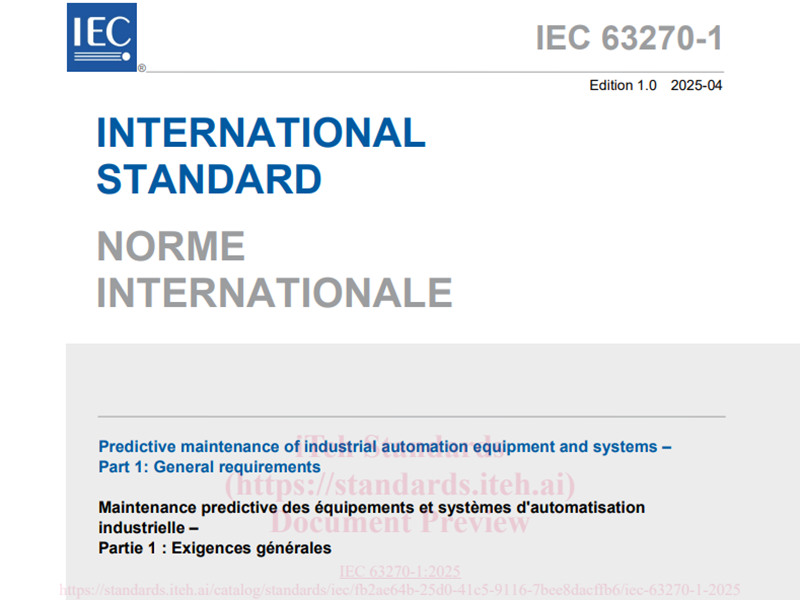
- Regulatory Compliance: Adhere to local standards and international norms. Globally, reference IEC 63270-1:2025, the first international standard for predictive maintenance developed under Chinese leadership, which defines full-process requirements for data collection, model building, and decision optimization—this standard is widely recognized in industries such as petrochemicals and mining worldwide. For European markets, ensure compliance with CE certification requirements for industrial equipment; in China, follow GB/T 35185-2017 for mobile crushing stations.
- Phased Optimization: Continuously adjust algorithm parameters based on actual operational data. XCMG’s predictive maintenance system, for instance, improves fault prediction accuracy by 15-20% annually through continuous learning from on-site data across global mining projects.
Cost-Benefit Analysis: Balancing Short-Term Investment and Long-Term Returns
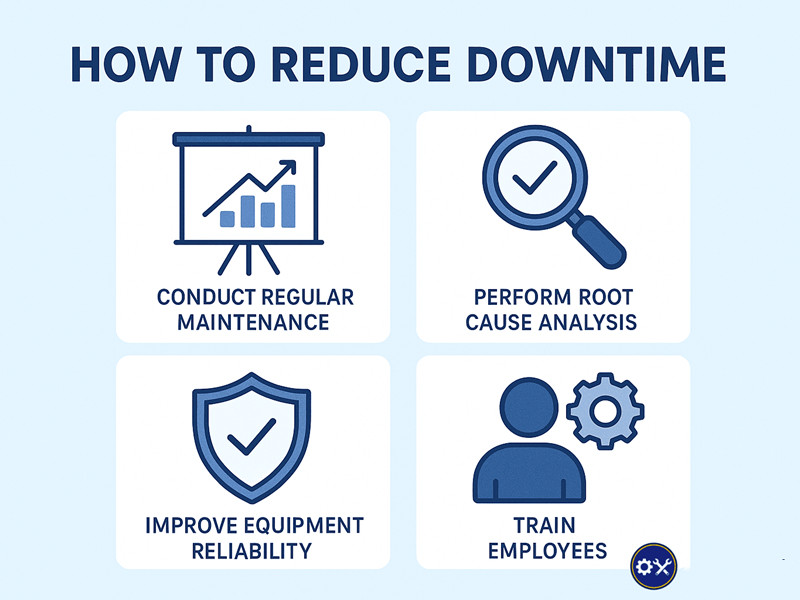
While initial deployment requires investment, the long-term returns are substantial. Examples include: Baoan Coal Industry saving 300,000 RMB annually in labor costs through automatic lubrication systems; Linhuan Coking reducing maintenance costs by 20-30% via predictive maintenance; and Saint-Gobain cutting unplanned downtime by over 50% after deploying intelligent sensors. For most medium-to-large crusher operations, the investment payback period is typically 1-2 years.


With a clear deployment roadmap, it’s also important to understand the current global landscape of intelligent crusher maintenance and its future direction. Next, we will explore the industry’s current challenges and upcoming technological breakthroughs.
Industry Status & Future Outlook: Challenges and Breakthroughs in Intelligent Maintenance
Globally, crusher intelligent maintenance is accelerating, but it still faces obvious bottlenecks while embracing broad development prospects.
Current Industry Challenges
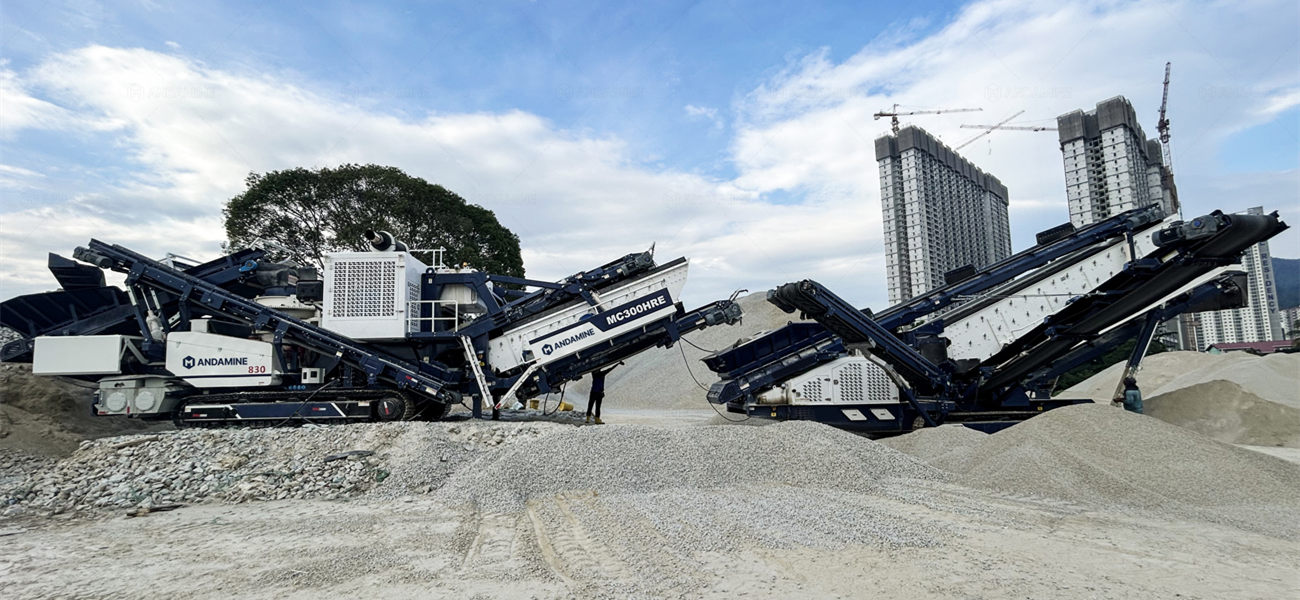
First, the overall intelligent level is in the primary stage. Despite the rising penetration rate of intelligent technologies (expected to reach 35% in 2025), practical applications in engineering sites are still insufficient, and there is a gap from full intelligence. Second, the imperfect supporting technology system restricts development. Intelligent maintenance involves multi-disciplinary integration, but the current integration of related technologies such as machinery, electronics, and information is not in place, failing to give full play to technical advantages. Third, the construction of intelligent standard systems lags behind. The lack of unified global or regional standards leads to uneven product quality and technical application levels, which is not conducive to the healthy development of the industry. In addition, the shortage of professional intelligent technical personnel has also become a common problem restricting the promotion of intelligent maintenance in mines and construction sites around the world.
Future Technical Breakthrough Directions
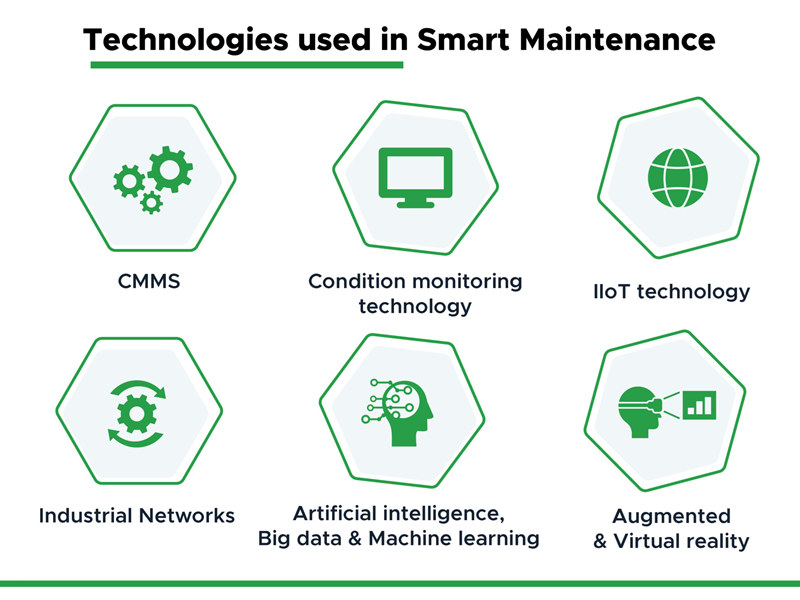


- AI Algorithm Upgrade: Focus on improving the accuracy of remaining service life prediction, and develop multi-fault coupling analysis technology to solve the problem of low accuracy in complex fault diagnosis. For example, the application of multi-source heterogeneous information fusion technology will further enhance the reliability of fault prediction.
- Full-Scenario Adaptation: Develop customized intelligent maintenance solutions for different crusher types (jaw crushers, impact crushers, mobile crushing stations) to adapt to diverse working conditions such as high humidity, high dust, and remote mines.
- Green Synergy: Align with the global sustainable development trend, integrate intelligent maintenance with energy-saving goals, optimize lubrication and operation strategies to reduce energy consumption and material waste, and support green mining construction.
Industry Application Prospects
Intelligent maintenance will extend from single crusher equipment to the entire production line, forming a full-life-cycle intelligent operation and maintenance system covering monitoring, diagnosis, maintenance, and management. For example, referring to the experience of Linhuan Coking’s equipment full-life-cycle management platform, the future system will realize more efficient data integration and linkage between crushing, conveying, and sorting equipment, helping the industry move towards overall intelligence.
Understanding the challenges and development trends of intelligent maintenance helps enterprises grasp the direction of technological upgrading. Next, we will summarize the core value of intelligent lubrication and predictive maintenance for crusher “self-maintenance” and put forward practical suggestions for industry practitioners.
Intelligent Maintenance is the Core Competitiveness of Next-Generation Crushers
In summary, intelligent lubrication and predictive maintenance are the dual pillars enabling crusher “self-maintenance,” essentially transforming traditional experience-dependent operations into data-driven, proactive management. For global crusher operators, embracing these intelligent technologies is not just a response to industry trends but a strategic move to enhance production stability, reduce long-term costs, and gain core competitiveness. As the industry evolves toward greater intelligence and sustainability, the in-depth application of these technologies will continue to drive the crusher sector from “equipment manufacturing” to “intelligent services,” laying a solid foundation for high-quality development in the global mining and construction industries.