
This article focuses on what matters most to you—whether your crusher can be used legally, how much extra cost you may incur, how to avoid fines, and how to achieve compliance quickly. This integrates authentic EU official data, practical operation guidelines, and industry insights, ensuring both professionalism and usability for global readers.
Address Your Problem Facing New Rules
Are you facing these frustrating problems with your crushers in the EU market? Your existing crusher was suddenly notified of non-compliance and ordered to stop production, disrupting your project schedule; you’re planning to buy new crushers but worried about making a costly mistake by choosing equipment without the updated 2026 CE certification; you’ve heard rumors about equipment upgrades but have no idea how much they’ll cost or if they’re worth the investment; you live in fear of EU inspections and heavy fines, yet you don’t know the specific penalty standards or how to avoid violations.
If any of these sound familiar, you’re not alone. Many crusher operators, buyers, and exporters struggle with EU compliance every year—especially when new regulations take effect. The good news is: you don’t need to become a legal expert on EU policies to stay compliant. This guide breaks down the 2026 EU CE Certification and Environmental New Rules (EU Stage V Revision) into simple, actionable information that’s directly relevant to your daily operations. We’ll teach you how to quickly self-check compliance, upgrade your equipment at the lowest cost, avoid expensive fines, and keep your production running smoothly—no jargon, no unnecessary details, just what you need to know.
Detailed Explanation of 2026 EU New Rules
To help you make informed decisions, we first clarify the specific details of the 2026 EU new rules—focusing on CE Certification (Mechanical Directive) and Environmental Regulations (EU Stage V Revision) that directly affect your crushers. All content is sourced from official EU channels to ensure authority and accuracy.
CE Certification: 2026 Updated Requirements
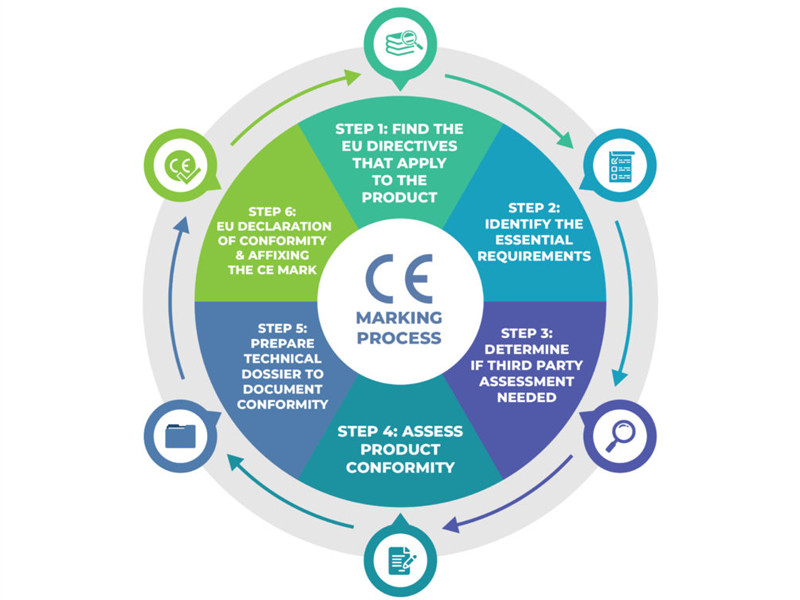
CE marking is a mandatory conformity mark for products sold or used in the European Economic Area (EEA), including all types of crushers (jaw crushers, cone crushers, impact crushers, etc.). In 2025, the EU revised the Mechanical Directive 2006/42/EC, and the updated version officially took effect on January 1, 2026. The revisions focus on improving equipment safety and simplifying the conformity assessment process, but they also impose stricter requirements on manufacturers and users. Here are the key details you need to know:
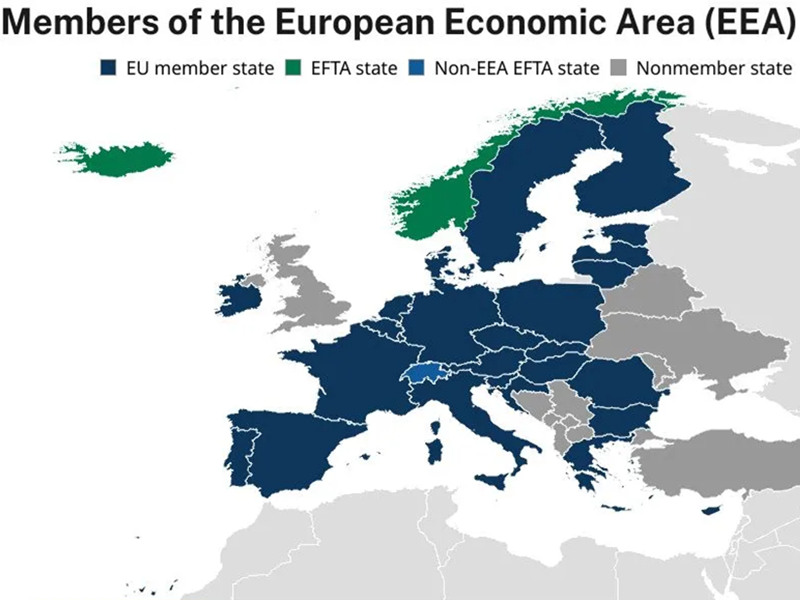
Scope of Application: All crushers used or sold in the EEA (including EU member states, Iceland, Liechtenstein, and Norway) must comply with the updated 2006/42/EC Directive. This applies to both new equipment and existing crushers—if your current crusher does not meet the new requirements, it will be deemed non-compliant after July 1, 2026.
Key Updated Requirements:
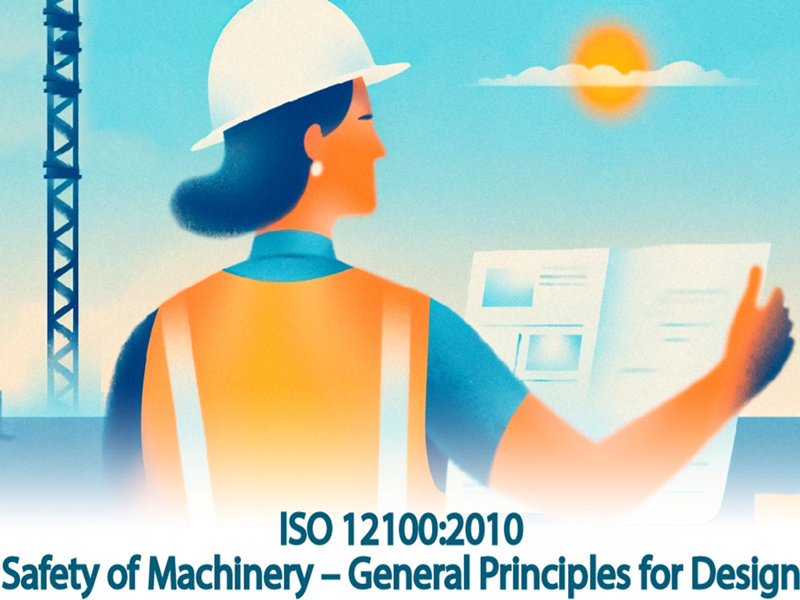
- Mechanical Safety (Article 4): Crushers must be equipped with non-detachable protective devices for hazardous parts, such as feed inlets, flywheels, and conveyor belts. These protective devices must meet the strength requirements of EN ISO 12100 (the EU’s standard for mechanical safety) to prevent operator injuries. Additionally, all crushers must be equipped with an emergency stop function that responds within 0.5 seconds to avoid accidents.
- Electromagnetic Compatibility (EMC) (Article 7): Crushers must comply with the Electromagnetic Compatibility Directive 2014/30/EU. During operation, the electromagnetic radiation limit must meet EN 55014-1, and the anti-interference ability must meet EN 55014-2. This ensures that crushers do not interfere with surrounding electronic equipment, which is particularly important for industrial sites with multiple electrical devices.
- Conformity Assessment (Article 10): Unlike some small mechanical products that can be self-declared by manufacturers, industrial crushers must undergo conformity assessment by an EU-notified body (you can check the qualification of notified bodies through the EU NANDO database). Manufacturers or importers must provide detailed technical documents, including equipment design drawings, risk assessment reports, and test reports, to obtain CE certification.
- Validity of CE Certification: The updated CE certification for crushers is valid for 5 years, but it requires annual maintenance records. If you fail to update the maintenance records or modify the equipment without re-certification, the CE marking will become invalid, and your equipment will be deemed non-compliant.

EU Stage V Environmental Regulations: 2026 Revision (Emission Limits & Requirements)
The EU Stage V emissions regulations, first implemented in 2019, aim to reduce air pollution from non-road mobile machinery (NRMM), including crushers. In 2026, the EU issued a supplementary revision to the regulations (Regulation (EU) 2016/1628 Supplement 2026), which mainly strengthens emission monitoring and updates the emission limits for some power segments. Here’s what you need to pay attention to as a crusher operator or buyer:
Key Emission Limits (Article 5)
Crushers fall into the “NRE category engine” under EU Stage V regulations. For mainstream industrial crushers with a power range of 37-560kW, the emission limits are as follows: PM (particulate matter) ≤ 0.015g/kWh, NOx (nitrogen oxides) ≤ 0.40g/kWh, and PN (particulate number) ≤ 1×10¹²/kWh. Compared with the previous version, the limits remain basically unchanged, but the EU has added a “real-time emission monitoring” requirement—crushers must be equipped with a monitoring system that can report emission data to EU regulatory authorities in real time.
Mandatory Exhaust Gas Treatment Devices (Article 8)
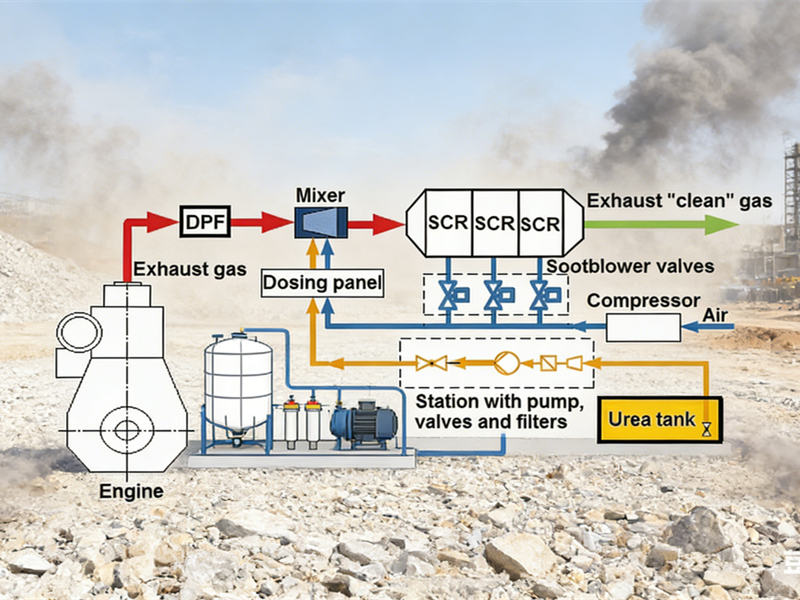
Crushers with a power range of 19-560kW must be equipped with a Diesel Particulate Filter (DPF) to reduce PM emissions. For crushers with a power range of 56-560kW, an additional Selective Catalytic Reduction (SCR) device is required to reduce NOx emissions. If your crusher does not have these devices or if they are faulty, it will be deemed non-compliant with emission regulations.
Implementation Timeline (Article 12)
The 2026 revised EU Stage V regulations take effect on January 1, 2026, for all new crushers entering the EU market—new equipment must meet the above requirements before being sold or used. For existing crushers, the deadline for upgrading is July 1, 2026—if your current crusher does not meet the emission limits or lacks the required exhaust gas treatment devices, you must complete the upgrade by this date, otherwise, you will be prohibited from continuing operations.
Digital Product Passport (DPP) Requirement (New in 2026)
In accordance with the EU’s 2025 new regulations on digital product passports, all crushers entering the EU market in 2026 must reserve a data interface for DPP in their CE certification technical documents. The DPP must include key compliance information, such as equipment emission parameters, CE certification number, and maintenance records, to facilitate random inspections by EU regulatory authorities.
Penalty Standards for Non-Compliance (from OJEU 2025 L320)
To emphasize the importance of compliance, the EU has significantly increased the penalties for non-compliant crushers in 2026. The penalty standards are divided into three levels based on the severity of the violation, and they apply to both operators and importers:
Minor Violations
Moderate Violations
Major Violations
It’s worth noting that the EU’s random inspection rate for crushers in quarries and mines has increased by 30% in 2026—so don’t take chances with non-compliance. The cost of fines and production suspension is far higher than the cost of upgrading or purchasing compliant equipment.
Practical Guide for Compliance What You Actually Need to Do
Now that you understand the specific requirements of the 2026 EU new rules, let’s focus on the practical steps you can take to achieve compliance—without disrupting your production or overspending. We’ll break this down into four simple steps, tailored to your actual needs as an operator or buyer.

Step 1: 10-Minute Self-Check (Determine Compliance Without Professional Help)
Before spending money on upgrades or certification, you can perform a quick self-check to determine if your crusher is already compliant. This self-check is simple and requires no professional tools—just follow these two steps:
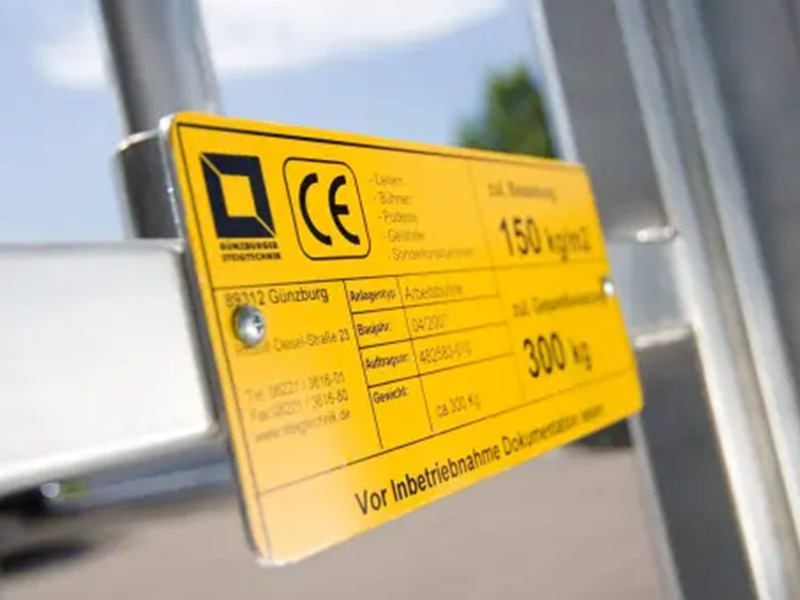
- Check CE Certification: Look for the CE marking on the crusher’s body. The marking should include the CE logo, the identification number of the EU-notified body, and the reference number of the Mechanical Directive (2006/42/EC). If the marking is missing, or if it does not include the 2006/42/EC directive number, your CE certification is invalid.
- Check Environmental Compliance: Inspect the crusher for DPF and SCR devices—they are usually installed near the exhaust pipe. If your crusher has a power of 56-560kW but only has a DPF (no SCR), it is non-compliant. Additionally, start the crusher and observe the exhaust gas—if there is obvious black smoke, it indicates that the PM emissions are likely to exceed the limit, and you need to check the DPF for blockages or faults.
After the self-check, you will have a clear understanding of your crusher’s compliance status, which will help you make the right decision (upgrade, replace, or continue using).
Step 2: Calculate the Cost of ComplianceIs It Worth the Investment?
One of the biggest concerns is the cost of compliance. We’ll break down the costs into two scenarios—buying new equipment and upgrading existing equipment—to help you calculate the most cost-effective option.
- Scenario 1: Buying New Crushers: If you’re planning to buy new crushers, we recommend choosing equipment that has already passed the updated 2026 CE certification and is compatible with the EU Stage V revised regulations. The cost of such equipment is 5%-10% higher than that of non-compliant equipment (for example, a 100kW jaw crusher may cost €5,000-€10,000 more). However, this extra cost is worth it—it saves you from the trouble of subsequent certification and upgrades, and avoids the risk of buying non-compliant equipment that cannot be used.
- Scenario 2: Upgrading Existing Crushers: If your current crusher is relatively new (used for less than 8 years), upgrading it is a more cost-effective option than replacing it. The upgrade cost ranges from €10,000 to €50,000, depending on the crusher’s power and existing configuration. The main upgrade items include: installing DPF/SCR devices (€8,000-€30,000), improving protective devices (€1,000-€5,000), and upgrading the emergency stop system (€500-€2,000). For example, a 75kW cone crusher without DPF/SCR can be upgraded for about €15,000-€20,000, which is much lower than the cost of a new crusher (€80,000-€100,000) and the fine for non-compliance (up to €50,000).
Money-Saving Tip: If your crusher has been used for more than 8 years, the upgrade cost may be close to the cost of a new crusher (due to the need to replace multiple old components). In this case, it is more cost-effective to directly replace it with a new compliant crusher—this not only ensures compliance but also improves production efficiency and reduces maintenance costs in the long run.
Step 3: 3-Step Compliance Process (Avoid Tedious Procedures, Save Time)
Whether you’re upgrading existing equipment or purchasing new equipment, following these three steps will help you achieve compliance quickly without disrupting your production:
- Step 1: Choose a Qualified EU-Notified Body: Do not choose unqualified third-party institutions for certification—this will lead to invalid CE certification. You can search for qualified notified bodies through the EU NANDO database (https://ec.europa.eu/growth/tools-databases/nando/index.cfm?fuseaction=notifiedbody.main). We recommend choosing notified bodies with experience in the construction machinery industry (such as TÜV Rheinland, Bureau Veritas) to ensure the certification process is smooth and efficient.
- Step 2: Prepare Required Documents and Complete Upgrades: If you’re upgrading existing equipment, first complete the upgrade (install DPF/SCR devices, improve protective devices, etc.), then prepare the required documents: equipment design drawings, maintenance records, risk assessment reports, and upgrade test reports. If you’re purchasing new equipment, ask the manufacturer to provide the updated CE certification, EU Stage V compliance test report, and DPF/SCR installation certificate.
- Step 3: Complete Certification and Monitoring: Submit the documents to the notified body—they will conduct on-site testing (1-3 days) to verify that the equipment meets the 2026 new rules. After passing the test, you will receive the CE certification and compliance report (7-10 working days). Additionally, remember to update the equipment’s maintenance records annually and ensure the real-time emission monitoring system is working properly to avoid certification invalidation.
Step 4: Common Pitfalls to Avoid Save Money and Avoid Fines
Based on our experience working with crusher operators and buyers in the EU market, we’ve summarized three common pitfalls that many people fall into. Avoiding these pitfalls will help you save money and stay compliant:
- Pitfall 1: Focusing Only on Price When Buying Equipment: Some buyers choose non-compliant crushers because they are cheaper, not realizing that such equipment cannot be used in the EU market. Even if they manage to import the equipment, it will be seized during EU inspections, resulting in huge losses. Always check the CE certification and EU Stage V compliance documents before purchasing.
- Pitfall 2: Using “Fake Compliance” to Cut Costs: Some operators try to save money by installing counterfeit DPF/SCR devices or tampering with emission monitoring data. However, the EU’s real-time emission monitoring system can easily detect such fraud, and the penalty for major violations (up to 4% of annual turnover) is far higher than the cost of installing genuine devices.
- Pitfall 3: Ignoring CE Certification Maintenance: Many operators think that once they obtain CE certification, they can rest easy. However, the updated CE certification requires annual maintenance records—if you fail to update these records, the certification will become invalid, and you will be fined for non-compliance. Set a reminder to update the maintenance records every year to avoid this mistake.
Compliance Is Not a Cost, But an Investment
The 2026 EU CE Certification and Environmental New Rules may seem complex, but their core requirement is simple: ensure your crushers are safe, environmentally friendly, and compliant with EU standards. For crusher operators and buyers in the EU market, compliance is not a burden or an extra cost—it is an investment in your business’s long-term development.
By following the practical steps outlined in this guide, you can achieve compliance quickly, avoid expensive fines, keep your production running smoothly, and even gain a competitive advantage in the EU market. Compliant crushers are more trusted by customers and project owners, and they can help you win more bids and expand your business.